Uber in America has evolved from a ride-hailing startup into a technology platform spanning mobility, delivery, logistics, and commerce. Its growing focus on autonomous vehicles, AI, and electric mobility could shape Uber’s next chapter.
Uber in America has come a long way from its early days as a premium car service in San Francisco. What began as an idea to make getting a ride easier has evolved into a global technology platform spanning mobility, food delivery, grocery and retail, freight, memberships, and increasingly, autonomous transportation.
Founded in 2009, Uber officially launched its service in San Francisco in 2010. By 2026, the company will have spent more than 15 years reshaping how people move around cities, and its ambitions now extend well beyond traditional ride-hailing.
The biggest question is no longer whether Uber can compete with taxis and other ride-hailing companies. It is whether Uber can become the platform connecting consumers with the next generation of human-driven and autonomous transportation.
A Brief History of Uber in America
Uber’s origins can be traced to late 2008, when co-founders Garrett Camp and Travis Kalanick discussed creating a technology-enabled alternative to the traditional taxi experience. Camp began developing the concept in 2009, while the company conducted early testing in New York before launching in San Francisco in May 2010.
Initially known as UberCab, the company focused on connecting customers with premium vehicles through a smartphone app. Its appeal was simple: instead of standing on a street corner trying to find a taxi, users could request a car with a few taps.
Uber’s expansion accelerated quickly. New York became one of its earliest major markets in 2011, followed by expansion into other U.S. cities and international markets.
Uber in America also faced controversy as its growth accelerated. Uber faced opposition from traditional taxi operators, regulatory battles, questions surrounding driver classification, pricing practices, and concerns about workplace culture. These challenges became particularly prominent during Travis Kalanick’s tenure as CEO, eventually contributing to his departure in 2017.
Dara Khosrowshahi became CEO later that year and began steering Uber toward a more disciplined, diversified, and publicly accountable business model.
From Ride-Hailing App to Multi-Service Platform
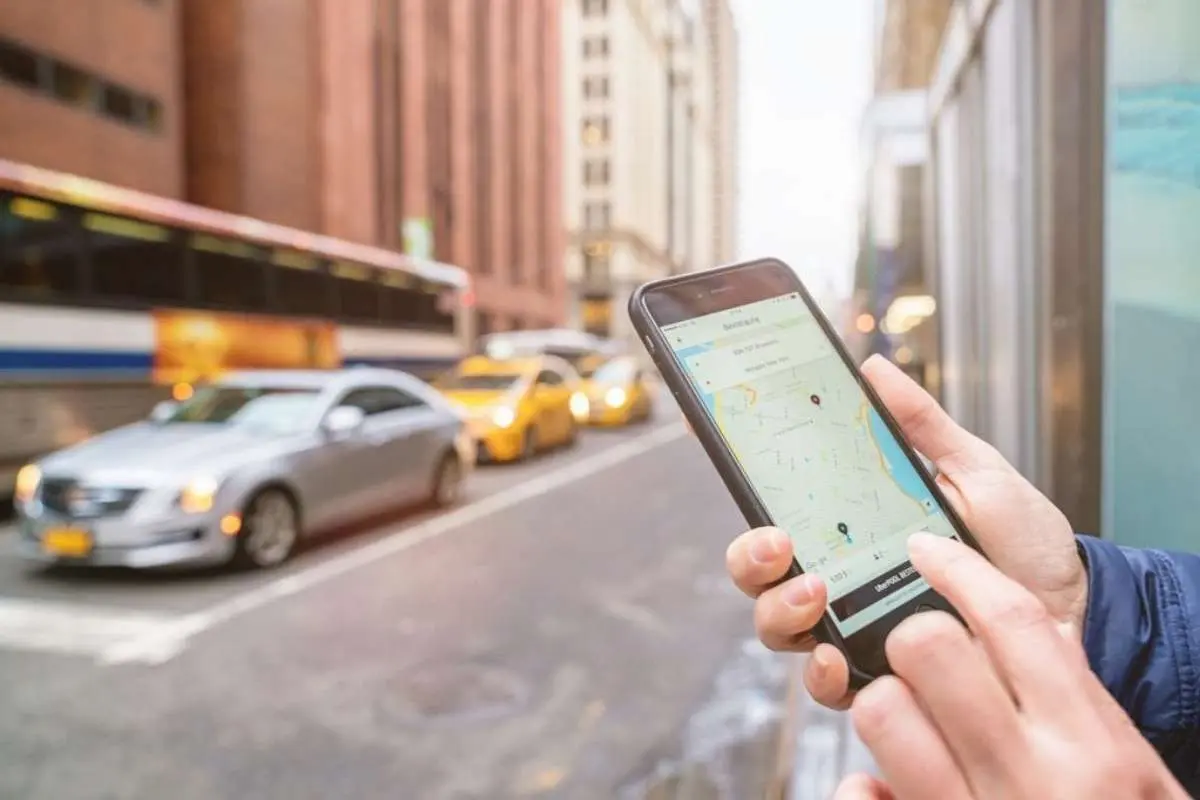
One of the biggest changes in Uber in America has been its expansion beyond passenger transportation.
Uber Eats, launched in 2014, transformed the company into a food-delivery platform. Over time, Uber expanded further into grocery and retail delivery, allowing customers to order far more than restaurant meals.
Uber Freight also broadened the company’s ambitions into logistics by connecting shippers and carriers through technology.
The result is a business built around a common platform rather than a single service. A customer might use Uber for a morning ride, order lunch through Uber Eats, purchase groceries in the evening, and use Uber again while traveling.
This platform strategy has become increasingly important to Uber in America’s growth.
Uber One Strengthens Customer Loyalty
Membership has become another important part of the company’s strategy.
Uber One combines benefits across eligible rides and delivery services, encouraging consumers to use multiple parts of the Uber ecosystem. In the first quarter of 2026, Uber said it had reached 50 million Uber One members, with members accounting for roughly half of Gross Bookings across Mobility and Delivery.
In India, Uber One also offers membership benefits across eligible rides and other services, including Uber credits, priority support, and access to top-rated drivers.
This reflects a major shift in Uber’s business model: rather than simply competing for individual rides, the company is increasingly trying to become an everyday consumer platform.
How Uber’s Business Has Changed and What’s Driving Its Next Growth Phase
The financial numbers show just how far Uber in America has moved from its early startup phase.
Uber became a publicly traded company in May 2019, with its shares beginning trading on the New York Stock Exchange under the ticker UBER.
By 2025, Uber had reached $193 billion in annual Gross Bookings and generated approximately $10 billion in free cash flow. At the end of 2025, more than 200 million monthly active consumers were using the platform, while the company was completing more than 40 million trips per day.
The fourth quarter of 2025 alone produced:
- $54.1 billion in Gross Bookings
- $14.4 billion in revenue
- 3.8 billion trips
- 202 million Monthly Active Platform Consumers
- $2.5 billion in Adjusted EBITDA
The first quarter of 2026 continued that momentum. Gross Bookings reached $53.7 billion, up 25% year over year, while trips increased 20% to approximately 3.6 billion.
2026: Growth Continues
Uber’s second-quarter 2026 results reinforced the company’s growth trajectory. Gross Bookings reached approximately $58 billion, up about 24% year over year, while revenue increased to roughly $14.2 billion. Mobility Gross Bookings rose to approximately $29 billion, while Delivery Gross Bookings reached roughly $27.5 billion.
These figures show that Uber is no longer simply a ride-hailing company. Its Delivery business has become almost as strategically important as Mobility, while Freight remains another part of its broader logistics strategy.
Autonomous Vehicles Could Define Uber’s Next Chapter
Perhaps the most important change in Uber in America since the original version of this article was written is the company’s growing focus on autonomous vehicles.
Rather than attempting to build a single autonomous vehicle technology itself, Uber has increasingly positioned its platform as a marketplace where autonomous vehicle companies can connect with riders.
Uber and Waymo
Uber’s partnership with Waymo marked one of the clearest examples of this strategy.
In 2025, Waymo autonomous vehicles became available through the Uber app in Austin and Atlanta. In these markets, riders requesting eligible Uber services can be matched with fully autonomous, all-electric Waymo vehicles.
By 2026, autonomous services had expanded to additional U.S. markets, including Dallas and Las Vegas, although availability remains limited to specific areas and operating conditions.
Uber’s strategy is increasingly clear: drivers and autonomous vehicles can coexist on the same marketplace, giving consumers more transportation options while allowing Uber to benefit from the growth of autonomous mobility without owning every vehicle or developing every autonomous-driving system itself.
Rivian, NVIDIA and the Robotaxi Race
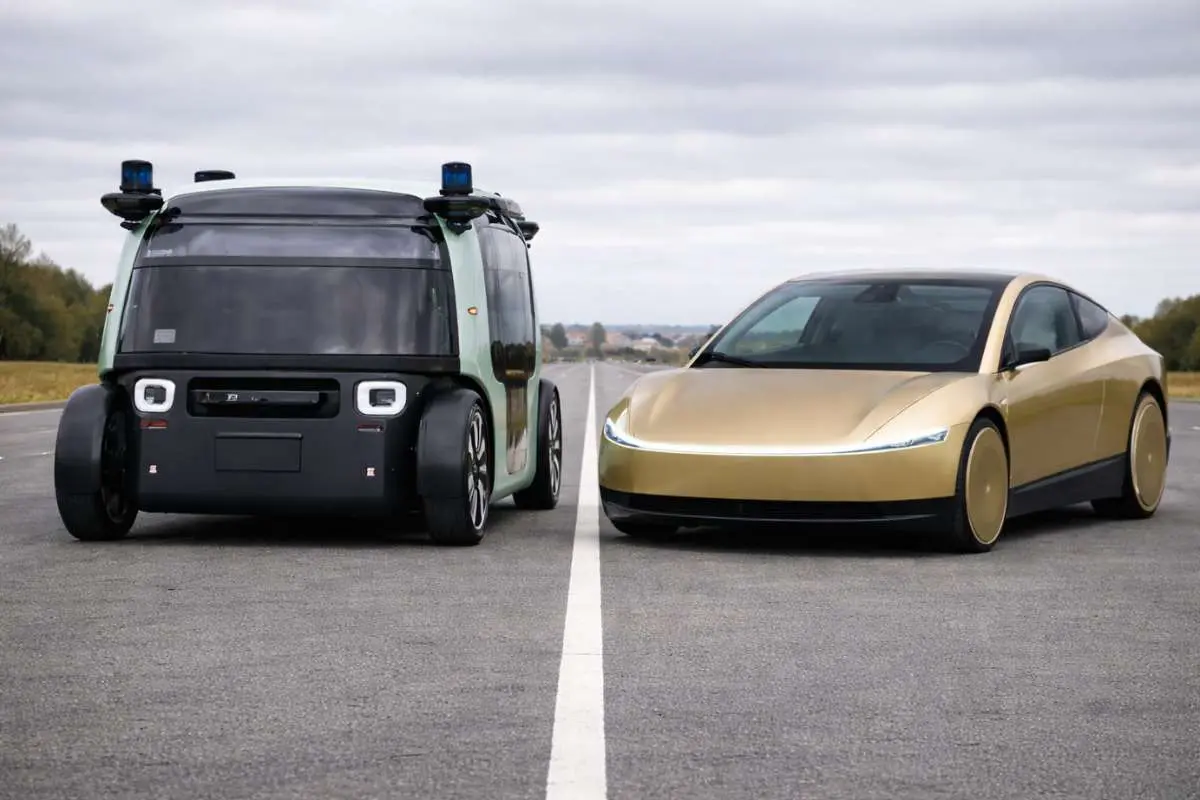
Uber in America is also building relationships with multiple technology and automotive companies.
In March 2026, Uber and Rivian announced plans to deploy up to 50,000 fully autonomous R2 robotaxis. Initial commercial deployments are planned for San Francisco and Miami in 2028, with ambitions to expand to 25 cities by 2031. Uber also committed to investing up to $1.25 billion in Rivian through 2031, subject to performance milestones.
Uber and NVIDIA separately announced plans for a fleet of NVIDIA software-driven autonomous vehicles, with deployments planned to begin in Los Angeles and San Francisco in 2027 and potentially scale to 28 cities globally by 2028.
Uber has also expanded its autonomous strategy through partnerships involving companies such as Wayve and Nissan. A planned Tokyo pilot could introduce autonomous rides through Uber as early as late 2026, subject to regulatory discussions.
These partnerships demonstrate that Uber’s future may not depend on owning the technology behind autonomous vehicles. Instead, its advantage could come from providing the demand, marketplace, logistics, fleet-management, and customer-experience infrastructure needed to commercialize them.
What Could Uber’s Future Look Like?
Uber’s future is likely to be shaped by four major trends.
1. Autonomous Transportation
Autonomous vehicles could fundamentally change the economics of ride-hailing. Lower operating costs could eventually create cheaper rides, while increasing vehicle utilization could expand Uber’s marketplace.
However, adoption will depend on safety, regulation, insurance, consumer trust, and the economics of operating autonomous fleets.
Uber itself has acknowledged that autonomous commercialization will take time. In 2026, it launched Uber Autonomous Solutions, designed to help autonomous-vehicle partners commercialize their technology using Uber’s marketplace and operational capabilities.
2. A Larger Delivery and Commerce Business
Uber’s Delivery business is becoming a major growth engine.
In the first quarter of 2026, Delivery Gross Bookings grew 28% year over year, compared with 25% growth for Mobility.
This suggests Uber increasingly sees its app as a platform for local commerce—not simply transportation.
Food, groceries, retail products, and other local services could become increasingly integrated into the same ecosystem.
3. AI and Personalization
Artificial intelligence is becoming increasingly important to Uber’s platform.
AI can help improve demand forecasting, driver-rider matching, route optimization, customer support, fraud detection, delivery logistics, and personalized recommendations.
As Uber handles billions of trips and orders, its enormous volume of marketplace data allows it to use AI to make the platform more efficient.
4. Sustainable and Electric Mobility
Electric vehicles are another important part of Uber’s long-term strategy.
The company’s autonomous partnerships are already bringing all-electric vehicles onto its platform in markets such as Austin and Atlanta.
The transition to EVs could reduce emissions from transportation, although the overall environmental impact will depend on vehicle utilization, electricity sources, congestion, and whether ride-hailing replaces private-car trips or adds new journeys.
The Challenges Uber Still Faces and What Could Come Next
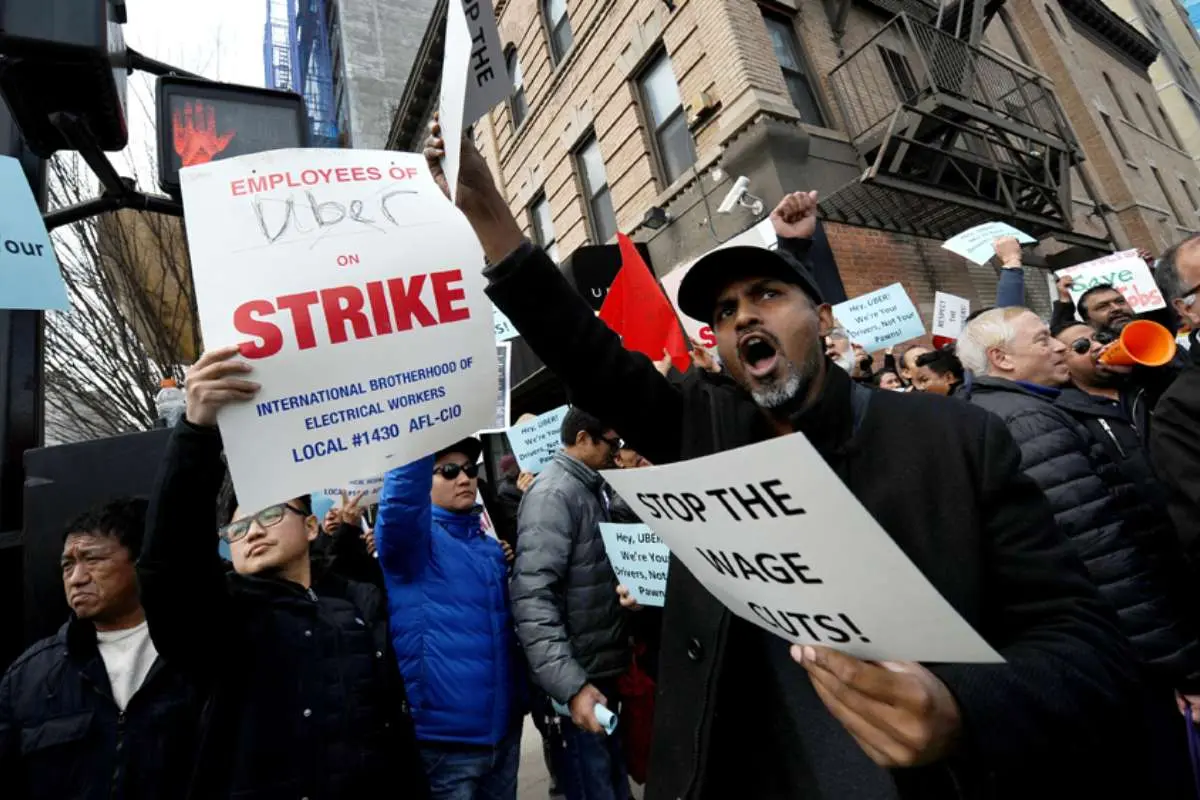
Despite its growth, Uber’s future is not guaranteed.
Regulation remains one of its biggest challenges, particularly around driver classification, pricing, safety, and autonomous vehicles. The company also faces intense competition from traditional ride-hailing companies and emerging autonomous-vehicle platforms.
The transition to autonomous mobility could create another challenge. Uber wants to become the marketplace for robotaxis, but autonomous-vehicle companies may eventually decide to build their own consumer platforms and compete directly for riders.
There is also the question of profitability. Uber has made significant progress in generating cash flow, but investing in autonomous technology, incentives, insurance, new markets, and platform expansion requires substantial capital.
Conclusion
Uber in America’s story is no longer simply about replacing the traditional taxi.
From a small San Francisco startup in 2009 to a publicly traded technology company serving more than 200 million monthly consumers, Uber has transformed itself into a broad platform for mobility, delivery, and local commerce. Its 2025 results and 2026 performance show that the core business continues to grow, while its autonomous-vehicle partnerships point toward an even bigger transformation.
The next phase could be the most consequential yet.
Uber is positioning itself for a world where a consumer might not care whether a ride is provided by a human driver or an autonomous vehicle; they may simply open the Uber app and choose what works best.
If that strategy succeeds, the company that once disrupted America’s taxi industry could become something much bigger: the digital marketplace connecting people, vehicles, deliveries and commerce in the cities of the future.
Frequently Asked Questions
1. When was Uber founded in America?
Uber was founded in 2009 and began operating as UberCab in San Francisco in 2010. It has since expanded from a ride-hailing startup into a global technology and mobility platform.
2. How has Uber changed since it was founded?
Uber has expanded beyond ride-hailing into food and grocery delivery, freight and logistics, memberships, and autonomous mobility. Its platform now serves more than 200 million monthly active consumers worldwide.
3. What is Uber’s autonomous vehicle strategy?
Uber is partnering with autonomous vehicle companies such as Waymo, Rivian, and NVIDIA rather than relying on a single self-driving technology. The company aims to connect autonomous vehicles with its large consumer marketplace.
4. How is Uber performing financially in 2026?
Uber continues to report strong growth in 2026. Its Gross Bookings reached approximately $53.7 billion in the first quarter of 2026, while trips increased 20% year over year to about 3.6 billion.
5. What is the future of Uber?
Uber’s future is likely to focus on autonomous transportation, AI-powered services, electric mobility, delivery, and local commerce. Its goal is increasingly to operate as a broad technology marketplace rather than simply a ride-hailing company.