Why Transtelecom Is Being Acquired and Why Telecom Is a Strategic Asset of the Future
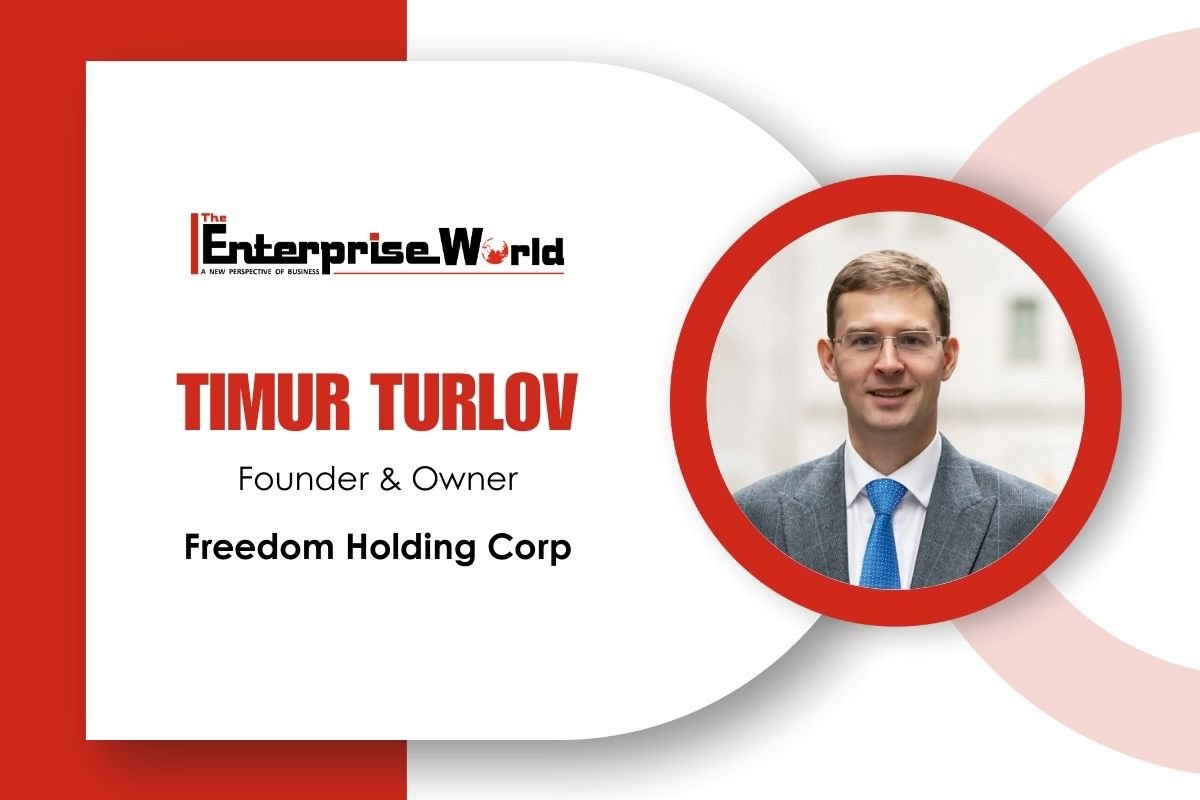
In December 2025, it was announced that business entities affiliated with Timur Turlov, the founder and owner of Nasdaq-listed Freedom Holding Corp., have reached agreements to acquire JSC Transtelecom, one of Kazakhstan’s key telecommunications and IT companies. The deal still requires regulatory approval, but this acquisition represents a logical continuation of the large-scale strategy Timur Turlov has pursued over the past several years.
This investment is important not only for Freedom Holding itself, but for the entire market. Telecommunications in Kazakhstan are no longer merely basic infrastructure and are increasingly becoming the foundation of the digital economy.
Transtelecom: From Railway Communications to a Digital Provider

Transtelecom was established in 1999 as a company affiliated with Kazakhstan Temir Zholy (KTZ) and initially served the telecommunications needs of the railway industry. Over time, it evolved into an independent market participant and later became one of the country’s largest national providers of IT and infocommunication solutions. The company operates across several segments, including backbone networks, corporate and government IT outsourcing, data centers, system integration, and telecom services for businesses and government clients.
How the Shareholders Changed and Why the Asset Is Being Sold Again?

Transtelecom’s ownership structure has been highly dynamic in recent years. For a long time, the ultimate controlling shareholder was Nurali Aliyev, who owned 75% minus one share through Unit Telecom. In 2025, Aliyev fully exited the business, selling his stake to entities affiliated with Jusan Mobile and subsequently transferring effective control to Galimzhan Yessenov.
However, in December 2025, another major transaction was announced: entities linked to Timur Turlov agreed to acquire Transtelecom. At the same time, the board of directors was updated, signaling the beginning of changes in corporate governance without sudden changes to the operating model.
This represents the second major M&A transaction in the company’s history within a single year, indicating that the asset has matured and has become attractive to a strategic investor rather than a purely financial buyer.
Timur Turlov and Telecom: Not a Random Acquisition, but Part of a Broader Strategy

The investment in Transtelecom should not be viewed in isolation. It fits naturally into Freedom Holding’s telecom strategy, under which Timur Turlov is prepared to invest up to $650 million over five years.
Key steps include:
- Creation of Freedom Telecom Holding within the Astana International Financial Centre (AIFC)
- Acquisition of regional operators and network-construction companies (DITel, SilkNetCom, EliteCom)
- Purchase of seven data centers from Transtelecom in 2024
- Acquisition of satellite operator Astel and entry into the Starlink market
- Construction of a hyperscale data-transmission backbone and a Tier III-level data center
- Launch of the national Freedom Wi-Fi network
- Strategic partnership with Vodafone
As a result, Freedom Holding Corp. is building a comprehensive telecom ecosystem, encompassing backbone infrastructure, data centers, Wi-Fi networks, satellite communications, mobile solutions, and media. Within this framework, the acquisition of Transtelecom is the core infrastructure component of the entire ecosystem.
Building telecom networks, obtaining spectrum licenses, and operating strategic infrastructure require substantial capital, in-depth expertise, and trust from government authorities.
For investors, this is a signal that Kazakhstan’s telecom sector is entering a phase of active growth and consolidation, and major players are betting on long-term infrastructure. Unlike many IT startups, telecom companies generate recurring revenue, operate under long-term contracts, and remain resilient even during economic downturns. For a holding company of Freedom Holding’s scale, this provides an optimal balance between growth and predictability.