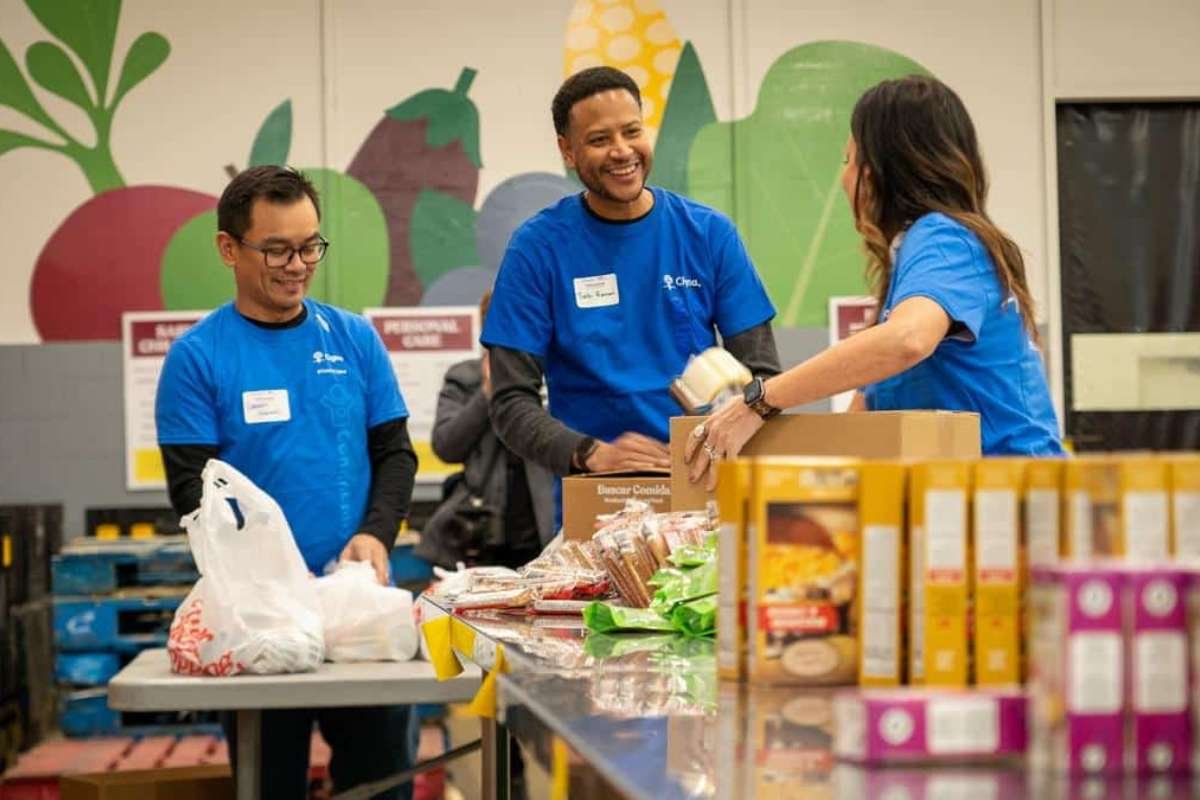
Volunteering at a food bank is a great way to help your community and support those who are hungry. Food banks play an important role in providing meals to families and individuals facing food insecurity. When you volunteer, you join a larger effort to fight hunger and help ensure everyone has access to the nutrition they need.
Getting involved is easier than you think, and learning how to volunteer at a food bank is the first step toward making a difference. Food banks appreciate any time you can offer, whether it’s a few hours or a regular commitment. Volunteering gives you a sense of connection to your community. It feels rewarding to see the difference your efforts make.
Here’s How to Volunteer at a Food Bank:
1. Finding a Food Bank
To start volunteering, find a food bank near you. Most towns and cities have local food banks, and many larger organizations have multiple locations. You can search online or check community boards for opportunities to help. Websites like Feeding America have tools to help you find food banks across the country.
After you find a food bank, check their website for details about their mission, programs, and volunteer options. Some food banks focus on specific groups or types of food distribution, like emergency assistance or meal programs. Knowing their focus can help you choose how you’d like to get involved.
2. Getting Involved

Food banks welcome volunteers for a variety of tasks. These include sorting donated food, packing boxes for distribution, and helping with meal prep. Each task is important to ensuring food gets to those who need it. These activities are hands-on and often involve teamwork, making your time enjoyable while supporting a good cause.
Many food banks also offer group volunteer opportunities. This is a great way to bond with friends, family, or coworkers while doing something meaningful together. It allows everyone to share an experience that creates connections and teamwork.
3. Flexible Hours
One great thing about volunteering at food banks is the flexibility they offer. Most food banks have various shifts throughout the week, making it easier for you to find a time that works for you. Whether you prefer mornings, afternoons, or weekends, you can likely find a suitable option.
You can also volunteer as often as you like, whether it’s for one event or regular shifts. This flexibility makes it easier to participate according to your availability.
4. Impactful Experience
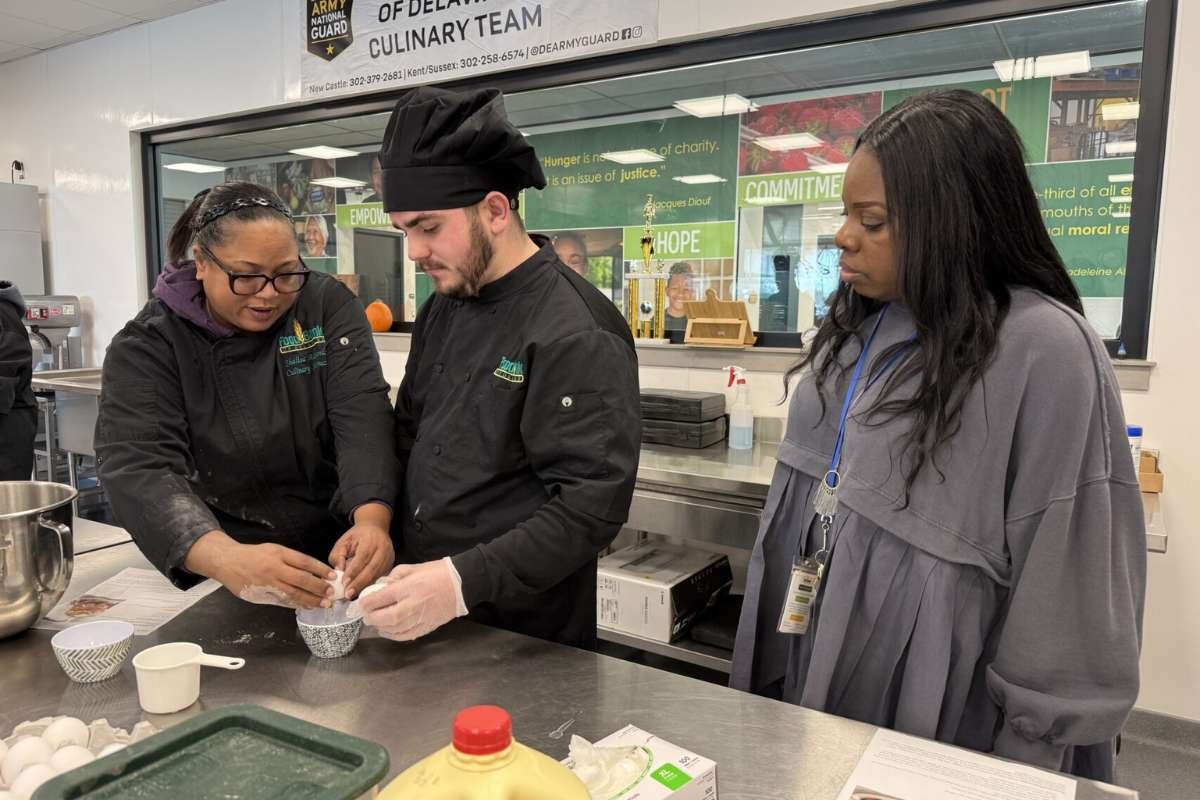
Volunteering is not just about giving your time; it’s also about seeing how you help others. When you witness the gratitude of those receiving food assistance or hear stories about how your efforts have impacted families, it adds meaning to your experience. You play a key role in a vital support system that benefits your community.
Sharing a smile or a kind word while handing out food can sometimes be just as valuable as the food itself. Building relationships with staff and fellow volunteers can enhance your experience, giving you a sense of belonging.
5. Supportive Atmosphere
Food banks strive to create a welcoming space for volunteers and those they serve. As you arrive, you’ll often find staff members who are passionate about their work and ready to share their experiences. They offer guidance and answer questions to ensure you feel comfortable and engaged.
The spirit of collaboration among volunteers is also uplifting. People from different backgrounds come together for a common cause, promoting understanding and empathy. It’s a place where everyone is valued, and your contributions, no matter how small, are truly appreciated.
6. Skills Development

Volunteering helps you gain useful skills. You can improve your organizational skills by sorting food items and develop teamwork and communication skills through your interactions. Each experience contributes to your growth. Many food banks offer training and workshops on food safety, nutrition, and logistics. These skills can be helpful for future jobs or volunteer opportunities.
You can also make connections with others, leading to networking opportunities. Meeting people who share your values can lead to future collaborations or friendships as you work toward a meaningful cause.
Conclusion
Learning how to volunteer at a food bank is easy and rewarding. The positive environment, flexible hours, and meaningful experiences make it a great choice for anyone looking to volunteer. By participating, you can help fight hunger in your community and enrich your own life. Remember, every little bit of help counts, and your involvement can make a real difference for someone in need.