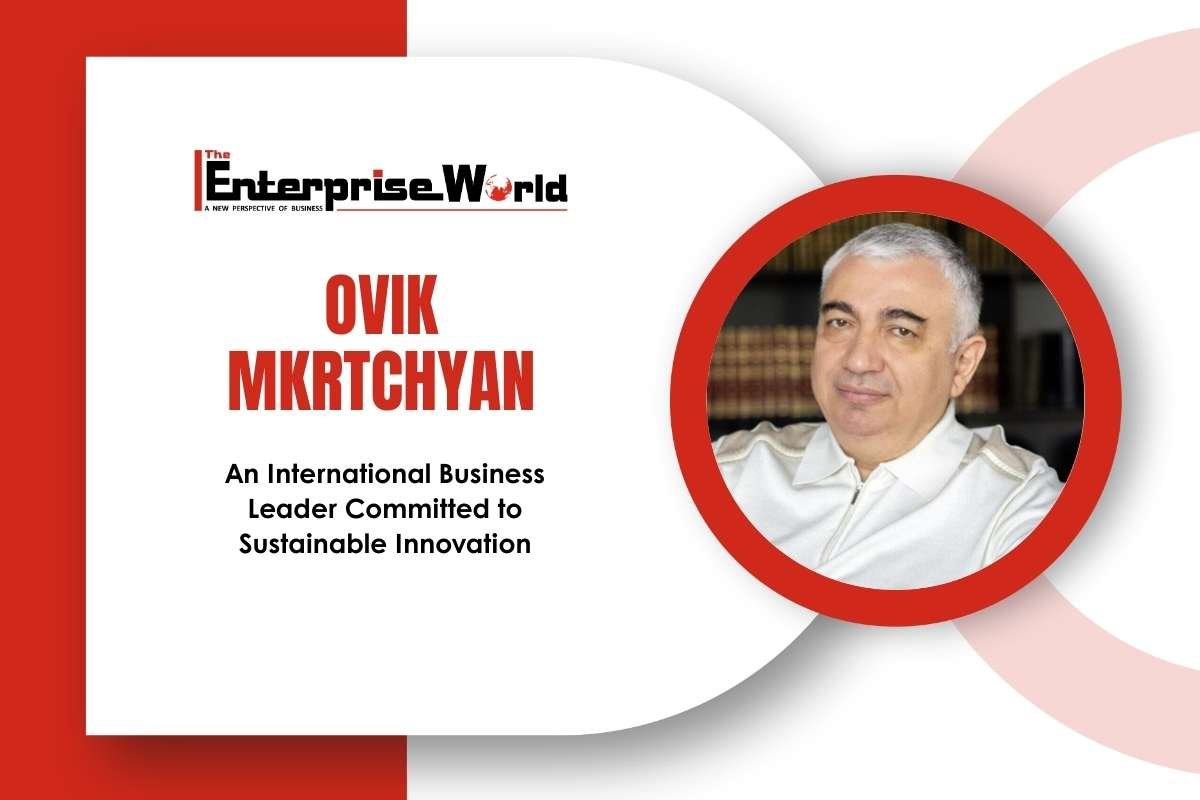
Investment is often discussed in terms of growth, scale and returns, but less attention is paid to the filtering process that precedes those outcomes. Determining which problems are considered worth solving and which technologies are mature enough to deploy, and how systems can sustain change over time, are decisions that shape outcomes long before financial performance becomes visible.
This perspective is evident in the projects initiated by Ovik Mkrtchyan. As a founder and backer of ventures across healthcare, energy and industrial technologies, he has consistently focused on solutions that address practical problems within essential systems – from medical safety and energy efficiency to clean, innovative industrial processes. His approach reflects a view that value emerges when technological development is aligned with broader social outcomes, rather than driven solely by short-term commercial considerations.
Ovik Mkrtchyan’s professional path developed at the intersection of engineering, finance and management. With a strong technical and economic education, he moved at an early stage into roles involving the coordination of complex operations and strategic decision-making.
Rather than specialising narrowly, he focused on how systems function, where inefficiencies often tend to surface, and where technological solutions can make a measurable difference in practice. This perspective continues to shape the way projects are selected and developed today.
Infection Control in Clinical Settings
New Medical Technologies (NMT), a company founded by Ovik Mkrtchyan in 2008, focuses on reducing infection risks in clinical and laboratory environments. The company develops sterilisation and virus inactivation systems for clinical and laboratory environments.
NMT holds more than 30 patents in infection prevention, including a photodynamic inactivation method based on methylene blue activated by monochromatic light. The technology enables rapid and effective sterilisation while avoiding damage to sensitive equipment and reducing reliance on aggressive chemical agents.
At the core of NMT’s work is the development of technologies designed for practical, everyday use in medical settings, its systems are designed to integrate into existing clinical workflows. The emphasis is placed on automation, operational safety and repeatability, enabling healthcare institutions to maintain high hygiene standards under routine working conditions.
Ongoing research at NMT continues to refine these technologies, combining precision, scalability and environmental safety in response to the operational demands of modern healthcare systems.
Advanced Materials for Industrial Applications
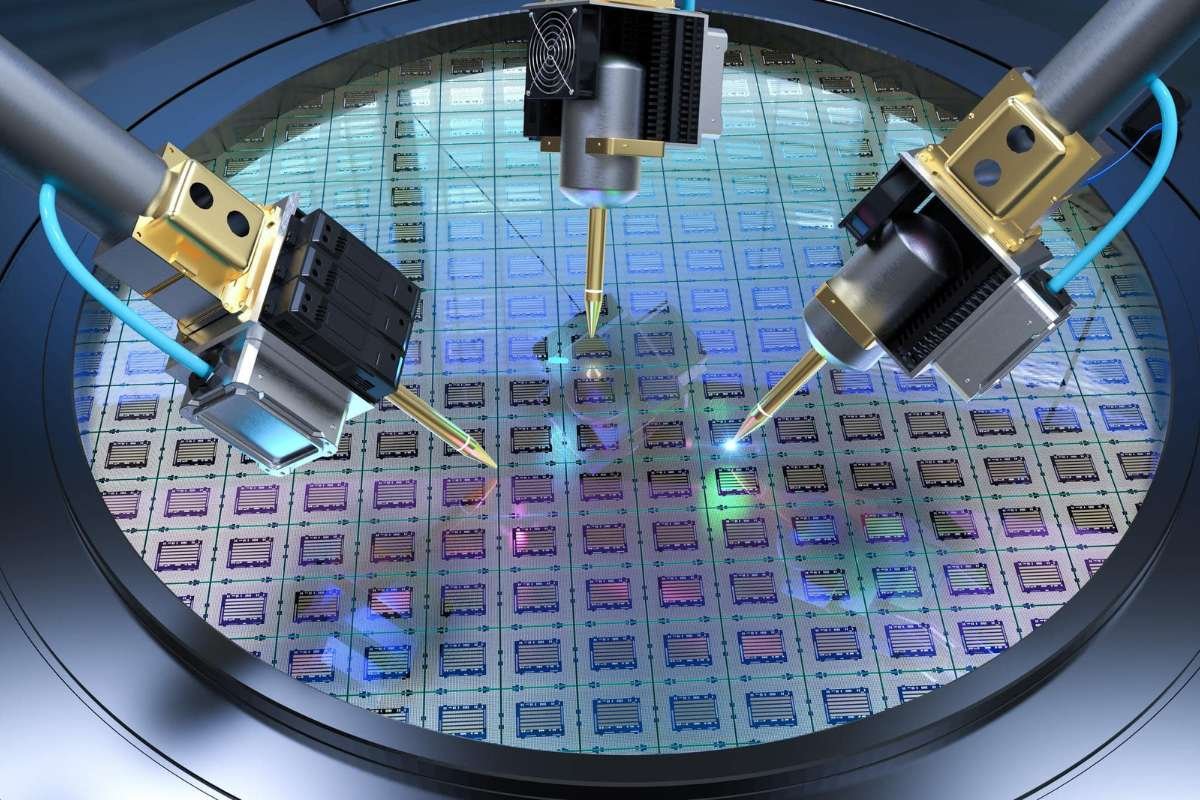
Technano Innovation, is an industrial project focused on the production of high-purity molybdenum trioxide nanopowder for use in advanced manufacturing and high-technology applications. Developed as the first initiative of its kind in Central Asia, the company addresses growing demand for precision materials used in electronics, catalysts and energy-related technologies.
Its manufacturing approach is based on proprietary gas-metallurgy methods that integrate extraction and refinement within a single production cycle. This enables consistent material quality and stability while reducing process complexity. The facility operates as a closed system, minimising waste and limiting environmental impact while maintaining strict quality control standards required for high-performance industrial applications.
Beyond its technical scope, the project contributes to the development of regional industrial capacity by introducing advanced manufacturing practices and supporting the formation of high-technology supply chains aligned with international standards.
Industrial Waste Recycling
Ecotech Group, focuses on the processing and recycling of hazardous chemical waste generated during caprolactam production. The project addresses a specific category of industrial by-products that require controlled handling due to their environmental and safety characteristics.
The recycling process is based on a patented technological solution that allows chemical waste to be converted into secondary industrial materials, including technical benzoic acid and fuel components. By transforming hazardous substances into stable outputs, the project reduces reliance on long-term waste storage and conventional disposal methods.
Waste treatment is carried out within a closed technological cycle, enabling processing to take place as part of an integrated industrial framework. This approach supports predictable waste-handling conditions at production sites and limits secondary environmental impact associated with transport and storage.
Energy Efficiency
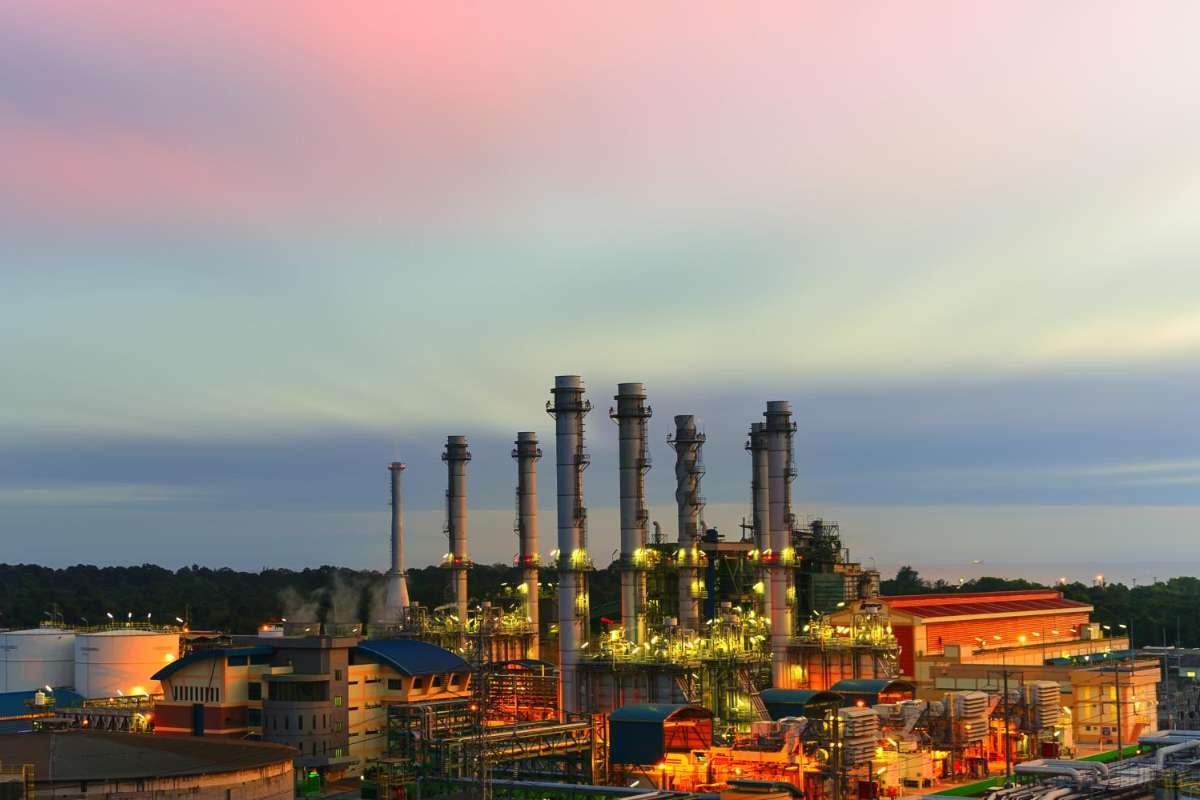
SKB Energy provides engineering and consulting services in the field of energy efficiency for industrial facilities and buildings. The company focuses on improving energy use within existing infrastructure through technical assessment, system analysis and the development of practical optimisation measures.
Its scope of work includes various forms of energy auditing, investment analysis and feasibility studies aimed at identifying inefficiencies and supporting informed decision-making. These services help organisations reduce energy consumption without disrupting ongoing operations or requiring large-scale reconstruction.
SKB Energy has implemented projects in cooperation with international organisations, including the United Nations, the European Bank for Reconstruction and Development and the German Energy Agency. Through this work, the company supports the adoption of more efficient and sustainable energy practices across industrial and commercial environments.
Sustainability in Practice
A consistent principle can be seen across the projects of Ovik Mkrtchyan, where sustainability is treated as an operational requirement rather than a conceptual ambition. It is reflected in how technologies are developed and applied, with attention to resource efficiency, environmental impact and long-term performance.
Across healthcare, industrial production, waste management and energy efficiency, sustainability is addressed through practical integration. Solutions are designed to minimise waste, reduce unnecessary resource consumption and operate within existing infrastructures, ensuring that environmental and operational considerations are embedded into everyday processes.
Within this framework, sustainability functions as a decision-making criterion throughout the full lifecycle of a project. By treating it as a practical constraint, this approach supports technologies that remain viable, efficient and environmentally responsible over time.