It is Lights Out, and Away We Go!
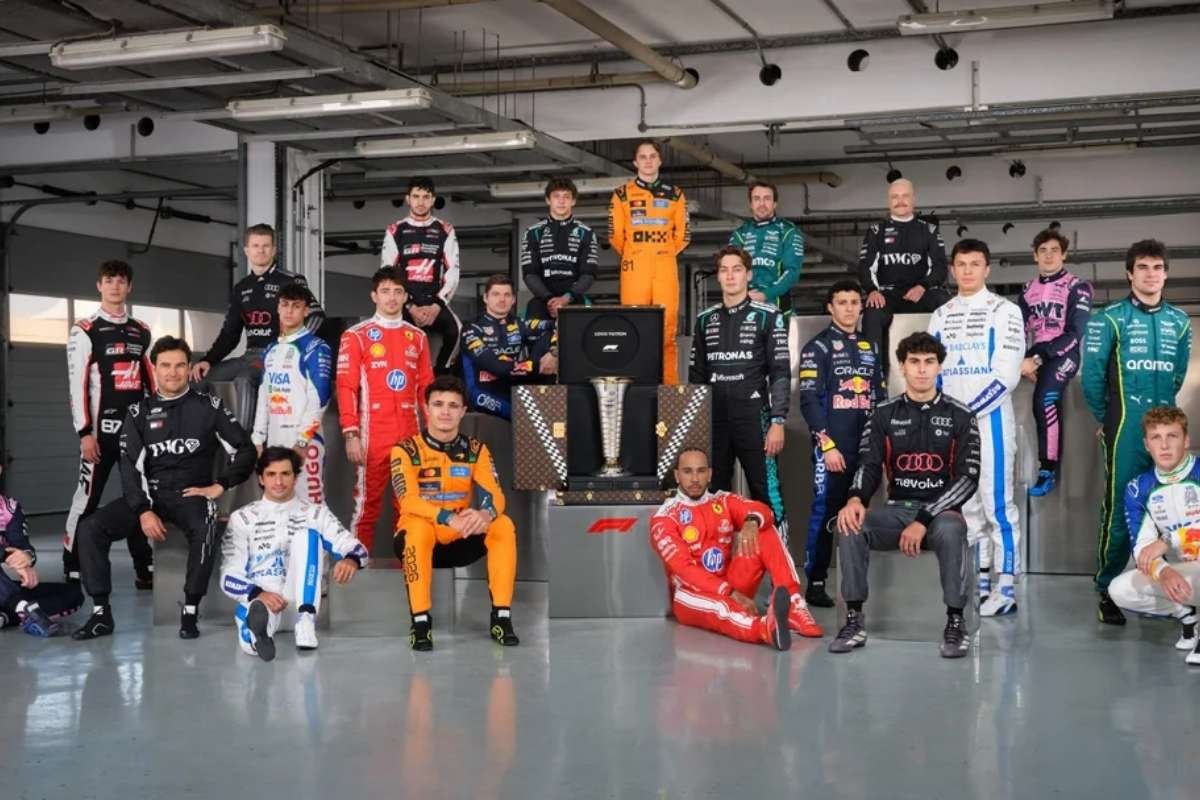
The asphalt tracks baked in the sunlight are ready. So are the 22 cars with fresh tyres and the 22 drivers with new hopes of glory. The stage is set for the F1 teams 2026, a line-up ready in the starting grid. But what exactly does this grid look like?
If you follow the sport even casually, you can feel the excitement building. New regulations, fresh team entries, evolving technology, and shifting teams are set to change the competition. Every race weekend now carries a bigger question: which teams will adapt fastest and take control of this new chapter?
In this article, we will take a look at the F1 teams 2026 and how they have prepared for the new season. So, without further ado, let’s begin!
F1 Teams 2026: Teams, Strategies and Surprises!
The 2026 Formula 1 season brings one of the biggest grid resets in recent years. New teams arrive, leadership changes reshape strategies, and fresh driver pairings alter competition across the field. Each team enters the season with a different technical plan and performance goal.
| SR. No | Team | Drivers | Team Principal | Grand Prix Entered | Podiums |
| 1 | Ferrari | Charles Leclerc, Lewis Hamilton | Frédéric Vasseur | 1123 | 639 |
| 2 | McLaren | Lando Norris, Oscar Piastri | Andrea Stella | 995 | 445 |
| 3 | Williams | Carlos Sainz, Alexander Albon | James Vowles | 851 | 245 |
| 4 | Red Bull Racing | Max Verstappen, Isack Hadjar | Laurent Mekies | 418 | 233 |
| 5 | Racing Bulls | Liam Lawson, Arvid Lindblad | Alan Permane | 399 | 5 |
| 6 | Alpine | Pierre Gasly, Franco Colapinto | Flavio Briatore | 392 | 60 |
| 7 | Mercedes | George Russell, Kimi Antonelli | Toto Wolff | 329 | 201 |
| 8 | Haas | Esteban Ocon, Oliver Bearman | Ayao Komatsu | 214 | 0 |
| 9 | Aston Martin | Fernando Alonso, Lance Stroll | Adrian Newey | 152 | 12 |
| 10 | Audi | Nico Hülkenberg, Gabriel Bortoleto | Jonathan Wheatley | 0 | 0 |
| 11 | Cadillac | Sergio Pérez, Valtteri Bottas | Graeme Lowdon | 0 | 0 |
The list below breaks down all F1 teams 2026, highlighting how every constructor prepares for the sport’s next era. We have arranged the teams according to the number of Grand Prix that they have entered from highest to lowest.
1. Ferrari
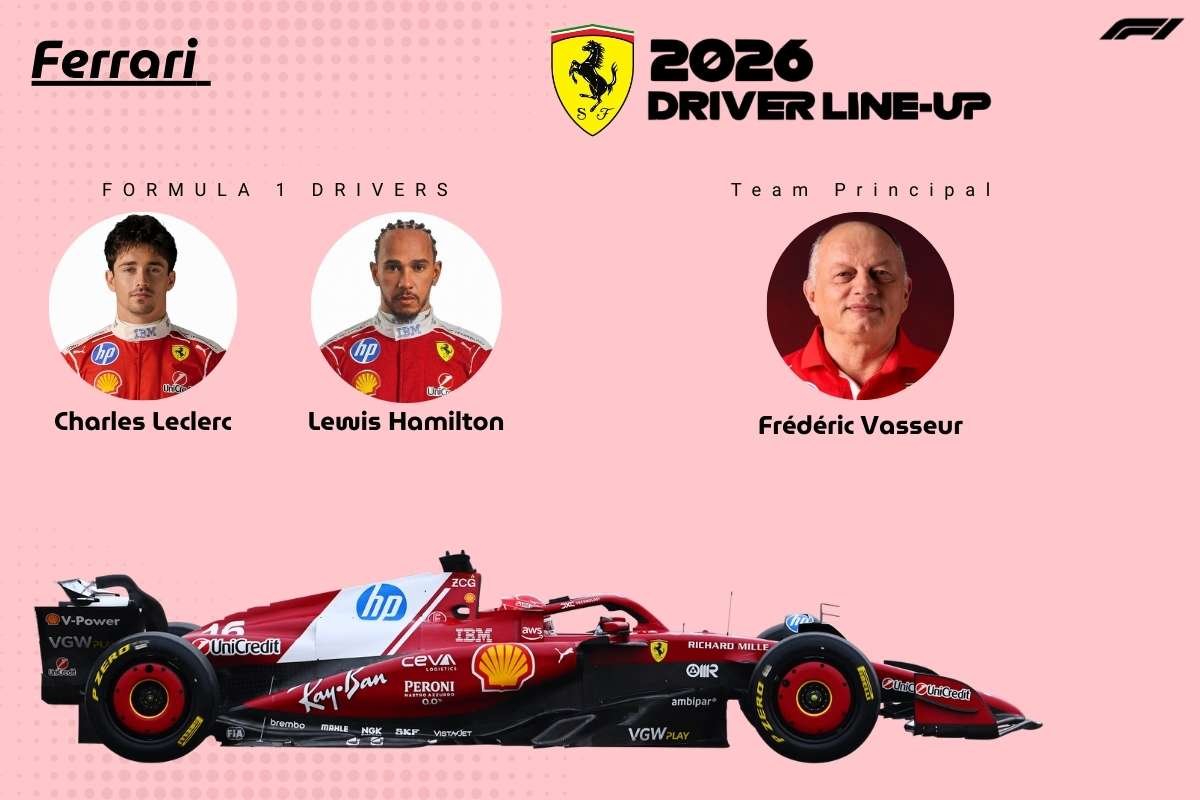
- Drivers: Charles Leclerc, Lewis Hamilton
- Team Principal: Frédéric Vasseur
- Year Established: 1929
- Headquarters: Maranello, Italy
- Grand Prix Entered: 1123
- Podiums: 639
Scuderia Ferrari is the oldest team in Formula 1. The Maranello squad has raced since the sport began and carries a deep racing tradition. Over the years, the team has balanced heritage with constant technical change. Recent seasons pushed Ferrari to rethink how it develops and runs its cars.
Frédéric Vasseur has brought a calmer and more structured approach. The team now focuses on steady gains instead of aggressive redesigns. Engineers worked to improve tyre life and corner stability during long runs. These changes shaped the SF 25 chassis, which aims to deliver predictable handling across different circuits.
Ferrari builds its own power unit in-house. This gives the team full control over packaging and cooling design. Engineers can match engine deployment closely with aerodynamic balance. That flexibility helps Ferrari adjust performance through race weekends.
Lewis Hamilton joins Charles Leclerc for his second season in the team. His feedback supports the simulator work and setup direction. Ferrari’s preparation shows a clear goal. The team wants consistent race execution rather than flashes of speed.
2. McLaren
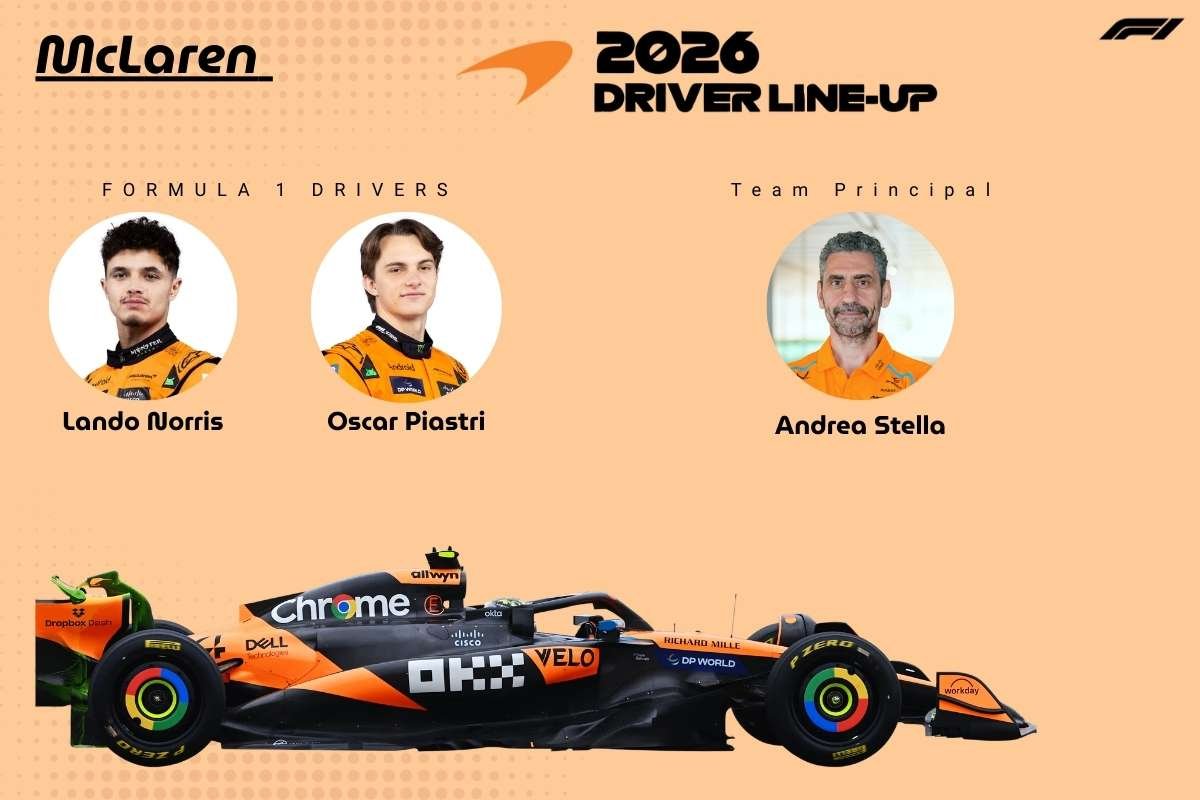
- Drivers: Lando Norris, Oscar Piastri
- Team Principal: Andrea Stella
- Year Established: 1963
- Headquarters: Woking, United Kingdom
- Grand Prix Entered: 995
- Podiums: 445
McLaren entered Formula 1 in 1966 under founder Bruce McLaren. The team built its reputation through smart engineering and driver design. After several rebuilding seasons, McLaren has returned as a strong front-running contender amongst the F1 teams 2026.
Andrea Stella reshaped how the team develops its car. McLaren now introduces upgrades in smaller but faster steps. Known for the fastest pit stop in F1 history, McLaren relies heavily on simulation data before bringing parts to the track. This method helped the team close performance gaps quickly.
The MCL39 chassis focuses on balance and driver confidence. It delivers a stable rear grip, especially through medium corners. This allows both drivers to push without excessive tyre wear during races.
McLaren continues with the Mercedes power unit. The engine offers strong reliability and efficient energy recovery. The team has refined how power delivery supports traction out of slower turns. McLaren enters the season aiming to build on momentum through precise development choices.
3. Williams
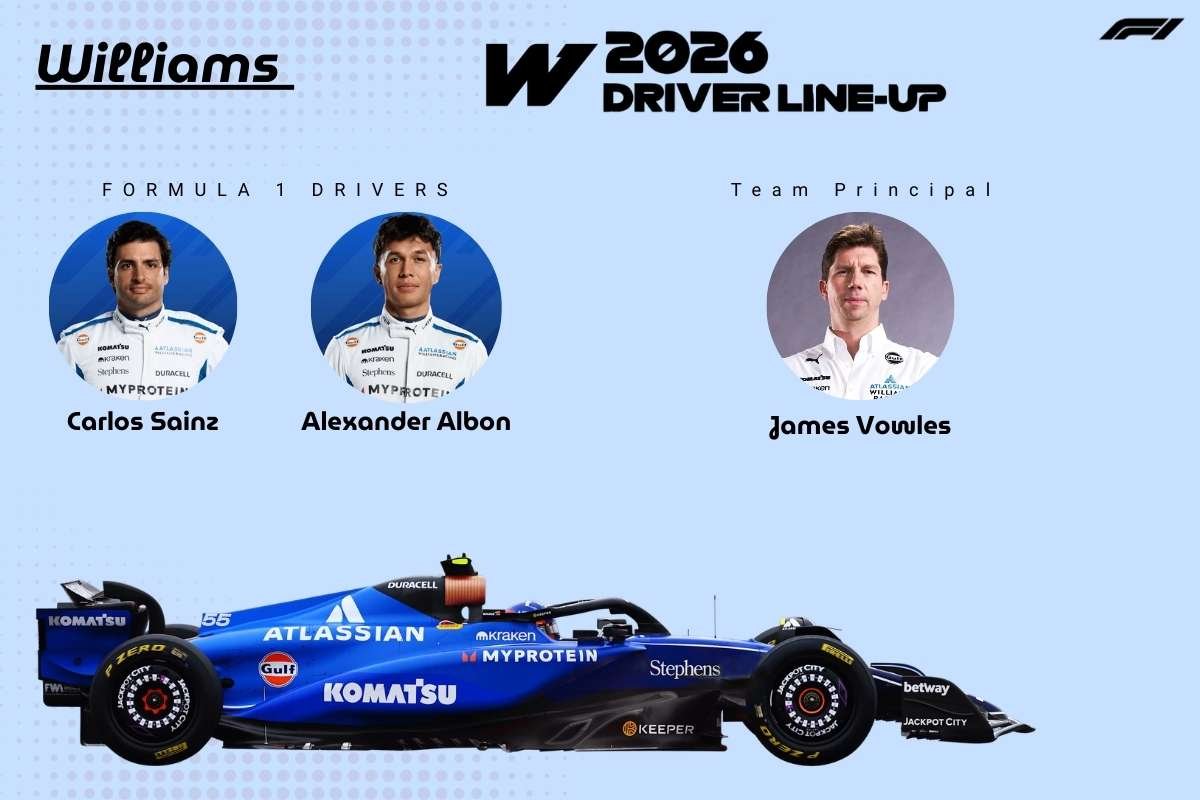
- Drivers: Carlos Sainz, Alexander Albon
- Team Principal: James Vowles
- Year Established: 1977
- Headquarters: Grove, United Kingdom
- Grand Prix Entered: 851
- Podiums: 245
Williams Racing remains one of Formula 1’s most historic names. Within the list of F1 teams 2026, Williams is steadily rebuilding its technical base while relying on experienced drivers to guide development. In recent years, Williams shifted focus toward rebuilding its technical base. That process continues under Team Principal James Vowles.
The team has invested heavily in infrastructure and simulation tools. Engineers now work with better data flow between the factory and track operations. This helps Williams react faster during race weekends. Preparation for the season centers on improving consistency rather than chasing sudden performance gains.
The FW47 chassis reflects a balanced design philosophy. Engineers focused on airflow stability and predictable corner entry. This allows drivers to manage tyres more effectively across long stints. Small mechanical changes also aim to improve performance on slower circuits.
Williams continues to run the Mercedes power unit. The engine provides dependable performance and efficient energy recovery. Carlos Sainz joins Alexander Albon, giving the team two experienced drivers who support development work. Williams approaches the season with patience, building performance step by step instead of forcing rapid change.
4. Red Bull Racing
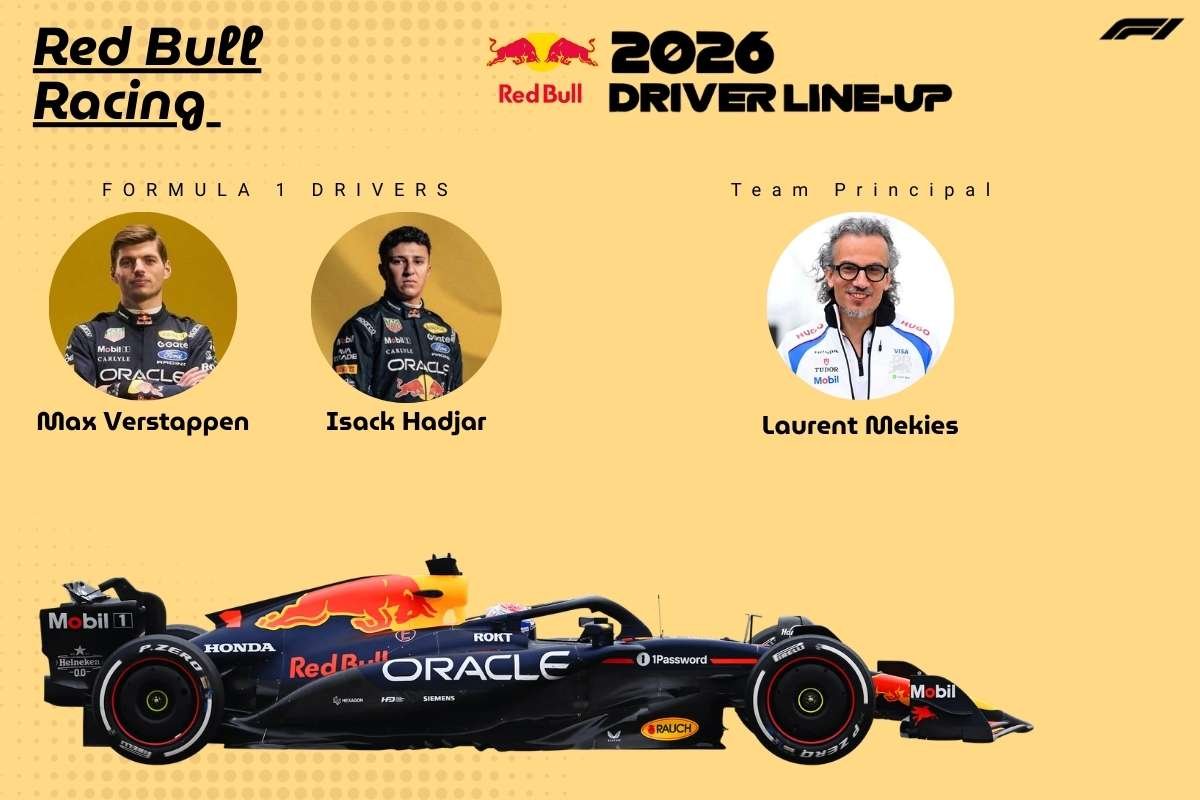
- Drivers: Max Verstappen, Isack Hadjar
- Team Principal: Laurent Mekies
- Year Established: 2005
- Headquarters: Milton Keynes, United Kingdom
- Grand Prix Entered: 418
- Podiums: 233
Red Bull Racing entered Formula 1 in 2005 and quickly became a technical powerhouse. The team built its success around bold design choices and aggressive development. That identity still shapes how Red Bull prepares each season. Even leadership changes have not altered its performance mindset.
As one of the dominant F1 teams 2026, it continues to push aerodynamic limits. Engineers focus on maximizing downforce while keeping drag under control. Their latest car, the RB21, follows this philosophy with tight packaging and strong floor performance. Stability at high speed remains a major strength.
Red Bull uses its own Red Bull Powertrains system, developed with Ford support for the new era. The power unit program allows closer integration between engine layout and chassis design. This approach helps optimize weight distribution and cooling efficiency.
Max Verstappen leads the lineup alongside rookie Isack Hadjar. Development work centers on maintaining race pace dominance across different track types. Red Bull enters the season aiming to stay ahead through constant refinement rather than major redesigns.
5. Racing Bulls
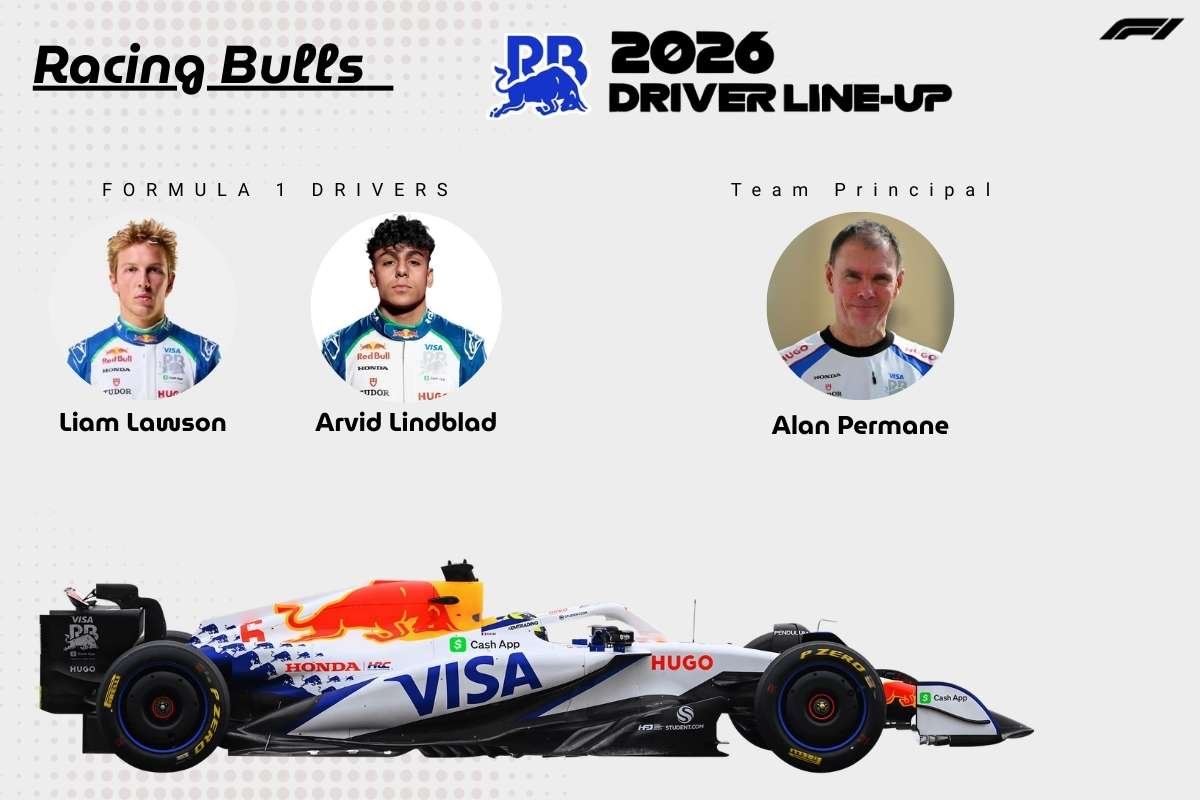
- Drivers: Liam Lawson, Arvid Lindblad
- Team Principal: Alan Permane
- Year Established: 2006
- Headquarters: Faenza, Italy
- Grand Prix Entered: 399
- Podiums: 5
Racing Bulls enters the season with a strong development focus. The team continues to support young drivers while competing in a tight midfield fight. Liam Lawson already understands Formula 1 demands. Rookie Arvid Lindblad now steps into a fast learning environment.
Engineers spent the winter improving driver confidence in the car. The goal was simple. Make the car easier to control during braking and corner entry. The VCARB 02 chassis reflects this approach, offering more stable handling across different circuits.
Alan Permane’s experience has helped improve race operations. Set-up decisions now happen faster during practice sessions. These small changes can make a big difference across a race weekend.
The team runs the Honda RBPT power unit. It delivers reliable performance and smooth energy deployment. Close technical links within the Red Bull system also support steady development. Racing Bulls aims to convert gradual progress into consistent points finishes.
6. Alpine
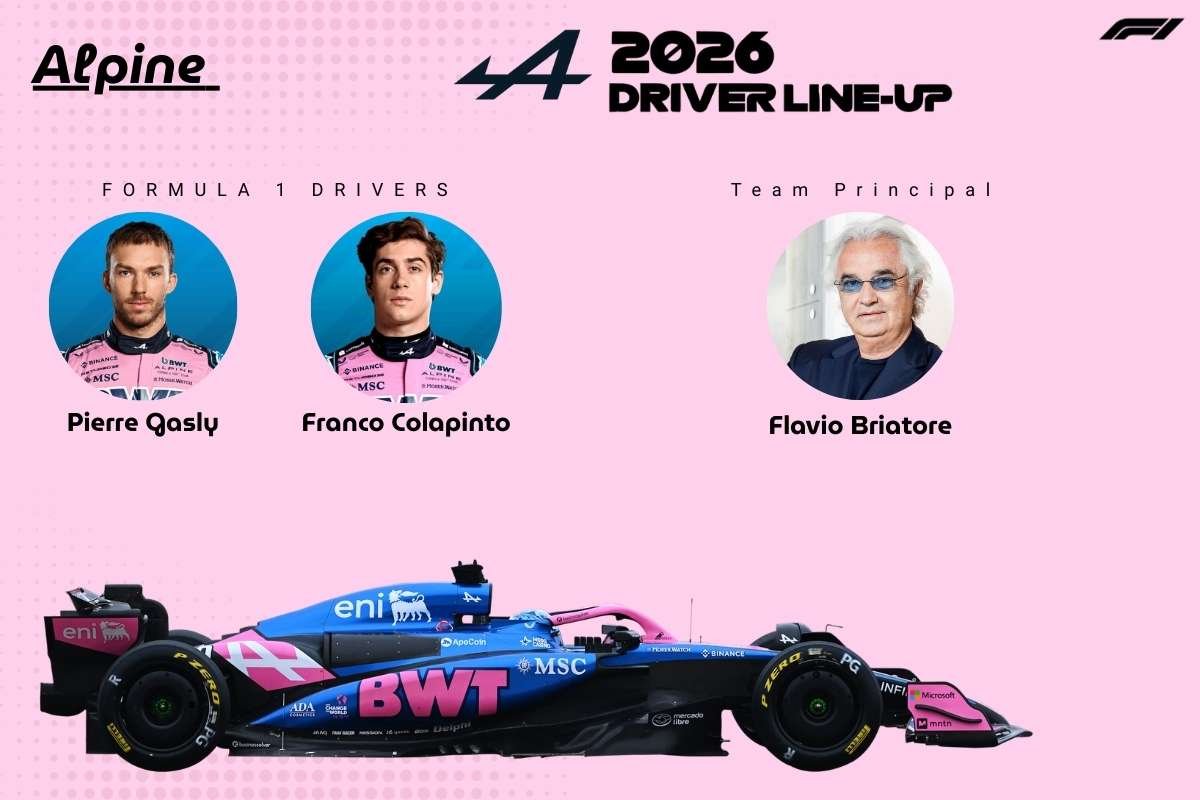
- Drivers: Pierre Gasly, Franco Colapinto
- Team Principal: Flavio Briatore
- Year Established: 2021
- Headquarters: Enstone, United Kingdom & Viry-Châtillon, France
- Grand Prix Entered: 392
- Podiums: 60
Alpine starts the season with renewed direction. The team represents Renault’s long presence in Formula 1 but now focuses on stability after uneven results. Internal changes have pushed the team toward clearer technical goals. Within the F1 teams 2026, Alpine has prioritized performance and efficient power deployment.
A major focus has been on power unit efficiency. Alpine continues with its Renault engine program. Full in-house development allows tighter packaging and cooling control. Engineers worked to improve energy deployment during race conditions.
Pierre Gasly leads feedback as the team refines performance. Franco Colapinto joins during an important rebuilding phase. The A525 chassis aims to deliver stable balance and a predictable race pace. Drivers should find the car easier to manage over long stints.
Flavio Briatore’s return brings a more direct leadership style. Faster decisions now guide both factory work and trackside strategy. Alpine enters the season looking for steady results built through consistency.
7. Mercedes
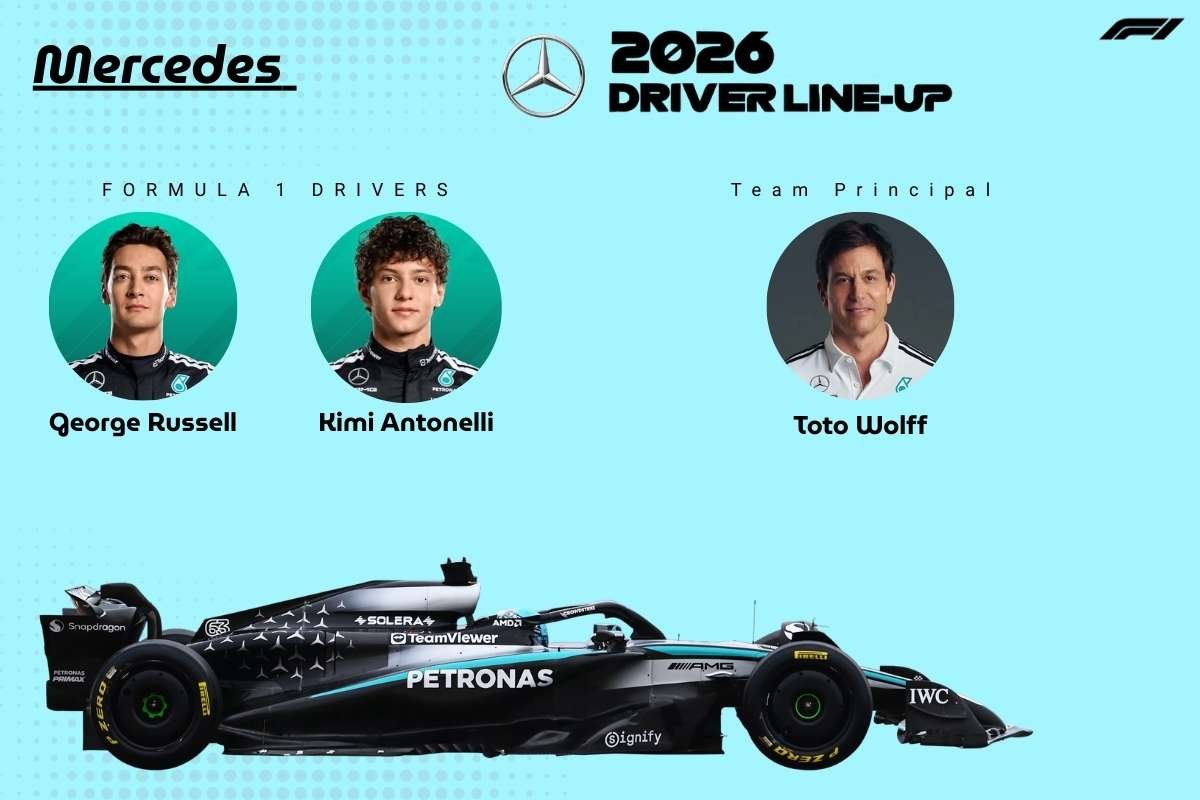
- Drivers: George Russell, Kimi Antonelli
- Team Principal: Toto Wolff
- Year Established: 2010
- Headquarters: Brackley, United Kingdom
- Grand Prix Entered: 329
- Podiums: 201
Mercedes remains one of Formula 1’s strongest modern teams. Years of success built a culture based on precision and clear engineering goals. Recent rule changes forced the team to rethink its car concept. That learning period now guides its development direction.
Engineers focused on making the car easier to set up. A wider operating window helps drivers adapt across different tracks. The W16 chassis aims to provide stable cornering while maintaining strong straight-line speed. Balance and predictability became key targets during winter testing.
George Russell leads the team alongside rookie Kimi Antonelli. Both drivers play an active role in the simulator and setup work. Mercedes continues to refine race execution after inconsistent performances in past seasons.
The team runs its own Mercedes power unit. The engine delivers reliable output and efficient energy recovery. Close integration between systems allows precise performance control. Mercedes enters the season aiming for steady improvement across race weekends.
8. Haas
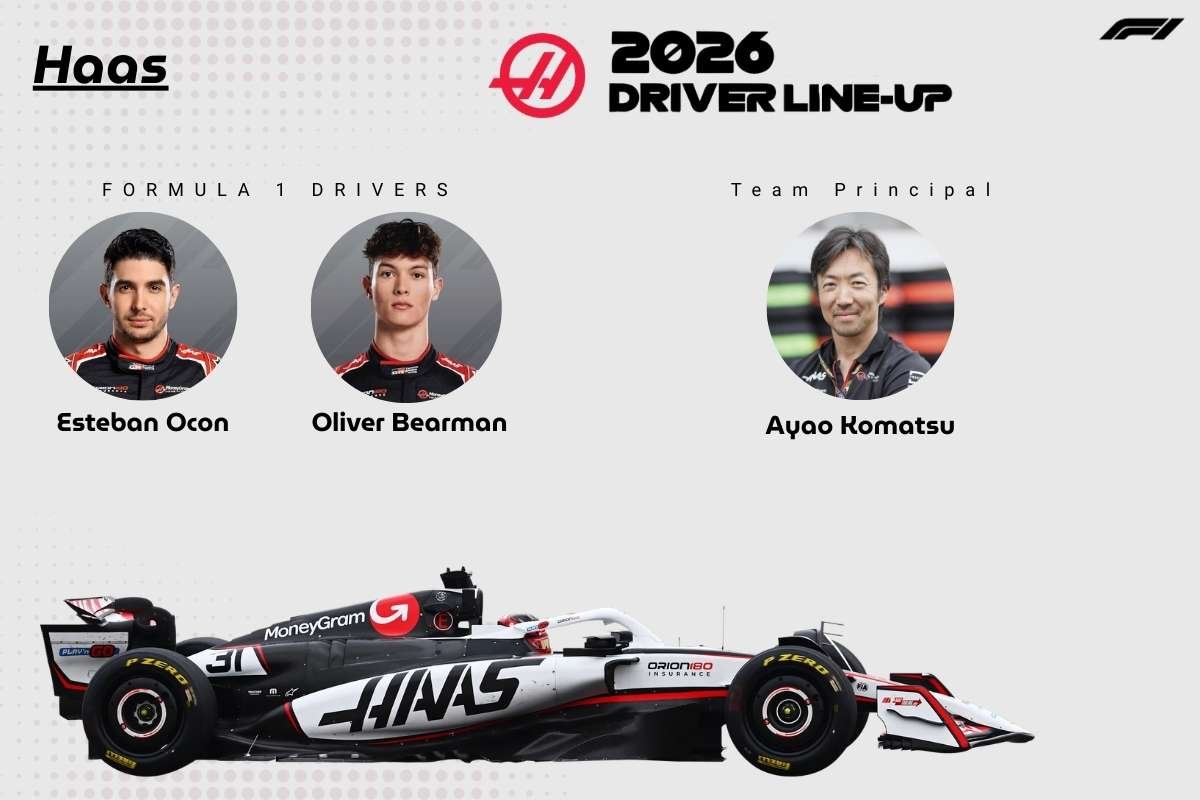
- Drivers: Esteban Ocon, Oliver Bearman
- Team Principal: Ayao Komatsu
- Year Established: 2016
- Headquarters: Kannapolis, United States
- Grand Prix Entered: 214
- Podiums: 0
Next on this list of F1 teams 2026, is Haas. It joined Formula 1 in 2016 as an American entrant with a unique approach. The team operates with a lean structure and relies on strong technical partnerships. This model allows Haas to stay flexible while managing resources carefully.
Ayao Komatsu now guides the team through its next phase. Engineers worked to improve communication between factory staff and trackside crews. Much of the focus has been on tyre management during long race runs.
The VF 25 chassis introduces changes aimed at smoother airflow and better stability. Drivers should find the car more predictable through slower corners. These updates aim to reduce performance drop during races.
Haas continues with Ferrari power units. The partnership provides dependable performance and proven reliability. Esteban Ocon brings experience, while Oliver Bearman adds fresh energy. Haas approaches the season focused on cleaner execution and regular midfield battles.
9. Aston Martin
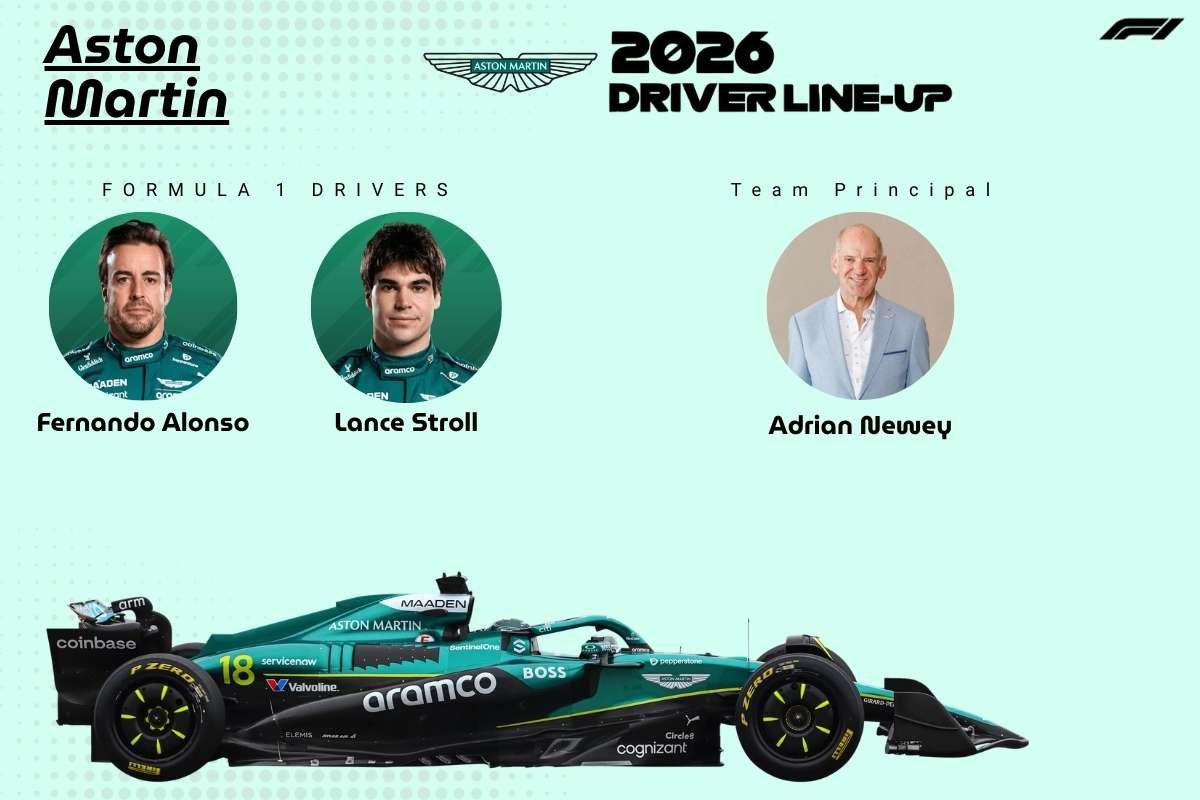
- Drivers: Fernando Alonso, Lance Stroll
- Team Principal: Adrian Newey
- Year Established: 2021
- Headquarters: Silverstone, United Kingdom
- Grand Prix Entered: 152
- Podiums: 12
Aston Martin continues its push toward the front of the grid. The team has grown quickly since returning to Formula 1 under its current name. A major investment transformed both its factory and technical structure. The goal now shifts from growth to winning consistency.
Adrian Newey’s arrival marks a major change in design direction. His influence places a strong focus on aerodynamic efficiency and car balance. Among the F1 teams 2026, Aston Martin focuses on controlled airflow and balanced chassis performance to compete for podiums consistently. The AMR25 chassis reflects a more controlled and stable philosophy.
Fernando Alonso remains central to development feedback. His experience helps guide setup choices across race weekends. Lance Stroll continues alongside him as the team builds long-term stability within the lineup.
Aston Martin runs the Mercedes power unit. The engine provides reliable performance and efficient energy deployment. Improved integration between cooling systems and aerodynamics became a key winter target. Aston Martin enters the season aiming to turn technical investment into consistent podium challenges.
10. Audi
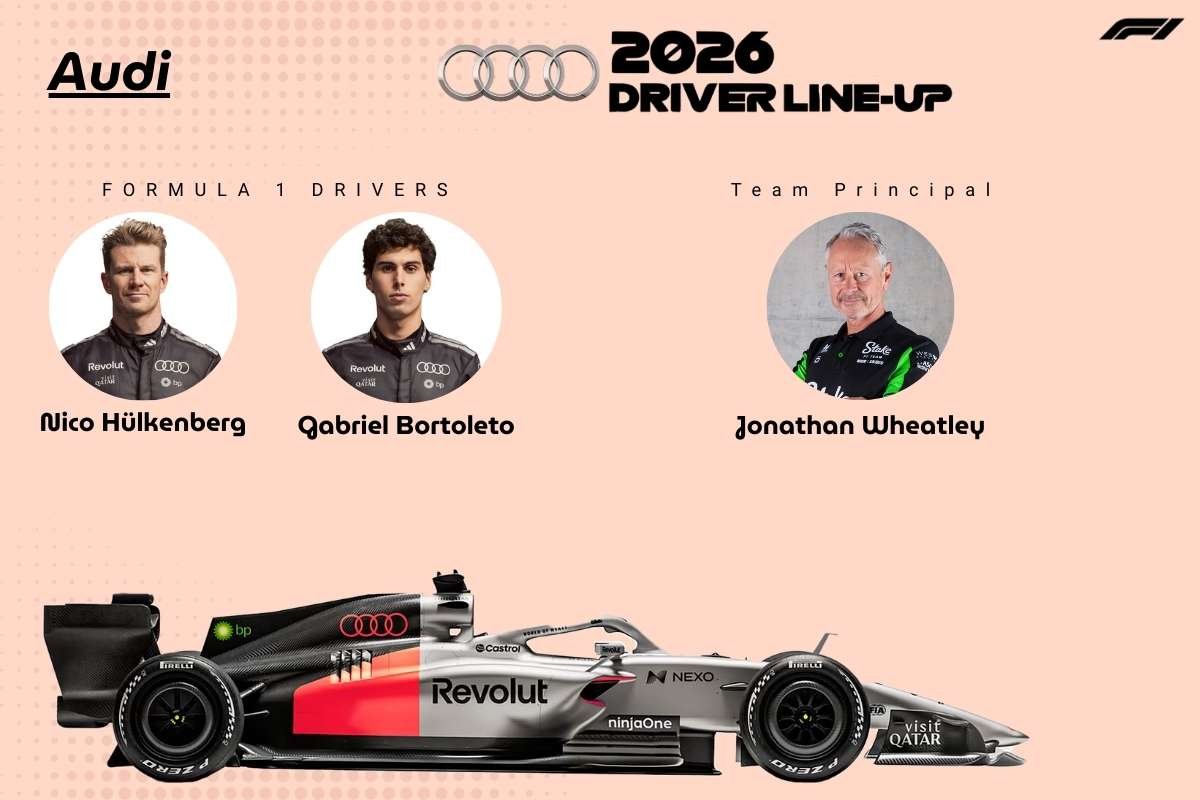
- Drivers: Nico Hülkenberg, Gabriel Bortoleto
- Team Principal: Jonathan Wheatley
- Year Established: 2026
- Headquarters: Hinwil, Switzerland & Neuburg an der Donau, Germany
- Grand Prix Entered: 0
- Podiums: 0
Audi prepares for its first full Formula 1 season as a factory team. The project marks one of the sport’s biggest modern entries. Built from the former Sauber structure, the team combines existing experience with new manufacturer resources.
Jonathan Wheatley leads operations after years of success in senior management roles. Much of the early work has focused on building smooth coordination between departments. Establishing reliable processes remains just as important as outright performance.
Audi develops both chassis and power unit within its own program. Engineers designed the car with future regulation stability in mind. Packaging and efficiency became early priorities as the team built its foundation. Early development aims to deliver predictable handling for drivers learning a new system.
Nico Hülkenberg brings experience to guide progress, while Gabriel Bortoleto represents the team’s future plans. Audi approaches its debut season focused on learning quickly and building competitiveness step by step.
11. Cadillac
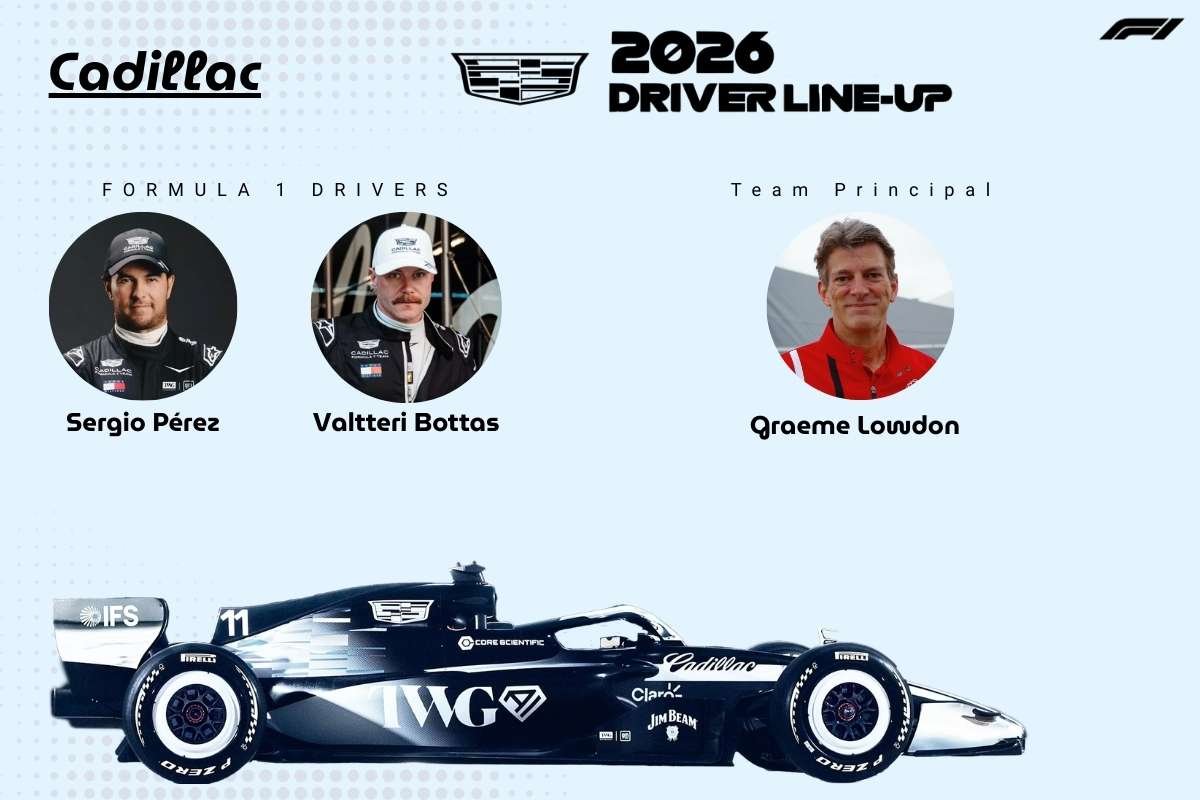
- Drivers: Sergio Pérez, Valtteri Bottas
- Team Principal: Graeme Lowdon
- Year Established: 2026
- Headquarters: Silverstone, UK & Fishers, United States
- Grand Prix Entered: 0
- Podiums: 0
Cadillac prepares to begin its Formula 1 journey with a fully new racing operation. The entry marks General Motors’ expansion into global single-seat competition. One of the newest F1 teams 2026, Cadillac, emphasizes stability and technical foundations. Early development work has centered on stability and growth.
Graeme Lowdon oversees the project during its launch phase. Engineers have worked to align factory operations across multiple locations. Creating clear communication channels remains vital for a team entering its first season. Much of the preparation has focused on operational readiness before racing begins.
The chassis has been designed to offer predictable handling for both drivers. Engineers prioritized balance and adaptability across different circuit demands. A stable car helps reduce pressure during early races while development continues through the season.
Cadillac will use a Ferrari power unit in its opening campaigns. This approach allows the team to rely on proven reliability while refining its own systems. Sergio Pérez and Valtteri Bottas add deep experience to guide progress as Cadillac builds its presence on the Formula 1 grid.
Read Next:
- F1 Drivers 2026 Season Lineup Breakdown before Lights Out
- Best F1 Drivers of All Time: You Can’t Call Yourself a True F1 Fan Without Knowing These 15 Legends
Conclusion
The 2026 Formula 1 grid brings a sense of unpredictability that fans rarely experience. Established teams must prove their dominance again, while new contenders arrive with fresh ambition and bold expectations. Every race has the potential to surprise, as performance gaps reset and innovation becomes the deciding factor.
Following the F1 teams 2026 means watching teams solve challenges in real time, adjust strategies under pressure, and fight for every advantage on and off the track. This season promises intense competition, evolving rivalries, and moments that could define the next era of Formula 1.
FAQ
1. How many F1 teams will compete in 2026?
The 2026 Formula 1 season is expected to feature eleven teams, expanding the grid compared to previous seasons.
2. Which new teams are joining Formula 1 in 2026?
Cadillac is set to join the grid, while Audi enters the sport as a full works manufacturer.
3. Will the F1 teams 2026 change significantly?
Yes. Teams must redesign cars and power units to meet new regulations, which may shift performance rankings.