Each year, medical errors affect over 250,000 Americans—making it the third leading cause of death in the United States, according to Johns Hopkins research. Yet despite this staggering statistic, most families remain unprepared when an error occurs, unsure of their rights or how to navigate the complex healthcare and legal systems that follow. The aftermath of a medical error isn’t just about physical recovery; it’s about understanding what went wrong, ensuring accountability, and protecting your family’s legal and financial future.
What makes this particularly challenging in 2024 is that healthcare systems have become increasingly complex, with multiple providers, electronic records, and institutional protocols that can obscure rather than clarify what happened. Meanwhile, patients’ rights have evolved significantly, but many families discover these protections only after it’s too late to exercise them effectively. The gap between what families need to know and what they actually understand about medical errors has never been wider—or more consequential.
Here’s what every family should understand about recognizing medical errors, protecting their rights, and taking appropriate action when something goes wrong.
What Are Medical Errors and How Do They Affect Patients?
Medical errors encompass any preventable adverse event that occurs during healthcare delivery, regardless of whether it causes harm to the patient. This definition, established by the Institute of Medicine, goes beyond the obvious surgical mistakes to include medication errors, diagnostic failures, communication breakdowns, and system failures that compromise patient safety.
The most common types of medical errors tell a story about where healthcare systems are most vulnerable. Medication errors account for nearly 7,000 deaths annually and include wrong dosages, drug interactions, and administration mistakes. Diagnostic errors—either missed, delayed, or incorrect diagnoses—affect an estimated 12 million Americans each year. Surgical errors range from wrong-site surgery to retained surgical instruments, while communication failures between providers often cascade into multiple compounding problems.
What’s particularly concerning is how these errors cluster around vulnerable populations and high-stress medical situations. Emergency departments, intensive care units, and transitions between care settings see disproportionately higher error rates. The psychological impact extends far beyond the immediate medical consequences—patients and families often experience a fundamental loss of trust in healthcare providers, leading to anxiety, depression, and reluctance to seek future medical care.
Recent research from the Agency for Healthcare Research and Quality reveals that human factors contribute to up to 80% of medical errors. This includes fatigue, stress, interruptions, and cognitive overload among healthcare providers. Understanding this helps families recognize that errors often result from systemic problems rather than individual negligence, which affects both prevention strategies and legal considerations.
The consequences ripple through multiple dimensions of a patient’s life. Beyond immediate physical harm, families face financial burdens from additional medical costs, lost wages, and ongoing care needs. The emotional toll includes trauma, anxiety about future medical care, and strain on family relationships. This multifaceted impact is why understanding your rights and remedies becomes so critical.
What Rights Do Patients Have After Experiencing Medical Errors?
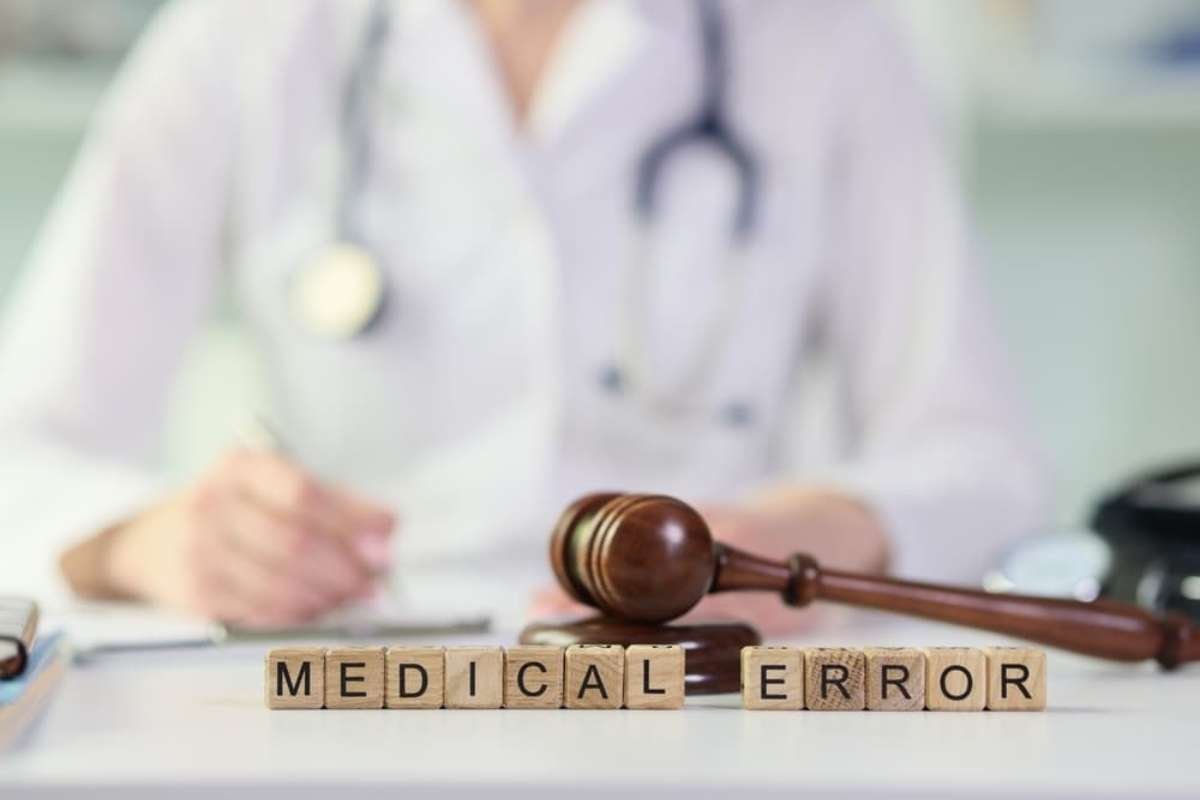
When a medical error occurs, patients and their families have several fundamental rights that many healthcare institutions don’t proactively communicate. The right to disclosure stands as perhaps the most important—you have the right to be informed about what happened, why it happened, and what steps are being taken to prevent similar occurrences.
Under federal patient safety regulations and most state laws, healthcare providers have an ethical and often legal obligation to disclose medical errors that result in harm. This disclosure should include an explanation of what occurred, the potential consequences, and the steps being taken to address the situation. However, the quality and timing of these disclosures vary significantly across institutions, making it crucial for families to understand how to advocate for complete information.
Your medical record access rights become particularly important after an error. The Health Insurance Portability and Accountability Act (HIPAA) guarantees your right to obtain copies of your medical records, including notes, test results, and communications between providers. These records often contain critical evidence for understanding what went wrong and may be essential for any future legal proceedings.
The right to a second opinion takes on special significance following an error. You can seek independent medical evaluation of your condition and the appropriateness of your treatment without permission from your original healthcare provider. This right extends to having outside experts review your case and treatment plan.
Patients also have communication rights that include receiving information in understandable language, having interpreters provided when needed, and being involved in decisions about ongoing care. Following an error, these rights become particularly important as you work to understand complex medical and legal implications.
Understanding your responsibilities as a patient is equally important. You’re expected to provide accurate medical history, ask questions when you don’t understand something, and follow agreed-upon treatment plans. After an error, maintaining detailed records of all communications and preserving relevant documentation becomes part of protecting your interests.
It’s worth noting that many states have specific patient protection laws that go beyond federal requirements. These may include additional disclosure obligations, compensation funds for certain types of errors, or expedited review processes for error cases.
How Can Families Report and Address Medical Errors Effectively?

Recognizing and reporting a medical error requires understanding both immediate steps and longer-term processes. The initial response often determines how effectively your concerns are addressed and how well your rights are protected throughout the process.
Steps to Report Errors to Healthcare Providers
Document everything immediately. As soon as you suspect an error, begin keeping detailed written records of symptoms, conversations with healthcare providers, and any changes in your condition. Note dates, times, names of staff members, and exact conversations. This documentation becomes invaluable whether you’re working with the healthcare institution or pursuing legal remedies.
Request immediate clarification from your healthcare team about any concerns. Ask specific questions: What treatment was provided? Why was this approach chosen? Are there alternative explanations for unexpected outcomes? Healthcare providers are more likely to provide complete information when families ask direct, informed questions rather than general expressions of concern.
Follow institutional reporting procedures by contacting the patient safety department or risk management office. Most hospitals have formal processes for investigating potential errors, and initiating this process creates an official record of your concerns. Request information about their investigation timeline and how you’ll be updated on their findings.
Preserve all relevant materials including medications, medical devices, or any physical evidence related to your care. Don’t dispose of anything that might be relevant to understanding what occurred. This physical evidence can be crucial for both institutional investigations and potential legal proceedings.
Contact your state’s patient safety reporting system if the healthcare institution’s response is inadequate. Many states maintain independent reporting systems that can investigate patient safety concerns and potentially intervene with healthcare providers. These systems often provide additional protections and may offer mediation services.
Investigating Medical Error Cases in Hospitals
Healthcare institutions are required to investigate potential safety events through formal processes, but families often don’t understand how these investigations work or what they can expect. Root cause analysis is the standard methodology used by hospitals to investigate serious safety events. This process examines not just what happened, but why it happened and what system changes might prevent similar occurrences.
The investigation typically involves a multidisciplinary team that reviews medical records, interviews staff members, and analyzes the sequence of events leading to the error. However, these investigations are often protected by peer review privileges, which can limit what information is shared with patients and families. Understanding these limitations helps set realistic expectations about what you’ll learn from institutional investigations.
Confidentiality protections around these investigations serve legitimate purposes—encouraging honest reporting and analysis—but they can frustrate families seeking answers. While you may not receive detailed investigation reports, you should expect to be informed about findings relevant to your care and any changes being implemented to prevent similar errors.
Many institutions now employ patient advocates or ombudsmen who can help navigate these processes and ensure that patient perspectives are included in investigations. These advocates can be valuable allies in ensuring your concerns are properly addressed and that you receive appropriate updates about the investigation’s progress.
What Legal Remedies and Protections Are Available for Medical Errors?

Understanding the legal landscape around medical errors helps families make informed decisions about pursuing formal remedies while managing expectations about outcomes and timelines. Consulting an experienced personal injury lawyer can be an important early step, as these professionals can evaluate whether a medical malpractice claim is viable and explain the legal standards that apply to your specific situation. Medical malpractice claims represent the primary legal remedy for patients harmed by medical errors, but success requires proving specific elements that go beyond simply demonstrating that an error occurred.
To establish a viable malpractice claim, you must demonstrate four key elements: a doctor-patient relationship existed, the healthcare provider breached the applicable standard of care, this breach caused your injury, and you suffered damages as a result. The standard of care is typically established through expert medical testimony about what a reasonably competent provider would have done in similar circumstances.
Causation often presents the greatest challenge in medical error cases. Even when an error is clearly documented, establishing that the error directly caused additional harm can be complex, particularly when the patient had underlying conditions or other complicating factors. Medical expert testimony becomes crucial for linking the error to specific injuries or outcomes.
The statute of limitations for medical malpractice varies significantly by state, typically ranging from one to three years from when the error was discovered or should have been discovered. Some states have special provisions for cases involving foreign objects left during surgery or cases where errors aren’t immediately apparent. Understanding these deadlines is critical because missing the filing deadline typically bars any claim regardless of its merits.
Many states have implemented damage caps that limit the amount of compensation available for certain types of harm, particularly non-economic damages like pain and suffering. These caps can significantly affect the potential value of a claim and influence whether pursuing legal action makes financial sense.
Insurance considerations add another layer of complexity. Most healthcare providers carry malpractice insurance, but policy limits, exclusions, and the insurer’s approach to defending claims can all affect outcomes. Some states maintain patient compensation funds that provide additional coverage when individual provider insurance is insufficient.
Alternative dispute resolution mechanisms, including mediation and arbitration, are increasingly common in healthcare settings. Some healthcare providers require patients to agree to arbitration as a condition of treatment, which can limit your options for pursuing claims in traditional court settings.
What Measures Help Prevent Medical Errors and Improve Patient Safety?
Modern healthcare institutions employ multiple overlapping strategies to reduce error rates, and understanding these systems helps families recognize quality indicators and advocate for safer care. Electronic health records (EHR) have transformed error prevention by providing decision support tools, drug interaction alerts, and standardized order entry systems that reduce handwriting-related errors and improve communication between providers.
Systematic approaches to medication safety include computerized physician order entry, barcode scanning for medication administration, and clinical pharmacy interventions. These systems have demonstrated significant reductions in medication errors, with some studies showing up to 55% decreases in preventable adverse drug events in hospitals with comprehensive electronic medication management systems.
Teamwork and communication protocols address the human factors that contribute to most medical errors. Structured communication tools like SBAR (Situation-Background-Assessment-Recommendation) provide frameworks for clear information exchange between providers. Standardized handoff procedures ensure critical information is communicated effectively when patients transition between care teams or settings.
Safety culture initiatives focus on creating environments where healthcare workers can report errors and near-misses without fear of punishment. Just culture principles distinguish between individual accountability for reckless behavior and system-level problems that require organizational solutions. Research consistently shows that organizations with strong safety cultures have lower error rates and better patient outcomes.
International comparisons reveal significant variations in error prevention approaches. Nordic countries have implemented comprehensive national patient safety programs with mandatory reporting systems and coordinated improvement initiatives. The World Health Organization’s patient safety initiatives have established global standards and best practices that many countries are adopting.
Technology continues to evolve with artificial intelligence applications showing promise for diagnostic support, early warning systems for patient deterioration, and predictive analytics for identifying high-risk situations. However, these technologies also introduce new types of potential errors, requiring careful implementation and ongoing monitoring.
Patient engagement strategies recognize that informed, involved patients can serve as an additional safety check in their care. This includes encouraging patients to ask questions, verify medications, and speak up about safety concerns. Research shows that patients who are actively engaged in their care experience fewer preventable adverse events.
What Challenges and Future Directions Exist in Medical Error Prevention?

Despite significant advances in patient safety over the past two decades, substantial challenges remain in achieving comprehensive error prevention. Reporting barriers continue to limit our understanding of error rates and causes. Healthcare workers often hesitate to report errors due to fears about professional consequences, legal liability, or blame culture within their organizations.
The complexity of modern healthcare itself creates new opportunities for errors as care becomes increasingly specialized and involves more providers, technologies, and transitions between settings. Patients may see multiple specialists, receive care in different facilities, and have their information managed through various electronic systems that don’t always communicate effectively.
Resource constraints in healthcare settings can compromise safety initiatives. Understaffing, time pressures, and financial limitations can undermine even well-designed safety systems. The nursing shortage, in particular, has been linked to increased error rates and adverse patient outcomes.
Technology challenges include the unintended consequences of electronic health records and other safety technologies. While these systems prevent many errors, they can also create new types of mistakes through interface problems, alert fatigue, and over-reliance on automated systems. Balancing technological solutions with human judgment remains an ongoing challenge.
Regulatory fragmentation across states and healthcare settings creates inconsistencies in safety standards and oversight. What constitutes mandatory reporting varies significantly, and there’s limited coordination between different oversight agencies and accreditation organizations.
Looking ahead, precision medicine and personalized healthcare promise to reduce errors by tailoring treatments to individual patient characteristics, but they also require more sophisticated decision-making and create new opportunities for mistakes. Interoperability improvements in health information technology should enhance communication and care coordination, but implementing these changes requires significant investment and standardization efforts.
Predictive analytics and machine learning applications show promise for identifying high-risk situations before errors occur. These technologies could enable proactive interventions and personalized safety protocols based on individual patient risk factors and institutional performance data.
The evolution of patient safety represents a fundamental shift in how healthcare approaches quality improvement. As families navigate this complex landscape, understanding both current protections and ongoing limitations helps them advocate effectively for safer care while protecting their rights when errors do occur. The goal isn’t perfection—which may never be achievable in complex healthcare systems—but rather continuous improvement and appropriate accountability when preventable harm occurs.