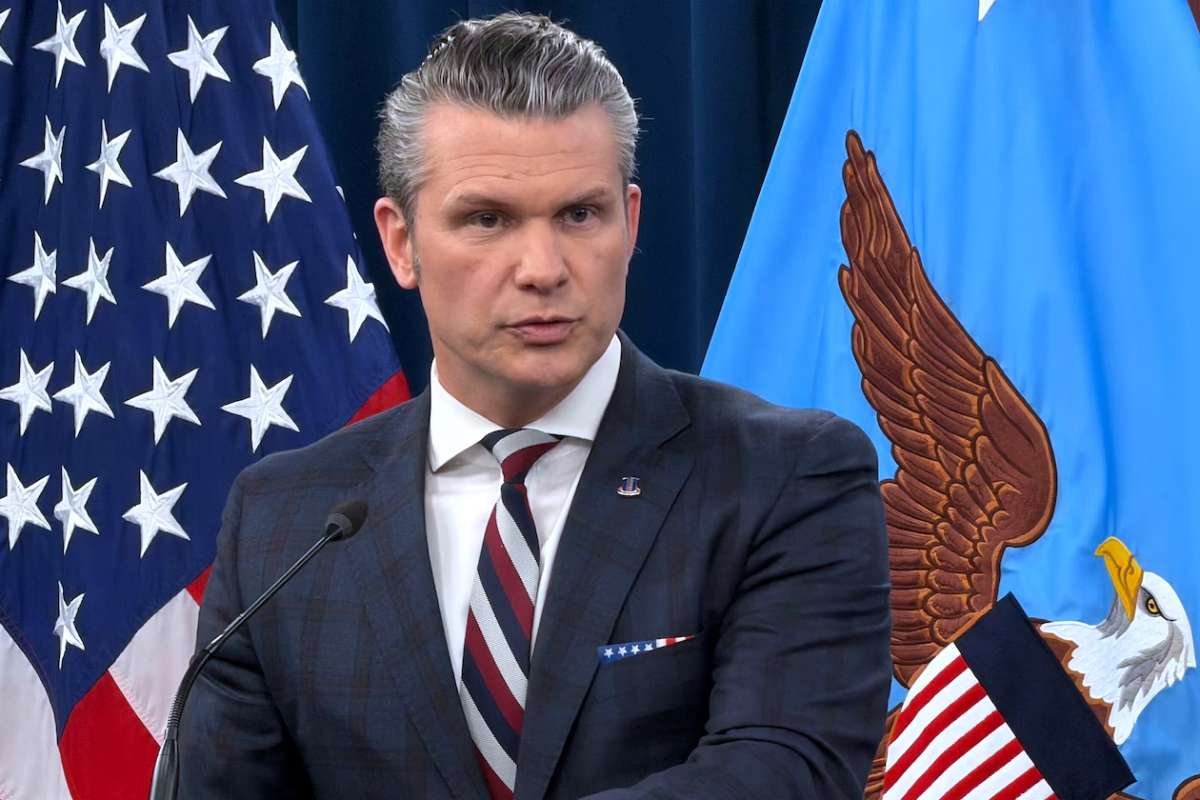
The U.S. Department of Defense has recently barred independent press photographers from attending select briefings led by Defense Secretary Pete Hegseth, a move that has intensified debate around media access and transparency at the Pentagon. In a development widely described as the Pentagon Restricts Photographers, the restriction affected multiple briefings in early March related to ongoing U.S. military operations involving Iran. While reporters were allowed to attend and ask questions, photojournalists from major news agencies were prevented from documenting the events.
The decision marks a significant departure from long-standing Pentagon practice, where photographers have traditionally been permitted to capture images during press briefings alongside reporters. The sudden exclusion has raised questions among media organizations, particularly because no detailed explanation was initially offered regarding the change.
Despite the limitation on reporters who had previously relinquished permanent workspaces inside the Pentagon, new press access rules were still permitted to attend the briefings. However, observers noted that the defense secretary engaged sparingly with journalists during the sessions, fielding only a limited number of questions. The change in briefing dynamics has been interpreted by some analysts as part of a broader shift in how the Pentagon interacts with traditional media outlets.
Reports Suggest Images May Have Triggered the Decision
According to several reports, the decision to Pentagon Restricts Photographers may have been influenced by images captured during a Pentagon briefing held earlier in March. At that event, Hegseth appeared alongside senior military officials while discussing U.S. and Israeli military actions related to Iran. Photographs taken during the session were widely distributed by international news agencies and quickly circulated across major media platforms.
Sources familiar with internal discussions indicated that some aides were dissatisfied with how the defense secretary appeared in several widely published photographs. Soon after the images gained traction, independent photographers were excluded from subsequent briefings, while official Pentagon photographers continued to document the events.
Pentagon Restricts Photographers. Officials have rejected the suggestion that the restriction was introduced because of the images themselves. Instead, they have stated that logistical considerations influenced the decision and emphasized that official photographs from the briefings are released publicly for media use.
However, critics argue that relying solely on government-produced images could limit independent visual coverage of public officials. Media advocates warn that such a practice risks giving authorities greater control over how events are visually documented and presented to the public.
Broader Tensions Between the Pentagon and the Press
The controversy surrounding photographers comes amid an ongoing dispute between the Pentagon and major news organizations over new media access policies introduced under Hegseth’s leadership. In 2025, the Department of Defense implemented revised rules for journalists seeking press credentials inside the Pentagon. The policy required reporters to agree not to obtain or publish certain types of unauthorized information, including some material not formally classified.
Several prominent news organizations refused to accept the terms, arguing that the restrictions could undermine independent reporting and weaken protections for press freedom. As a result, a number of outlets voluntarily surrendered their permanent Pentagon press passes rather than comply with the policy.
The dispute has since escalated into legal challenges, with media groups seeking to overturn the new restrictions. A federal judge reviewing the case has expressed skepticism about aspects of the Pentagon’s approach, raising questions about whether the policies could conflict with constitutional protections for a free press.
The debate over photographers has therefore become part of a wider conversation about transparency, government communication, and the role of independent journalism in covering national security matters. As the Pentagon Restricts Photographers continues to refine its media policies, press organizations and advocacy groups are closely monitoring how these decisions could shape access to information about U.S. military activities.