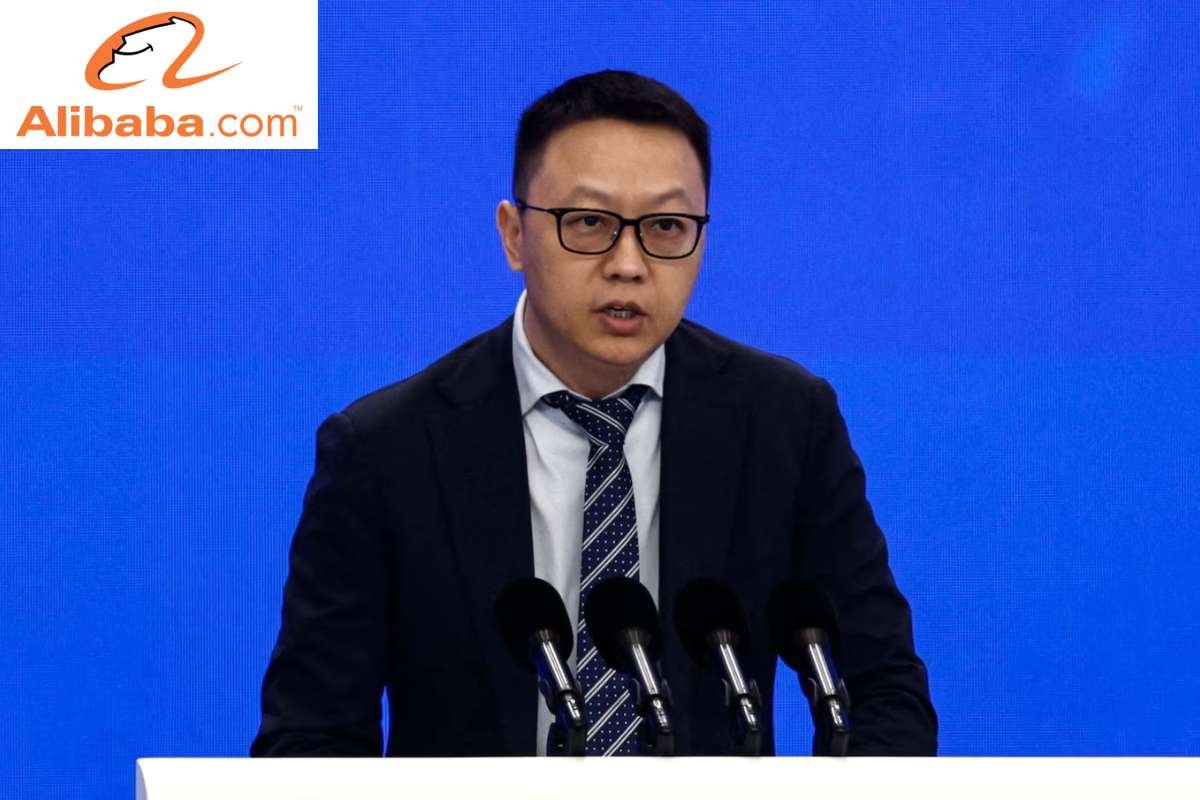
In a bold strategic move, Alibaba Group has appointed its CEO, Eddie Wu, to oversee a newly formed artificial intelligence-focused business unit, signaling a push to streamline and strengthen its AI initiatives. The new division, Alibaba Token Hub (ATH), will serve as a central hub for the company’s AI research, development, and commercialization efforts.
The restructuring brings together several key AI teams, including the Tongyi Laboratory, the Qwen large language model group, the MaaS Business Line, and multiple innovation teams. Previously operating with relative autonomy, these units are now unified under Wu’s direct supervision. The move aims to accelerate decision-making, improve coordination across projects, and ensure that AI development translates effectively into commercial applications.
The leadership shift comes amid the departure of senior AI executives, underscoring the competitive and fast-paced nature of China’s AI landscape. Under CEO Eddie Wu, Alibaba’s consolidation reflects recognition that AI efforts cannot remain siloed if the company wants to maintain its competitive edge. Analysts see the change as a strategic alignment to transform innovative experiments into scalable business solutions.
Enterprise-Focused AI Products Take Center Stage
As part of its renewed AI strategy, Alibaba is rolling out enterprise-oriented AI products designed to enhance workplace productivity. One notable offering is Wukong, a platform that integrates multiple AI agents to perform complex business tasks, from document editing and spreadsheet management to meeting transcription and research support. The platform is accessible via a desktop application and integrates with Alibaba’s corporate collaboration tool, DingTalk, with plans to expand to other popular platforms such as Slack, Microsoft Teams, and WeChat.
Wukong exemplifies Alibaba’s focus on “AI agent” systems—autonomous or semi-autonomous tools capable of completing sequences of tasks with minimal human intervention. Other major Chinese tech companies are pursuing similar approaches, highlighting the growing significance of AI in enterprise automation.
By concentrating on practical, enterprise-oriented solutions, Alibaba aims to carve out a clear path for monetization. With consumer AI markets increasingly saturated, delivering productivity-driven AI tools offers companies a tangible value proposition. Products like Wukong allow Alibaba to showcase AI’s potential to transform everyday business operations, a direction strongly supported by Eddie Wu as the company positions itself as a leader in practical AI applications.
Navigating Challenges in a Competitive AI Landscape
Despite its ambitions, Alibaba faces significant challenges in translating AI innovation into sustainable growth. The rapid expansion of open-source models in China has increased competition, making proprietary offerings more difficult to differentiate and monetize. At the same time, infrastructure costs for AI, particularly computing power and data storage, remain substantial.
Organizational stability is another hurdle. Executive transitions and talent departures have highlighted the difficulty of sustaining momentum in foundational AI research while balancing commercial objectives. Observers note that strong leadership from Eddie Wu will be crucial to keeping teams aligned and ensuring that development projects progress efficiently.
In addition, regulatory dynamics in China, including policies around data governance and secure AI deployment, continue to influence corporate strategies. Companies like Alibaba must navigate these frameworks while striving for technological self-reliance, balancing innovation with compliance to remain competitive on both domestic and international fronts.