A wave of flight disruptions at LaGuardia Airport has left hundreds of passengers stranded, highlighting the fragility of busy air travel networks. LaGuardia Airport delays 200 flight delays along with several cancellations, triggering widespread inconvenience for travelers moving across key domestic routes.
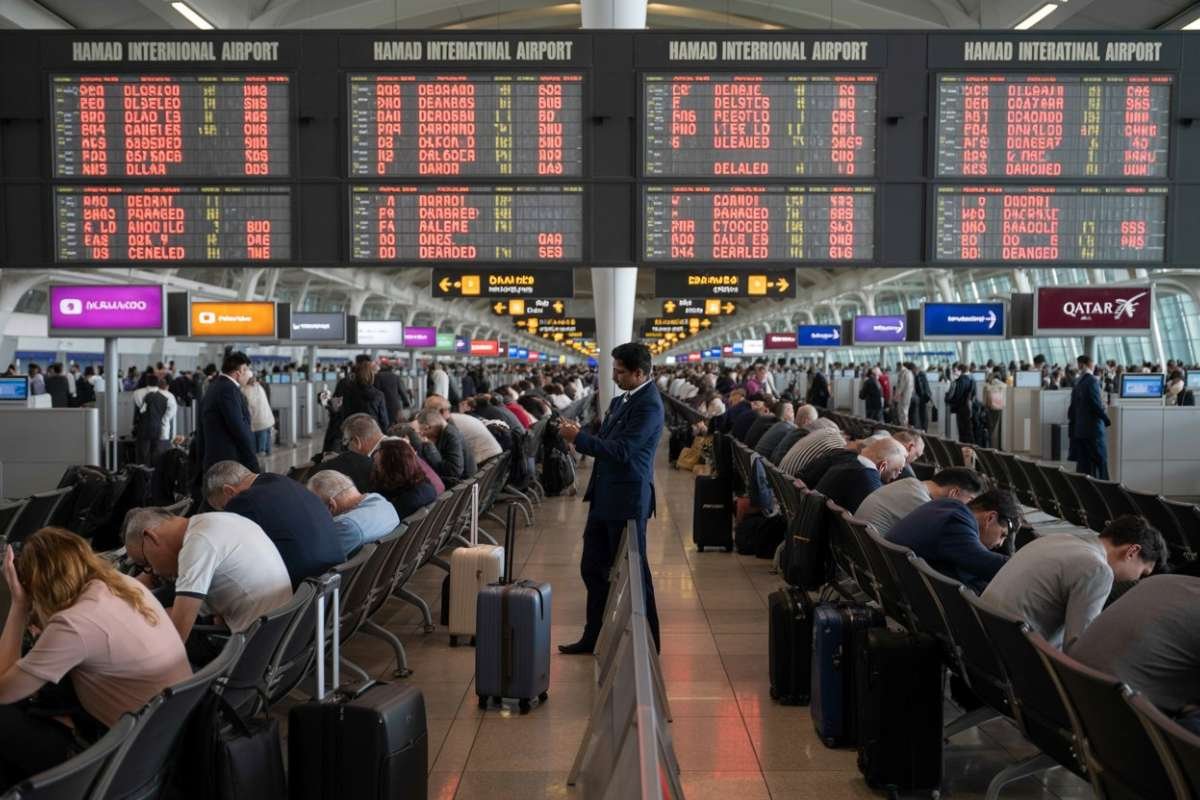
The disruption unfolded during peak travel hours, compounding the situation as already crowded terminals struggled to manage the surge of affected passengers. Long queues quickly formed at airline service counters, with many travelers attempting to rebook flights or seek updates on departure timings.
As one of the busiest domestic airports in the United States, LaGuardia operates on tight schedules with minimal room for operational error. Even a small disruption can cascade rapidly, and in this case, the volume of delayed flights created a bottleneck that affected airport flow throughout the day.
Passengers described the atmosphere as chaotic, with limited clarity on revised schedules. Many were left waiting for hours, uncertain whether their flights would depart or face further delays.
Airlines Grapple With Cascading Operational Challenges
Major carriers including American Airlines, Delta Air Lines, and JetBlue Airways bore the brunt of the disruption, as their operations at LaGuardia were significantly impacted by LaGuardia Airport delays. Flights connecting to major cities such as Chicago experienced notable delays, affecting passengers far beyond New York.
Rather than resorting to widespread cancellations, airlines largely opted to delay flights in an attempt to maintain schedules. While this approach helped avoid immediate cancellations, it resulted in prolonged waiting times and created a ripple effect across airline networks.
Aircraft availability became a key issue, as delayed arrivals prevented timely departures for subsequent flights. Crew scheduling also emerged as a challenge, with pilots and cabin staff facing duty-time limitations that further complicated recovery efforts. Gate congestion added another layer of difficulty, slowing down turnaround times and increasing delays.
For passengers with connecting flights, the impact was even more severe as LaGuardia Airport delays rippled through airline schedules nationwide.. Missed connections forced many to seek alternate routes or overnight accommodations, adding to travel stress and unexpected expenses. Airline staff, meanwhile, worked under pressure to manage rising passenger concerns while attempting to stabilize operations.
Rising Travel Demand Exposes System-Wide Vulnerabilities
The incident at LaGuardia underscores broader challenges facing the U.S. aviation system. With rising passenger demand and limited infrastructure capacity, airports and airlines are operating closer to their limits than ever before. In high-density travel hubs like New York City, even minor disruptions can quickly escalate into large-scale operational issues.
A combination of factors ranging from air traffic congestion to weather-related uncertainties continues to test the resilience of airline networks. When disruptions occur, recovery is often slow due to the interconnected nature of flight schedules, aircraft rotations, and crew availability.
For travelers, the LaGuardia delays serve as a reminder of the unpredictability of modern air travel. Many passengers were forced to adjust plans at short notice, while others faced extended waits with limited support options during peak hours.
Industry experts suggest that improving coordination between airlines, airport authorities, and air traffic control systems will be critical in addressing these challenges highlighted by recent LaGuardia Airport delays. Investments in infrastructure, better contingency planning, and more flexible scheduling could help reduce the impact of similar disruptions in the future.
As air travel continues to rebound and grow, ensuring smoother and more reliable operations will remain a key priority. Until then, incidents like the one at LaGuardia highlight the ongoing strain on one of the world’s busiest aviation networks.