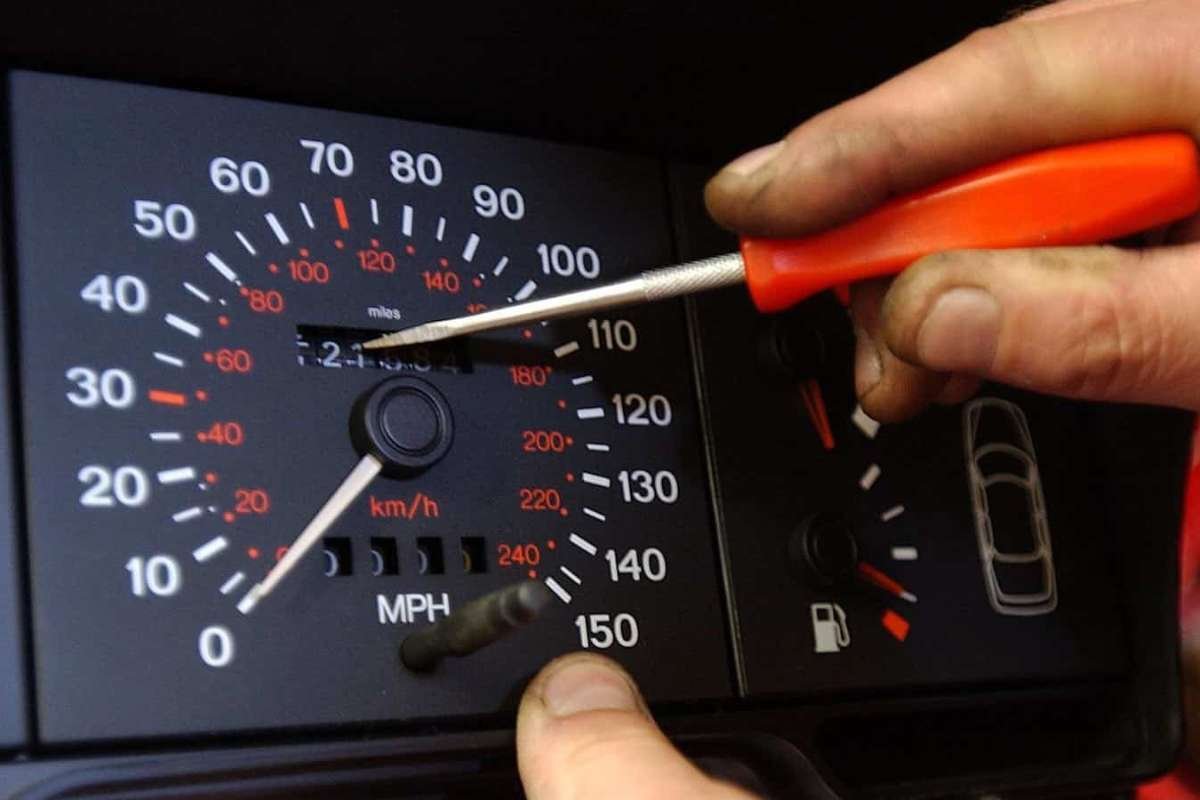
Buying a used car should be straightforward. But every year, thousands of buyers get caught out by one of the oldest tricks in the book: clocking.
Here’s what it is, how it happens, and—most importantly—what you can do if it’s happened to you.
What Is a Clocked Car?
A clocked car is a vehicle where the mileage has been deliberately reduced to make it appear less used—and therefore more valuable.
Lower miles = higher price.
That’s the entire scam.
For example:
- A car with 120,000 miles gets “rolled back” to 60,000
- Suddenly it looks like a bargain… when in reality, it’s anything but
Modern cars are digital, but that hasn’t stopped fraudsters. In fact, it’s often easier now with the right tools.
Why It Matters?
Clocking isn’t just about overpaying.
It can mean:
- Hidden wear and tear
- Increased risk of mechanical failure
- Invalid warranties or service schedules
- Safety issues (timing belts, brakes, etc. may be overdue)
You’re not just buying a lie—you’re potentially buying a liability and need an automotive lawyer .
Common Clocking Tricks to Watch For
Fraudsters have become far more sophisticated than just winding back a dial.
1. Digital Mileage Rollback

Using specialist software, mileage is altered via the car’s ECU.
No obvious signs unless you dig into diagnostics or history.
2. “Lost Service History” Excuse
Conveniently missing service books or “just serviced by a mate.”
Translation: no paper trail = harder to prove mileage inconsistencies.
3. Car Wrapping to Hide Wear
High-mileage cars often show wear—stone chips, scratches, faded paint.
Some sellers wrap the car to:
- Make it look newer
- Hide signs of heavy use
- Justify a higher price
Peel back the car wrap (literally or figuratively), and the story can change quickly.
4. VIN Plate Issues
The VIN (Vehicle Identification Number) should match across:
- Dashboard
- Door frame
- Engine bay
- Logbook (V5C in the UK)
Red flags include:
- Mismatched VINs
- Tampered plates
- Fresh rivets or glue marks
This can point to identity fraud, not just clocking.
5. “Too Good to Be True” Mileage
A 10-year-old car with ultra-low miles? Possible—but rare.
If the wear on:
- Steering wheel
- Pedals
- Driver’s seat
…doesn’t match the mileage, something’s off.
How to Check If a Car Has Been Clocked?
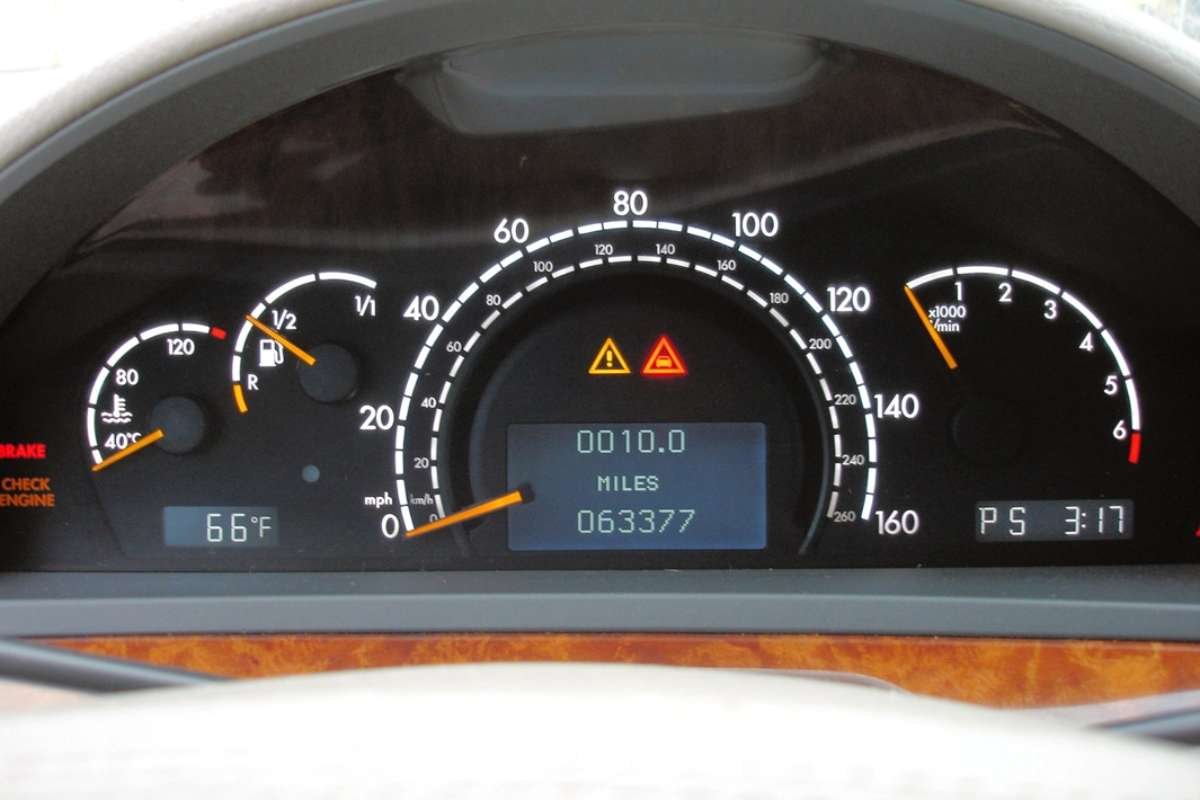
Before buying—or after suspecting an issue—check:
- MOT history (UK) – shows mileage at each test
- Service records – look for consistent mileage progression
- Vehicle history checks (HPI, Experian, etc.)
- Diagnostic scan – mileage can sometimes be stored in multiple modules
- Previous listings – older ads may show higher mileage
If the numbers don’t line up, trust your gut.
What to Do If You’ve Been Sold a Clocked Car?
If you’ve already bought one, don’t panic—but don’t ignore it either.
1. Gather Evidence
Start building your case:
- MOT history discrepancies
- Screenshots of the original listing
- Messages with the seller
- Independent inspection reports
2. Contact the Seller
Give them a chance to respond.
If they’re legitimate, they may not have known.
If they go quiet or defensive… that tells you a lot.
3. Get Legal Advice (This Is Key)
This is where an automotive lawyer becomes extremely valuable.
A specialist lawyer can:
- Advise if you’ve been mis-sold under consumer law
- Help you pursue a refund or compensation
- Handle communication with the seller
- Escalate the matter legally if needed
In the UK, you may have protection under the Consumer Rights Act 2015, especially if the car was bought from a dealer.
4. Report the Fraud
You can report clocking to:
- Trading Standards
- DVLA
- Action Fraud (UK)
This helps build cases against repeat offenders.
5. Reject the Vehicle (If Applicable)
If bought from a dealer:
- You may have the right to reject the car within 30 days
- Or request repair/replacement/refund after that period
Private sales are trickier—but not impossible if fraud can be proven.
Final Thoughts
Dealing with a clocked car isn’t just shady—it’s illegal. And while the tricks used to alter mileage have evolved, so have the ways to catch them.
If something feels off, it probably is.
And if you’ve been caught out, don’t just accept it.
With the right evidence—and the help of a good automotive lawyer—you can fight it.