For UK savers and investors, the end of the tax year on April 5th brings an important financial deadline. It marks the final opportunity to use that year’s Individual Savings Account (ISA) allowance, a tax-efficient way to save or invest money without paying tax on interest, dividends, or capital gains.
Many people overlook this opportunity, especially if they believe they need large sums to benefit. In reality, even modest contributions can build meaningful tax-efficient savings over time. The key is understanding how the system works and acting before the deadline passes.
Read along to learn how to make the most of your ISA allowance before April and why it should be part of your financial planning each year.
The ISA Allowance in Simple Terms
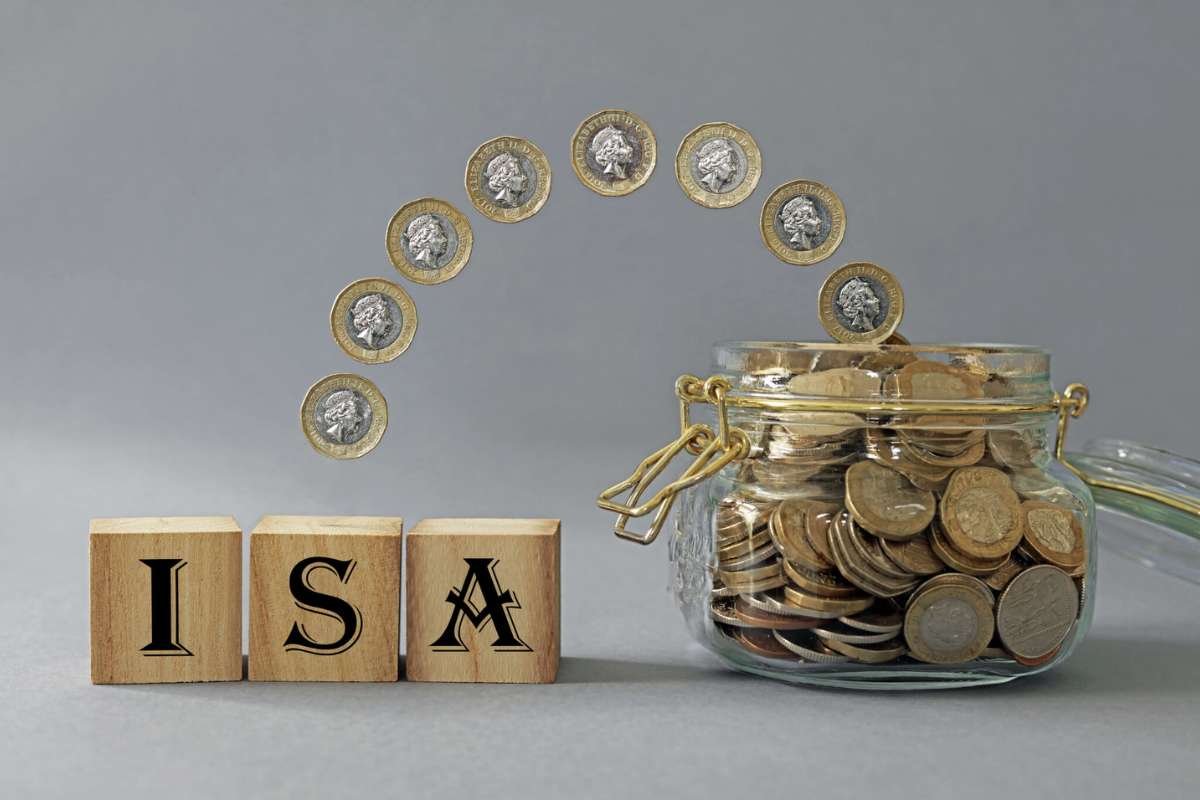
An Individual Savings Account (ISA) is a type of UK savings or investment account that lets you earn interest or investment returns without paying tax on the gains. The UK government has set a maximum amount that individuals can contribute to ISAs each tax year. For the 2025–2026 tax year, the allowance is £20,000. This limit applies across all types of ISAs combined.
The tax year runs from 6 April to 5 April the following year, and any unused allowance disappears once the new tax year begins. You cannot carry it forward. ISAs are attractive because the returns are protected from several forms of tax, including income tax on interest, dividend tax on investments, and capital gains tax on profits.
Over time, these tax advantages can significantly improve long-term returns compared with taxable savings or investment accounts.
Different Types of ISAs
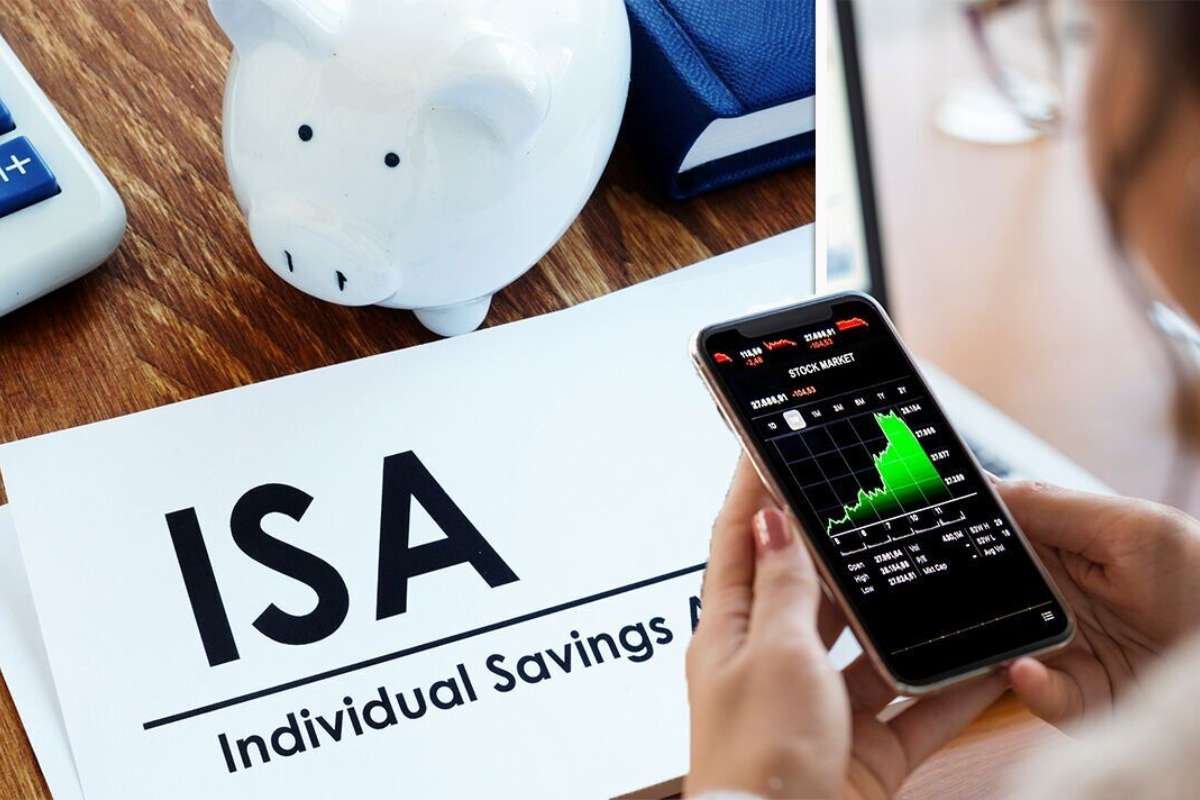
The allowance can be used across several ISA types depending on your goals:
- Cash ISAs, which earn interest like a savings account
- Stocks and Shares ISAs, which invest in funds, shares, or bonds
- Lifetime ISAs, designed for first-time home purchases or retirement savings
- Innovative Finance ISAs, which involve peer-to-peer lending
You can split the £20,000 allowance across multiple accounts if you wish, as long as the total contributions do not exceed the annual limit.
Why the April Deadline Matters?
Because the ISA allowance resets each tax year, waiting until after April means losing access to that year’s tax shelter. For this reason, ISAs are often highlighted in broader end-of-year tax planning tips that encourage people to review unused allowances before the tax year closes.
Tax Efficiency Over the Long Term
Using your allowance regularly can provide several advantages:
- First, investments grow without capital gains tax. For higher-rate taxpayers, this can represent a substantial saving over time.
- Second, dividend income inside an ISA remains tax-free. This matters because dividend tax rates can reach 39.35% for additional-rate taxpayers outside tax-efficient accounts.
- Third, ISAs offer flexibility. Unlike pensions, most allow withdrawals without tax penalties, which can make them useful for medium-term financial goals.
Practical Ways to Use Your ISA Allowance

With the deadline approaching, many savers look for straightforward ways to use any remaining allowance. Here are several common strategies:
- Top up an existing ISA: If you already have an ISA account, adding funds before 5 April ensures you use more of the available allowance.
- Open a new ISA account: Many providers allow quick digital applications. Even a small initial deposit secures the account within the current tax year.
- Transfer taxable investments into an ISA: Some investors sell assets held outside an ISA and repurchase them within the wrapper to reduce future tax exposure.
- Split savings between cash and investments: For those balancing short-term and long-term goals, dividing contributions across different ISA types can provide flexibility.
The key point is that contributions do not have to be large. Even incremental deposits can compound over time.
Planning Ahead for Future ISA Changes
ISA rules have remained relatively stable, but policy changes do occur. For example, the government has confirmed that the overall ISA allowance will remain £20,000 until at least 2031.
However, future reforms may affect how that allowance can be used. From April 2027, the amount individuals under 65 can contribute specifically to a Cash ISA will be capped at £12,000, although the overall £20,000 limit will remain unchanged.
These types of adjustments highlight why consistent annual use of the allowance can be beneficial. Tax-efficient opportunities available today may not remain unchanged forever.
Making the Most of Your Allowance
Using your ISA allowance each year is one of the simplest ways to improve tax efficiency in your financial planning. The April deadline often encourages people to review their finances, assess unused allowances, and ensure their savings are structured efficiently. Even if the full allowance is not used, contributing something can still provide meaningful long-term advantages.
For many UK savers, ISAs remain one of the most accessible tools for building tax-efficient wealth over time.
Points to Remember
As the tax year draws to a close, taking a few minutes to review your ISA contributions can make a meaningful difference to long-term financial outcomes.
The “use it or lose it” nature of ISA allowances means that every year presents a unique opportunity to shield savings and investments from tax. By acting before the April deadline, individuals can ensure they make the most of the tools available to them.
Over time, consistent contributions can create a valuable tax-efficient foundation for your future financial goals.
The value of your investments and the income from them may go down as well as up, and you could get back less than you invested. Past performance should not be seen as an indication of future performance.