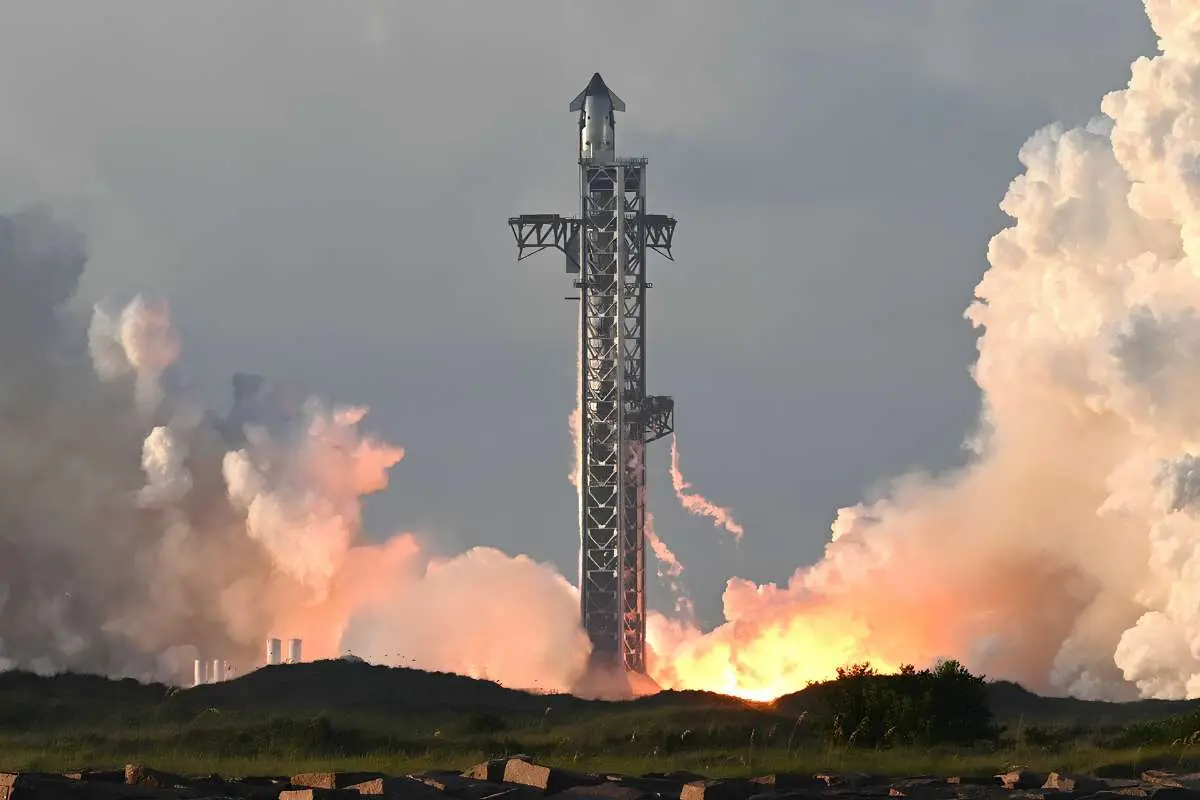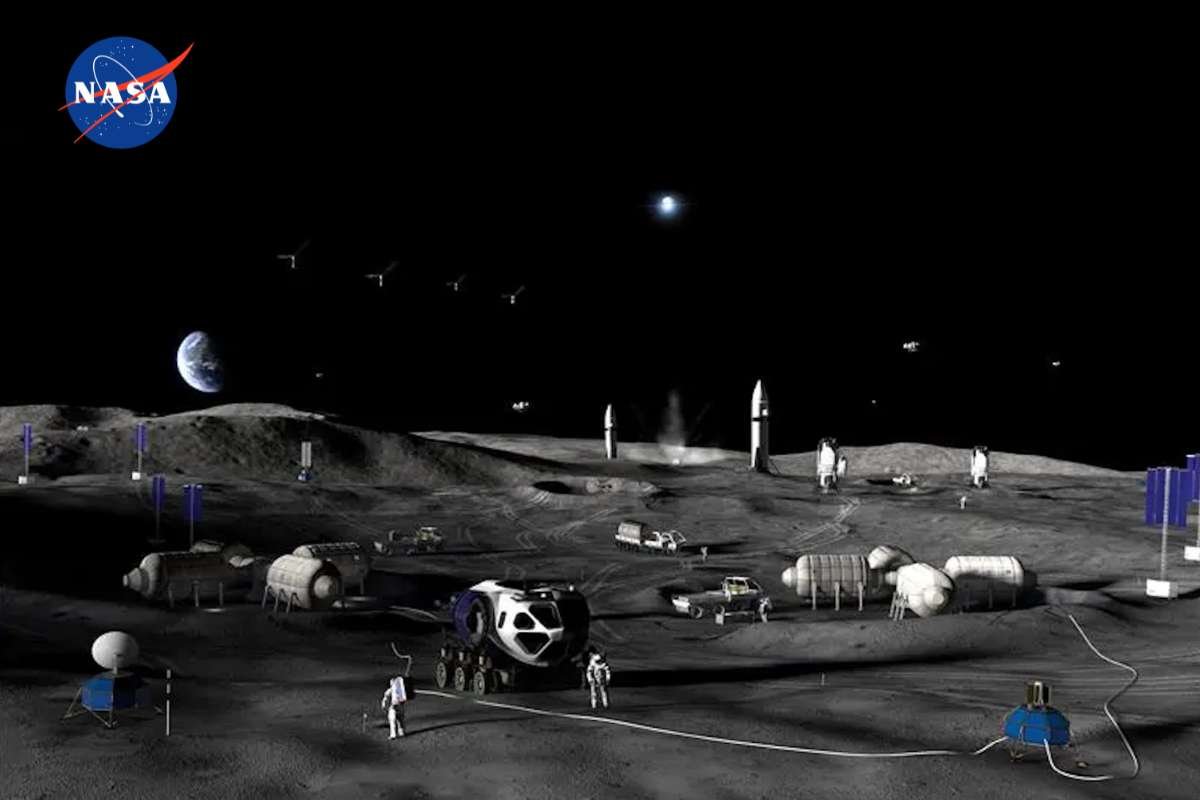
NASA has unveiled a sweeping long-term vision to establish a permanent human presence on the Moon, backed by an estimated investment of nearly $20 billion. The NASA Moon Base Plan represents a major expansion of the Artemis program and signals a strategic shift from short-duration lunar missions toward continuous operations and infrastructure development on the lunar surface.
The proposed lunar base is designed to move far beyond the scope of past Moon landings, including the Apollo era, where astronauts spent only limited time on the surface. Instead, the new framework envisions a fully functional outpost capable of supporting astronauts for extended stays, enabling long-term scientific research, technological testing, and exploration activities in a sustained deep-space environment.
At the core of this vision is the goal of creating a durable human foothold beyond Earth. The NASA Moon Base Plan positioned the lunar base as a stepping stone for future interplanetary exploration, particularly missions to Mars. The Moon is expected to serve as a proving ground for critical systems such as life support technologies, radiation shielding, habitat construction, and resource utilization methods that could later be applied to deep-space missions.
The $20 billion estimate reflects the scale of early-stage development, including infrastructure planning, transportation systems, and surface habitat deployment. While detailed engineering designs are still evolving, the plan marks one of the most significant financial commitments in modern space exploration toward establishing a sustained extraterrestrial presence.
Artemis Program at the Center of NASA’s Lunar Strategy
The lunar base initiative is closely tied to NASA’s Artemis program, which is tasked with returning humans to the Moon for the first time in more than 50 years. Over time, Artemis has evolved from a series of exploratory missions into a broader architecture focused on long-term habitation and surface infrastructure.
A key focus of the program is the Moon’s south polar region, a high-priority target due to the potential presence of water ice in permanently shadowed craters. Under the NASA Moon Base Plan, these resources could be processed into drinking water, breathable oxygen, and even rocket propellant, reducing dependence on supplies from Earth and enabling long-duration missions.
The updated lunar roadmap emphasizes building a sustainable operational ecosystem rather than isolated mission outposts. This includes the development of habitats, energy systems, transportation networks, and communication infrastructure that would allow astronauts to live and work on the Moon for months at a time.
The $20 billion plan is expected to support the early phases of this infrastructure rollout. This includes delivery systems for cargo and crew, modular habitat units, and surface mobility systems designed to operate in the harsh lunar environment. The objective is to gradually transition from experimental missions to a stable, expandable base capable of continuous human occupation.
NASA’s evolving approach reflects lessons learned from previous Artemis delays and technical challenges. By concentrating resources on surface infrastructure, the agency aims to reduce mission complexity and improve long-term sustainability. The broader strategy is intended to create a permanent operational presence that can be built upon over successive missions.
Global Competition, Technical Hurdles, and Long-Term Vision
NASA’s renewed lunar ambitions come amid intensifying global competition in space exploration. The NASA Moon Base Plan highlights the strategic importance of lunar regions as several nations pursue their own research stations and long-term presence near the Moon’s surface, especially in resource-rich areas close to the south pole.
At the same time, the path to establishing a permanent Moon base remains highly complex. The Artemis architecture depends on multiple interconnected systems, including heavy-lift rockets, crewed spacecraft, commercial lunar landers, and advanced surface technologies. Each of these components must function with high reliability to ensure astronaut safety and mission success.
NASA has also faced delays in its Artemis timeline due to engineering challenges, testing requirements, and system integration issues. These setbacks have prompted ongoing refinements to mission sequencing and increased emphasis on validating key technologies before full-scale deployment.
Despite these difficulties, NASA continues to maintain that a sustained lunar presence is both achievable and strategically essential. The Moon base initiative is viewed as a critical milestone not only for scientific advancement but also for preparing humanity for deeper space exploration, particularly future crewed missions to Mars.
If successful, the $20 billion lunar base program could mark a turning point in human space history. The NASA Moon Base Plan may transform the Moon from a destination of brief exploration into a permanent extension of human activity and a launchpad for the next era of interplanetary discovery.