Accidents involving commercial vehicles or businesses often lead to commercial insurance injury claims, which are notably more complex than standard personal injury cases. These situations frequently involve insurance policies that differ from standard personal coverage. Many injured individuals seek legal guidance for accident injury claims to better understand how commercial insurance works. Knowing how these policies affect a case can make a major difference in the outcome.
What Commercial Insurance Means?
Commercial insurance is designed to protect businesses from financial loss. Companies that operate vehicles, provide services, or manage properties often carry these policies. They cover incidents that occur during normal business activities.
These policies are often larger and more complex than personal insurance coverage. Businesses usually maintain higher coverage limits because the risks are greater. As a result, claims involving commercial insurance may involve larger financial stakes.
How Commercial Insurance Differs from Personal Insurance?

Personal insurance policies typically cover private individuals and their vehicles. Commercial policies, however, are designed to protect businesses and employees performing job-related tasks. This distinction changes how accident claims are handled.
Coverage limits in commercial policies are usually much higher than in personal policies. Businesses often carry large insurance policies because accidents involving commercial activity can cause significant damage. This means injury claims may involve larger compensation amounts.
Commercial insurers also tend to investigate claims more closely. Insurance companies representing businesses often conduct detailed reviews of the incident. This can lengthen and complicate the claims process.
Types of Accidents Involving Commercial Insurance
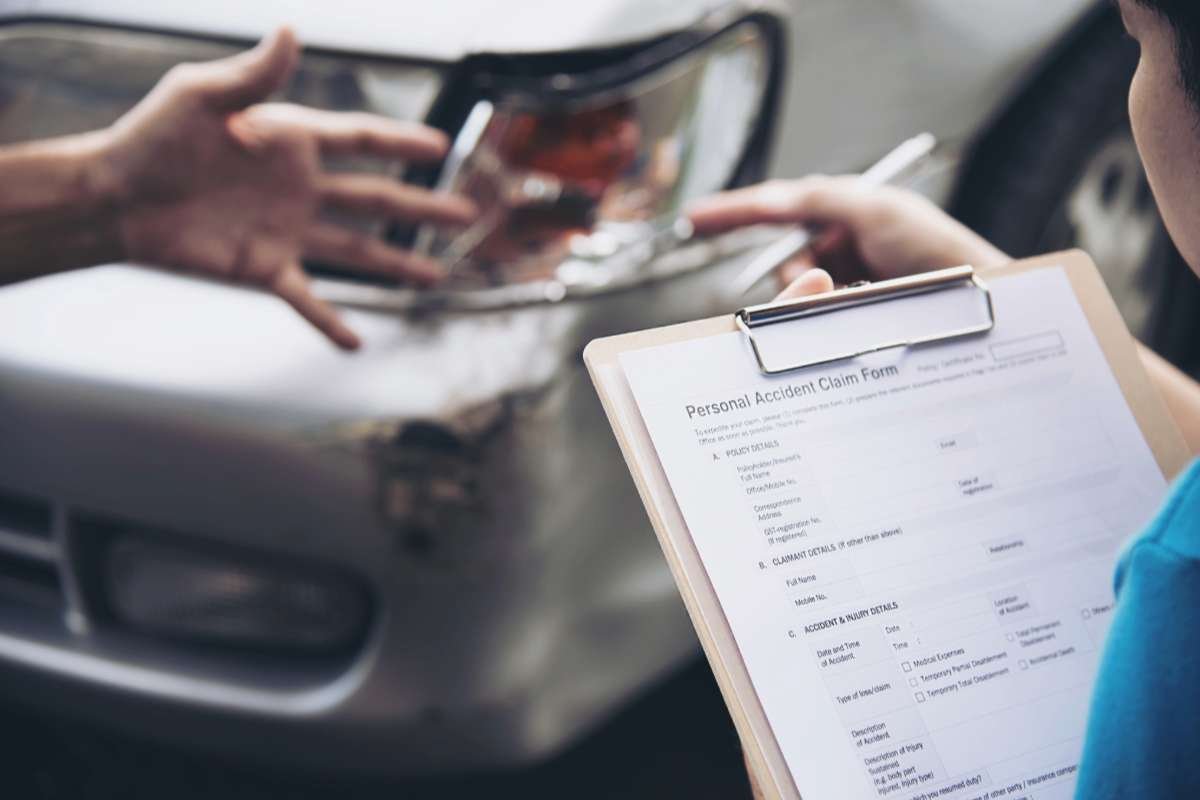
Many commercial insurance injury claims arise from accidents involving commercial vehicles, such as delivery trucks, construction vehicles, and company cars. When employees are driving for work purposes, commercial insurance may apply.
Workplace-related accidents can also involve commercial policies. If a person is injured on business property, the company’s insurance may be responsible for covering damages. These cases often involve questions about property safety and maintenance.
Another situation involves contractors and service providers. For example, a technician performing work at a home or business may accidentally cause injury. In these cases, the company’s commercial policy may play a role in covering losses.
Determining Liability in Commercial Accident Cases

Liability in commercial accidents depends on several factors. One important question is whether the employee was performing job duties when the accident occurred. If the incident happened during work activities, the business may share responsibility.
Employers can sometimes be held accountable for the actions of their employees. This legal concept recognizes that businesses benefit from the work performed by their staff. When an employee causes harm while working, the employer’s insurance may become involved.
Other factors may also influence liability. Vehicle maintenance, company safety policies, and employee training may all be reviewed. These details can affect how responsibility is assigned.
The Role of Evidence in Commercial Injury Claims
Evidence plays a critical role in determining what happened during an accident. Photographs, witness statements, and official reports can help clarify the circumstances. These details can strengthen a claim.
Business records may also become important in these cases. Driving logs, maintenance reports, and employment records may help explain how the accident occurred. Accessing this information can be an important part of the investigation.
Medical records are also necessary when evaluating injury claims. Documentation of treatment helps establish the extent of the injured person’s harm. This information supports compensation requests related to the accident.
Compensation in Commercial Insurance Claims

Commercial insurance injury claims may include several types of compensation, with medical expenses often being the most immediate concern for injured individuals. Treatment, rehabilitation, and follow-up care may all be considered during the process.
Lost income may also be included in a claim. When injuries prevent someone from working, compensation may address those financial losses. This can be especially important for individuals with long recovery periods.
Pain and suffering may also be considered when evaluating damages. Emotional distress and reduced quality of life can affect people long after an accident. These impacts may influence the overall value of a claim.
Why Legal Support Can Be Important?
Commercial insurance cases often involve detailed legal and financial questions. Injured individuals may find it difficult to navigate these issues on their own. Legal professionals can help explain the process and protect a person’s rights.
Attorneys often investigate the accident and review available evidence. They may communicate with insurance companies and negotiate on behalf of the injured party. This support can reduce stress during an already difficult time.
Legal representation can also help ensure that claims are handled fairly. Insurance companies may attempt to minimize payouts. Professional assistance can help injured individuals pursue appropriate compensation.
Final Thoughts
Commercial insurance injury claims play an important role in accident cases involving businesses. These policies often provide higher coverage but also create more complex legal questions. Many individuals seek legal guidance for accident injury claims to understand their rights and options. With the right information and support, injured people can move forward with greater confidence