Returns sit in the same bucket as ads for many ecommerce teams. Everyone knows they cost money, and in many cases Returns Eat Profit Margins faster than rising acquisition costs. Few run them like an ops system with clear owners, tight data, and weekly action.
The Enterprise World often profiles leaders who win with process, not hype. In ecommerce, returns offer one of the cleanest tests of that kind of leadership because Returns Eat Profit Margins in ways that are visible, measurable, and preventable. You can see the leak. You can trace the cause. You can stop it.
NRF estimates U.S. retailers took back $743 billion in returns in 2023. NRF also reports an average return rate of 14.5% across retail, and 17.6% for online sales. Those numbers do not just hit P&L. They hit cash flow, labor, and warehouse space, reinforcing why Returns Eat Profit Margins across the entire operation, not just finance.
Start With One Rule: Returns Need a Single Metric Owner
Most teams split returns across support, ops, and finance. That split slows every fix. Assign one owner who reports weekly on return rate, refund speed, and resale yield.
Refund speed matters more than most founders think. A slow refund fuels chargebacks and repeat tickets. It also drops trust, which raises CAC over time.
Set a simple cadence. Review top return reasons each week. Tie each reason to one change in product, content, or pack-out.
Fix the Data Before You Fix the Policy

Return reasons often turn into junk data. “Didn’t like it” tells you nothing. The best teams force clean tags at the point of return and train agents to pick the right one.
“If you do not tag return reasons with care, you run blind,” says Tauras Sinkus, Chief Editor at EcomWatch.
Do not aim for perfect detail on day one. Aim for a short set of reasons that map to action. Size, fit, damage, late ship, wrong item, and not as shown cover most cases.
Benchmark your basics against known totals, then track your own deltas each month. Your board deck needs one source of truth, not a stack of views. Use Ecommerce Statistics.
Cut “Not as Shown” Returns With Content That Acts Like a Sales Rep
“Not as shown” kills margin because you pay for the full loop. You paid to win the click. You paid to ship. Then you pay to bring it back, proving again that Returns Eat Profit Margins when expectations are misaligned.
Teams often blame marketing for this. The fix sits in product detail pages and post-purchase flows. Add a clear “what you get” block, exact dims, and real-use shots that show scale.
Size and fit need special care. Add fit notes that match how buyers talk. “Runs small” beats “tailored fit” because it sets a firm view.
Customer support data can guide this work. Pull ten tickets a week and rewrite one block of copy from them. That habit beats a once-a-year site rewrite.
Stop Paying Full Price to Move Returns Backward
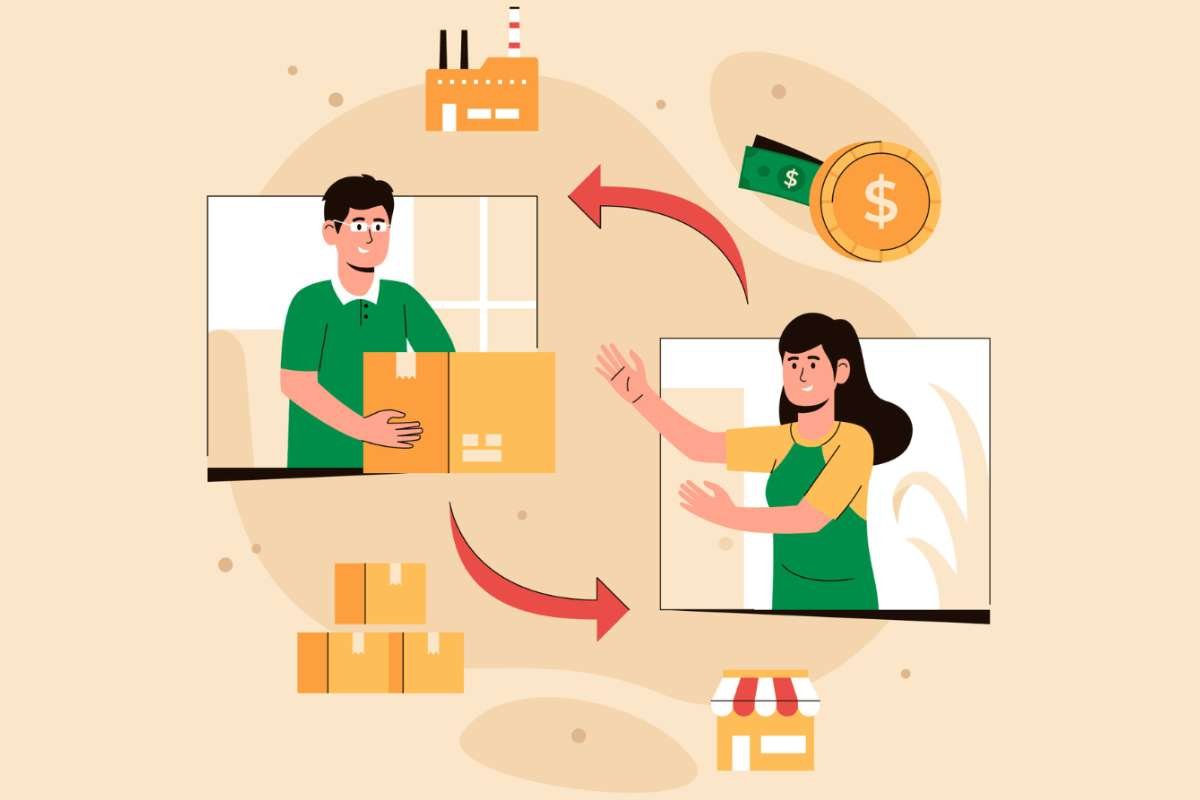
Reverse ship costs climb fast when you treat every return the same. You need triage. Some items should never come back to your site.
Route high-AOV, high-resale items to your own dock. Route low-AOV or worn-risk items to a partner who can sort, refurb, or liquidate. This cuts touch time and frees slots for forward pick.
Also, treat “keep it” refunds as a tool, not a perk. They make sense when ship-back costs exceed resale value. They also cut cycle time, which protects the next buy.
Finance should own the rules, but ops must own the flow. That split keeps control tight and day-to-day work fast.
Turn Returns Into a Product Feedback Loop, Not a Weekly Fire
The best return cuts come from product fixes. A weak seam, a slick fabric, or a thin box can spike damage and regret. Those issues hide when teams only talk in gross sales.
Build a short loop from returns to merch and sourcing. Share photos, not just tags. Ask for one vendor change per quarter, then track the effect on that SKU’s return rate.
Leaders in The Enterprise World’s case studies often win by making small ops gains repeatable. Returns reward that same style. Pick one category, fix one driver, and hold the line for eight weeks.
You will not end returns. You can stop the waste. When you do, margin rises without more spend, teams get time back for growth work, and the reality that Returns Eat Profit Margins becomes a solvable operational problem rather than an unavoidable cost.