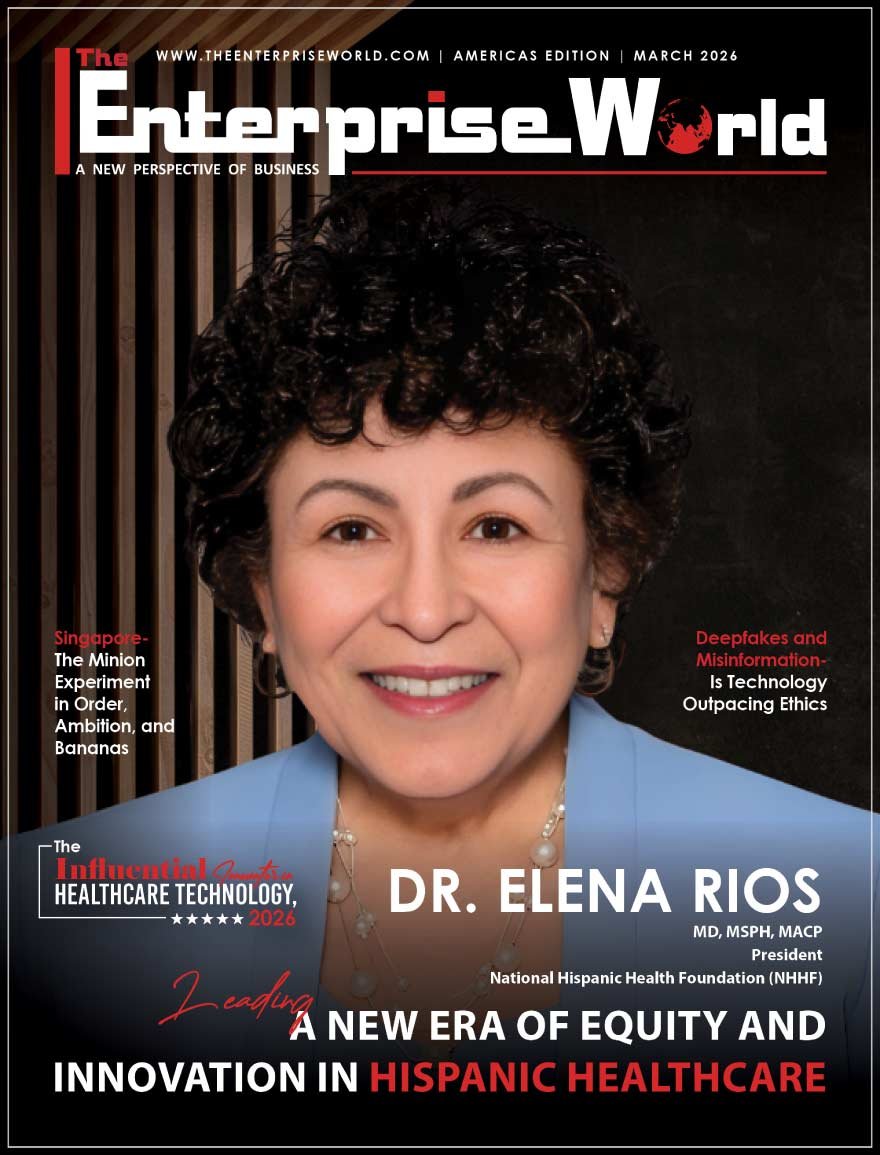
Healthcare, at its best, is not just about medical progress but about human connections, the willingness to understand, include, and uplift every community it serves. As the nation continues to evolve, the call for equity and cultural representation in healthcare grows stronger, shaping a new era where diversity is seen not as a challenge but as a source of strength and innovation.
At the forefront of this movement stands Dr. Elena Rios, MD, MSPH, MACP, President of the National Hispanic Health Foundation (NHHF). A respected physician, public health advocate, and equity champion, Dr. Rios has dedicated her career to bridging the gaps in healthcare access and representation for Latino communities across the United States. Under her leadership, NHHF has become a driving force in creating pathways for Hispanic health professionals, fostering leadership, research, and education to build a more inclusive and equitable healthcare system for all.
Roots in Resilience and Equality
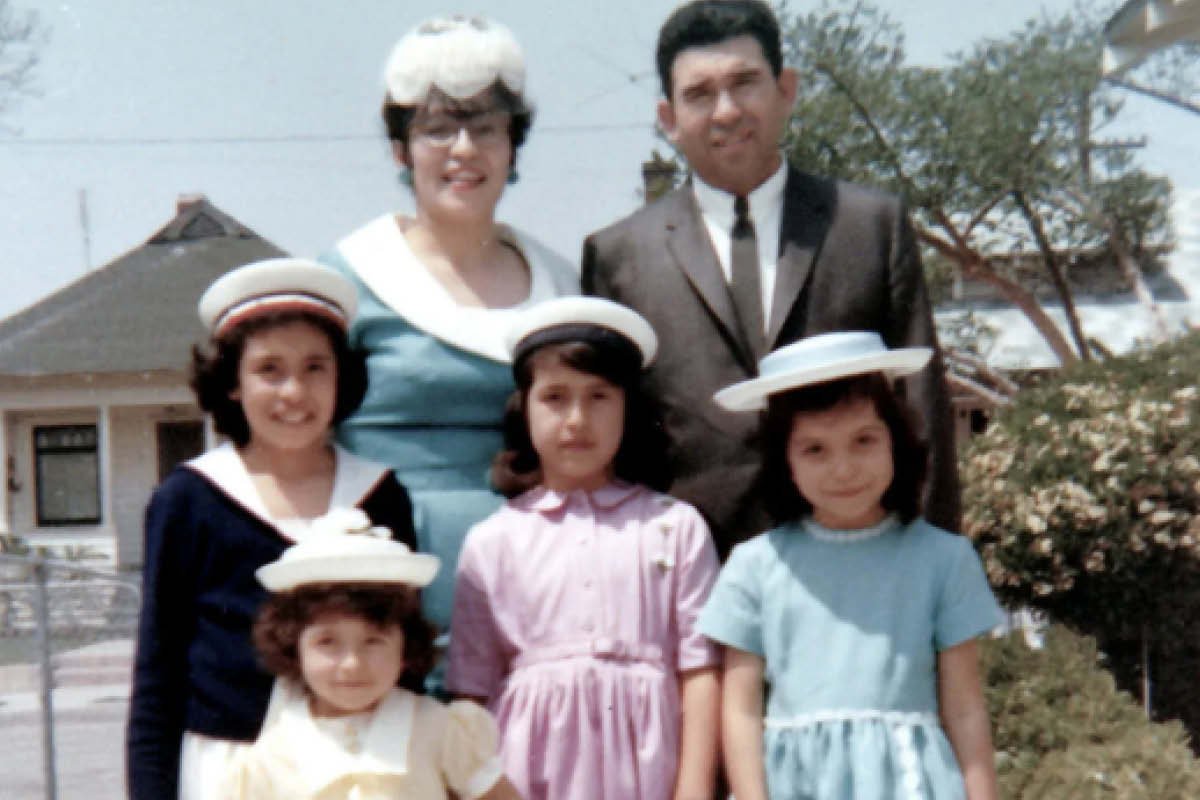
Dr. Elena Rios comes from a large Mexican-American family whose journey began when her grandparents migrated from Mexico to Los Angeles. Growing up, her parents and their generation faced severe discrimination in the 1930s and 1940s, when Mexicans were barred from public spaces such as swimming pools, segregated in hospital wards, and subjected to violence and injustice, including lynching and the forced sterilization of Mexican women at Los Angeles General Hospital.
Because of this painful history, her parents and extended family became highly protective of the next generation, encouraging them not to speak Spanish, insisting on academic excellence, and working tirelessly to secure better opportunities. Her mother attended Catholic school throughout her life. Once the family could afford a plan, all five children—her three sisters, brother, and Dr. Rios—were enrolled in Catholic schools. At the same time, her father worked as a machinist in a railroad factory and later contributed to military manufacturing during the Vietnam War.
Early Exposure to Leadership and Service
During Dr. Elena Rios’s formative years, her mother initially stayed home before later becoming an executive secretary to the Los Angeles County Chief of Police, a role that exposed Dr. Rios to civic life and public leadership. As a stenographer, her mother transcribed high-level meetings, offering an early window into public service and decision-making.
Dr. Rios’s childhood home also served as a polling place throughout the 1960s and 1970s, further immersing her in civic engagement. From a young age, she regularly encountered community members and local leaders, reinforcing the importance of service and participation in public life.
A highly motivated student, Dr. Elena Rios, demonstrated academic excellence early on. By eighth grade, she had earned multiple academic awards and received a math scholarship to attend a Catholic girls’ high school—an early indication of her strong aptitude for math and science. At age 18, she was honored with the Outstanding Teenager of America Award.
Later, when her mother began training as a nurse, she helped Dr. Rios secure a position at a community hospital. This direct exposure to patient care proved pivotal, inspiring Dr. Rios to pursue a pre-medical path in college.
Academic Journey and Emerging Latino Leadership
At Stanford University, Dr. Elena Rios found a vibrant community of Hispanic students whose families shared deep values of civic duty and service. Many of her peers would later become national leaders, among them Arturo Vargas, former President, NALEO; Xavier Becerra, former Secretary of Health and Human Services; Margarita Colmenares, the first Hispanic female engineer and founder of the Hispanic Society of Hispanic Engineers; and Maria Echaveste, appointee to the Civil Rights Commission and President Clinton White House Deputy Chief of Staff—strengthening her belief that Latino professionals had a collective responsibility to uplift their communities. She majored in Human Biology, minored in Public Administration, and developed a strong interest in organizational leadership and system-level change.
Her dedication to community health grew after a summer in Washington, D.C., where she realized that her passion lay more in public health than in individual clinical practice. She subsequently earned a master’s in public health from UCLA, focusing on health planning and policy analysis, with a particular interest in the fair distribution of healthcare technology. When the federal health planning system was dismantled under President Reagan in 1980, the national shift toward a market-based model only deepened her awareness of systemic inequities in healthcare.
Building Networks and Transforming Hispanic Health
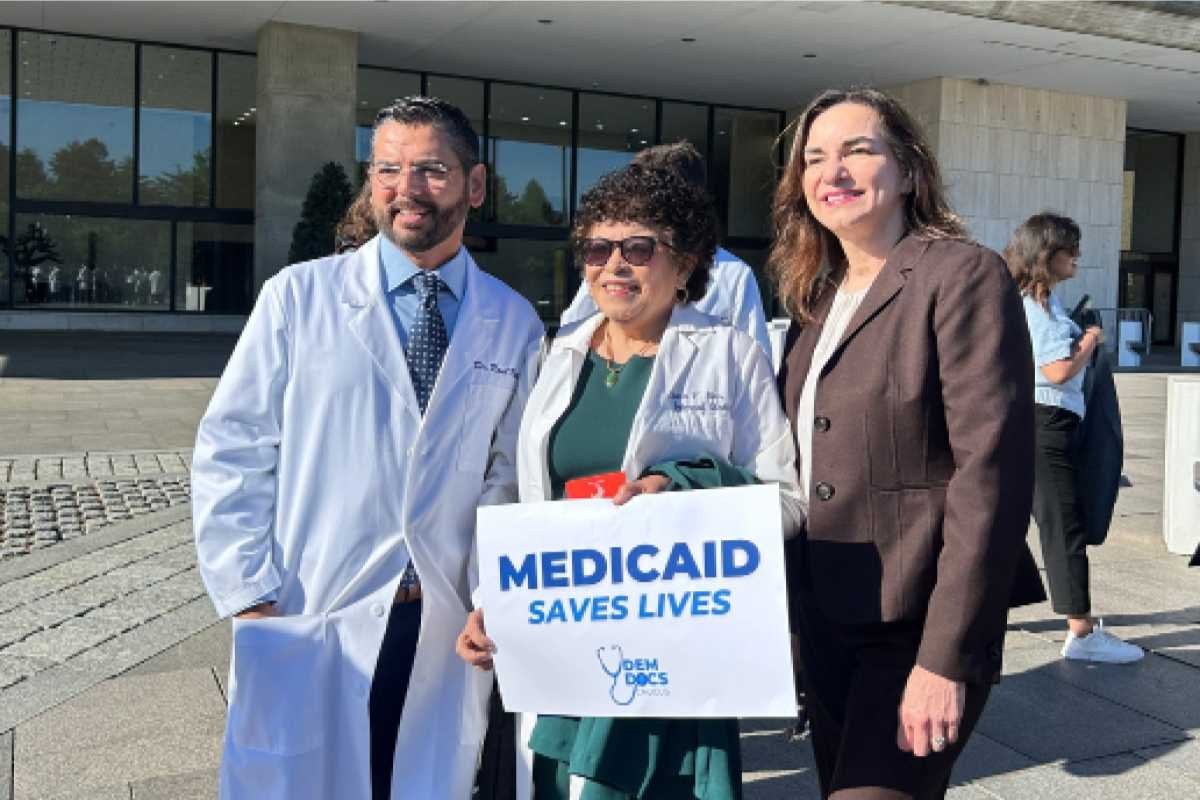
Determined to continue on her medical path, Dr. Elena Rios took pre-medical courses at night while working during the day as a counselor, guiding students from the East Los Angeles Health Task Force toward careers in health. She entered UCLA’s medical school in 1982 as part of its largest cohort of Hispanic students and, together with her peers, helped found the Chicano Latino Medical Student Association (CLMSA) to strengthen mentoring and leadership pipelines and an annual regional conference that included all Hispanic medical school chapters from California and New Mexico.
As their influence and network grew, in 1987, they connected partner Hispanic medical student groups in Texas, Chicago with the New York group, and—with the help of early Macintosh computers—formed the National Network of Latin American Medical Students. After completing medical school, residency, and a health policy research fellowship, Dr. Rios worked for the California Office of Statewide Health Planning.
In 1992, she was asked to support the Clinton-Gore campaign. She was later appointed to the White House. Dr. Elena Rios was asked to invite a broader range of Hispanic health care leaders for health care reform meetings. This pivotal moment led to the creation of the National Hispanic Medical Association (NHMA), which, with federal support, built databases, physician leadership, and medical student mentoring programs, and regional and national conferences, using early digital tools such as email, websites, and online communication platforms to expand its reach.
A Renewed Mission for Hispanic Health Equity
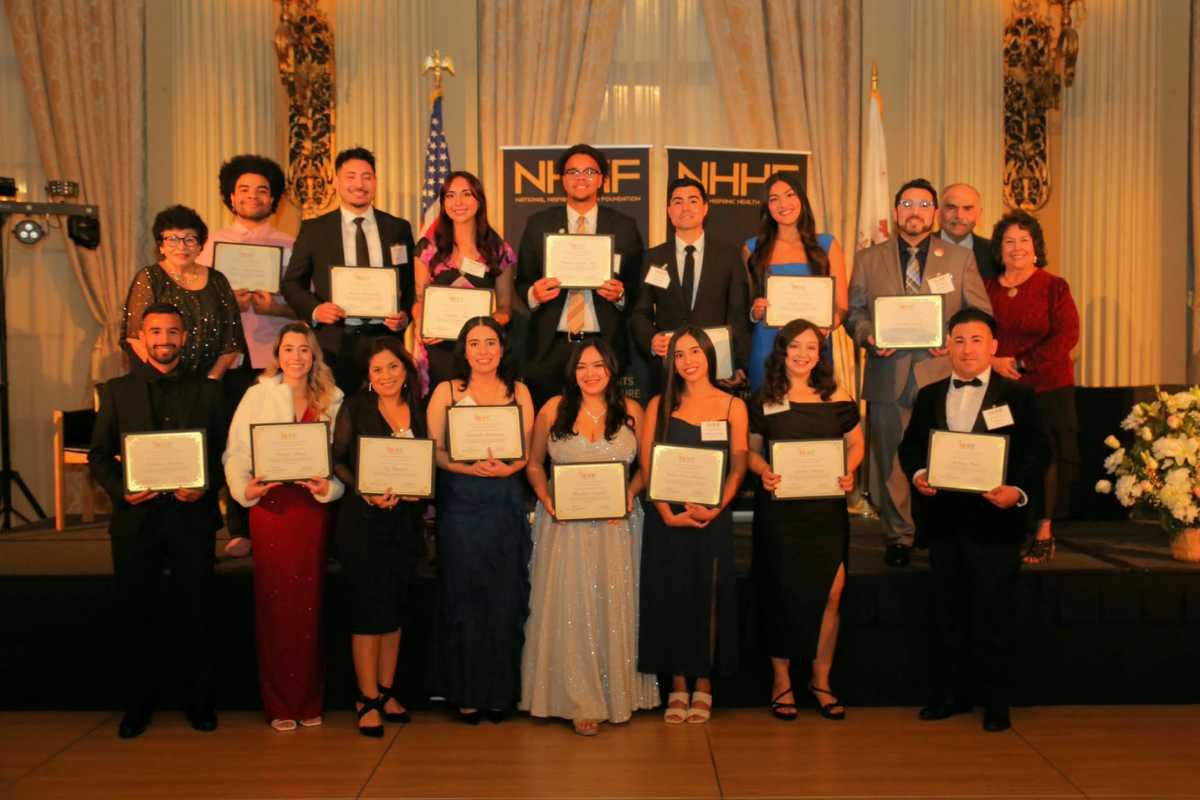
To broaden its impact across all health professions, Dr. Elena Rios and her colleagues later established the National Hispanic Health Foundation (NHHF) as a multidisciplinary umbrella organization for Hispanic health professionals. Over time, NHHF expanded its scholarship programs, partnerships, and leadership initiatives to strengthen Hispanic representation in healthcare and advance equity at scale. At the NHHF’s and NHMA’s 30th anniversary in 2024, Dr. Rios announced she accepted the NHHF Board’s offer to devote herself fully as its President, marking a new chapter in her journey.
The most recent period has been one of rebuilding and modernization: rebranding the organization’s platforms, adopting digital tools such as Constant Contact, Feather, PropFuel, and Google Ads, and enhancing outreach through social media, newsletters, and targeted metrics. Through this work, she continues to honor her family’s legacy, transform the systems that once excluded them, and build a more inclusive and just healthcare future for Hispanic communities.
Three Decades of Empowering Hispanic Health Leaders
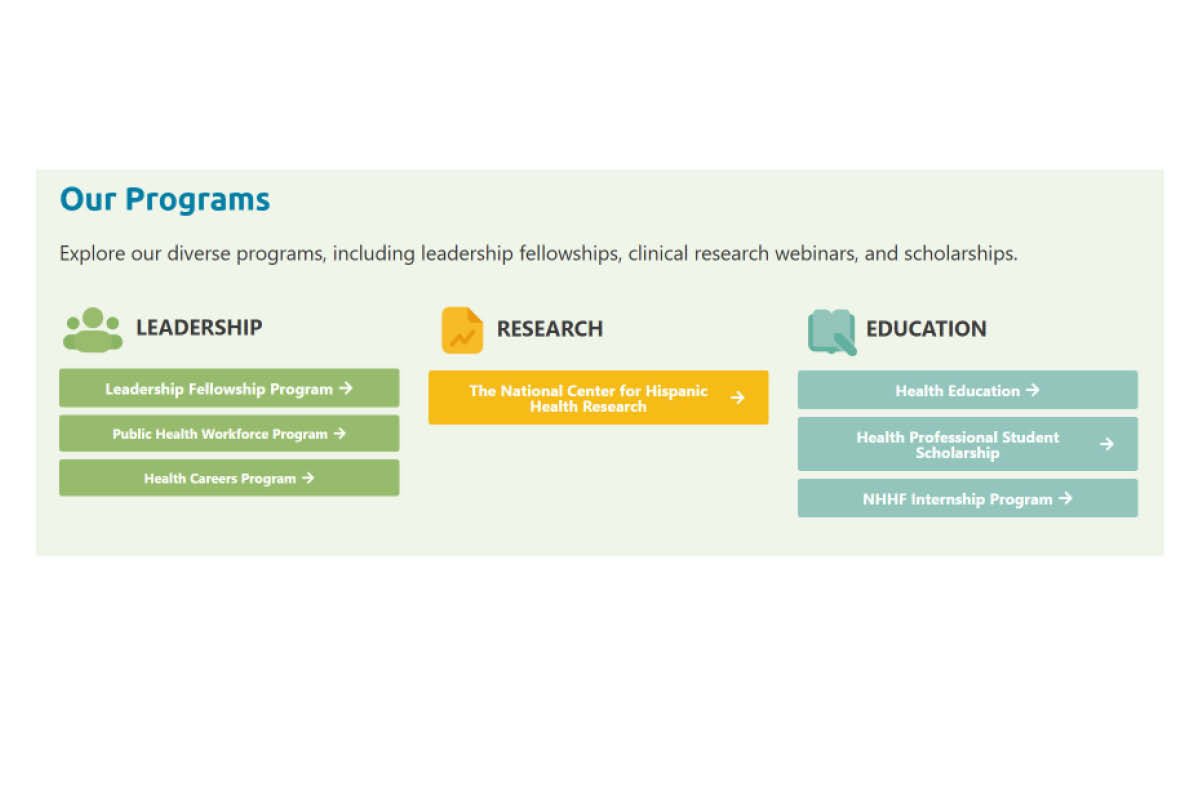
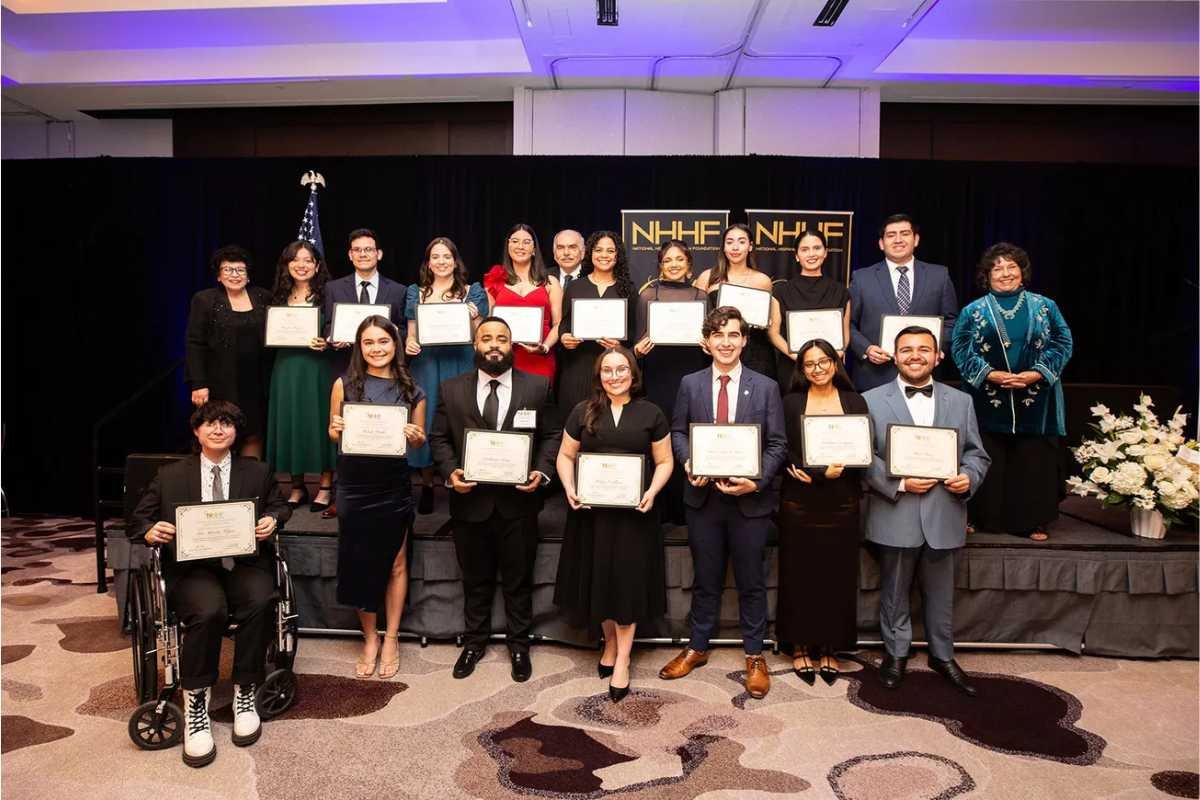
The National Hispanic Health Foundation (NHHF) is committed to transforming the healthcare system to better serve Hispanic communities through leadership, research, and education. Founded in 1994, NHHF has spent over 30 years creating opportunities for Hispanic healthcare professionals by offering scholarships and pre-health pathways for students, promoting diversity in the public health workforce, and ensuring Hispanic representation in clinical trials.
The organization works closely with public and private partners to raise awareness about critical healthcare challenges and implement innovative solutions that promote a more sustainable, equitable, and accessible healthcare system.
Its programs focus on leadership development, clinical research webinars, and educational scholarships to address important gaps in representation and build a diverse healthcare workforce.
A Data-Driven Approach to Inclusive Healthcare
NHHF’s mission is to transform healthcare through leadership, research, and education to advance Hispanic health equity. Through its Hispanic Health Professionals Network (HHPN), NHHF will continue to connect students, clinicians, researchers, and executives committed to expanding career pathways, increasing diversity in clinical research, and developing the next generation of health leaders.
To better serve its partners, NHHF will further strengthen its use of advanced data systems to segment their databases by title, organization, education level, geography, discipline, and research engagement. Building on its existing database of an estimated 50,000, the foundation will expand its capacity to inform workforce development and research initiatives across the healthcare system. These efforts will support a more inclusive healthcare future that reflects and responds to the needs of Latino communities nationwide.
Through digital toolkits, virtual training sessions, and online data dashboards, NHHF will provide evidence-based strategies to help employers implement inclusive hiring practices and foster culturally competent work environments. Together, these initiatives will contribute to a stronger, more representative healthcare workforce.
NHHF Financial Impact at a Glance
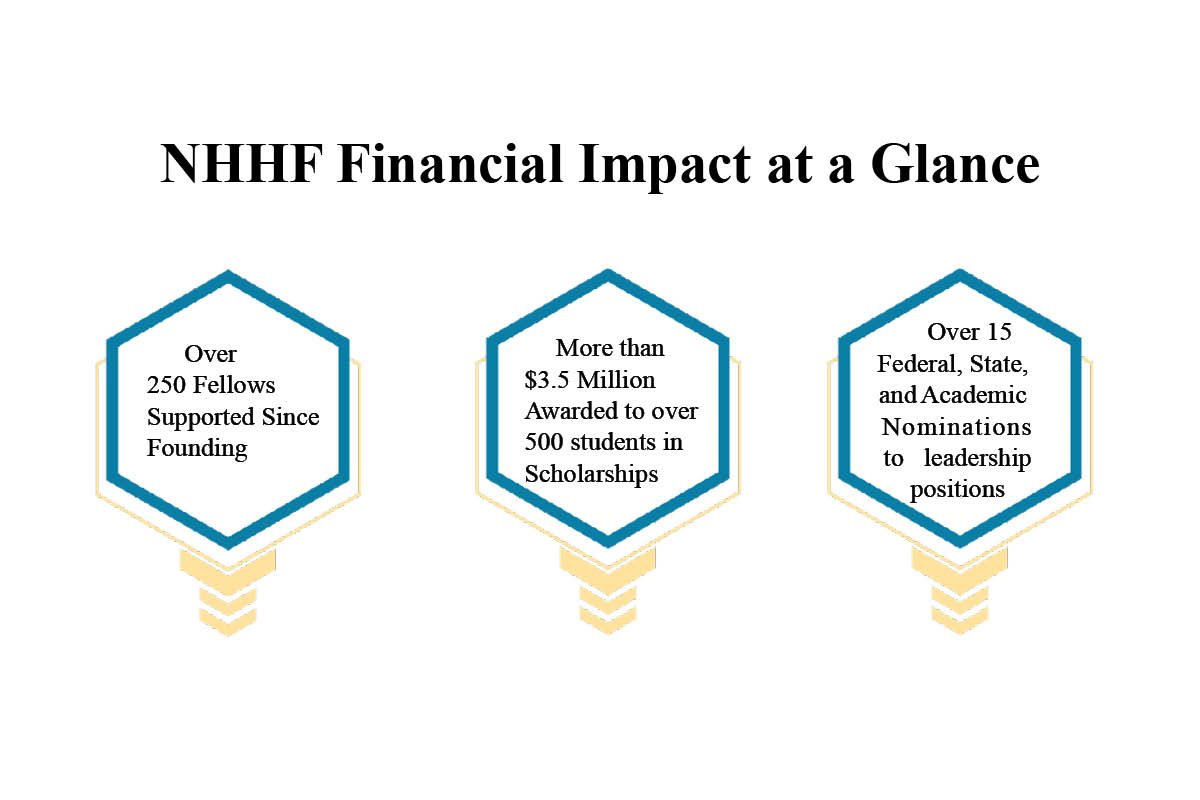
- Over 250 Physician Fellows Supported Since Founding
- More than $3.5 Million Awarded to over 500 students in Scholarships
- Over 15 Federal, State, and Academic Nominations to leadership positions
Preparing for a Digital Future in Healthcare
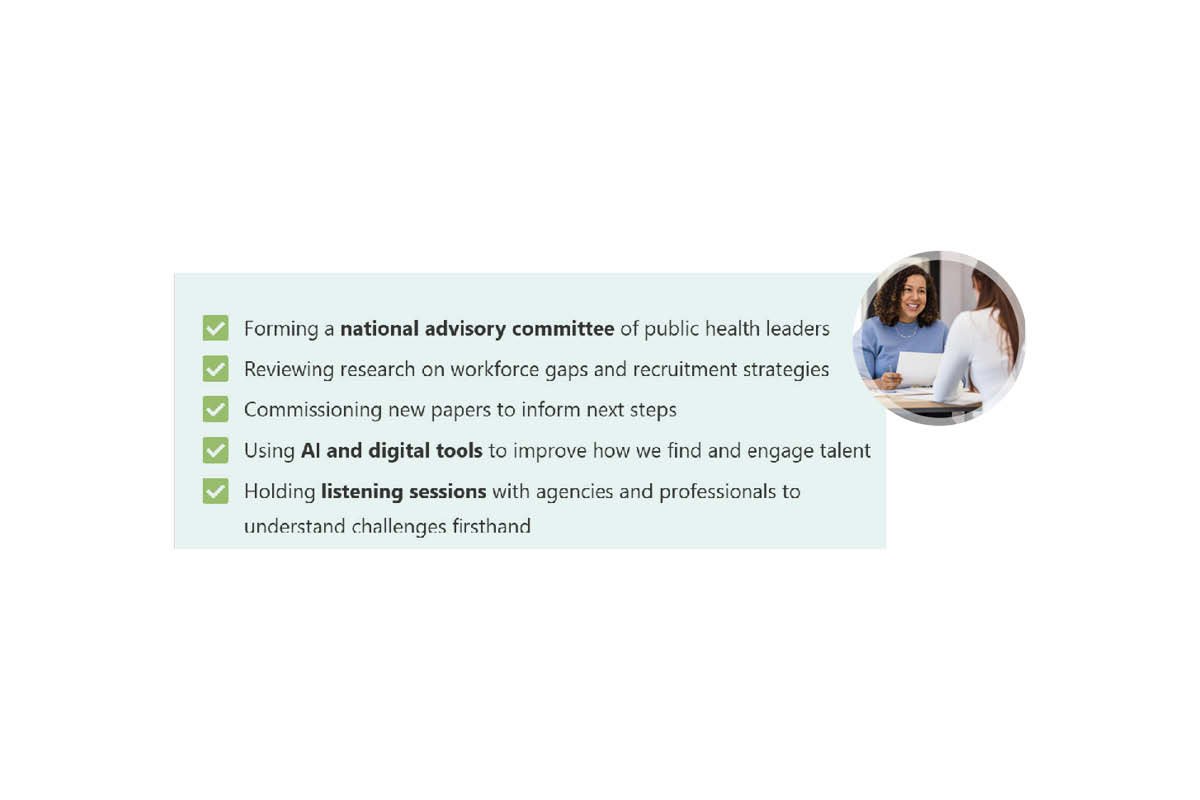
Funding and investment in healthcare technology have evolved significantly over the years, with artificial intelligence (AI) becoming a major driver of change. At NHHF, there is a strong recognition of AI’s growing impact on the healthcare workforce. To prepare partners and future leaders, NHHF has developed its 2026-2027 campaign, Stronger Workforce, Healthier Communities, in collaboration with the Centers for Disease Control and Prevention (CDC), focusing on creating specific strategies and tools for professionals, students, and public health departments to increase representation in underserved communities.
In 2024, the program released two digital guides: one to assist public health leaders and hiring officials with recruitment and retention, and another aimed at minority public health students considering their career options.
NHHF also presented its work at the American Public Health Association conference on “Diversifying the government Public Health Workforce.” This year and into 2027, the program plans to pilot test recruitment and retention tools.
Bridging Technology and Education for Better Health Outcomes
Dr. Elena Rios views healthcare technology as a powerful force transforming the way health professionals are trained and supported. Tools like virtual simulations, online learning communities, asynchronous discussion boards, self-paced training modules, and artificial intelligence are making education more flexible, inclusive, and closely aligned with real-world challenges. These technologies are expected to be implemented in future NHHF programs to support data-driven insights and continuous learning, with the goal of strengthening the public health workforce and improving healthcare outcomes for Hispanic communities.
Leading with Wisdom and Technology Together
Dr. Elena Rios emphasizes that artificial intelligence (AI) should be seen as a tool that enhances human capabilities, not replaces them. She believes that the most successful future leaders will combine awareness, wisdom, and compassion with AI to strengthen their humanity rather than diminish it. While technology will continue to change healthcare, it will never take the place of the essential role that doctors play or the human connection that lies at the core of patient care. Ultimately, AI should support the creation of more human-centered workplaces and elevate the values that define strong and effective leadership.
Open Letter for Emerging Leaders in Healthcare Innovation
Dear Future Leaders,
As you step into the exciting world of healthcare innovation, remember that true leadership is rooted in compassion, wisdom, and a deep commitment to equity. Technology, especially artificial intelligence, will be a powerful tool to amplify our efforts—not to replace the human connections at the heart of care. Embrace AI as a partner that enhances your ability to serve and lead with empathy.
The future challenges us to build healthcare systems that reflect the diverse communities we serve. Leadership is as much about understanding people as it is about mastering technology. Use your skills to create inclusive environments where innovation and humanity thrive together.
Stay curious, stay grounded, and never lose sight of the profound responsibility you have—to uplift lives, bridge gaps, and lead with purpose.
Warm regards,
Elena Rios, MD, MSPH, MACP
President, National Hispanic Health Foundation
5 Key Takeaways from Dr. Elena Rios’s Inspiring Impact on Hispanic Healthcare
- A Leader Shaped by Resilience: Dr. Elena Rios’s upbringing in a Mexican American family shaped her lifelong commitment to confronting inequities and expanding opportunities for future generations.
- Champion of Hispanic Representation: Through NHMA and NHHF, she has spent decades building pathways for Hispanic students and professionals in healthcare, strengthening leadership development for public and private healthcare organizations.
- Driving Equity Through Data and Research: NHHF uses strong data systems, research tools, and nationwide networks to improve workforce diversity, clinical trial representation, and public health leadership.
- Embracing Technology for Better Care: Dr. Rios promotes the use of AI, digital platforms, and virtual training to modernize healthcare education, improve access, and prepare the next generation for a tech-driven future focused on inclusive care.
- Humanity at the Heart of Leadership: She believes technology should enhance—not replace—human connection, encouraging future leaders to balance innovation with compassion, equity, and purpose.