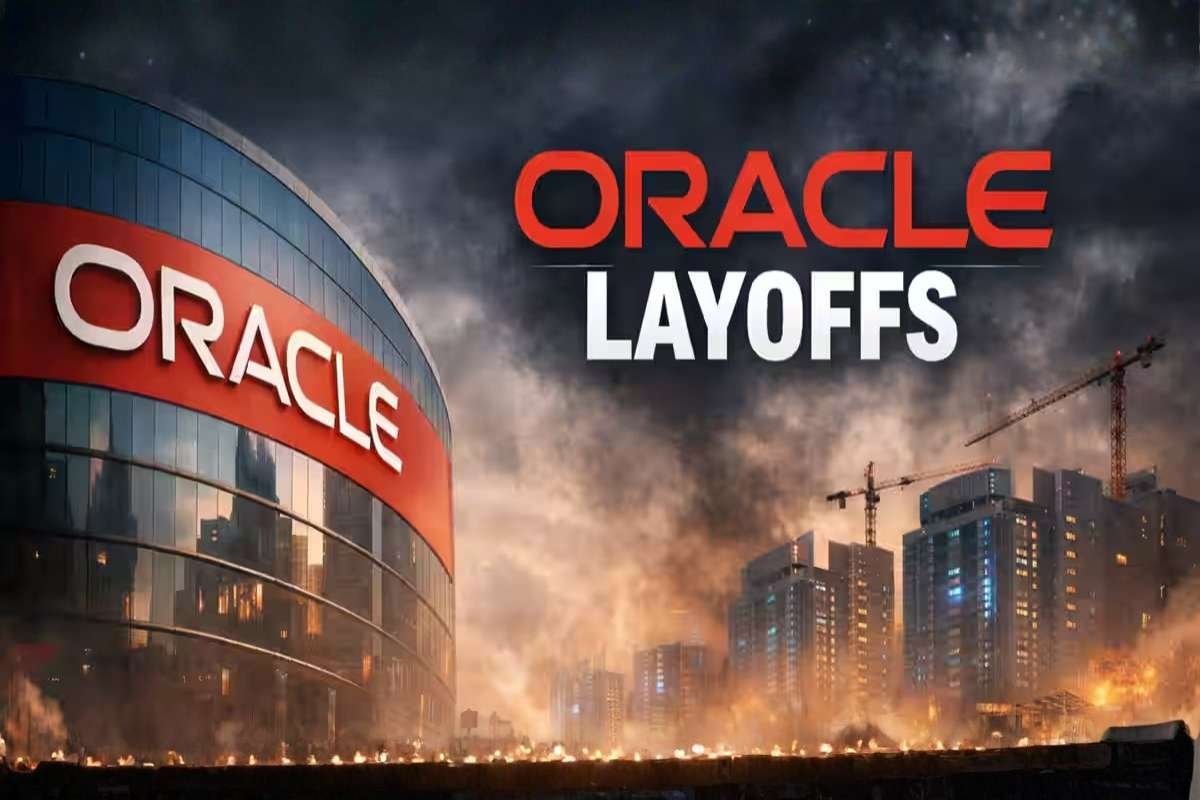
A recent wave of layoffs at Oracle Corporation has sent shockwaves through the global tech workforce, with employees turning to LinkedIn to share deeply personal accounts of job loss. The Oracle Layoffs, described by many as abrupt and unexpected, have not only disrupted careers but also triggered an emotional outpouring rarely seen at this scale.
Affected employees reported being informed through early morning emails or sudden loss of system access, leaving little time to process the news. For many, the layoffs marked the end of long tenures, amplifying the emotional impact. Posts circulating on LinkedIn reveal a mix of disbelief, frustration, and vulnerability, as professionals openly discuss the challenges of navigating sudden unemployment.
What stands out is the tone of these narratives. Beyond financial concerns, employees have expressed a sense of betrayal and uncertainty about the future. The Oracle Layoffs have highlighted how quickly job security can vanish in today’s volatile tech environment. As these posts gained traction, they also sparked wider conversations about corporate responsibility, transparency, and the human cost behind business decisions.
Strategic Shift Toward AI Reshapes Workforce
The layoffs at Oracle appear to be closely tied to a broader strategic transformation, as the company increases its focus on artificial intelligence and next-generation cloud infrastructure. Like many major players in the tech industry, Oracle is redirecting resources toward AI-driven innovation, which is rapidly redefining operational priorities.
This shift is not unique to Oracle. Across the technology sector, companies are reassessing workforce structures to align with automation, machine learning, and data-centric models. Once integral roles are now being reconsidered as businesses prioritize efficiency and scalability through AI systems. At Oracle, multiple divisions, including cloud, sales, and engineering, have reportedly been impacted.
From a business perspective, such restructuring is often framed as a necessary step toward long-term growth. By reducing operational costs and investing heavily in AI capabilities, companies aim to stay competitive in an increasingly digital-first economy. However, this transformation comes at a significant human cost, as thousands of professionals find themselves displaced.
The scale of Oracle Layoffs across the industry further underscores this trend. In 2026, the global tech sector has already witnessed tens of thousands of job cuts, signaling a major shift in how organizations approach talent and innovation. AI is no longer a supplementary investment—it is becoming the foundation upon which future business strategies are built.
Human Impact Reflects a Changing Work Culture
While the strategic rationale behind Oracle layoffs may focus on innovation and efficiency, the human stories emerging from this situation reveal a more complex reality. LinkedIn has effectively become a public forum where displaced employees share their journeys, seek support, and rebuild professional connections.
Many individuals have described the experience as a wake-up call, emphasizing the fragile nature of job security in today’s fast-evolving landscape. Others have highlighted the importance of adaptability, continuous learning, and strong professional networks in navigating uncertainty. The visibility of these experiences has also fostered a sense of community, with peers offering encouragement, referrals, and job leads.
Severance support for affected employees varies, typically depending on tenure and role. However, discussions online suggest that such packages may not fully address the emotional and financial challenges of sudden unemployment. This has reignited debates around how companies can better support their workforce during periods of transition.
Ultimately, the layoffs at Oracle Corporation reflect a broader transformation underway in the global job market. As organizations accelerate toward AI-led growth, the nature of work is being fundamentally redefined. For many professionals, this moment serves as both a disruption and a turning point, one that underscores the need for resilience in an era where change is constant and often unpredictable.