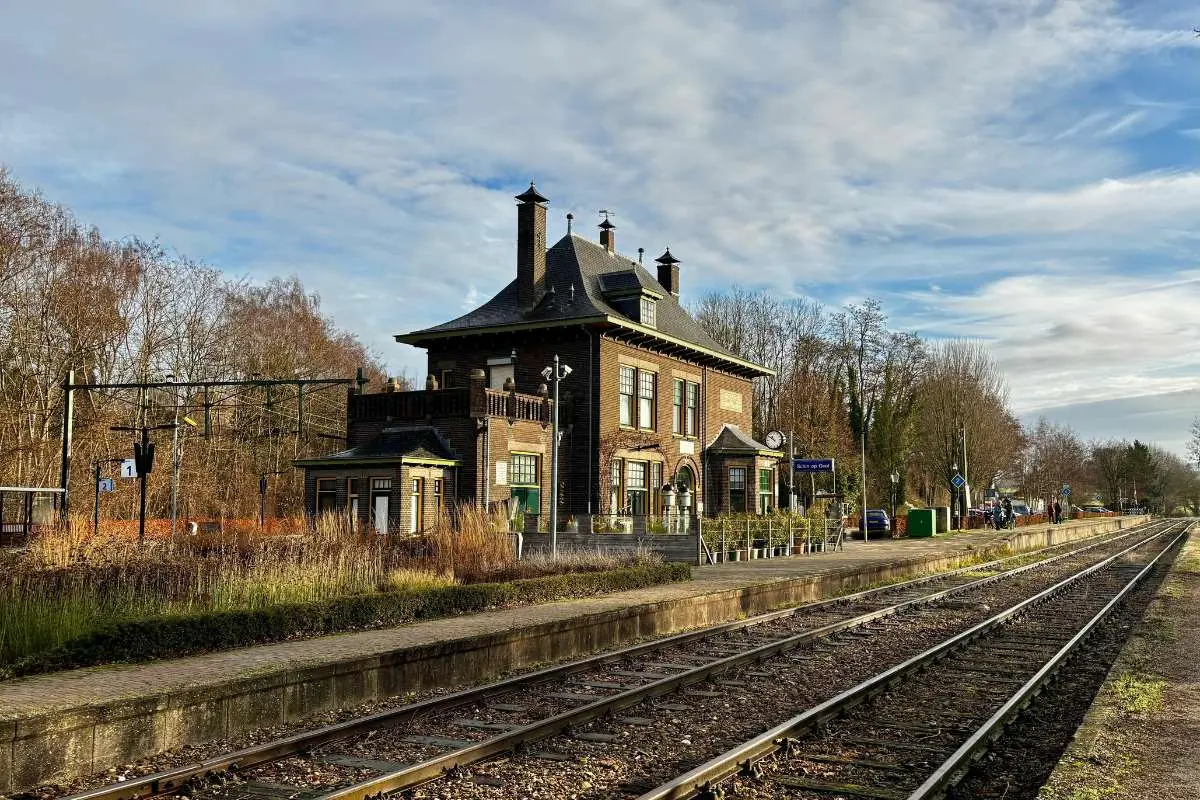
A crowded platform. A loud whistle. A rush to catch the train. Feels normal today, doesn’t it?
But there was a time when this scene did not exist at all. No platforms. No schedules. No idea that people could move this fast. Then came a place that changed everything, the oldest railway station in the world.
Back then, people did not just arrive to travel. They arrived to watch. To question. To doubt. A machine pulling heavy carriages felt unreal. Some believed it would fail. Others feared it. Yet, when that first train moved, something bigger shifted. Distance started losing its power. Time began to shrink.
That station was not just a stop. It was a bold statement. It told the world that movement could be faster, easier, and open to many. Trade picked up. Cities grew. People started thinking beyond their immediate surroundings. All because one station dared to exist.
Now here’s something to think about: every time you wait for a train, are you just passing time, or standing on a piece of history shaped by the oldest railway station in the world?
Origin of Railways and Railway Travel (Year-wise History)
The journey to the oldest railway station in the world did not begin overnight. It took years of ideas, experiments, and bold risks.
- Early 1800s – The Idea Takes Shape
- Before passenger railways, mines used simple tracks. Horses pulled wagons. These early systems showed that guided paths improved movement.
- 1804 – First Steam Locomotive
- Richard Trevithick built the first steam locomotive. It proved that machines could replace horses.
- 1825 – The First Public Railway
- The Stockton and Darlington Railway opened. It allowed both goods and passengers. This moment laid the groundwork for the oldest railway station.
- 1830 – Passenger Rail Boom
- The Liverpool and Manchester Railway was launched. It became the first fully operational intercity railway. Stations became essential.
- 1830s-1840s – Birth of Railway Stations
- With rising travel demand, structured stations appeared. The oldest railway station in the world emerged during this era, marking a turning point in transport.
- Late 1800s – Expansion Across Continents
- Railways spread across Europe, the US, and India. Stations evolved into architectural landmarks.
- 1900s – Modernization Begins
- Electric trains replaced steam in many regions. Yet the legacy of the oldest railway station remained strong.
What Defines the Oldest Railway Station In The World?
The title of the oldest railway station depends on continuous operation, historical records, and original structure. Some stations opened early but changed location or design. Others remained active and preserved their legacy.
Most historians recognize Crown Street Railway Station in Liverpool as the earliest purpose-built passenger station.
Top 10 Oldest Railway Stations in the World
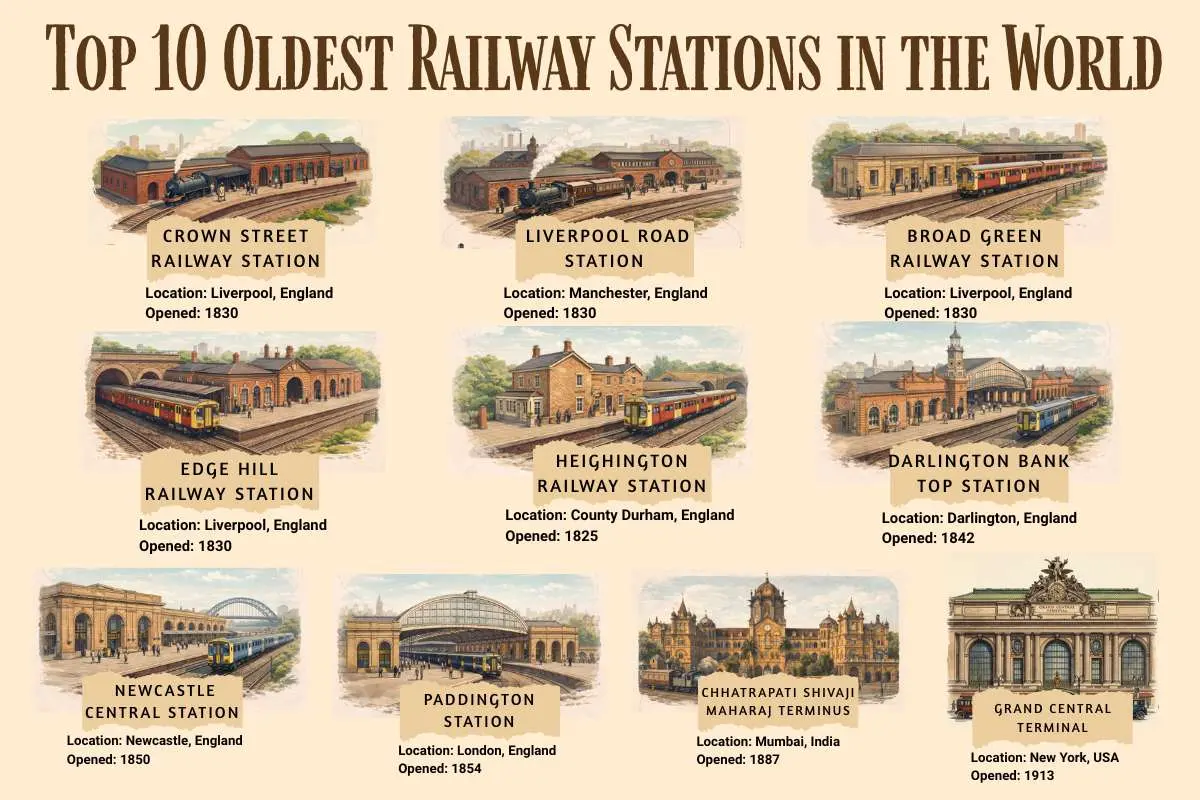
Here’s a carefully arranged list from the earliest to later historic stations.
1. Crown Street Railway Station
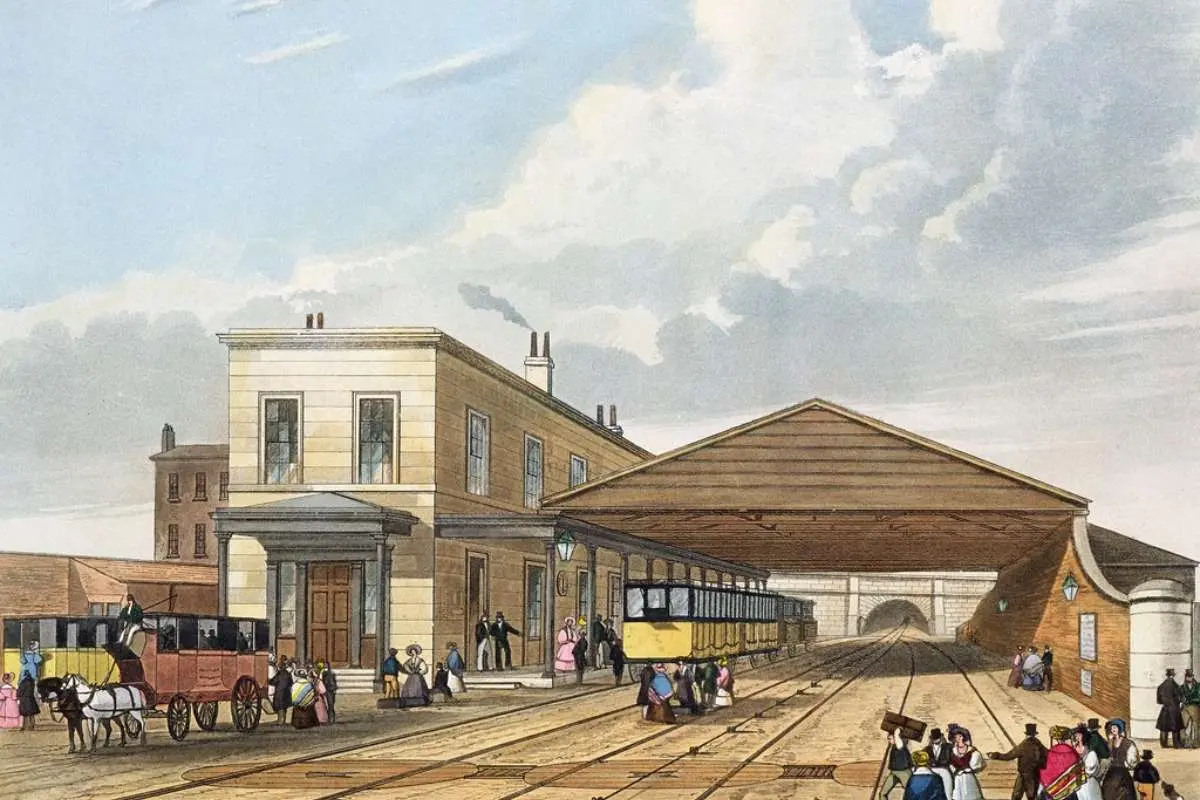
Location: Liverpool, England
Opened: 1830
Current Status: Closed
Crown Street did not just open a railway line. It opened a new way of thinking. Known as the oldest railway station in the world, it served the groundbreaking Liverpool and Manchester Railway. This was the first time a station handled regular passenger services with structure and discipline.
Before Crown Street, travel lacked order. People moved without fixed systems. This station changed that. It introduced ticket counters, waiting areas, and scheduled departures. These ideas feel basic today, but in 1830, they were revolutionary.
The station faced a serious limitation. Space. Liverpool’s growing demand for rail travel quickly outpaced its capacity. Trains could not expand operations due to their location. Within just six years, the station shut down in 1836.
Despite its short life, its impact remains unmatched. The oldest railway station proved that railways could move people on a large scale. It set the foundation for modern station design, operations, and passenger management. Every station today still follows systems first tested here.
2. Liverpool Road Station
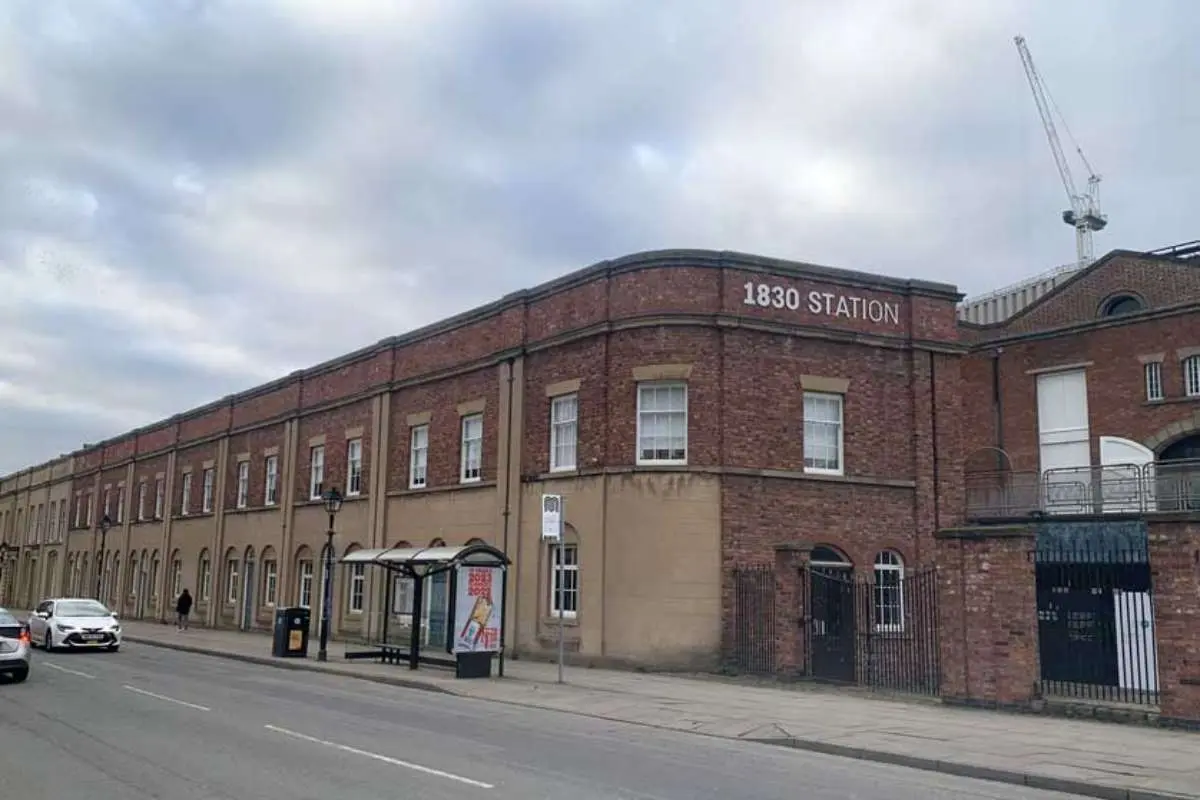
Location: Manchester, England
Opened: 1830
Current Status: Museum
Liverpool Road Station stands as one of the earliest surviving railway stations in the world. It served as the Manchester terminus of the Liverpool and Manchester Railway. While Crown Street earned the title of the oldest railway station in the world, Liverpool Road carried forward its vision.
This station handled both goods and passengers. It showed how railways could support trade and daily travel at the same time. Its design focused on function over beauty. Warehouses stood next to platforms. Tracks connected directly to storage areas.
The station later closed for active service but avoided demolition. Today, it forms part of the Science and Industry Museum. Its preserved buildings show how early engineers solved real problems with simple materials and practical layouts.
Liverpool Road represents continuity. It took the lessons from the oldest railway station and applied them on a larger, more sustainable scale.
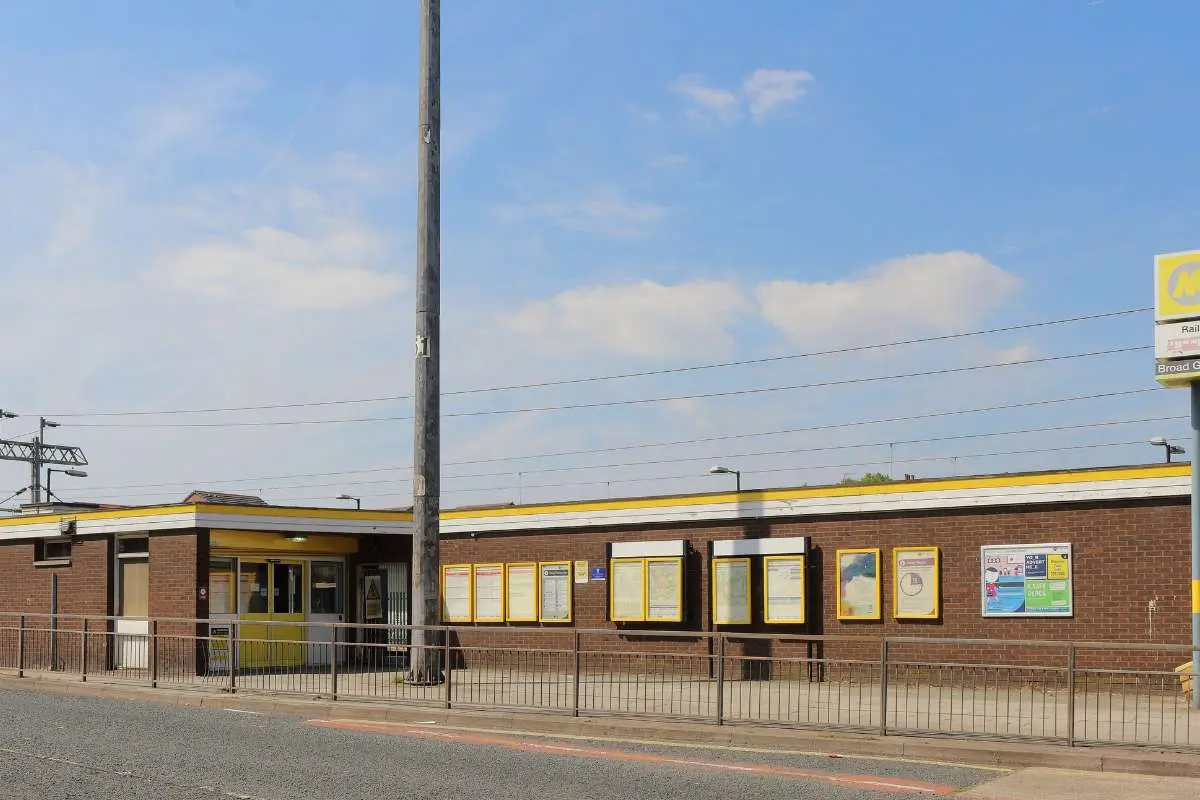
3. Broad Green Railway Station
Location: Liverpool, England
Opened: 1830
Current Status: Operational
Broad Green holds a rare distinction. It is the oldest railway station still operating on its original site. While the oldest railway station no longer functions, Broad Green continues to serve passengers nearly two centuries later.
Its survival tells a powerful story. Early railway engineers did not just build for the moment. They built with a long-term vision. The station’s layout, tracks, and positioning allowed it to adapt over time.
Broad Green also reflects how smaller stations played a key role in the network. Not every station needed to be massive. Some needed to be reliable and accessible. This balance helped railways expand efficiently.
Today, passengers use Broad Green without always realizing they stand inside living history. Its continued operation strengthens the legacy of the oldest railway station in the world by showing that early railway planning worked.
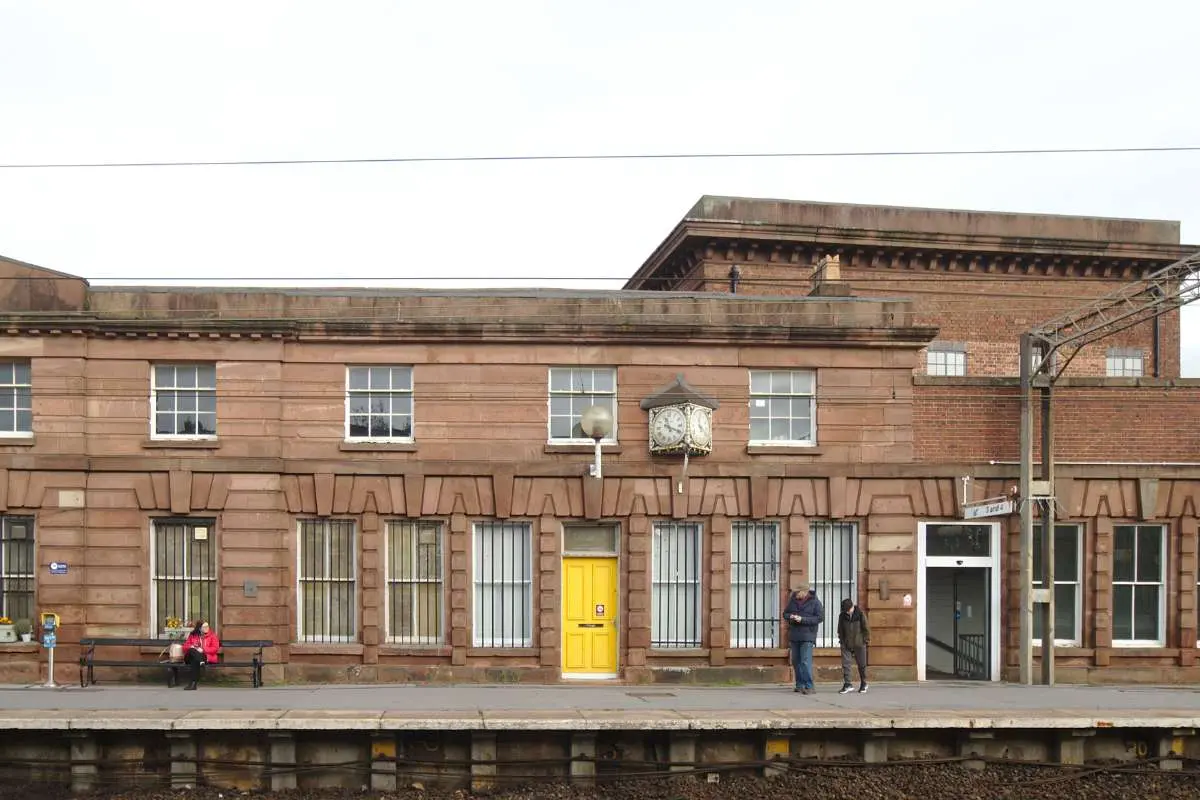
4. Edge Hill Railway Station
Location: Liverpool, England
Opened: 1830
Current Status: Operational
Edge Hill was more than a station. It was a technical solution. Positioned at a critical point, it connected the main railway line with tunnels leading into Liverpool. This made it one of the most important operational hubs of its time.
The station handled complex train movements. Early locomotives struggled with steep gradients. Engineers used stationary engines and rope systems to pull trains through tunnels. Edge Hill became the control point for these operations.
While the oldest railway station in the world introduced a structure, Edge Hill refined execution. It solved real engineering challenges that came with railway expansion.
Its continued operation today highlights its strong design and strategic importance. Edge Hill shows that early railway systems were not just bold ideas. They were carefully planned solutions.
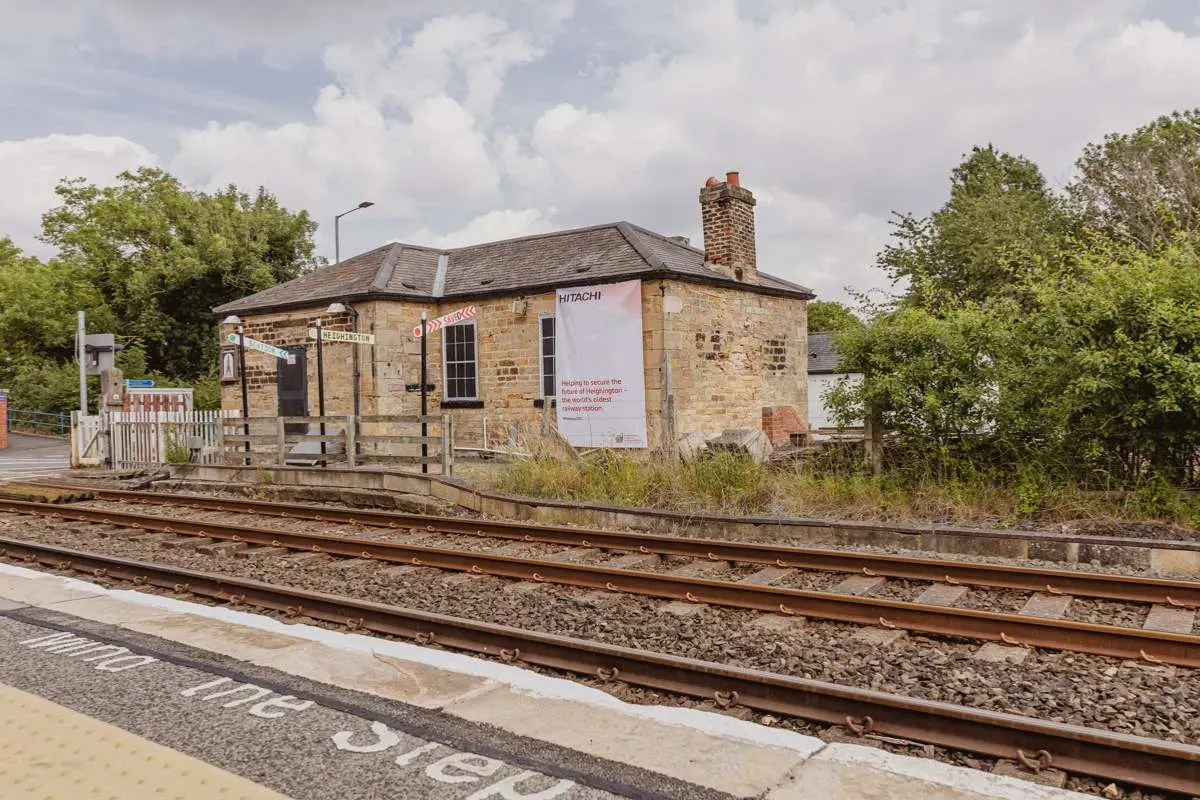
5. Heighington Railway Station
Location: County Durham, England
Opened: 1825
Current Status: Operational
Heighington takes the story even further back. It belongs to the Stockton and Darlington Railway, the first public railway to use steam locomotives. Opened in 1825, it predates the oldest railway station in the world as a concept, but differs in structure and purpose.
This station did not begin as a fully organized passenger hub. It functioned as part of a broader transport system focused on moving coal and goods. Passenger services existed, but they were not the primary focus.
Heighington shows the transition phase of railway history. It captures the moment when railways shifted from industrial tools to public transport systems.
Its continued operation today reflects its historical value. It stands as a bridge between early railway experiments and the structured systems introduced later by the oldest railway station.
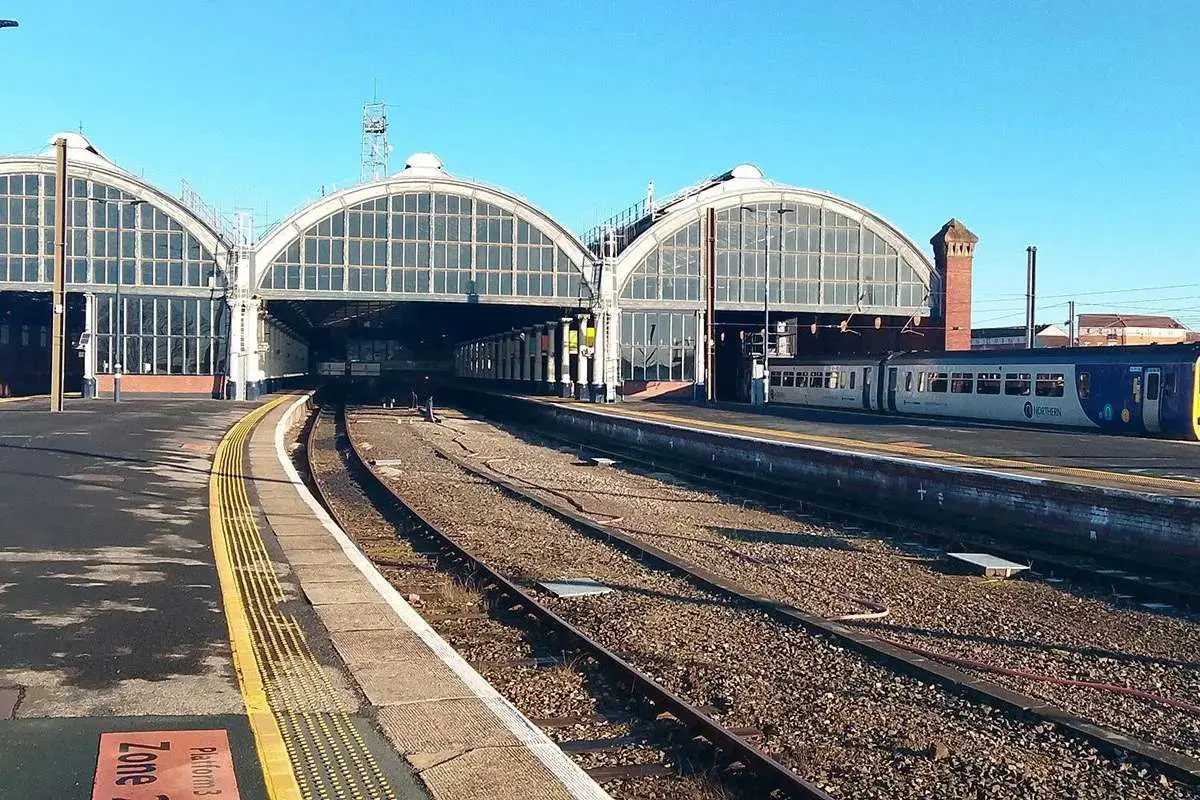
6. Darlington Bank Top Station
Location: Darlington, England
Opened: 1842
Current Status: Operational
Darlington Bank Top Station stands as a powerful reminder of how railways moved from small, local experiments to structured, long-distance systems. This station did not just serve passengers. It helped shape the idea of connectivity between cities.
During the early railway years, most routes focused on short distances. Darlington changed that pattern. It became a key junction that linked industrial towns, ports, and growing cities. This shift allowed goods like coal and textiles to travel faster and farther than ever before.
The station also reflects the early discipline of railway management. Timetables became more organized. Passenger handling improved. Infrastructure expanded to manage rising demand. Platforms grew longer. Tracks multiplied. Everything pointed to scale.
Darlington Bank Top was not just a stop. It was a signal. Railways were no longer local tools. They were becoming national networks.
7. Newcastle Central Station
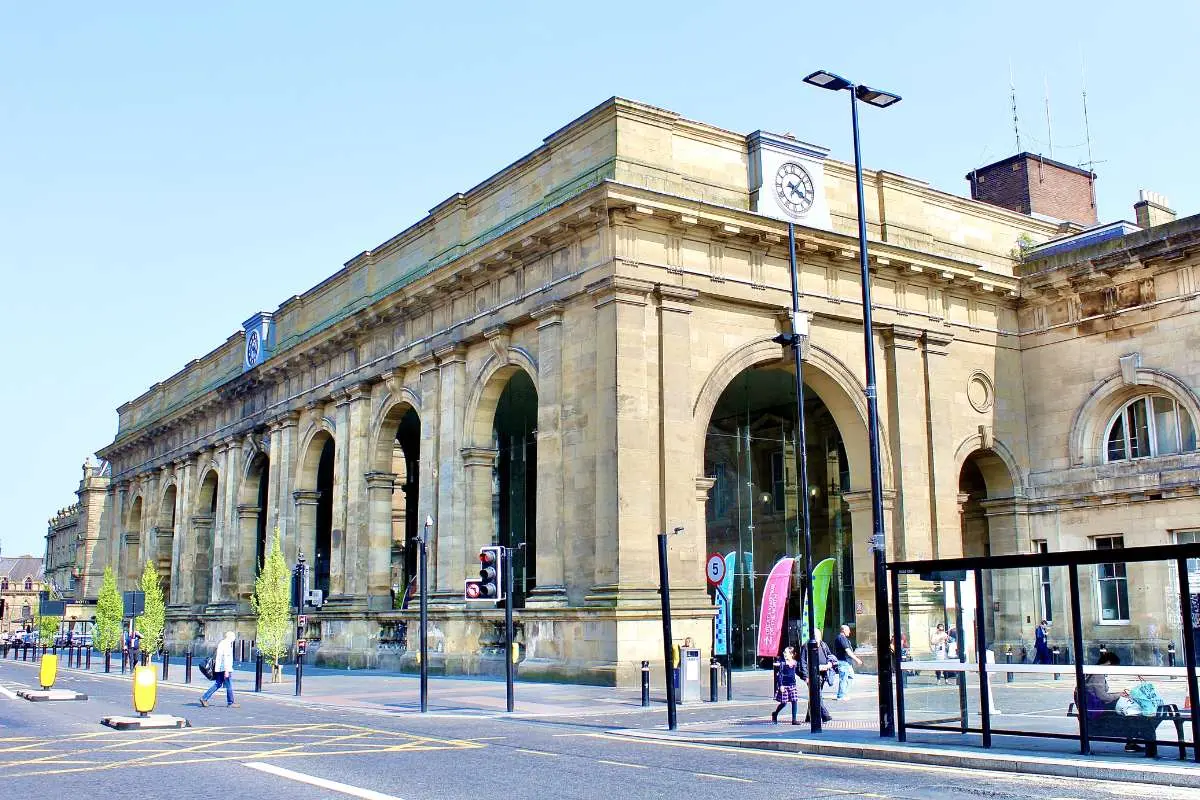
Location: Newcastle, England
Opened: 1850
Current Status: Operational
Newcastle Central Station marks the moment when railway stations transformed into statements of power and progress. This was not just about travel anymore. It was about identity.
Designed with sweeping curves and a grand façade, the station reflected confidence. Railways had proven their value. Now they wanted to show it. The architecture itself told a story, strong, bold, and built to last.
Newcastle became a major rail hub in northern England. It connected key industrial regions and supported economic growth. Trains carried coal, steel, and workers. The station handled increasing traffic with efficiency and scale.
This station also shows how railway systems began to think beyond function. Comfort improved. Waiting areas became more structured. Passenger experience started to matter.
Newcastle Central did not just move people. It elevated how rail travel was perceived.
8. Paddington Station
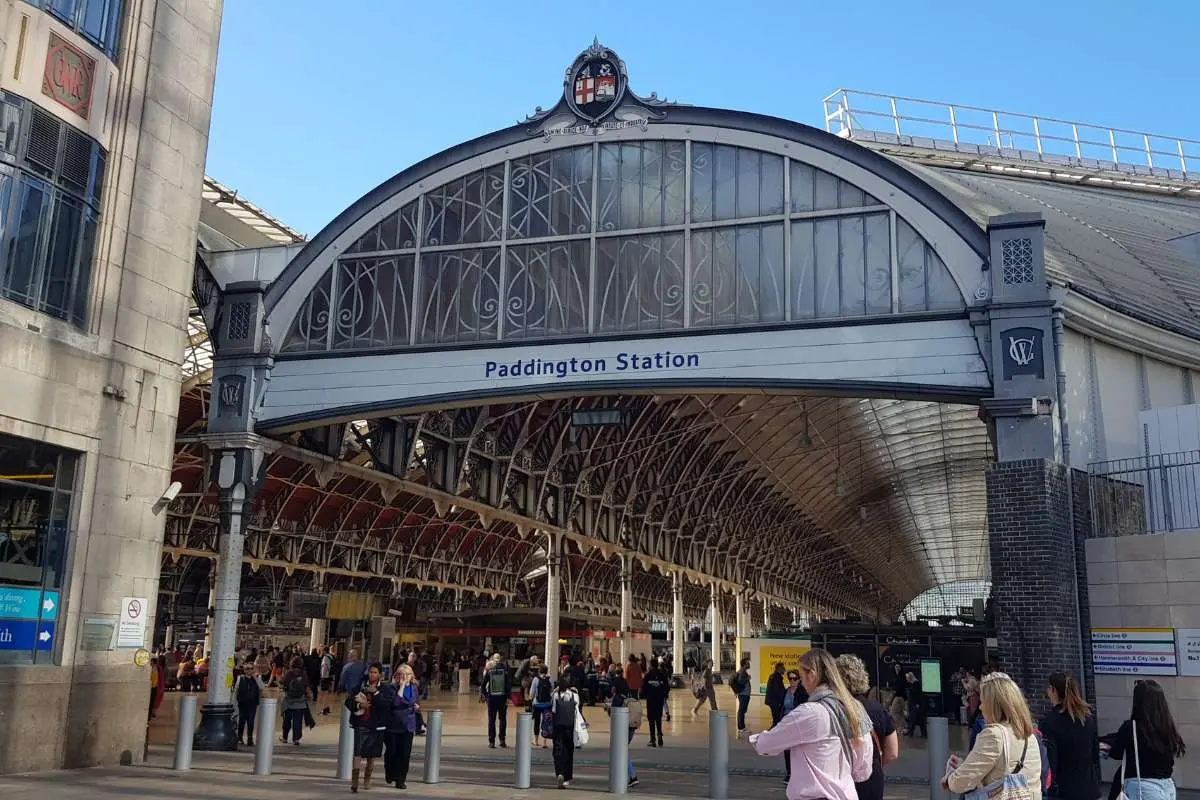
Location: London, England
Opened: 1854
Current Status: Operational
Paddington Station represents the perfect blend of engineering brilliance and visual elegance. Designed by Isambard Kingdom Brunel, the station pushed boundaries in both structure and style.
The wide-span iron and glass roof was a breakthrough. It allowed natural light to flood the space while covering large platforms. This design improved both function and atmosphere.
Paddington quickly became a major gateway to western England and beyond. It handled long-distance travel with precision. The station played a vital role in connecting London to growing regions.
It also marked a shift in how stations were viewed. No longer just transit points, they became landmarks. People recognized them. They trusted them.
Paddington is not just a station. It is a symbol of how railways matured into a refined, reliable system.
9. Chhatrapati Shivaji Maharaj Terminus
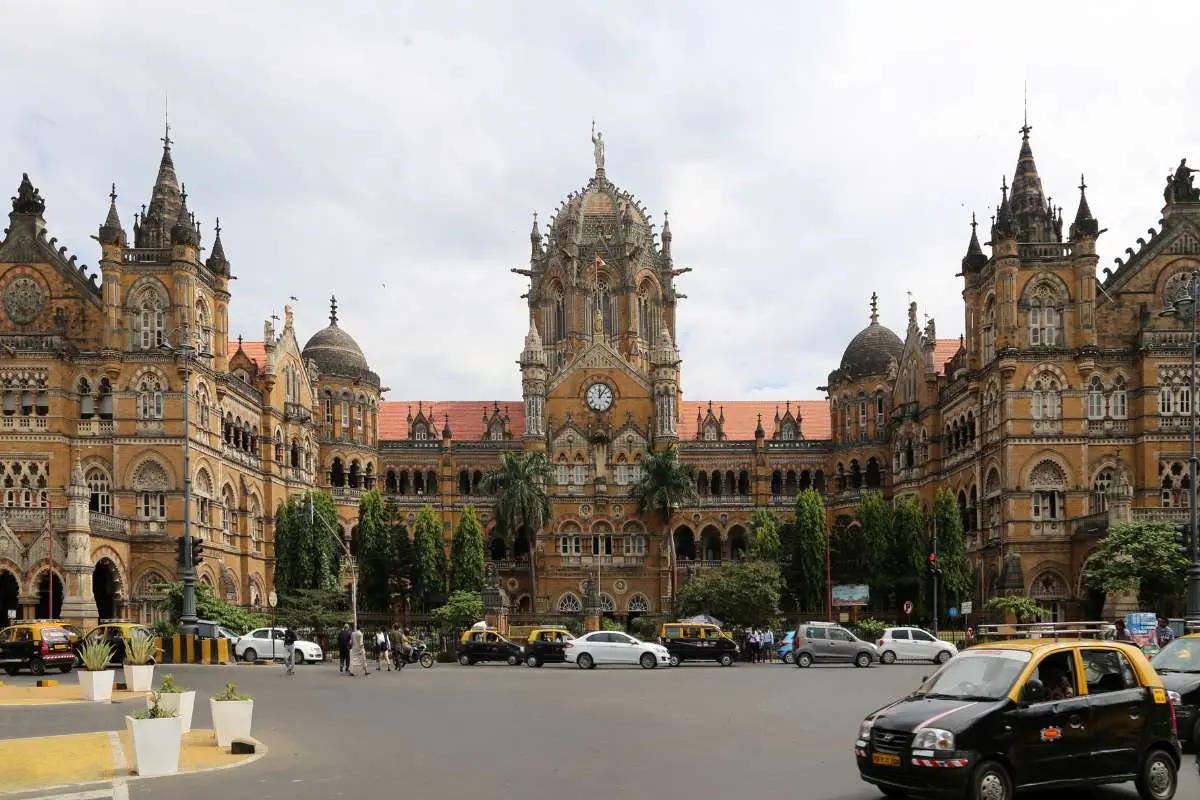
Location: Mumbai, India
Opened: 1887
Current Status: Operational
Chhatrapati Shivaji Maharaj Terminus reflects the global expansion of railways and their cultural adaptation. Built during British rule, this station combined Victorian Gothic design with traditional Indian elements. The result is both functional and artistic.
The structure features domes, arches, and detailed carvings. Every element carries a sense of scale and craftsmanship. It was designed to impress, but also to handle heavy traffic in a growing city.
This station became the heart of Mumbai’s rail network. It connects suburban lines with long-distance routes. Millions of passengers pass through it daily. That volume shows how essential railways became in urban life.
It also highlights how rail systems adapt to local needs. Climate, population, and culture shaped the design and operation.
Recognized as a UNESCO World Heritage Site, it stands as proof that railways are not just infrastructure. They are part of history and identity.
10. Grand Central Terminal
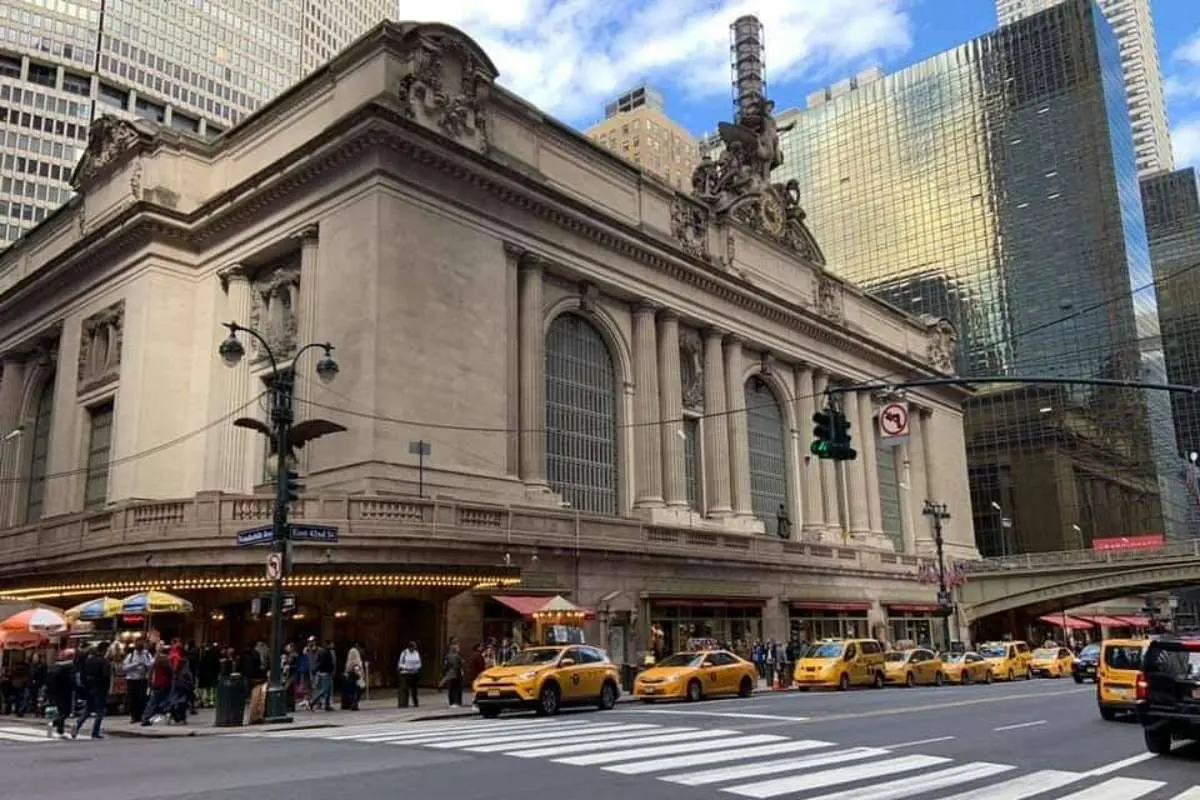
Location: New York, USA
Opened: 1913
Current Status: Operational
Grand Central Terminal represents the peak of railway ambition. Bigger. Faster. More organized. This station was built to handle scale like never before.
Its design focused on movement. Multiple levels separate incoming and outgoing traffic. This reduced congestion and improved efficiency. The concept still influences modern transport hubs.
The main concourse, with its high ceiling and iconic clock, became a symbol of New York itself. It balanced beauty with purpose. Every detail served both form and function.
Grand Central also introduced advanced systems for scheduling and passenger flow. It handled massive crowds without losing control. That level of planning set new standards for railway operations worldwide.
Even today, it remains one of the busiest stations. It proves that strong design and smart planning can stand the test of time.
Read Next: Inside the Railway Manufacturing Process Powering High-Speed Trains
Why the Oldest Railway Station In The World Still Matters?
The oldest railway station is not just a building. It represents innovation. It shows how people solved transport challenges with limited technology.
It also teaches planning. Early engineers designed systems that lasted for centuries. Modern transport still follows similar principles.
The influence of the oldest railway station in the world appears in ticket systems, platform design, and scheduling.
Evolution of Railway Stations
From the oldest railway station in the world to today’s smart stations, the transformation is huge.
Then:
- Basic platforms
- Minimal facilities
- Manual operations
Now:
- Digital ticketing
- High-speed trains
- Smart infrastructure
Yet, the foundation remains the same. Movement. Connection. Progress.
Global Impact of the Oldest Railway Station In The World
The oldest railway station sparked a global movement. Countries began building rail networks rapidly.
In India, railways became the backbone of the economy. Cities expanded. Trade improved.
Cultural exchange increased.
The idea born at the oldest railway station in the world still drives modern transport systems.
Conclusion
The journey that began at the oldest railway station in the world continues. What started as a bold experiment now powers global transport. That first station did more than move people.
It moved ideas, economies, and dreams. Today, when you stand on a platform, you are part of that same story. The tracks may look modern, but the spirit remains unchanged.
From steam engines to bullet trains, the journey reflects human ambition. And it all traces back to one simple beginning that changed everything.
FAQs
1. What is the Oldest Railway Station In The World?
Crown Street Railway Station in Liverpool is considered the oldest railway station in the world.
2. Is the Oldest Railway Station still operational?
No, Crown Street closed in 1836, but its legacy remains strong.
3. Which is the oldest working railway station today?
Broad Green Railway Station is one of the oldest still in operation.
4. Why is the Oldest Railway Station In The World important?
It marks the beginning of organized passenger rail travel.
5. How did the Oldest Railway Station impact modern travel?
It introduced systems like scheduling, ticketing, and structured platforms.