Securing Commercial Mortgages for Limited Companies allows your business to purchase or refinance property with the company listed as the legal owner. This structure effectively separates the asset from your personal finances and can offer meaningful tax advantages. In this guide, we’ll walk you through how the process works, what lenders look for, the documents you’ll need, and the costs involved so you can approach the transaction with confidence.
What Is a Commercial Mortgage for a Limited Company?
A commercial mortgage for a limited company is a secured loan used to purchase or refinance business property, where the company itself is the legal borrower and owner. The property acts as collateral, and the lender holds a first legal charge against it.
This differs from a residential mortgage in several ways. Lenders assess the company’s financial performance rather than personal income, terms typically run from 3 to 25 years, and deposits are significantly higher.
For those researching how commercial mortgages work, KIS Finance is one of the specialist finance brokers that operates in this space, alongside a broader market of independent advisers and direct lenders.
Who Can Apply?

Most lenders require the applicant to be a registered limited company with at least one to two years of filed accounts. Lenders look for a profitable trading history, a clear business structure, and evidence that the company can service the debt from its cash flow.
New companies with no trading history face significant hurdles and will typically need a strong personal financial profile from directors to support the application. The property itself must also qualify, with most lenders accepting offices, retail units, warehouses, restaurants, and mixed-use buildings.
What Are the Key Benefits of Buying Property Through a Limited Company?
Owning property through a limited company separates the asset from your personal estate. This means personal assets are not directly at risk if the business encounters financial difficulty, though personal guarantees can complicate this.
From a tax perspective, limited companies pay corporation tax on rental profits rather than income tax, which can result in a lower overall tax liability depending on your situation. The company can also offset mortgage interest against taxable income. For directors building a long-term property portfolio, the limited company structure allows reinvestment of profits at the corporate tax rate rather than drawing them as personal income.
What Types of Commercial Mortgages Are Available?

There are two primary categories when exploring Commercial Mortgages for Limited Companies. An owner-occupier mortgage is designed for businesses that intend to trade from the property themselves, while a commercial buy-to-let option is suited for companies purchasing property to lease to a third party.
Semi-commercial mortgages cover properties that combine residential and commercial use, such as a shop with a flat above it. These carry slightly different underwriting criteria.
Interest rates can be fixed, giving predictable monthly repayments, or variable, where the rate moves in line with the lender’s base rate. Most lenders offer repayment terms between 3 and 25 years.
How Much Deposit Do You Need?
Most lenders require a deposit of between 20% and 40% of the property value. The loan-to-value ratio on commercial mortgages typically sits at 60% to 75%, meaning you will need to fund the remaining 25% to 40% upfront.
The exact deposit depends on several factors: the type of property, the company’s financial strength, the sector it operates in, and the lender’s own risk appetite. Specialist or unusual properties, such as care homes or petrol stations, often attract higher deposit requirements due to their limited resale market. A stronger trading history and higher profitability can in some cases support a lower deposit requirement.
The Application Process: Step by Step
Step 1: Preparation and Research
Before approaching any lender, gather the core documents: at least two years of company accounts, recent business bank statements, a business plan, and details of the target property. Check the company’s credit profile and ensure there are no outstanding county court judgements that could affect the application.
Step 2: Choosing Between a Direct Lender and a Broker
At this stage, you decide whether to approach a lender directly or work through a commercial mortgage broker. It is worth understanding the distinction here. Mortgage brokers operate in the secured lending market and help businesses find suitable loan products. This is entirely separate from forex brokers, who operate in the foreign exchange market and facilitate currency trading. The two serve completely different functions, and the term broker means something very different depending on the financial context.
A commercial mortgage broker can access a wider panel of lenders, including specialist and challenger banks that do not deal directly with the public. For complex limited company applications, using a broker often results in faster decisions and more suitable terms.
Step 3: Submitting the Application
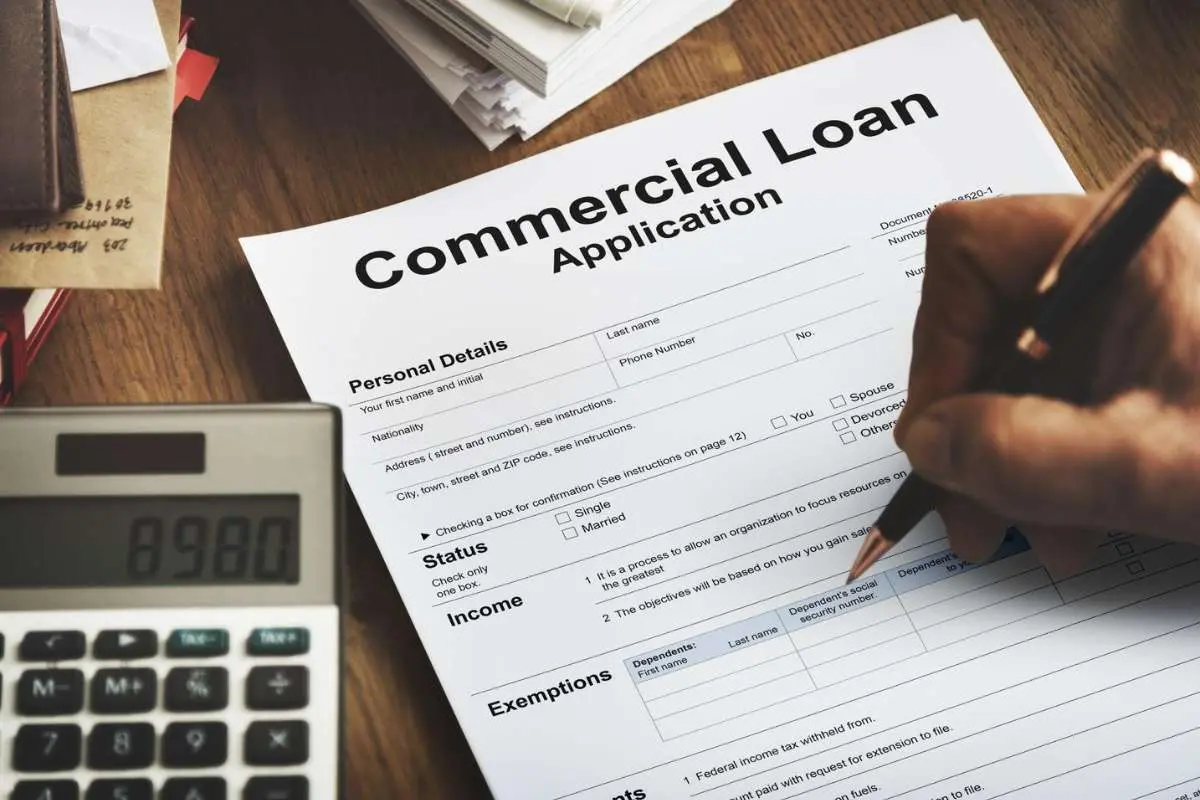
The formal application includes details of the business structure, directorship, company financials, and the property being purchased. Lenders will ask for the property address, purchase price, intended use, and your proposed deposit amount.
Step 4: Valuation and Underwriting
The lender instructs a professional valuer to assess the property and confirm it provides adequate security for the loan. Simultaneously, the underwriting team reviews the company’s financial health, profitability, sector risk, and the directors’ backgrounds. This stage can take two to four weeks.
Step 5: Receiving the Formal Offer
Once underwriting is complete and the valuation satisfies the lender, a formal mortgage offer is issued. Review the terms carefully, including the interest rate, repayment structure, arrangement fees, and any early repayment charges.
Step 6: Legal Work and Conveyancing
Solicitors are instructed on both sides to handle contracts, property searches, title checks, and conveyancing. This stage is often the longest part of the process and can take eight to sixteen weeks depending on the complexity of the transaction.
Step 7: Completion
Once all legal work is finalised, funds are released, contracts are exchanged, and the property is registered to the limited company at the land registry. Monthly repayments begin at the agreed schedule.
What Documents Will You Need?
- Two to three years of filed company accounts
- Recent business bank statements (typically three to six months)
- A business plan outlining how the property fits your company’s strategy
- Details of the target property including asking price and intended use
- Tax returns and, where applicable, financial projections
- Director identification documents and proof of address
Some lenders may also request a schedule of existing assets or liabilities if the company holds other property or outstanding loans.
Do Directors Need to Provide Personal Guarantees?
In most cases, yes. Lenders will require one or more directors to provide a personal guarantee, which means the director accepts personal liability for the debt if the company defaults. This effectively removes one of the main protections that a limited company structure provides.
The extent of the guarantee varies. Some lenders require a full guarantee covering the entire loan amount, while others accept a limited guarantee capped at a percentage of the outstanding balance. Directors should take independent legal advice before signing any personal guarantee, as the implications can be significant for personal finances.
How Long Does a Commercial Mortgage Take to Complete?

Most straightforward commercial mortgage applications complete in six to twelve weeks. More complex cases, particularly those involving specialist properties or detailed underwriting, can take three to six months.
The key stages and their typical durations are:
The agreement in principle usually takes two to three working days. Property valuation and any required environmental reports take two to four weeks. Underwriting and credit approval can take several weeks depending on the lender. Legal work and conveyancing typically runs for eight to sixteen weeks.
High street banks tend to move slower than specialist lenders. If speed is a priority, a commercial bridging loan is a short-term alternative that can complete in as little as two to four weeks, though at a higher interest rate.
What Interest Rates Can You Expect?
Commercial mortgage rates are higher than residential rates because lenders view them as carrying greater risk. Rates vary widely depending on the loan-to-value ratio, the company’s financial profile, the property type, and whether the rate is fixed or variable.
Fixed rates offer certainty over repayments for a set period, which helps with financial planning. Variable rates are linked to the lender’s base rate or a reference rate and can move up or down over the loan term. Arrangement fees, valuation fees, and legal costs add to the overall cost of borrowing and should be factored into affordability calculations from the outset.
What Are the Risks of a Commercial Mortgage for a Limited Company?
The main risk is that the property secures the loan. If the company cannot meet repayments, the lender has the right to appoint a receiver and sell the property to recover the outstanding debt.
Personal guarantee obligations mean that a director’s personal assets can be at risk even within a limited company structure. Commercial property values can also fall, which may leave the company in negative equity if the outstanding loan exceeds the property’s current value. Cash flow pressure from monthly repayments needs careful management, particularly in the early years of ownership or during periods of low occupancy for buy-to-let properties.
Conclusion
Securing Commercial Mortgages for Limited Companies offers a structured way to acquire business or investment property while keeping the asset separate from personal finances. The process involves several stages, from preparing company accounts and choosing a lender to completing legal work and registering the title. While deposit requirements are generally higher than residential loans and personal guarantees are common, the timeline can stretch across several months for complex cases. Given the scale of the commitment, taking independent financial and legal advice before proceeding is always advisable.
Frequently Asked Questions
1. Can a limited company get a commercial mortgage?
Yes, a registered limited company can apply for a commercial mortgage to purchase or refinance business or investment property, with the company listed as the legal owner. Lenders assess the company’s trading history, profitability, and filed accounts rather than personal income.
2. How much deposit does a limited company need for a commercial mortgage?
Most lenders require a deposit of between 20% and 40% of the property value, reflecting a loan-to-value ratio of 60% to 75%. The exact amount depends on the property type, the company’s financial strength, and the lender’s risk criteria.
3. Do directors have to provide personal guarantees for a limited company commercial mortgage?
In most cases, yes. Lenders typically require one or more directors to personally guarantee the loan, meaning their personal assets could be at risk if the company defaults.
4. How long does it take to get a commercial mortgage for a limited company?
Most applications complete within 6 to 12 weeks, though complex cases involving specialist properties or extensive underwriting can take up to 6 months.
5. What are the tax benefits of buying commercial property through a limited company?
Limited companies pay corporation tax on rental profits rather than income tax, and can offset mortgage interest against taxable income, which can result in a lower overall tax liability compared to personal ownership.