Key Takeaways:
- Allegiant Sun Country Merger: $1.5 Billion Deal Combines 195 Aircraft to Combat Fuel Spikes
- The carrier is cutting Q2 capacity by 6.5% to protect margins during low-demand periods.
- Acquiring Sun Country’s Amazon cargo contracts provides a critical revenue hedge against energy shocks.
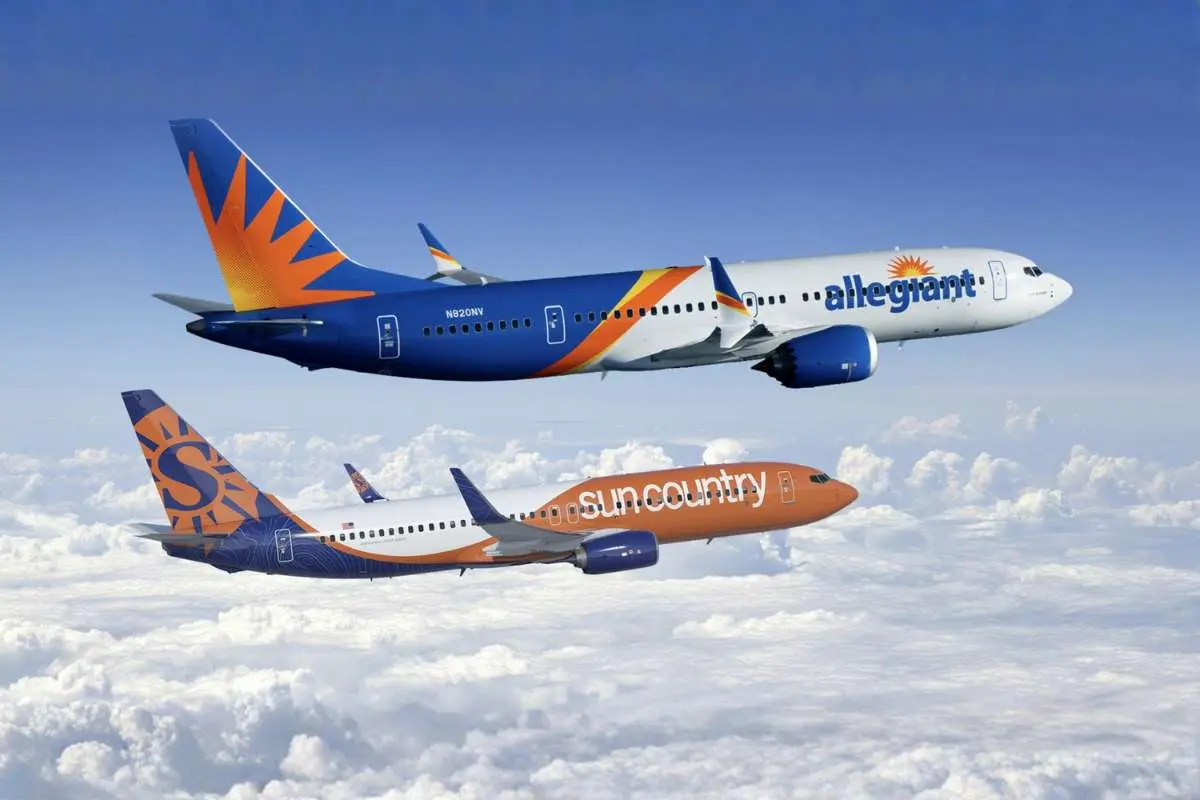
Allegiant Travel Co. completed its $1.5 billion acquisition of Sun Country Airlines on Wednesday, as executives said the combined carrier will limit capacity growth and focus on protecting profits amid rising jet fuel costs and industry turmoil.
Allegiant Expands Reach With Sun Country Acquisition
Las Vegas-based Allegiant finalized its acquisition of Minneapolis-based Sun Country after announcing the cash-and-stock agreement in January. The deal, including debt, creates a combined airline network serving about 175 cities through more than 650 routes.
Greg Anderson, chief executive of the combined company, said Allegiant will maintain its low-cost operating model while keeping the two airline brands and booking systems separate for now.
“Our model was built to protect margins and not chase growth,” Anderson said in an interview.
The acquisition comes during a turbulent period for U.S. budget airlines. Spirit Airlines, once among the nation’s fastest-growing discount carriers, shut down earlier this year in what industry observers called the largest U.S. airline collapse in a generation.
Airline Plans Flexible Capacity Amid Fuel Surge
Anderson said Allegiant and Sun Country will continue adjusting flight schedules based on travel demand instead of pursuing aggressive expansion.
The airline plans to increase flights during peak vacation periods, such as summer travel and spring break, while reducing service on slower travel days and during weaker demand periods.
“For example, we’ll pull capacity back and really park a lot of fleet on a Tuesday in September,” Anderson said.
The strategy is designed to help the airline maintain pricing power as carriers across the industry face sharply higher fuel expenses. Jet fuel prices have roughly doubled since U.S.-Israel attacks on Iran began in February, increasing costs for airlines nationwide.
Industry groups have sought federal assistance to offset fuel costs. The Association of Value Airlines, which includes both Allegiant Sun Country mergers, requested $2.5 billion in relief from the Trump administration last month. Transportation Secretary Sean Duffy said he did not believe the aid was necessary.
Despite higher operating costs, Anderson said demand remains strong among budget-conscious leisure travelers, the airlines’ primary customer base.
Analysts Say Low-Cost Strategy Shows Resilience
Allegiant reported a first-quarter profit of $42.5 million, up 32% from the same period last year. The company also said it expects second-quarter capacity to fall 6.5% compared with last year, while third-quarter capacity is expected to remain flat or slightly lower.
Sun Country also brings a cargo operation that flies for Amazon, adding another revenue source for the combined airline.
“It shows you some low-cost models can work,” said Raymond James airline analyst Savanthi Syth.
Budget and leisure-focused airlines remain much smaller than the nation’s largest carriers. Delta Air Lines, American Airlines, United Airlines, and Southwest Airlines together control about 80% of the U.S. domestic market, according to federal data.
Following the Allegiant Sun Country merger, executives said the combined company will continue focusing on underserved smaller cities and leisure destinations rather than directly competing with larger network airlines on major routes.