SpaceX’s preparation for an IPO is gradually revealing not only the financial parameters of the offering, but also the broader architecture of its business, where artificial intelligence plays a central role. This first wave of disclosed data sets the tone that is clearly distinct from that of other companies. The firm expects to raise up to $75 billion at a valuation of about $1.75 trillion, but this is based on a model marked by high capital intensity, growing risks, and dependence on long-term technological breakthroughs.
The SpaceX IPO public market debut has the potential to significantly reshape the IPO landscape, setting a new bar both in terms of deal size and investor tolerance for unprofitable yet fast-growing businesses. In an environment where capital is actively flowing into projects related to AI and infrastructure, such a large transaction could pull liquidity from the market while setting a higher benchmark for other listing candidates.

In particular, the Discord IPO will be under double pressure. The company — as well as other candidates considering an IPO — will need to compete for investor attention against larger and more technologically ambitious narratives, while also proving the sustainability of their own business models amid rising expectations for growth and monetization. As a result, the IPO window may remain open, but the entry conditions will become noticeably stricter, especially for companies outside the AI infrastructure segment.
The SpaceX IPO financial profile appears mixed. The Starlink segment remains profitable and generates steady cash flow, while investments in xAI actually push the company into a loss zone. The sharp increase in capital expenditures — to more than $20 billion per year — reflects a strategy of aggressive AI infrastructure scaling, with a significant share of spending directed specifically to computing power. As a result, SpaceX increasingly resembles a hybrid of an aerospace and AI holding company, where its traditional space business subsidizes the development of new segments.
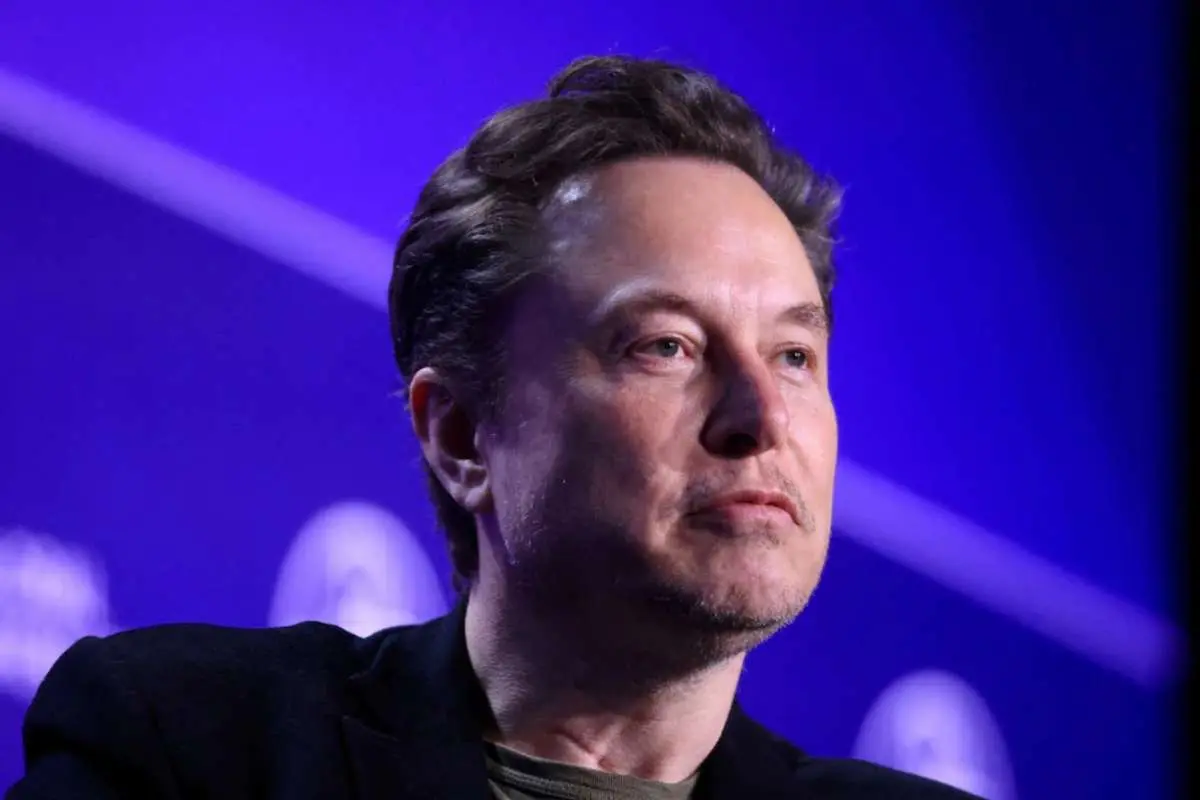
A key element of the investment case is the asset synergy that Elon Musk builds. In recent years, he has effectively consolidated an ecosystem linking SpaceX, xAI, and other projects. A further confirmation of this strategy was the potential deal with Cursor — the company can either be bought out for $60 billion or receive $10 billion as part of a strategic partnership. From a financial perspective, this means further expansion of investments in applied AI, particularly in software development automation tools, where xAI still lags behind competitors.
At the same time, SpaceX internal messaging appears more cautious than the public statements of its founder. The company explicitly states that projects for orbital data centers, lunar industrialization, and interplanetary infrastructure rely on untested technologies and may not reach the stage of commercial implementation. Dependence on the successful commissioning of the Starship rocket increases these risks: any delays or technical problems can slow down the implementation of the entire strategy and extend the payback period.
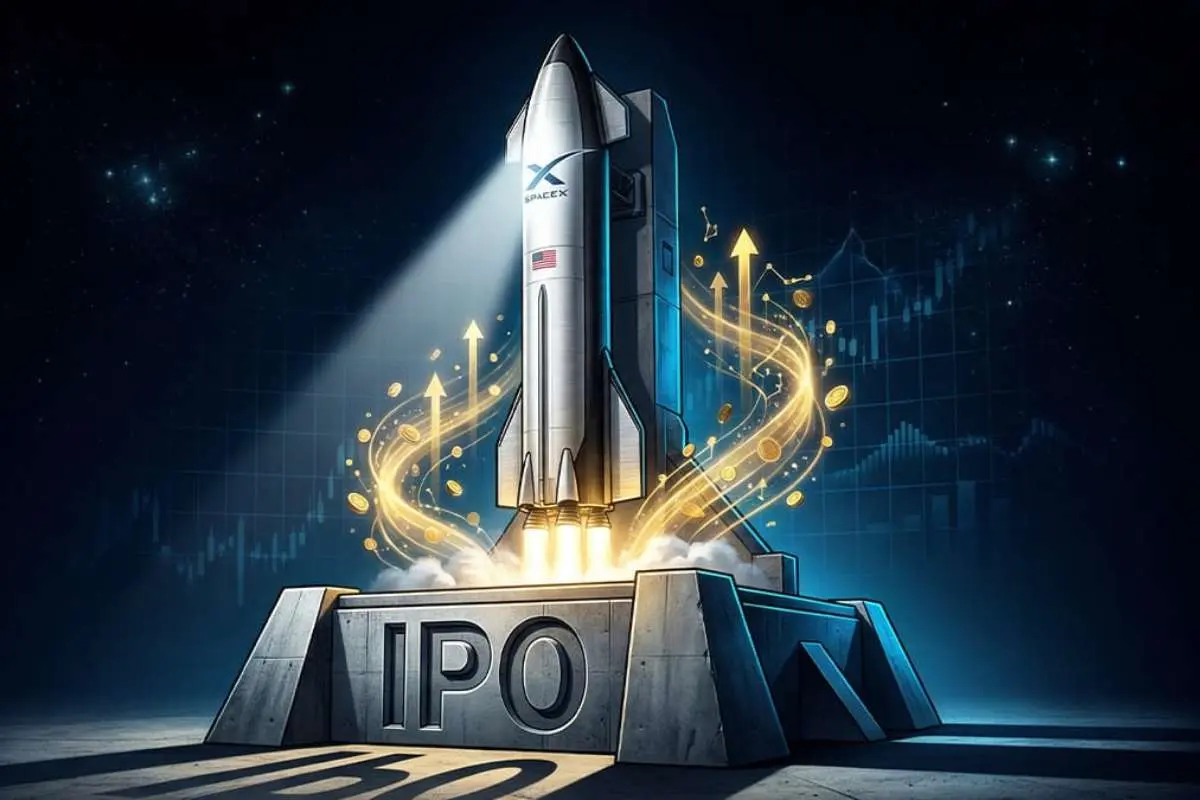
Thus, the SpaceX IPO presents a classic growth dilemma for investors. On the one hand, there is a unique combination of space business, telecommunications, and AI with the potential for trillion-dollar capitalization. On the other hand, there is a high degree of uncertainty associated with the scale of investments and technological risks. It is the balance between these factors that will ultimately determine whether SpaceX will become a defining success story of the public markets — or repeat the fate of companies whose ambitions have outstripped their financial stability.