What does Chernobyl look like today? The heavy air carries the weight of a sudden and cold loss. Broken glass and old beds tell a story of a life cut short. We feel a deep ache for those who left their homes behind. It is a quiet world where the past still haunts the grey walls.
The green woods now hide the scars of that dark and sad day. Nature covers the rust with soft leaves and tall, thick grass. Wildlife moves through the empty streets with a new and calm grace.
Today, we will take a look at the hauntedness of the city once filled with people. Let us step into the silence of this frozen land and explore what does chernobyl look like today through the ruins, forests, and stories left behind.
What really happened that night? The Chernobyl incident
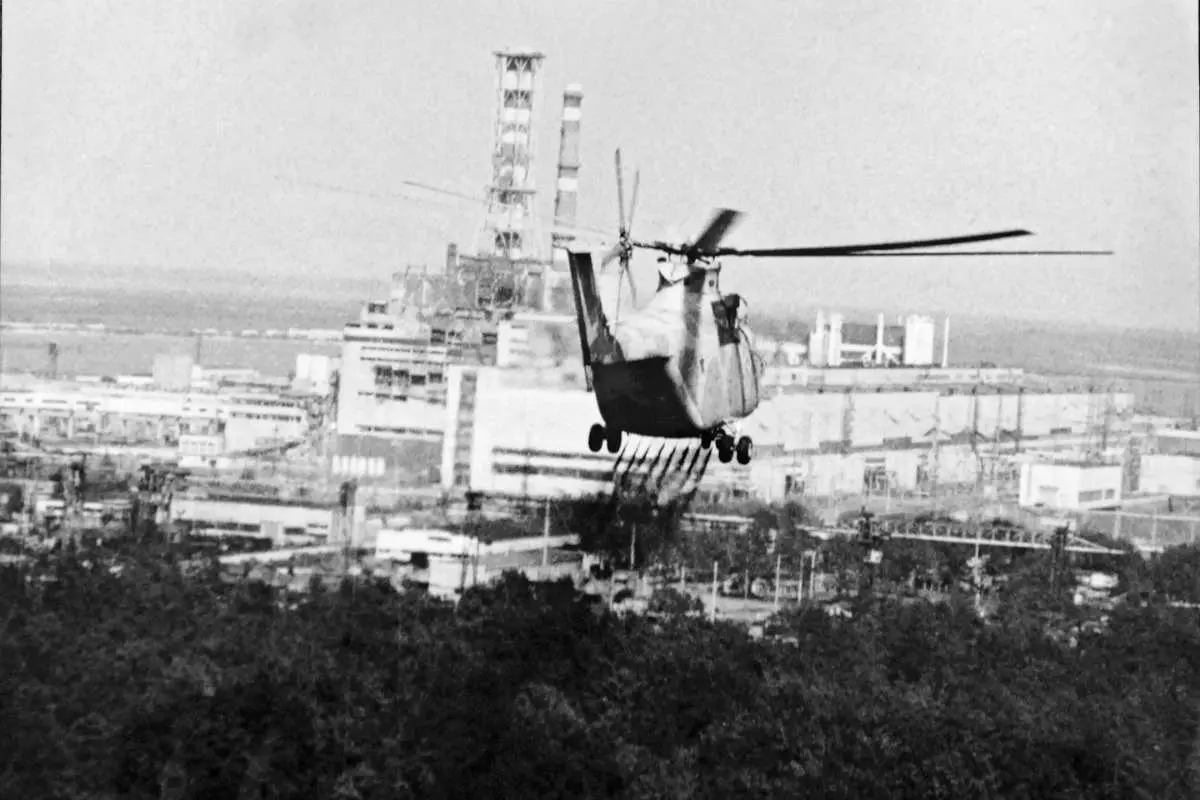
The Chernobyl drama series shows us a dark world of smoke and fire. It helps us feel the fear of the men in the plant that night. We see the blue light and hear the loud alarms in the halls. While the show is powerful, the true story is even deeper and sadder. To understand what does Chernobyl look like today, we must first understand how the disaster unfolded.
The night of the blast
The event began on a late night in April during a safety test. The crew wanted to see if the plant could stay safe if the power failed. A series of small mistakes led to a huge and sudden surge of heat. This force was too much for the steel and stone to hold. A loud blast tore the roof off the fourth reactor and lit the night sky.
The spread of dust
The open core sent a thick cloud of toxic dust into the air. This invisible mist moved with the wind over woods, farms, and homes. It was a silent threat that many did not see or feel at first. Local families went about their lives while the air around them changed. This tragic moment is the reason many people still ask, what does Chernobyl look like today, decades after the explosion.
The fight to save the world
Brave men called liquidators rushed to the site to fight the fire. About 600,000 people helped to clean up the waste and bury the dirt. Many did not have the right gear to stay safe from the rays. They worked in short shifts to limit the harm to their bodies. Their hard work stopped the fire from spreading to the other three reactors.
The giant shell
Today, a massive metal arch sits over the site of the fourth reactor. This shell is the largest movable steel structure ever built by humans. It was designed to keep toxic dust inside and rain outside for 100 years. This giant shield protects the world while teams work on plans to dismantle the reactor safely. It has become one of the strongest images linked to what does Chernobyl look like today.
Nature takes control
Without people, the area has turned into a vast green forest. Trees grow through the floors of old homes and schools. Wild wolves, bears, and horses now roam the silent streets. Life has found a way to survive in a place humans had to leave behind. This transformation is a major part of what does Chernobyl look like today.
The aftermath of chernobyl
The aftermath of the blast left a deep scar on the land and its people. After the fire was out, the full cost of the night became clear. It was not just a loss of power, but a loss of homes, health, and peace. Many brave souls gave their lives to stop the danger from growing.
The cost in lives
The blast killed two workers immediately, while many others became severely ill in the following days. About 134 workers suffered from acute radiation sickness. In the months after the disaster, 28 of those workers died. Thousands of children later developed illnesses linked to radioactive contamination in food and milk. The tragedy remains central to discussions about what does Chernobyl look like today and why the site still matters.
Data of the disaster
The numbers help us see how large this event truly was for the world. It changed the lives of millions of people across many different lands.
| Key Fact | |
|---|---|
| People who helped clean up | 600,000 |
| Folks moved from their homes | 350,000 |
| Land covered in toxic dust | 150,000 sq. km |
| How many years will the new shell last | 100 years |
What Chernobyl has become today?
When people ask what does Chernobyl look like today, they enter a world where time appears frozen and nature has reclaimed abandoned spaces. The streets of Pripyat are no longer filled with children, buses, or workers heading to the power plant.
Instead, thick vines and tall trees grow through the floors of old homes. It is a place of deep silence, where the rust of the past meets the green of the future. The sight is both haunting and beautiful in its own way.
A city under the forest
The old city of Pripyat is slowly vanishing into the woods. Tall birch trees now hide the famous Ferris wheel from view. Shops that once sold bread are now filled with moss and dry leaves.
Old books, shoes, and toys remain scattered across floors, left behind during the sudden evacuation. These abandoned belongings are among the clearest answers to what does Chernobyl look like today.
The giant metal shield
At the center of the zone stands the New Safe Confinement. This is a massive silver arch made of strong steel. It was built to cover the old reactor and keep the toxic dust inside.
It is the largest movable metal structure ever made by human hands. This shield protects the world while workers slowly take the old plant apart. It shines in the sun, a sign of our modern effort to heal the land.
A sanctuary for wildlife
Without humans around, the land has become a haven for animals. Large wolves roam the empty squares where cars once drove. Rare wild horses and brown bears have moved back into the quiet woods.
Birds nest inside abandoned apartment blocks, and fish fill the cooling ponds near the plant. Even with radiation still present, the lack of human disturbance has allowed nature to thrive. This surprising rebirth strongly shapes what does Chernobyl look like today.
The life of the land
- Wild horses: Over 150 rare horses now run free through the fields.
- Green growth: The forest has grown by nearly 20% since the people left.
- Feral dogs: Hundreds of dogs live near the plant and are cared for by workers.
- River life: The cooling ponds are full of large fish and quiet water plants.
A lesson in silence

Today, the area is a quiet lab for the whole world to see. It shows how fast the Earth can heal when we step away. Visitors can walk through the zone with guides to see the ruins for themselves.
Strict rules are still required to protect people from radioactive contamination. For historians, scientists, and travelers alike, the silence itself defines what does Chernobyl look like today.
What lessons chernobyl leaves behind?
The story of this land offers more than history. It reveals lessons about technology, responsibility, and humanity’s relationship with nature. Every discussion about what does Chernobyl look like today also reflects on the mistakes and warnings left behind by the disaster.
The weight of the truth
One of the biggest lessons is that the truth must always come first. In the early days of the event, many people stayed silent or hid the facts to avoid blame. This delay meant that local families were not told to leave until it was too late. We now know that being open and honest during a crisis can save thousands of lives. Trust is the most vital part of keeping a community safe.
Respect for the great power
The blast showed the world that the energy we use is a heavy load to carry. Science has given us the spark of the stars, but it demands our full care and focus. A single lapse in safety or a small error in a test can lead to a scar that lasts for a hundred years. Modern plants now use new designs that are much harder to break, but the ghost of the past keeps us humble.
The strength of the earth
Perhaps the most surprising lesson is nature’s ability to recover. Despite contamination, forests expanded, animals returned, and ecosystems adapted. The rebirth of wildlife remains one of the most remarkable parts of what does Chernobyl look like today.
Key takeaways for the future
- Safety first: Rules and tests must never be skipped to save time or money.
- Quick action: Every second counts when a disaster strikes a city.
- Care for the land: We are guests on this earth and must leave it clean for those who come next.
- Human spirit: The grit of the workers who stayed to fight the fire shows the best of who we are.
Chernobyl serves as a teacher standing in the tall grass. It warns us to be wise with our power and kind to our home. By looking back at the grey ruins, we learn how to build a world that is bright, safe, and full of life.
Conclusion:
The story of this land is a quiet reminder of our own fragile place in the world. It shows us that while we can build great things, we must treat that power with deep care. The grey ruins and green woods tell a tale of a huge loss and a slow, wild rebirth.
When people ask what does Chernobyl look like today, they discover more than abandoned ruins. They see a place where nature slowly heals the scars left behind by one of history’s worst nuclear disasters.
This site stands as a living bridge between a world we lost and a nature that persists. It teaches us to be honest, to act with wisdom, and to respect the earth that sustains us.
Though the clocks have stopped in the old town squares, the world outside keeps turning. We carry these lessons forward to ensure that such a silence never has to fall again.
FAQs
1. Is it safe to visit the site today?
Most parts are safe for short trips, but the zone remains closed to tourists due to the current war.
2. How long will the radiation last?
The area near the plant will not be safe for people to live in for thousands of years.
3. What happened to the pets left behind?
Many dogs still live in the zone and are cared for by workers and kind people.