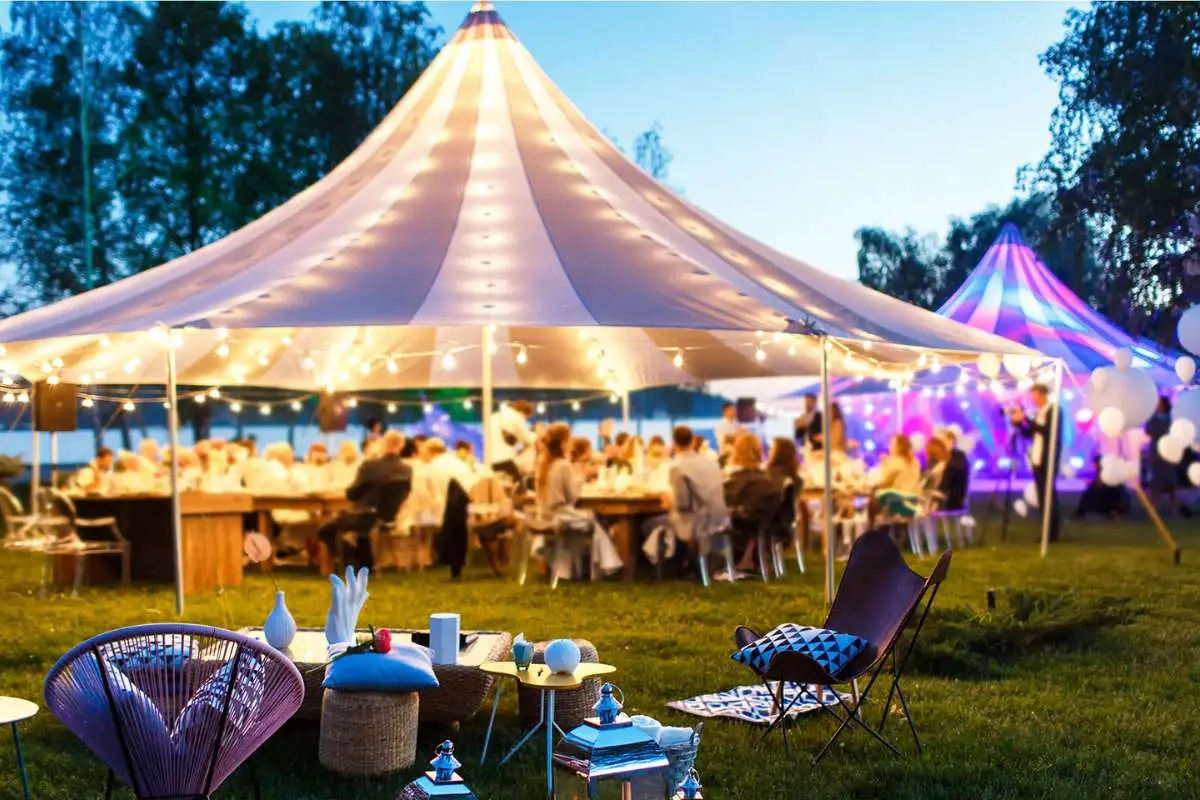
Planning an outdoor business event can be exciting but also challenging. The fresh air, open space, and natural light create a special atmosphere that can energize attendees. However, outdoor events require different planning than indoor ones. You must consider factors such as weather, location, and logistics to ensure everything goes smoothly.
You will need to coordinate the layout and choose the right amenities to keep your guests engaged. The details matter, so it’s essential to stay organized and proactive during the planning process.
Outdoor business event planning tips for a smooth experience
1. Location choices
Choosing the right venue is vital to the success of your outdoor event. Look for places that are easy to reach and have plenty of space. Parks, gardens, and large backyards can create a pleasant atmosphere, but ensure the area fits your event’s purpose and audience. Check if you need permits, especially for public spaces.
Choose locations that offer amenities like restrooms, parking, and security. Having these facilities nearby helps guests feel comfortable. Accessibility is also important; select a venue that accommodates everyone, including those with mobility issues. The right location sets the stage for a successful event.
2. Event rentals

Event rentals are essential for a good experience for your guests. Renting items like tents, seating, and audiovisual equipment can improve your outdoor space’s atmosphere and function. For example, a tent provides shade and can serve as a central spot for activities or presentations.
Select tables and chairs that match your event’s theme and comfort needs, ensuring guests can relax and engage. Many rental companies also offer decorative items like lighting, linens, and centrepieces to enhance the ambiance. These elements work together to create a welcoming environment, and using rentals means you won’t have to worry about storing or transporting bulky items.
3. Party rentals
When organizing an outdoor business event, party rentals can greatly improve the experience. Items like buffet tables, serving equipment, and dance floors can make guests feel more engaged. Each rental item adds to the atmosphere, making it lively and inviting.
Think about renting special items that match your theme. Party rentals like lounge seating, outdoor heaters, or fun attractions like photo booths can help create memorable moments and keep the energy up. Party rentals let you customize your event to meet your needs, making them a valuable investment for a successful gathering.
4. Catering considerations

Food is a key part of any event, and catering is just as important for outdoor gatherings. Design a menu that fits the outdoor setting and accommodates various dietary preferences. Finger foods, barbecue, and cool drinks are popular options for outdoor gatherings.
Have a clear plan for presenting and serving the food. Whether you choose a buffet or plated meals, make sure you have enough resources to serve guests quickly. Working with a catering company experienced in outdoor events can help you handle challenges, such as keeping food safe and managing cleanup afterward.
5. Entertainment and activities
Good entertainment creates a fun atmosphere that keeps guests interested and mingling. Consider options such as live music, speakers, or interactive experiences that suit your audience. For example, team-building activities can promote teamwork and strengthen connections among attendees.
Plan activities around your event’s theme to reinforce your message and make everything more enjoyable. Consider logistics as well. Make sure you have space for a band stage or a games area, as your setup should support the fun.
6. Weather preparedness
Weather can be one of the biggest challenges for outdoor events due to its unpredictability. Have a backup plan in case of rain or extreme temperatures. A canopy or tent can offer shelter and keep everyone comfortable.
Monitor weather forecasts as the event approaches. You might want to set up cooling stations for hot days or heaters for cooler evenings. Communicate any changes clearly and use signs to guide guests, keeping the event running smoothly no matter the weather.
Stay adaptable and positive. Being ready for different situations helps you manage problems effectively and ensures guests have a good experience.
7. Review your checklist

As the event day gets closer, review your checklist. Confirm details for rentals, catering, and entertainment to ensure everything is ready. Create a timeline for the day to ensure the event runs smoothly and allows you to engage with guests.
Assign team members specific tasks. For example, one for registration, another for catering, and one for technical support. Dividing responsibilities keeps things organized and allows for quick adjustments if something needs attention. The goal is to provide a welcoming experience that leaves a lasting impression.
In the end, a successful outdoor business event connects people in an enjoyable atmosphere. By managing details well and being creative, you can create memorable experiences that stay with guests long after they leave.