Static offices are dying.
Workplace needs have evolved drastically… Hybrid days, hot-desking, sprint weeks, heads down time–and it’s all in the same space, sometimes in the same week. Standard cubes and static layouts can’t accommodate this new way of working.
The fix? Flexible office furniture.
When the office adapts to the work, everyone benefits. Teams come together when necessary. Individuals concentrate when necessary. The space facilitates instead of resisting workflow.
And the cost of clinging to old layouts? It’s massive. Money gets burned on furniture nobody actually uses. Top employees walk straight out the door looking for better setups. Productivity slowly nosedives. The offices winning right now are the ones that have built flexibility into every single corner of the workspace.
Here is why Flexibility should be every furniture buyer’s number one priority…
Why the office has changed forever?
Hybrid work isn’t going anywhere.
…and it’s changing the design of offices forever. Industry reports show that over 58% of businesses worldwide are going to redesign their layouts to incorporate flexible office furniture and facilitate collaborative working styles throughout the next 12 months.
That is a huge shift.
This shift brings along with it another statistic that every office manager should fear…Office Utilization rates have decreased to only 31% in the Americas, down from 64% pre-pandemic. Basically, a significant amount of office real estate is sitting vacant.
The takeaway is pretty simple:
- People aren’t in the office every day anymore
- When they do come in, they expect the space to actually serve them
- One-size-fits-all furniture wastes both space and money
Companies using static layouts are renting furniture that no one wants to sit at. Flexibility fixes this issue with one step.
The power of modular seating systems
This is where things get exciting…
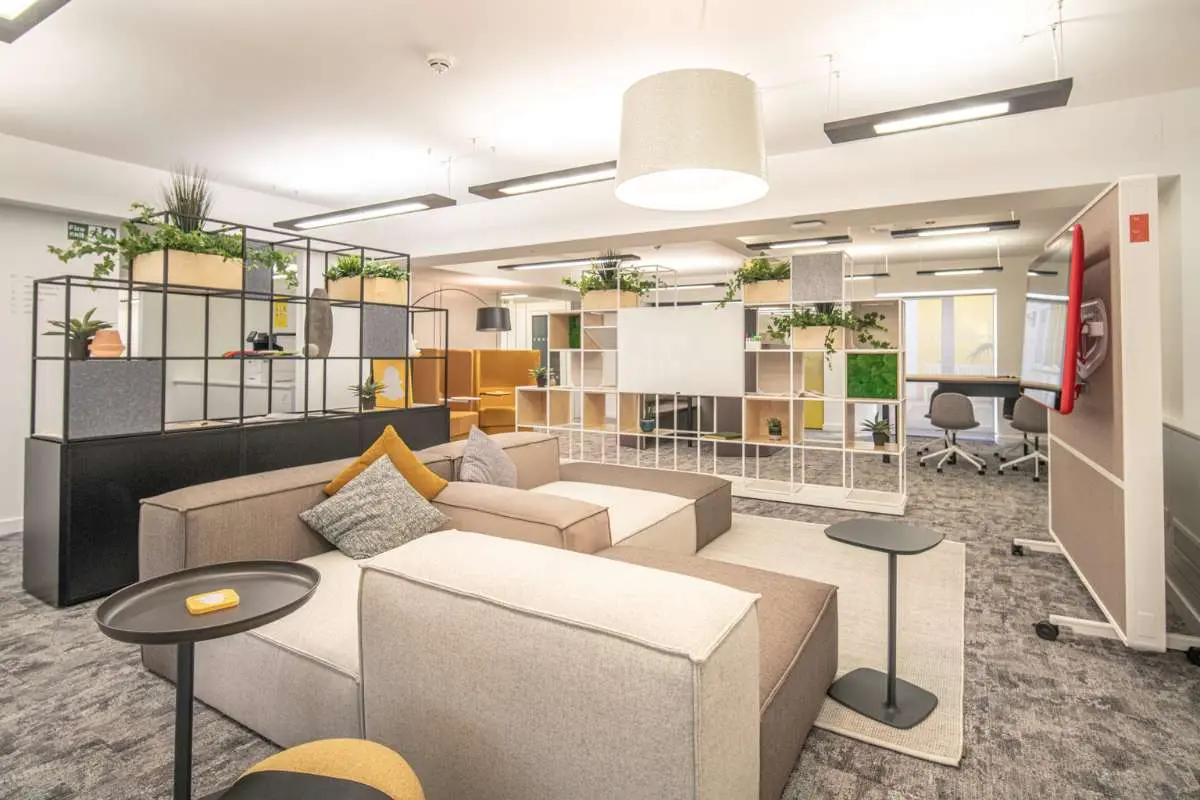
Modular furniture systems are a game changer for any workplace looking to embrace flexible work. Fixed sofas and structured seating clusters can’t compare to furniture that can be separated, moved and reconfigured in minutes. Need space for impromptu groups of 6x? Combine four modules. Privacy for wall-side 1-on-1s? Separate them.
If you’re considering an office upgrade today – modular seating is an ideal choice for offices, schools and hybrid spaces alike because one piece can do many things throughout the day.
Think about it:
- Morning: a quiet reading nook
- Midday: a 4-person collaboration zone
- Afternoon: an informal client meeting area
- Evening: a casual lounge for late workers
Four tasks easily accomplished by the same modular seating. No need for additional furniture. No lifting of heavy objects. No facilities crew required to move stuff around.
That is a serious return on investment for one single furniture purchase.
Real benefits of flexible office furniture
So what does flexibility actually deliver?
It’s not all about having a sleek, contemporary facility. Check out some of the advantages your employees will experience…
1. Better collaboration
Mobility allows for impromptu collaboration. Don’t have to reserve a conference room for a 10 minute conversation – just pick up two modular chairs and collaborate wherever.
2. Improved productivity
Studies have found that sit-to-stand desks increase employee productivity by anywhere from 10-12%. That’s because they allow workers to customize their environment. Allow workers to choose their chairs and you’ll see productivity increase as well.
3. Smarter use of space
Flexible furniture translates to fewer furniture pieces fulfilling multiple functions. With modular pieces, you can reduce your space requirement by up to 30%. That’s less square footage. Less money spent on rent. Without sacrificing productivity.
4. Talent retention
Here’s a stat for every employer to take note of… 40% of employees would begin looking for a new job if their flexibility was removed. Office furniture is a part of that flexibility narrative. Stiff, uncomfortable furniture is telling your employees the exact wrong message.
It’s a win-win-win.
How to pick the right modular pieces?
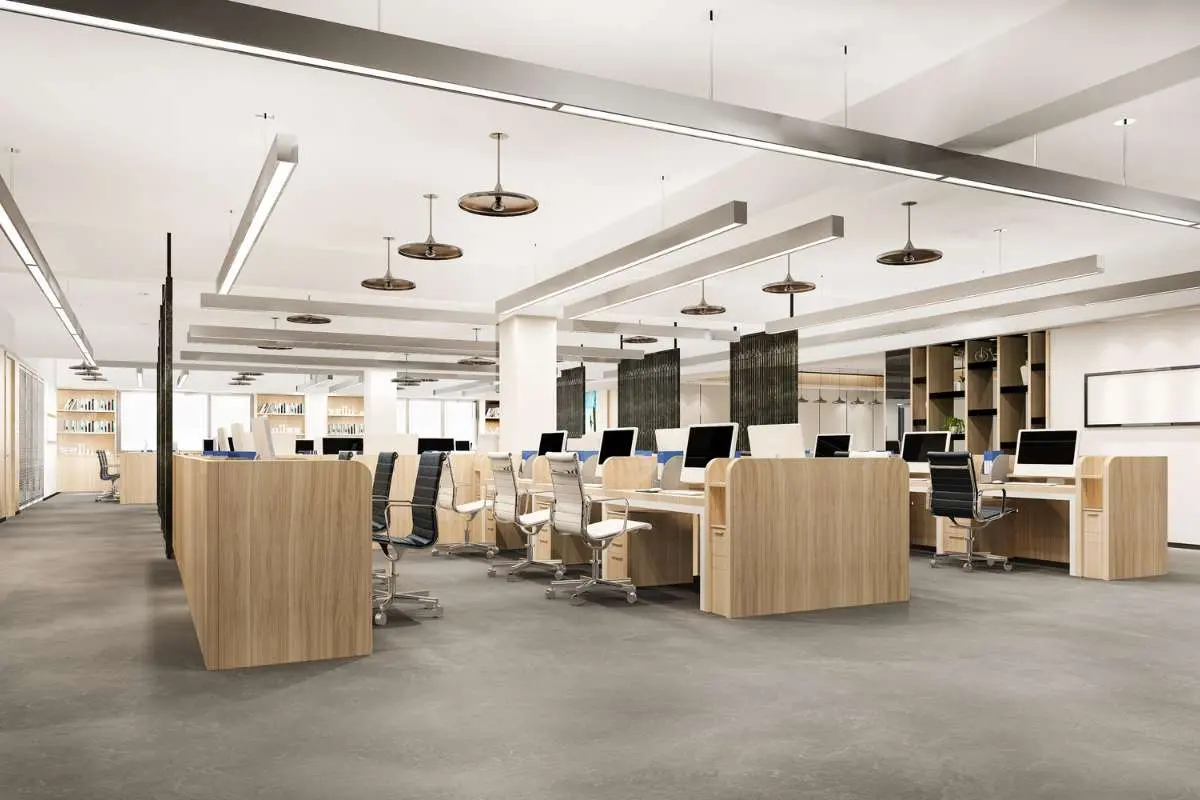
Not all modular furniture is created equal.
Choosing incorrectly can result in weird shapes that won’t actually stretch. Here are some things to keep in mind when shopping…
- Easy reconfiguration: Pieces should connect and disconnect without tools
- Durable materials: Moving every day will ruin furniture so inexpensive upholstery will fall apart quickly
- Acoustic considerations: Soft modular seating doubles up as sound absorption
- Power integration: Built-in charging points keep tech-heavy teams happy
- Mixed sizes: Allows for the most flexibility with solo seats, 2-seat units and larger pods
Try before you buy. Sit on it. Roll it around the showroom. If you need two people and a trolley to move a “modular” seat…it’s not modular.
Consider how it will scale in the future. You’ll want items from one collection to be interchangeable with pieces you buy later on down the road so you can grow your system with your team.
Common flexibility mistakes to avoid
Even smart buyers slip up here…
Number one design faux pas? Purchasing modular furniture, yet setting it in an entirely rigid formation. Modular seating is meant to be moved around– so allow room for rearrangement.
Other mistakes worth dodging:
- Going too soft: All-lounge layouts kill focus work
- Going too hard: All-task chairs kill informal collaboration
- Ignoring acoustics: Open spaces with no soft surfaces become noisy fast
- Skipping storage: People need somewhere to put their stuff
The solution is equilibrium. Incorporate couches with work chairs. Include open space with quiet cocoons. Use furniture that moves with permanent fixtures like storage benches or bookcases. Try out your design for a few weeks, then refine.
That balance is what flexibility actually looks like in real-world practice.
Final thoughts
The modern office isn’t about looking pretty — it’s about working hard.
Investing in flexible office furniture is the only way your workspace can work hard these days. Fixed arrangements can’t accommodate hybrid schedules, project-driven teams, and ever-shifting group sizes, but adaptable, modular pieces can.
To quickly recap:
- Hybrid work has changed how offices need to function
- Static furniture wastes space, money, and morale
- Modular seating systems offer huge multi-functional value
- Flexibility supports productivity, retention, and collaboration
- The right pieces are durable, easy to move, and acoustically smart
Incorporating flexibility into every furniture decision is the best thing any modern office can do. Purchase once, use in ten ways and watch your office transform into how people truly work today.