Key Takeaways:
- Appointment Signals Emphasis on Legal Expertise and Integrity
- Governor General’s Role Remains Symbolic but Constitutionally Essential
- Canada Continues Tradition of Experienced, Non-Political Appointments
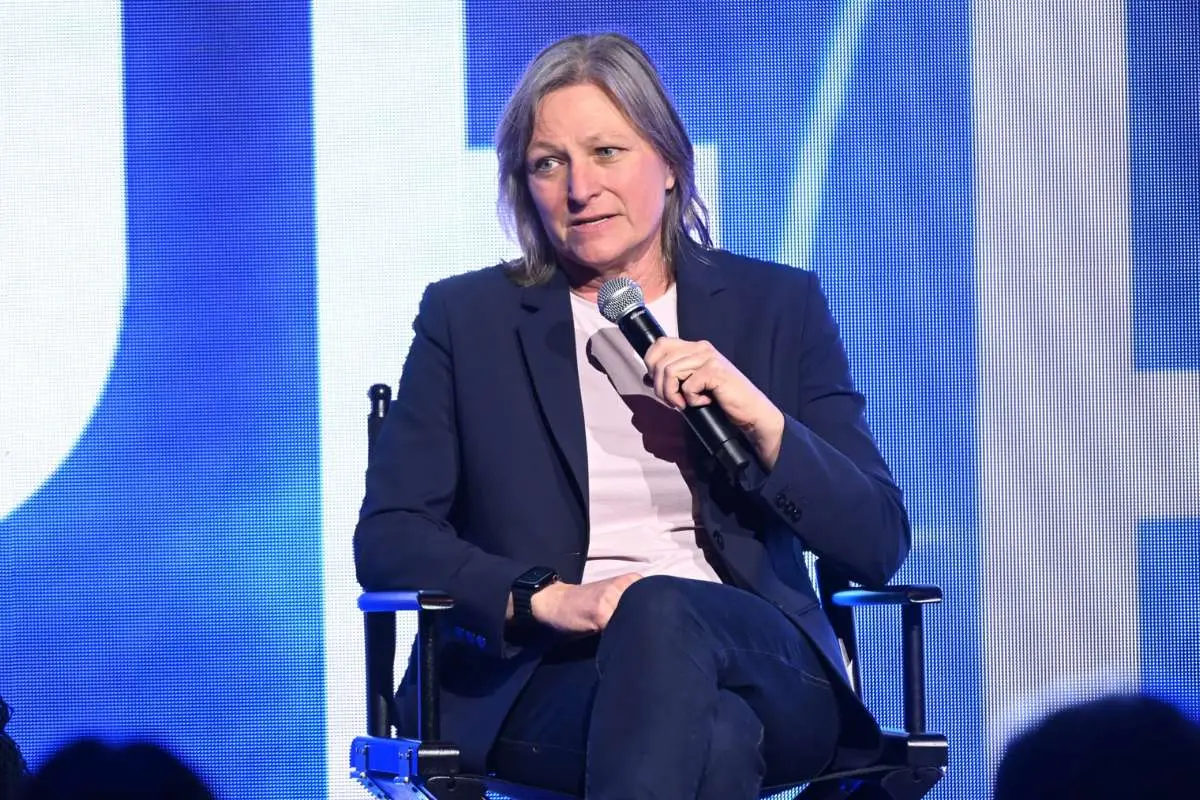
Canada has formally installed former Supreme Court Justice Louise Arbour as its 31st Governor General, placing one of the country’s most prominent legal minds into its highest constitutional office. The swearing-in ceremony took place in Ottawa, where Arbour took the official oath and assumed her duties as the representative of King Charles III.
Her appointment follows the recommendation of Prime Minister Mark Carney and received formal approval from the monarch. Arbour succeeds Mary Simon, who has served since 2021 and was the first Indigenous person to hold the position, a milestone widely regarded as a significant moment in Canada’s modern constitutional history.
The Governor General’s role, while largely ceremonial, is central to Canada’s parliamentary system. It includes granting royal assent to legislation passed by Parliament, formally appointing prime ministers and cabinet members, and performing key constitutional functions that ensure continuity of governance. The office also plays an important symbolic role in representing national unity and stability.
At 79, Arbour becomes one of the most experienced individuals ever appointed to the position. Her installation ceremony in Ottawa included traditional constitutional elements such as the swearing-in before senior officials, ceremonial military participation, and the transfer of the symbols of office, reflecting the continuity of Canada’s constitutional monarchy system under King Charles III.
A distinguished legal and international career spanning decades
Louise Arbour’s appointment brings to Rideau Hall a career deeply rooted in law, justice, and international human rights. Born in Montreal, she built her professional journey through Canada’s judicial system, serving as a judge on provincial courts before being appointed to the Supreme Court of Canada, one of the highest judicial authorities in the country.
Her influence expanded significantly on the global stage during the 1990s when she served as Chief Prosecutor for the International Criminal Tribunals for the former Yugoslavia and Rwanda. In this role, she was responsible for leading landmark prosecutions related to war crimes, genocide, and crimes against humanity, helping establish legal accountability for atrocities committed during major international conflicts.
Arbour later went on to serve as United Nations High Commissioner for Human Rights, where she worked on strengthening international human rights protections and advocating for global accountability mechanisms. Her tenure at the UN also included a focus on migration policy and institutional reform, particularly in addressing systemic weaknesses in international legal frameworks.
Beyond her international roles, she has also been involved in reviewing Canadian institutions, including leading an independent examination of misconduct within the Canadian Armed Forces. Her work in this area contributed to broader discussions on accountability, transparency, and reform within national institutions.
Throughout her career, Louise Arbour has been closely associated with principles of justice, rule of law, and institutional integrity. These themes have been repeatedly highlighted as defining features of her professional legacy and are seen as central to her suitability for Canada’s highest ceremonial office.
A symbolic role at the heart of Canada’s constitutional system
As Governor General, Arbour will serve as the formal representative of King Charles III in Canada, operating within the framework of the country’s constitutional monarchy. While the position does not involve political decision-making, it is essential to the functioning of the parliamentary system.
Her responsibilities will include giving royal assent to bills passed by Parliament, swearing in prime ministers and cabinet ministers, and carrying out ceremonial duties that reflect Canada’s constitutional traditions. She will also represent the country at official national and international events, acting as a symbol of continuity between the Crown and Canada’s democratic institutions.
The Governor General also serves as the ceremonial commander-in-chief of the Canadian Armed Forces and plays a role in national commemorations and honours. While the position is not political, it carries significant symbolic weight in moments of national importance, including transitions of government and constitutional events.
Arbour’s appointment comes at a time when Canada is navigating evolving domestic and global challenges, including institutional trust, governance reforms, and its role in international affairs. Her extensive background in justice and human rights is expected to shape how she approaches the ceremonial and advisory aspects of the role, particularly in promoting unity and institutional stability.
With her installation complete, Louise Arbour begins her tenure as Canada’s Governor General, stepping into a role that blends tradition, constitutional duty, and national representation at the highest level of the state.