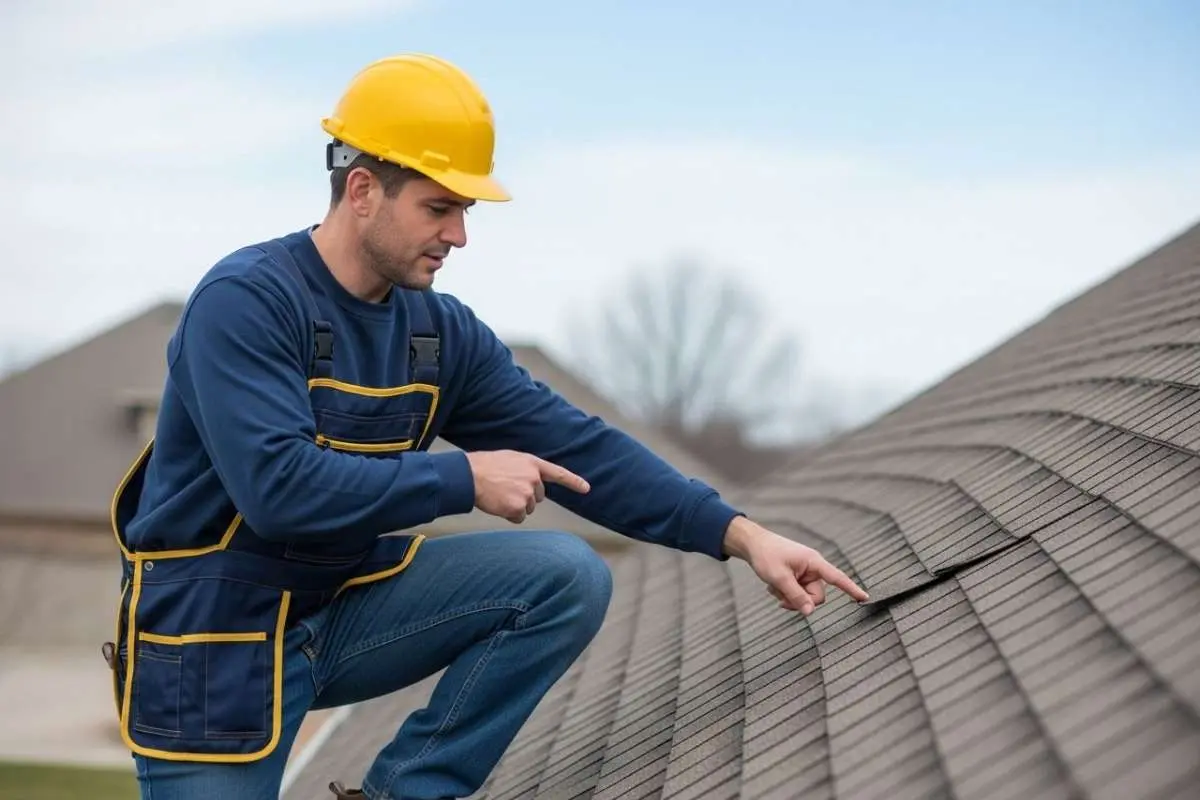
For many organisations, the roof is one of the most overlooked parts of a building until something goes wrong. A small leak, damaged flashing, or a blocked drainage system can quickly develop into a much larger problem if left unchecked. While regular maintenance helps protect the building itself, it also introduces risks that make roof maintenance safety a critical consideration.
Working at height remains one of the most hazardous tasks in property maintenance, making planning and preparation essential. By adopting the right safety measures, businesses can protect workers, reduce disruption, and avoid costly incidents while extending the lifespan of their roofing systems.
Start with a thorough risk assessment
Every roof is different. Factors such as its age, design, materials, access points, and the presence of rooftop equipment all influence the level of risk involved.
Before any maintenance begins, businesses should carry out a detailed assessment to identify potential hazards. This includes checking for fragile surfaces, uneven walkways, hidden skylights, overhead services, and changing weather conditions. A clear understanding of these risks allows maintenance teams to choose suitable equipment and establish safe working procedures from the outset.
Good planning also helps minimise unexpected delays, ensuring projects stay on schedule while maintaining high safety standards.
Invest in safe access solutions

One of the simplest ways to reduce accidents is by providing safe, designated routes across the roof. Maintenance workers often need to move between different areas several times during a job, and repeatedly stepping over pipes, ducting, or other rooftop services can increase the chance of slips and trips.
Purpose-built access systems create safer pathways, allowing personnel to navigate obstacles with greater confidence. Businesses looking to improve rooftop safety often install solutions from Kee Safety that are specifically designed to provide secure crossing points over rooftop obstructions without interrupting essential services.
Providing safe access not only protects workers but also reduces wear on vulnerable roofing materials.
Ensure workers have the right training
Even the best equipment cannot replace proper knowledge. Everyone involved should prioritize roof maintenance safety by understanding the hazards associated with working at height and knowing how to use safety equipment correctly.
Training should cover:
- Safe access procedures
- Hazard recognition
- Emergency response plans
- Correct use of fall protection equipment
- Communication between team members
Regular refresher training helps maintain awareness and ensures workers remain confident when carrying out maintenance tasks.
Schedule preventive maintenance instead of emergency repairs

Many roofing emergencies begin as relatively minor issues. Small cracks, loose fixings, or blocked drains can often be repaired quickly if discovered during routine inspections.
Preventive maintenance offers several advantages:
- Lower repair costs
- Reduced disruption to daily operations
- Longer roof lifespan
- Fewer emergency call-outs
- Better budgeting for maintenance work
Planning inspections throughout the year also allows businesses to identify seasonal issues before severe weather places additional strain on the roof.
Keep the work area organised
A cluttered roof presents unnecessary hazards. Loose tools, discarded materials, trailing cables, and packaging can all create trip risks for maintenance personnel.
Good housekeeping should remain a priority throughout every stage of the project. Equipment should be stored securely, waste removed regularly, and designated walkways kept clear at all times.
Simple organisational habits often make a significant difference in reducing workplace accidents.
Monitor weather conditions carefully

Roof maintenance safety should never be viewed as a routine consideration regardless of the forecast, as weather conditions can change rapidly—particularly during autumn and winter.
Strong winds, heavy rain, ice, or excessive heat can all increase the dangers associated with working at height. Businesses should establish clear policies outlining when work should be postponed due to unsuitable weather conditions rather than taking unnecessary risks to meet deadlines.
Allowing flexibility within maintenance schedules helps prioritise safety without compromising long-term building care.
Build safety into long-term asset management
Roof maintenance should form part of a broader facilities management strategy rather than being treated as a reactive task. Keeping accurate inspection records, documenting repairs, and reviewing recurring issues allows businesses to identify patterns before they become expensive problems.
Combining proactive maintenance with appropriate safety systems creates a more reliable approach to protecting both people and property.
Conclusion
Prioritising roof maintenance safety is about far more than meeting legal responsibilities. It protects employees, minimises operational disruption, extends the life of valuable assets, and helps avoid unexpected repair costs.
By carrying out careful planning, investing in safe access, maintaining organised workspaces, providing ongoing training, and adopting a preventive maintenance programme, businesses can create a safer working environment while ensuring their roofs continue to perform effectively for years to come.