Key Takeaways
- The Closures Reflect Franchise Challenges, Not a Brand-Wide Crisis
- Rising Costs Are Increasing Pressure on Restaurant Operators
- Community-Focused Chains Are Not Immune to Industry Disruption
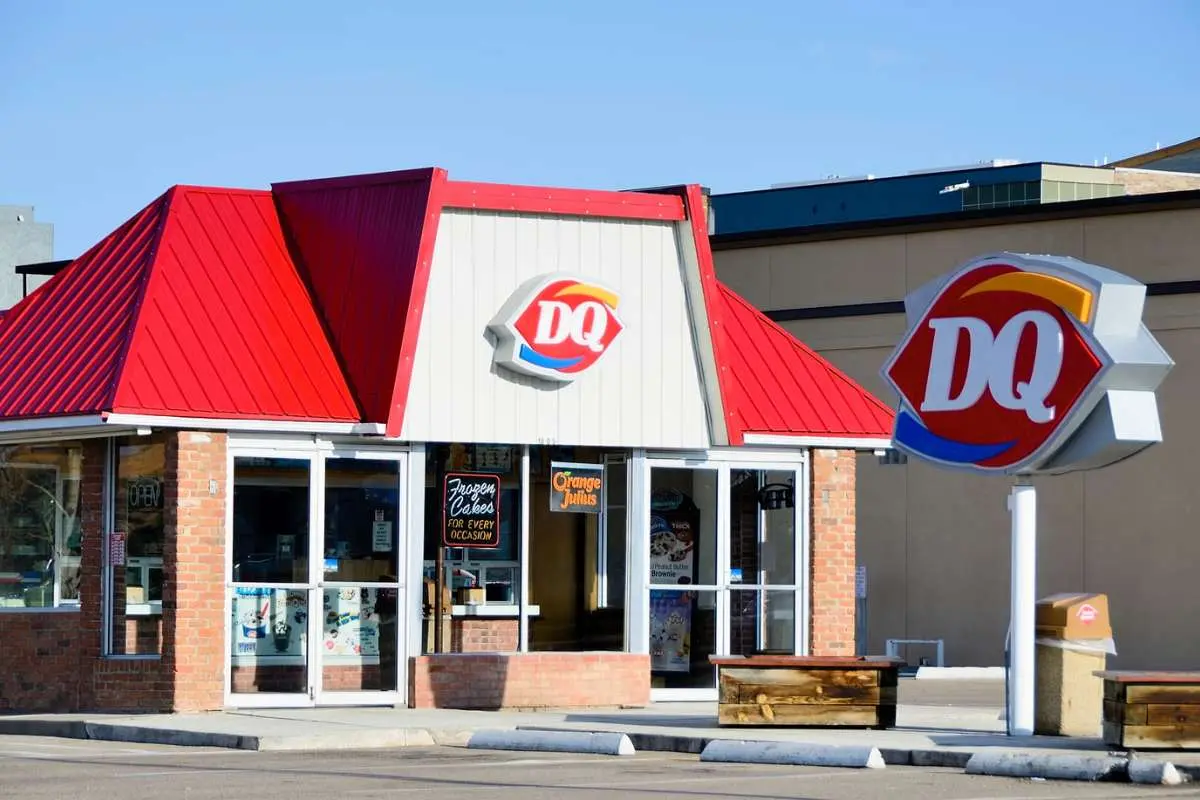
Dairy Queen, one of the most recognizable names in the American fast-food industry, is facing a growing wave of store closures across the United States, with dozens of locations shutting down since the start of 2025. The latest round of closures has hit Alaska, where restaurants in Anchorage, Wasilla, and Palmer recently ceased operations, leaving only one Dairy Queen location still operating in the state.
The closures have sparked disappointment among residents, many of whom considered the restaurants longstanding community fixtures. In smaller markets, Dairy Queen outlets often serve as more than just places to buy ice cream and burgers, functioning as gathering spots for families, students, and local events.
The Alaska restaurants were operated by a franchise owner who decided to exit the business. Another franchisee in the state reportedly explored the possibility of taking over the locations but ultimately decided against the move due to the logistical and operational challenges associated with running multiple stores across Alaska.
The latest shutdowns are part of a broader trend affecting the Dairy Queen system. Since the beginning of the year, at least 46 locations across the country have closed, raising questions about the pressures facing franchise operators even as the overall brand continues to maintain a strong presence in the quick-service restaurant industry.
Texas experiences the largest wave of Dairy Queen closures
While Alaska’s closures have drawn attention, Texas has experienced the most significant disruption to the Dairy Queen network this year.
More than three dozen locations in the state have shut down following issues involving Project Lonestar, one of the chain’s major franchise operators. The closures stemmed from a dispute between the franchise group and American Dairy Queen Corporation over franchise obligations, store renovation requirements, and efforts to sell certain restaurant locations.
An initial batch of 25 stores closed earlier this year, followed by another series of shutdowns that brought the total number of closures in Texas to more than 35. Several of the affected restaurants had served their communities for decades, making the closures particularly difficult for loyal customers.
The situation has highlighted the challenges inherent in the franchise model. Unlike company-owned chains, the majority of Dairy Queen locations are independently operated by franchisees, meaning local business conditions can have a significant impact on individual restaurants.
Industry experts note that rising operating expenses, labor shortages, higher food costs, and changing consumer habits have placed increasing financial pressure on restaurant operators across the country. Franchise owners are also often required to invest in renovations and modernization projects to keep locations aligned with brand standards, adding another layer of financial responsibility.
Despite the closures, there is little evidence to suggest that Dairy Queen itself is in financial distress. Instead, the recent shutdowns appear to reflect difficulties faced by specific franchise operators rather than a broader decline in the company’s business.
Broader industry pressures reshape the restaurant landscape
The closures at Dairy Queen come at a time when the U.S. restaurant industry is undergoing significant change. Several national chains have announced store closures, restructuring plans, or efforts to streamline operations in response to rising costs and shifting consumer preferences.
Inflation, higher labor expenses, and evolving dining habits have made it increasingly difficult for some operators to maintain profitability, particularly in smaller markets and rural communities. Analysts have warned that thousands of retail and restaurant locations across the country could close over the next several years as businesses adapt to changing economic realities.
For Dairy Queen, the recent closures underscore the challenges facing franchise-based businesses in a competitive environment. The brand remains one of the largest quick-service chains in the world, with thousands of restaurants operating globally and a loyal customer base built around iconic menu items such as the Blizzard.
However, the closures have also demonstrated that even established brands are not immune to the operational and financial pressures affecting the broader restaurant industry. For many communities, the loss of a local Dairy Queen represents more than the closure of another fast-food restaurant; it marks the disappearance of a familiar neighborhood institution that has been part of local life for generations.
As the company and its franchisees navigate these challenges, customers will be closely watching to see whether the recent closures represent an isolated franchise issue or the beginning of a broader shift in the brand’s U.S. footprint.