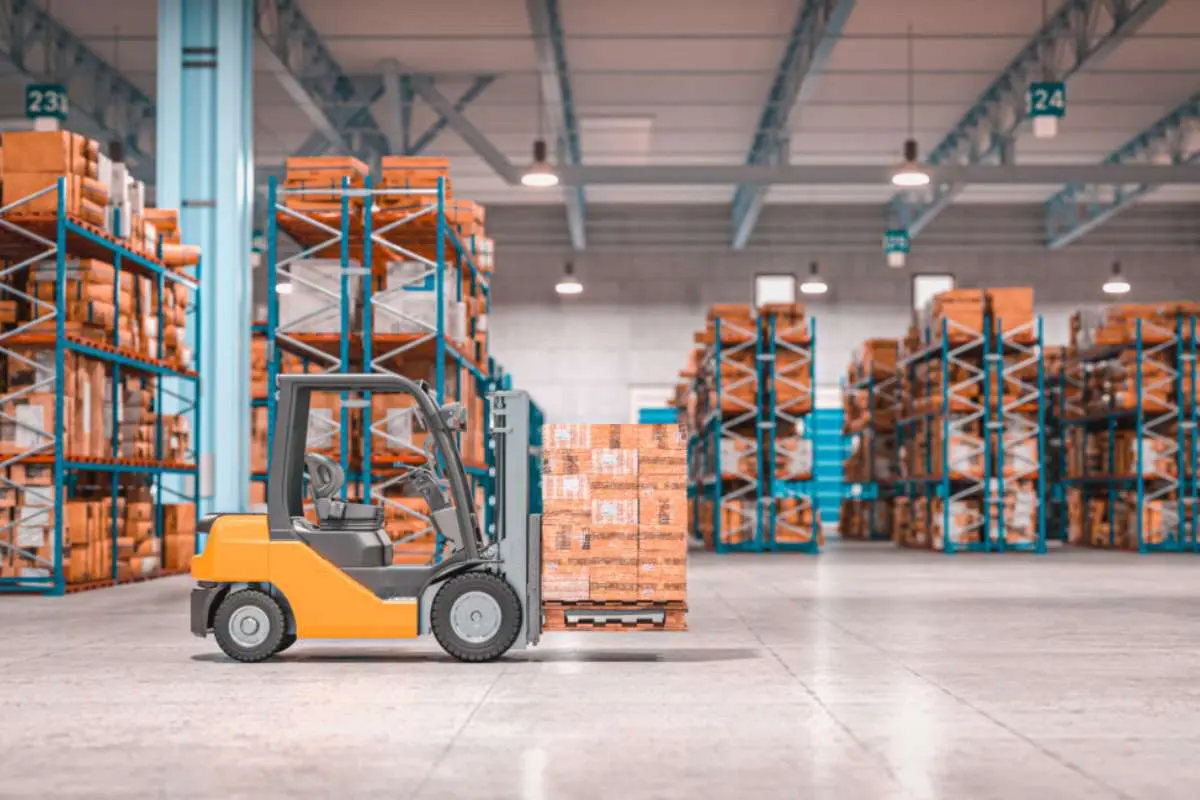
Warehouse operations form the backbone of modern supply chain management. They include all the activities needed to move products in and out of a facility, from receiving shipments to storing items and filling customer orders. These processes directly affect how fast orders get delivered and how much it costs to run a business.
Understanding and improving your warehouse operations can reduce costs, speed up order fulfillment, and increase customer satisfaction. This article covers practical strategies you can use to make your warehouse run better. You’ll learn about storage methods, technology tools, and safety practices that leading warehouses use today.
The following sections explain specific techniques like zone picking, automation systems, and software integration. You’ll also discover how lean principles and modern technology can transform your daily operations. Whether you manage a small warehouse or oversee a large distribution center, these approaches can help you work more efficiently.
Here are the 8 expert ways to automate warehouse operations
1) Put-away optimization by slotting strategy
Slotting strategy determines where you store each product in your warehouse. When you place items in the right locations, your team moves less and works faster.
Velocity-based slotting puts your fastest-moving products closest to packing and shipping areas. Your slowest items go to the back. This cuts down travel time for your most frequent picks.
You can also use zone-based storage. This groups similar products together so your team knows exactly where to find things. It reduces confusion and speeds up both put-away and picking.
Your slotting decisions affect how long put-away takes. When you assign products to optimal locations based on size, weight, and turnover rate, you reduce handling time. Your workers spend less time moving products from receiving to storage.
Good slotting also improves inventory accuracy. When items have consistent, logical locations, your team makes fewer placement errors. This means less time spent searching for misplaced stock later.
Review your slotting data regularly. Product velocity changes over time. What worked three months ago might not work today. Small adjustments to your slotting strategy can save hours of labor each week.
2) Automate warehouse data collection

Manual data entry slows down warehouse operations and creates opportunities for human error. When you automate data collection, you speed up processes and improve accuracy across your facility.
Barcodes are one of the most effective tools for automated data collection. Instead of typing product information manually, you can use an online barcode generator to create labels for your inventory. Your staff then scans these codes with handheld devices or mobile phones to instantly capture product details, quantities, and locations.
A warehouse management system works with your scanning hardware to track inventory movements in real time. Every scan updates your database automatically. This gives you accurate stock counts without manual counting or spreadsheet updates.
Radio frequency identification (RFID) tags offer another automation option. These tags transmit data to readers without requiring line-of-sight scanning. This means you can track multiple items at once as they move through your warehouse.
Automated data collection connects all parts of your operation. Your receiving team scans incoming shipments, your pickers scan items during order fulfillment, and your shipping team verifies outbound orders. Each scan creates a digital record that flows through your system without anyone typing a single entry.
3) Zone picking with pick-to-light systems
Zone picking divides your warehouse into separate areas. Each worker stays in one zone and picks only the items located there. This method works well when you combine it with pick-to-light technology.
Pick-to-light systems use illuminated displays mounted on storage locations. When you need to pick an item, a light turns on at the correct spot. The display shows you exactly how many units to grab.
This combination speeds up your picking process significantly. You don’t waste time searching for products or memorizing locations. The lights guide you directly to what you need.
Your picking accuracy improves with this setup. Workers make fewer mistakes because the system shows them the exact location and quantity. You can also scale your operations more easily without adding training complexity.
The technology requires an upfront investment in equipment and warehouse redesign. You’ll need to balance workload across zones to prevent bottlenecks. However, many warehouses see faster throughput and better accuracy once the system is running.
4) Batch picking for high-velocity SKUs

Batch picking works by grouping multiple orders together so you can collect the same item for several orders in one trip through your warehouse. Instead of walking the same path repeatedly for each order, you consolidate your movement into fewer, more efficient trips.
This method delivers the strongest results when you apply it to high-velocity SKUs. These are your fastest-moving products that appear across many orders. When you batch these items, you reduce travel time per unit picked and increase your productivity.
Your warehouse management system can generate consolidated pick lists that show which items to collect for multiple orders at once. You walk through the warehouse once and grab quantities of the same SKU for different orders, then sort them later.
Many warehouses use batch picking selectively. You can apply it to high-velocity SKUs and standard orders while keeping single-order picking for bulky items, custom requests, or rush shipments. This mixed approach lets you optimize efficiency where it matters most without forcing every order through the same process.
The key is matching your picking method to your SKU characteristics and order patterns.
5) Wave picking coordinated by order priority
Wave picking coordinated by order priority groups your orders based on their importance or urgency. You release high-priority orders in earlier waves to meet critical deadlines.
This method helps you handle rush orders, VIP customers, or time-sensitive shipments first. Your warehouse management system assigns priority levels to each order when it enters the queue. Orders with the same priority level get grouped together into waves.
You can set priority based on several factors. Shipping method is common, where express orders get picked before standard ones. Customer type matters too, as some businesses prioritize wholesale orders over retail or give special treatment to preferred accounts.
When you coordinate waves by priority, your pickers know which orders need immediate attention. This prevents delays for your most important shipments. You maintain better control over your fulfillment schedule.
The system works best when you clearly define what makes an order high priority. Your team needs consistent rules to follow. You should also balance priority picking with your overall warehouse efficiency to avoid leaving lower-priority orders waiting too long.
6) WMS integration with ERP and TMS

Connecting your warehouse management system with other software creates a smoother flow of information across your business. When you integrate WMS with ERP and TMS systems, data moves automatically between platforms without manual entry.
ERP integration links your warehouse operations to broader business functions like accounting and order processing. When an order enters your ERP system, it flows directly to your WMS for picking and packing. This connection helps you track inventory levels in real time and trigger reordering when stock runs low.
TMS integration focuses on the shipping side of your operations. Your WMS sends order details to the transportation system, which then coordinates pickup and delivery. This eliminates the need to re-enter shipping information manually.
You can connect these systems using APIs or EDI methods. APIs offer real-time data exchange, while EDI works well for batch processing. The right choice depends on your specific needs and existing technology.
Integration reduces errors that happen during manual data entry. It also saves time by automating routine tasks and gives you better visibility into your entire supply chain.
7) Automated guided vehicles (AGVs) for material transport
Automated guided vehicles are self-driving machines that move materials throughout your warehouse without human operators. These mobile robots follow predetermined paths using navigation systems like magnetic tape, lasers, sensors, or wires.
AGVs handle repetitive transport tasks that would otherwise require manual labor. You can use them to move pallets, containers, and equipment between different areas of your facility. They work well for consistent, predictable routes like line feeding, replenishment, and storage transport.
The vehicles operate autonomously once you set up their guidance systems and program their routes. Many types of industrial trucks can be automated and converted into AGVs based on your specific needs.
AGVs offer several practical benefits for warehouse operations. They reduce the physical strain on your workforce and allow staff to focus on tasks that require human decision-making. These vehicles also maintain consistent transport speeds and follow safety protocols.
You’ll find AGVs particularly useful in facilities with high-volume, repetitive material movement. They integrate into existing warehouse layouts and can adapt to various handling requirements, from simple pallet transport to more complex storage operations.
8) 5S and lean warehousing implementation

Lean warehousing focuses on reducing waste while maintaining productivity and quality in your operations. The goal is to streamline processes so you can do more with fewer resources.
The 5S methodology provides a practical framework for implementing lean principles. The five steps are Sort, Set in Order, Shine, Standardize, and Sustain. You start by removing unnecessary items from your workspace. Then you organize what remains so everything has a designated place.
The Shine step involves cleaning and maintaining your workspace regularly. Standardize means creating consistent procedures that everyone follows. Finally, Sustain requires ongoing commitment to maintain these improvements over time.
When you implement 5S properly, you’ll notice several benefits. Your warehouse becomes safer because clutter and hazards are removed. Workers can find tools and materials faster, which speeds up order fulfillment. You’ll also reduce errors since everything is clearly organized and labeled.
Success depends on getting your team involved from the start. Train employees on each step and explain why these changes matter. Regular audits help you track progress and identify areas that need attention.
Critical technologies driving efficiency
Modern warehouse operations rely on advanced technologies to meet growing demands for speed and accuracy. Automation systems and smart inventory tools now form the backbone of efficient distribution centers.
Automation and robotics integration
Robotics and automation have transformed how warehouses handle daily tasks. Mobile robots move products across warehouse floors without human intervention, while automated guided vehicles (AGVs) transport pallets between storage areas and loading docks.
These systems work alongside your existing workforce to boost productivity. Robotic arms pick and pack items with consistent accuracy, reducing errors in order fulfillment. Automated storage and retrieval systems (AS/RS) maximize vertical space usage and retrieve items faster than manual methods.
Key automation benefits include:
- Reduced labor costs for repetitive tasks
- Fewer picking and packing errors
- Increased throughput during peak periods
- Better space utilization in your facility
You can implement automation in stages based on your operational needs. Some warehouses start with basic conveyor systems, while others deploy fully autonomous mobile robots that navigate around workers and obstacles.
Inventory management software advancements
Modern warehouse management systems (WMS) provide real-time visibility into your inventory levels and locations. These cloud-based platforms track products from receiving through shipping, giving you accurate data for decision-making.
Advanced WMS solutions integrate with barcode scanners and RFID technology to update inventory counts automatically. You get instant alerts when stock runs low or when items sit too long in storage. The software optimizes picking routes to reduce travel time and groups orders efficiently.
Core WMS capabilities:
- Real-time inventory tracking across multiple locations
- Automated reorder point notifications
- Integration with your existing ERP systems
- Analytics dashboards for performance monitoring
Cloud-based systems eliminate the need for on-site servers and allow access from any device. Your team can check inventory status, adjust orders, and monitor warehouse operations remotely. These platforms also scale easily as your business grows without major infrastructure investments.
Key safety and compliance considerations

Warehouse operations require strict adherence to safety protocols and regulatory standards to protect workers and maintain legal compliance. Training programs and regulatory requirements form the foundation of a safe workplace environment.
Worker training and certification
You need to provide comprehensive training before employees operate any warehouse equipment. OSHA requires documented training for forklift operators, and certifications must stay current to avoid violations. Most facilities face penalties for expired certifications or incomplete training records.
Your training program should cover equipment operation, emergency procedures, and hazard communication. New employees need hands-on instruction with experienced supervisors present. You must maintain detailed records of all training sessions, including dates, topics covered, and employee signatures.
Essential training areas include:
- Forklift and powered industrial truck operation
- Proper lifting techniques and ergonomics
- Hazardous material handling procedures
- Emergency exit routes and evacuation protocols
- Personal protective equipment usage
You should schedule refresher courses annually or whenever new equipment arrives. Workers who demonstrate unsafe practices need immediate retraining. Your certification records must be readily available during inspections.
Regulatory compliance challenges
You face multiple regulatory frameworks that govern warehouse operations. OSHA standards require you to maintain injury logs using Form 300, ensure unblocked emergency exits, and provide proper ventilation. FDA regulations apply if you store food or pharmaceutical products, adding requirements for temperature control and sanitation.
Your facility must pass regular inspections without common violations. Blocked exits rank among the most frequent citations, along with inadequate safety documentation and missing hazard labels. You need a compliance checklist that addresses equipment maintenance schedules, safety signage placement, and required permits.
You should designate a safety officer to monitor changing regulations and implement updates. Many warehouses struggle with keeping pace as standards evolve. Your documentation system must track inspections, violations, and corrective actions taken. Non-compliance results in fines, operational shutdowns, and increased liability exposure.