Key Takeaways
- United projects a $6 billion increase in annual fuel expenses
- Higher fares help offset rising operational costs amid steady demand
- Fuel price volatility impacts profitability and planning for airlines
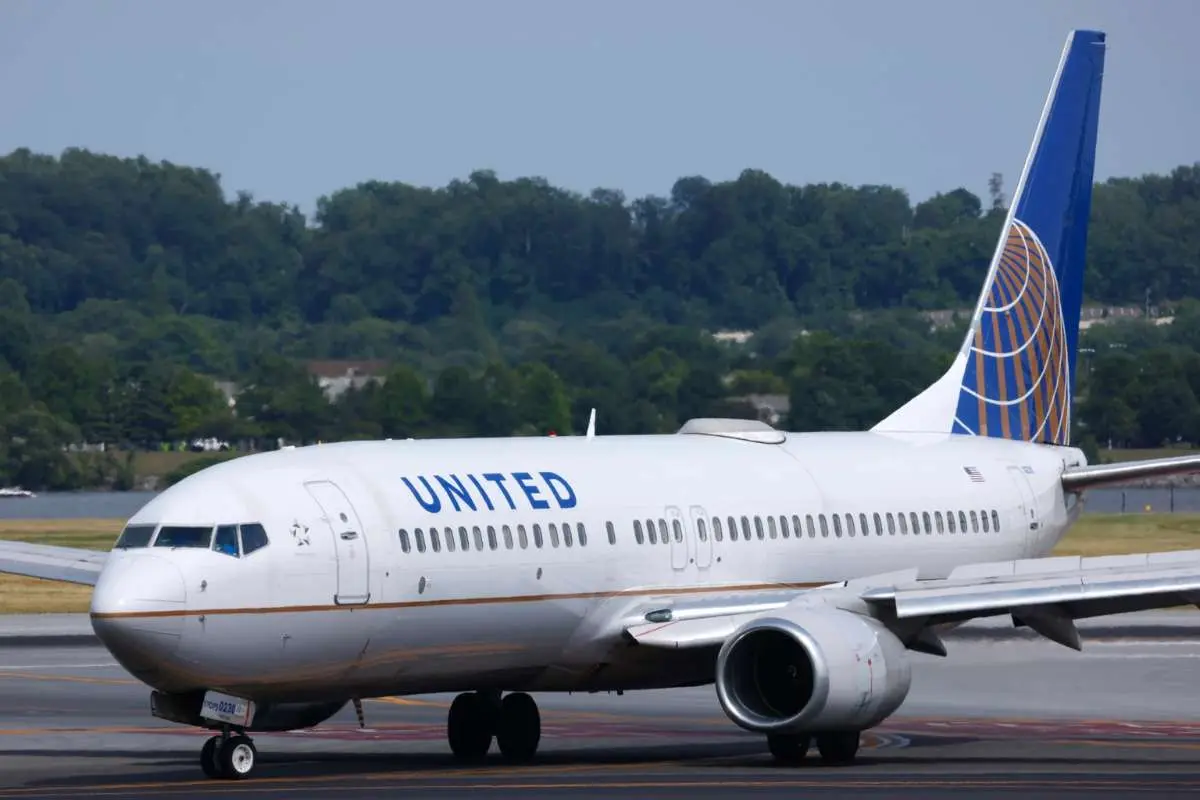
United Airlines has indicated that it expects a significant rise in fuel expenses for 2026, with total additional costs projected at $6 billion based on recent crude oil prices. Fuel remains the second-largest expense for airlines after labor, making cost fluctuations a key factor in financial performance.
The airline highlighted that rising fuel prices have already had a measurable impact on quarterly results. During the second quarter, United reported fuel expenses of $2.3 billion, representing an 84% increase compared to the same period last year. This sharp rise reflects the broader trend of increasing input costs across the aviation sector.
Rising Fuel Costs Increase Pressure On Airline Margins
Fuel price volatility has become a central concern for airline operators. Jet fuel prices reached nearly $5 per gallon in April before easing to $3.64 per gallon as of mid-July. These fluctuations have made cost forecasting more complex for United Airlines, managing large-scale operations.
United’s estimate of an additional $6 billion in fuel spending for the year reflects the cumulative effect of these price movements. The company’s financial planning now incorporates these elevated costs, which are expected to influence margins across upcoming quarters.
Other carriers have reported similar trends. Delta Air Lines recorded fuel expenses of $4.4 billion in the second quarter, marking a 77% increase from the previous year. This indicates that rising fuel costs are impacting the industry broadly rather than affecting a single airline.
Fuel costs directly influence operating margins because they account for a substantial portion of total expenses. As prices increase, United Airlines must adjust its cost structures or find ways to recover the additional expenditure through revenue strategies.
Strong Travel Demand Supports Revenue Stability
Despite rising operational costs, United Airlines has continued to report stable demand for air travel. United indicated that higher ticket prices have helped offset some of the increased fuel expenses. This reflects a pricing environment where demand remains sufficient to support fare adjustments.
Airlines are aligning ticket pricing with supply and demand conditions. With capacity levels remaining balanced and travel demand holding steady, fare increases have been absorbed without a significant decline in passenger volumes.
Industry data suggests that demand strength spans multiple customer segments, including premium and economy travel categories. This has enabled airlines to maintain revenue levels even as input costs rise.
For business owners and entrepreneurs, the situation highlights the importance of pricing strategies in managing cost pressures. The ability to pass on a portion of increased costs to customers depends on demand elasticity and market conditions.
Airlines are also focusing on operational efficiency and cost control measures to maintain profitability. However, fuel price volatility remains an external factor that can influence financial outcomes regardless of internal efficiency improvements.
As more airlines prepare to release their earnings for the quarter, the impact of fuel costs is expected to remain a key theme across the sector. The current environment reflects a balance between strong consumer demand and rising input costs, shaping financial performance for aviation companies in 2026.
Visit The Enterprise World for the latest business and technology insights.