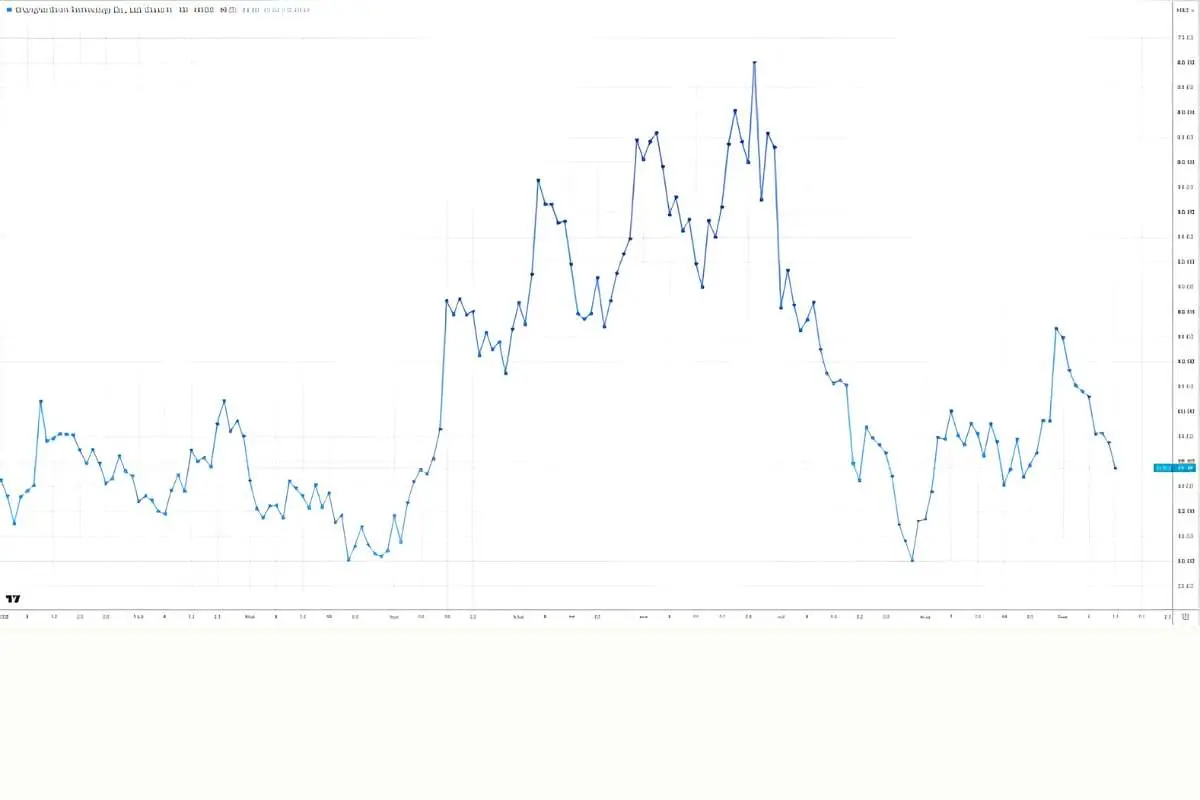
For decades, the classic 60/40 portfolio was considered one of the most reliable investment strategies available. Through allocating 60% of assets to stocks and 40% to bonds, investors could balance growth potential with income and stability. The approach performed well during periods when stocks and bonds often moved in opposite directions, helping cushion losses during market downturns.
However, today’s financial landscape looks very different. Rising interest rates, geopolitical uncertainty, increased market volatility, and more have challenged the assumptions that made the 60/40 model so effective. As a result, many financial advisors are expanding their approach to portfolio construction.
Rather than relying on a single formula, they are building more diversified strategies designed to perform across a wider range of economic conditions.
Why are advisors looking beyond the traditional 60/40 portfolio model?
Stocks and bonds become more correlated during certain market environments. Instead of one asset class offsetting losses in the other, both have sometimes declined simultaneously, leaving investors with fewer places to hide.
This change has encouraged professionals to explore broader diversification strategies, including alternative investments, private markets, and innovative platforms like LeveX that provide access to modern investment opportunities alongside traditional holdings.
Today’s advisors recognize that successful investing is becoming less about following a fixed formula and more about adapting to changing market conditions. Flexible portfolios can potentially reduce concentration risk while offering additional sources of return beyond conventional equities and fixed income.
What new challenges does the 60/40 strategy face?
The original appeal of the 60/40 portfolio relied heavily on decades of declining interest rates. As bond prices generally rose alongside falling yields, bonds served as an effective stabilizer during equity market declines. That relationship became less reliable as inflation accelerated and central banks raised interest rates.
Higher inflation also changes investor expectations. Traditional bonds may struggle to preserve purchasing power during inflationary periods, while stock valuations can come under pressure as borrowing costs rise. These conditions have prompted advisors to seek investments with different risk and return characteristics.
Simultaneously, markets have become increasingly interconnected. Global events, technological disruption, and rapid information sharing can create sharp price movements across multiple asset classes simultaneously. This environment has highlighted the importance of broader diversification than previous generations of investors often required.
Alternative assets are becoming more mainstream

Alternative investments were once reserved primarily for institutional investors and ultra-high-net-worth individuals. Today, many advisors incorporate carefully selected alternatives into diversified portfolios where appropriate.
These investments may include private credit, infrastructure, commodities, real estate, private equity, hedge fund strategies, and other nontraditional assets. Because these investments often respond differently to economic conditions than public stocks and bonds, they can potentially improve portfolio diversification.
While alternatives may introduce unique risks, such as lower liquidity or greater complexity, they also provide exposure to opportunities that may not exist within traditional public markets. Advisors carefully evaluate whether these investments align with an investor’s objectives, risk tolerance, and investment horizon.
Personalized portfolio construction is replacing one-size-fits-all investing
Modern financial planning increasingly focuses on personalization rather than standardized allocation models. Investors differ significantly in their income needs, retirement timelines, tax situations, and tolerance for volatility.
Instead of automatically recommending a 60/40 portfolio split, advisors often begin by understanding a client’s long-term goals. Younger investors with decades until retirement may prioritize growth-oriented investments, while retirees may emphasize income generation and capital preservation.
Technology has also transformed portfolio management. Sophisticated analytics allow advisors to evaluate risk exposures across multiple dimensions rather than simply measuring stock and bond percentages. This creates opportunities to build portfolios that better reflect individual financial circumstances.
The growing role of technology and investment platforms
Digital innovation has expanded the tools available to both advisors and individual investors. Advanced analytics, automated portfolio monitoring, and broader market access have made it easier to construct diversified investment strategies.
Rather than replacing disciplined investing, technology helps advisors analyze risks more effectively, identify opportunities across multiple asset classes, and respond more efficiently to changing market conditions.
Technology also improves transparency. Investors can monitor portfolio performance, understand asset allocations, and receive ongoing insights that support informed financial decision-making over time.
Diversification means more than simply owning more investments

Many investors mistakenly believe diversification simply involves purchasing a larger number of securities. In reality, effective diversification focuses on combining investments that behave differently under various economic scenarios.
A well-diversified portfolio may include domestic and international equities, investment-grade bonds, inflation-sensitive assets, real estate exposure, cash reserves, and selective alternative investments. The objective is not necessarily to maximize returns every year but to improve long-term risk-adjusted performance while reducing dependence on any single market outcome.
Advisors continuously review these allocations as market conditions evolve, making adjustments when necessary rather than relying on a static allocation established years earlier.
Building portfolios for the future
The decline of the traditional 60/40 portfolio does not mean diversification has become less important. In many ways, diversification matters more than ever. The difference is that advisors are expanding the definition of a diversified portfolio.
Instead of depending almost entirely on stocks and bonds, today’s investment strategies increasingly incorporate multiple asset classes, flexible allocation techniques, and advanced technology to help investors navigate an evolving financial landscape.
While no investment strategy guarantees success, portfolios designed around broader diversification, personalized planning, and ongoing risk management may be better positioned to adapt to today’s changing markets. As investing continues to evolve, flexibility and thoughtful asset allocation are replacing rigid formulas as the foundation of long-term wealth management.