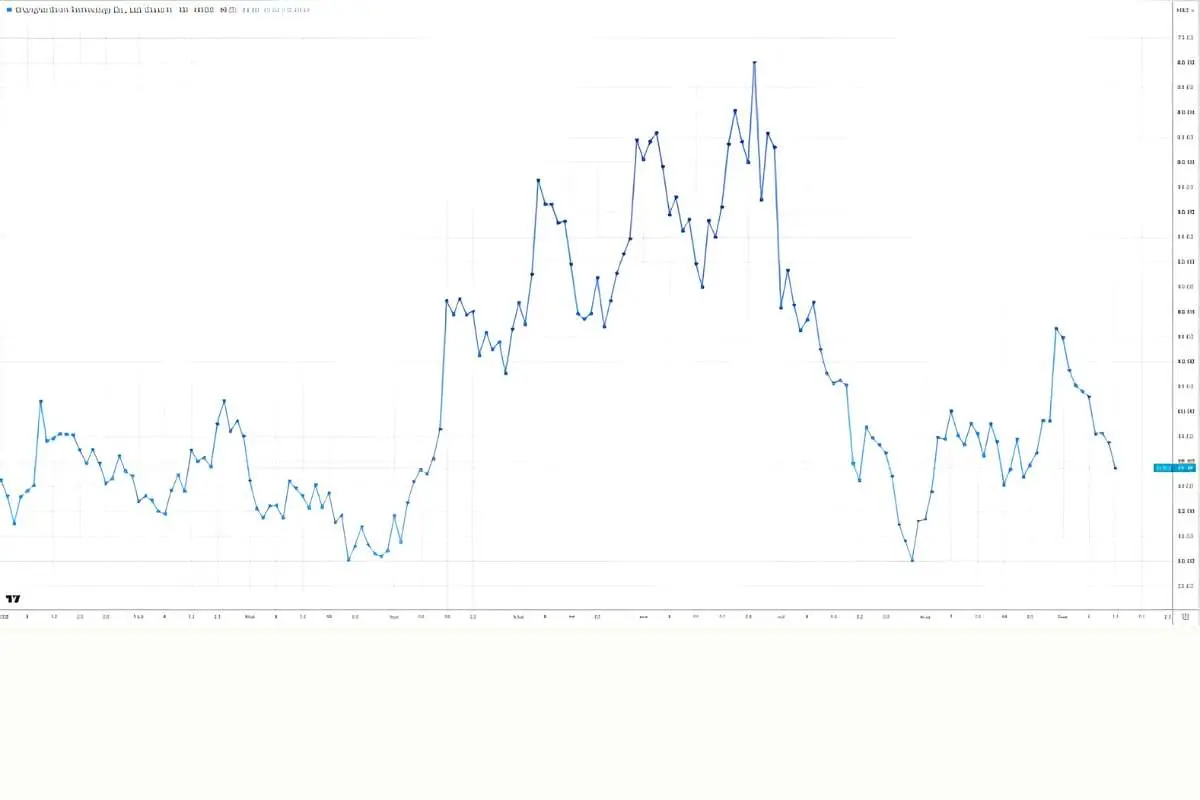
Buying an ETF feels straightforward. Pick a fund. Click buy. Watch it grow. But something sneaky hides in the background. Currency movements.
The Canadian dollar moves up and down. That affects every foreign investment. Most new investors miss this piece. They focus on stock prices alone. A big mistake.
What ETF currency risk actually mean?
The ETF currency risk in Canada comes from holding US stocks or international stocks. These assets trade in foreign money. The US dollar. The Euro. The Yen. The value changes every single day.
A strong Canadian dollar hurts foreign returns. A weak Canadian dollar helps them. This risk is separate from stock market movements.
A real-life example
Imagine buying a US ETF. The S&P 500 goes up ten percent. Great news. But the Canadian dollar also goes up ten percent. The return in Canadian dollars is zero. The stock gained. The currency erased it.
Now imagine the reverse. The S&P 500 goes up ten percent. The Canadian dollar drops ten percent. The return in Canadian dollars is twenty percent. Currency doubled the gain. Both scenarios happen all the time.
Hedged vs unhedged ETFs

Two versions of most ETFs exist. Hedged funds remove currency risk. Unhedged funds keep it. A hedged US ETF protects against loonie movements. The return stays flat in Canadian dollars.
An unhedged US ETF rides the currency wave. The return goes up and down with the exchange rate. Each version has its own fans.
When hedging makes sense?
Hedging works best for short-term investors. A person buying a house in two years. A retiree needing cash next year. Currency swings over a short period are dangerous.
Hedging smooths those bumps. It provides predictability. The cost is small. The peace of mind is large. A hedged ETF removes one variable from the equation.
When unhedged wins?
Long-term investors should skip hedging. Over decades, currencies even out. The Canadian dollar goes up and down repeatedly. Paying extra fees for hedging is wasteful.
Also, a falling loonie helps Canadians. Most living expenses are in Canadian dollars. A weak dollar boosts foreign returns. That helps during inflation too. Let the currency ride.
The cost of hedging
Hedging is not free. The fund pays for currency contracts. Those contracts expire and get renewed. Every renewal costs money. The expense ratio goes up.
A hedged ETF currency risk might charge 0.30 percent more. That adds up over thirty years. A small difference becomes a big drag. Unhedged ETFs are cheaper. Simpler. Sometimes better.
The Canadian dollar’s natural moves

The loonie moves with oil prices. Canada is a big oil producer. Oil goes up. The dollar goes up. Oil goes down. The dollar goes down.
The Bank of Canada also affects it. Interest rate changes shift the currency. Trade balances matter too. No one predicts these moves perfectly. That unpredictability is the whole risk.
The safe haven effect
During global crises, the US dollar gets stronger. Investors flee to safety. The Canadian dollar often drops. That is actually good for Canadian investors.
US holdings become worth more in loonie terms. A crisis hurts stock prices. Currency helps offset that pain. This natural hedge protects portfolios. Unhedged ETFs capture this benefit.
The diversification angle
Holding unhedged ETFs is a form of diversification. Different currencies move differently. The Euro might rise while the US dollar falls. The Yen might rise while both fall.
A mix of foreign currencies reduces overall risk. Hedging everything removes this benefit. The investor gets pure stock market exposure. Nothing else.
The tax man cometh

Currency gains are not taxed separately. They get rolled into the capital gain. Sell an unhedged US ETF for a profit. The gain includes both stock gains and currency gains. That is fine.
The tax rate is the same. Hedged funds have no currency component. The gain is just the stock gain. No tax difference either way.
A simple rule of thumb
Here is a straightforward guide. Short time horizon? Choose hedged. Long time horizon? Choose unhedged. High currency risk tolerance? Choose unhedged. Low tolerance? Choose hedged.
Most young investors should stay unhedged. Older investors near retirement should hedge. This rule works for most situations.
The final takeaway
Currency risk is real. It can help or hurt. Unhedged ETFs offer currency diversification. They cost less. They capture natural hedges. Hedged ETFs offer stability. They cost more. They remove currency surprises.
Pick the version that matches the timeline and comfort level. Just know the difference. That knowledge prevents ugly surprises.