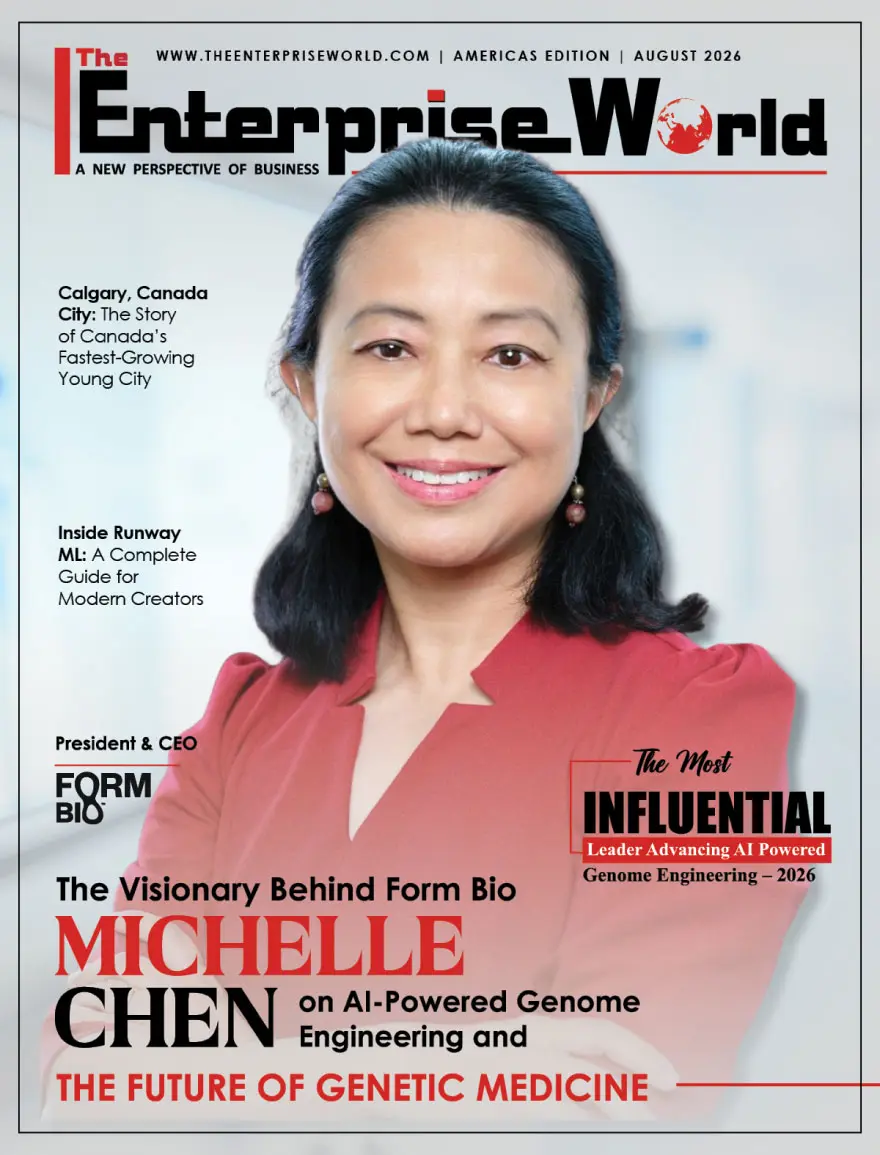
The life sciences industry stands at a defining inflection point, where artificial intelligence, genomics, and biological engineering are converging to reshape how medicines are discovered, developed, and manufactured. At the forefront of this transformation is Michelle Chen, PhD, President and CEO of Form Bio, whose career has spanned multiple waves of technology innovation and drug discovery from pioneering transgenic antibody screening at Abgenix (now Amgen) to years of corporate functions at Roche, Merck, and BioMarin, to leading business functions at Insilico Medicine, and now leading AI-powered genome engineering. Under her leadership, Form Bio is breaking down the traditional barriers between drug design and manufacturing, making genetic medicine more predictable, scalable, and commercially viable.
Her credibility rests on both scientific depth and strategic vision, demonstrated through collaborations with Cure Rare Disease, Weill Cornell Medicine, and UT Southwestern, partnerships with Google, NVIDIA, and AWS, and a growing presence on prestigious global industry stages. What truly sets her apart is her conviction that AI should remain a tool guided by human values, augmenting scientific judgment rather than replacing it. Her story began as a curious child fascinated by nature’s mysteries and has led her to the helm of Form Bio, where she shapes the future of genetic medicine with an unwavering purpose: bringing innovative therapies to patients faster and leaving a lasting legacy of meaningful impact.
From Scientific Curiosity to AI-Powered Genome Engineering Leadership
Michelle’s journey began with a childhood fascination with nature, inspiring a scientific career. She earned her Ph.D. at the University of Washington, completed postdoctoral training at UCSF, and published in Cell, PNAS, and MCB, learning critical thinking and evidence-guided decision-making. Her turning point came as a young R&D manager leading experienced scientists, realizing scientific excellence alone cannot inspire teams or navigate conflict. Training and mentorship taught her that authentic leadership means listening, building trust, and empowering others. Science gave her rigorous thinking; leadership taught her empathy, humility, and communication: the dual foundation shaping how she leads today.
Her career spanned waves of genetic innovation from pioneering XenoMouse® technology assay development at Abgenix, contributing to FDA-approved therapies like Vectibix®, to working on DNA microarrays at Agilent, real-time PCR at Applied Biosystems, and gene therapy at BioMarin. Leading Form Bio is the natural culmination, where AI, biological engineering, and high-quality data converge to make genetic medicine more predictable, scalable, and commercially viable. Despite evolving tools, her motivation remains unchanged: exploring the unknown to make a meaningful difference in human health.
From De-Extinction to Genetic Medicine
Form Bio spun out of Colossal Biosciences, co-founded by George Church, Ben Lamm, Andrew Busey, and Kent Wakeford. Colossal’s team developed AI algorithms, bioinformatics workflows, and gene editing technologies for de-extinction, realizing these tools could also accelerate next-generation human therapeutics, the insight behind Form Bio. The vision: harness AI to make genetic medicine more predictable, scalable, and accessible to patients. An early success was the company’s genetic medicine platform, which optimized AAV codons to increase full-length genome production, boost transgene expression by 10- to 15-fold, and significantly reduce manufacturing costs across multiple gene therapy programs.
As the field evolved, the mission is expanding from gene therapy into cell therapy, non-viral delivery platforms, and broader genome engineering. The company maintains synthetic biology roots through a multi-year partnership with Colossal Biosciences, developing AI solutions for species biology, evolutionary genomics, ecology, protein engineering, and enzyme engineering. Michelle Chen believes biology is entering a new era where AI, biological engineering, and high-quality data converge to transform how medicines are designed. Form Bio aims to lead this transformation by building AI platforms that accelerate innovation from biological design through manufacturing, bringing better therapies to patients faster.
Three Core Challenges and Form Bio’s Strategic Response
AI is advancing rapidly, and the life sciences industry is striving to keep pace. For Michelle, the opportunity is enormous, but three challenges stand out.

- Separating Real Innovation from Hype: New AI tools emerge daily, distracting organizations from meaningful biological problems. Success demands balancing innovation with scientific rigor and a clear understanding of underlying biology.
- The Data Bottleneck: Unlike large language models trained on vast public data, biology has limited high-quality datasets, the most valuable being proprietary, making strategic partnerships essential for differentiated AI models.
- Translating Prediction into Reality: A model’s value lies in validated predictions that improve therapies, bridging computation and real-world outcomes, remains a fundamental hurdle.
Form Bio tackles core challenges via collaborations with UT Southwestern, Weill Cornell Medicine, and Cure Rare Disease, accessing unique biological data for real-world AI validation, while partnerships with Google, NVIDIA, and AWS ensure secure, scalable infrastructure. Michelle believes Form Bio’s differentiator is viewing AI as a tool to make biology more predictable, scalable, and commercially viable, integrating AI with experimental biology and deep expertise to accelerate therapies to patients.
From Ancient Genomes to Life-Changing Therapies
Michelle Chen highlights Form Bio’s technology contributing to Colossal Biosciences’ dire wolf de-extinction program, which brought back a species extinct for 10,000 to 15,000 years. The achievement required extracting ancient DNA, assembling the genome, identifying genetic differences, designing precise edits, and generating engineered embryos carried by surrogate gray wolves. Form Bio contributed AI, computational biology, bioinformatics, and software capabilities. Three healthy dire wolves have been born, demonstrating what becomes possible when AI, genome engineering, and computational biology converge to solve seemingly impossible problems.
The second example directly impacts human health. A biopharmaceutical partner had spent years trying to overcome a manufacturing bottleneck caused by truncated genomes in an AAV gene therapy program. Form Bio’s AI-driven genetic medicine platform redesigned the construct in just weeks, increasing full-length genome production three- to four-fold and enabling manufacturing scale-up. The optimized therapy also showed reduced toxic subgenomic species, putting the program back on track for clinical trials in the near future. Both examples reflect Form Bio’s mission: using AI to make biology more predictable, scalable, and commercially viable, with success measured by biological outcomes and the patients who benefit.
Building Credibility Amid Skepticism
One of Michelle’s greatest challenges was building credibility for AI-powered drug discovery when the industry remained skeptical. During five years in techbio, including as Chief Business Officer at Insilico Medicine, AI-driven drug discovery had no established playbook, proven business model, or success stories. The recurring question “Is AI overhyped?” was fair; enthusiasm was high, but clinical validation limited. Building trust required data, scientific rigor, successful partnerships, and clinical evidence.
As AI-generated drug candidates advanced into clinical development, the conversation shifted. People no longer ask if AI has a role in drug discovery, but how to adopt it effectively. This taught Michelle Chen two lessons: innovation requires conviction to pursue the long-term vision while staying grounded in evidence, and critics can be great teachers. Understanding criticism helps identify weaknesses, sharpen strategy, and communicate more effectively. Sometimes the right outcome is respecting perspectives rather than changing minds. Ultimately, leadership is navigating uncertainty with confidence to pursue an unseen vision and humility to keep learning and improving.
Fostering Cross-Disciplinary Innovation at Form Bio

At Form Bio, bringing together experts from AI, computational biology, software engineering, molecular biology, genetic medicine, and bioprocess development each with distinct terminology and approaches is both a challenge and opportunity. Michelle prioritizes creating an environment where teams learn from one another rather than work in silos, guided by the principle that everyone should be both teacher and learner. To foster this, the company hosts monthly Lunch & Learn sessions on topics from new AI models to customer insights, alongside regular Show & Tell sessions celebrating individual contributions.
Through brainstorming, design reviews, and hackathons, Form Bio unites diverse disciplines to solve problems collectively, with creative solutions emerging from cross-functional discussions. Michelle insists innovation remains grounded in experimental validation, data quality, reproducibility, and close collaboration between AI scientists and experimental biologists, the goal being predictions that translate into meaningful biological outcomes. She believes Form Bio’s greatest competitive advantage is not any single algorithm, but integrating diverse expertise into one team where AI experts, software engineers, and biologists learn each other’s language and work toward a common goal that is where breakthrough innovation happens.
AI as a Co-Pilot Across the Entire Therapeutic Lifecycle
Looking ahead over the next five to ten years, Michelle Chen envisions a fundamental shift in how AI will influence genome engineering. She believes AI will become a true co-pilot throughout the entire therapeutic lifecycle from target discovery and molecular design to process development, manufacturing, quality control, regulatory documentation, and even commercial production. In her view, the companies that succeed in this new era will not simply build better AI models; they will build integrated AI platforms that connect every stage of therapeutic development. This is precisely the future Form Bio is working to create.
The company’s mission is to break down the traditional barriers that have long separated drug design from manufacturing, making genetic medicine more predictable, scalable, and commercially viable so that innovative therapies can reach patients faster and at lower cost. “The future isn’t just about AI for drug discovery. It’s AI connecting drug design and manufacturing into one continuous workflow.”
Building Trust Through Scientific Integrity, Security, and Collaboration

Trust is the cornerstone of biotechnology and healthcare, and Form Bio approaches this through multiple commitments. The company prioritizes scientific integrity; every AI prediction is judged by experimental validation and real-world biological outcomes, reflecting Michelle’s conviction that AI should augment, not replace, scientific decision-making, with reproducibility, transparency, and evidence-based research emphasized throughout. Data privacy and security are fundamental, supported by secure cloud infrastructure and partnerships with leading technology providers to meet the high standards of pharmaceutical and biotechnology organizations.
Form Bio views collaboration as essential to building trust, engaging with industry, academia, and patient communities. Examples include leading an AAV Working Group, authoring peer-reviewed articles on AAV technologies, partnering with pharma and biotech companies, and collaborating with Cure Rare Disease, the Alliance for Regenerative Medicine, Weill Cornell Medicine, and UT Southwestern on rare genetic diseases and neurodegenerative disorders. Michelle Chen believes trust is earned through consistent actions combining rigorous science, responsible AI, secure data practices, and open collaboration to be a trusted partner for the genetic medicine community.
Milestones That Define Form Bio’s Industry Influence
Since Michelle became CEO in August 2025, Form Bio has expanded its industry presence through partnerships, collaborations, conference presentations, publications, and thought leadership across genetic medicine, AI, and synthetic biology, positioning the company as a recognized innovator in AI, genomic technologies, and next-generation therapeutics. The company also set up a new lab in San Carlos, California early this year, as part of the MBC BioLabs, where in silico designs are being validated in a wet lab to ensure the quality and scientific rigor.

Strategic Partnerships and Industry Collaborations
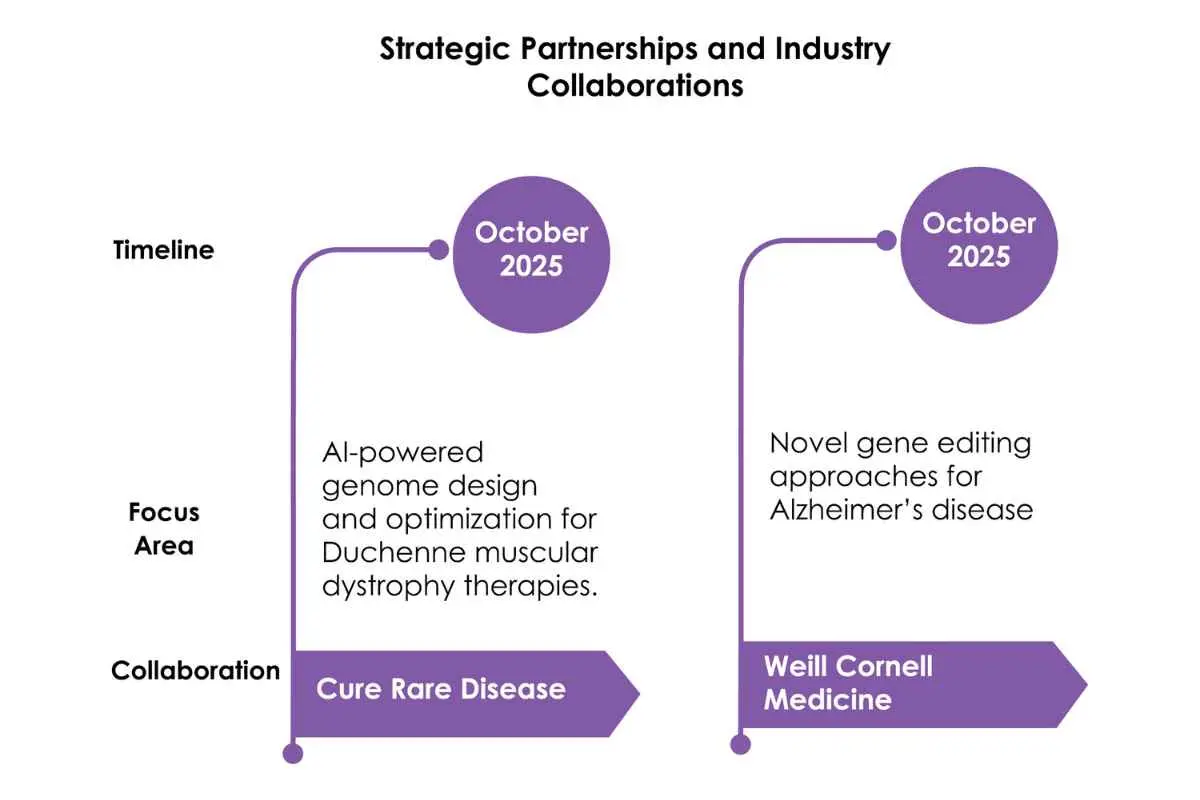
| Timeline | Collaboration | Focus Area |
| October 2025 | Cure Rare Disease | AI-powered genome design and optimization for Duchenne muscular dystrophy therapies. |
| October 2025 | Weill Cornell Medicine | Novel gene editing approaches for Alzheimer’s disease |
Scientific Leadership and Speaking Engagements
Form Bio’s leadership and scientific experts have been invited to present at numerous high-profile industry conferences and events, reflecting the company’s growing reputation as a thought leader.
- October 2025 – Cell & Gene Meeting on the Mesa (Phoenix): Amicia Elliott presented “AI in Action: Engineering Breakthroughs in Vector Design, Gene Editing, & miRNA.”
- October 2025 – Biopharma Dive Webinar: Amicia Elliott joined a panel on “Integrating DNA Sequencing & AI for Genome Integrity” with PacBio, Catalent, and Solid Biosciences.
- November 2025 – X-Factor Healthcare Innovation Summit: Michelle discussed strategic partnerships and collaboration as competitive advantages.
- January 2026 – Biocom Converge Meet-Up (Seattle): Amicia Elliott explored the future of AI-enabled biotechnology with Eli Lilly and Yatiri Bio.
- February 2026 – Cell & Gene Therapy International (London): Michelle presented on AI and machine learning advancing genetic medicine development and manufacturing.
- February 2026 – MIT Sloan Tech Summit: Michelle Chen discussed the convergence of AI, biotechnology, and next-generation therapeutics.
- March 2026 – Human Gene Therapy Conference (Boston): Jeremy Shelley presented on emerging applications of AI in genetic medicine development.
- May 2026 – SynBioBeta 2026: Michelle joined the panel “Data Factories: Building the Infrastructure for AI-Ready Biology” with DARPA, BioRaptor, and Robots on Rails.
- June 2026 – BIO International: Michelle participated in “Turning AI Hype into Real-World Breakthroughs” with WhiteLab Genomics, Dyno Therapeutics, Novartis, CSL Behring, and Owkin.
Podcasts and Thought Leadership
In 2026, Form Bio launched The Algorithm of Life, a podcast series hosted by Michelle Chen featuring prominent leaders across biotechnology and medicine.
| Guest | Role |
| Richard Horgan | CEO, Cure Rare Disease |
| Dr. Lee Hood | Systems Biology Pioneer |
| Dr. Len Post | Biopharma Leader |
| Dr. George Church (coming in September) | Genome Engineering Pioneer |
Michelle Chen also participated in external industry podcasts, including a podcast discussion with Genialis’ CEO Dr. Rafael Rosengarten on precision medicine and AI-enabled drug development.
Scientific Posters and Research Presentations
Form Bio has presented scientific data alongside industry and academic partners at major conferences, including the American Society of Gene and Cell Therapy Annual Meeting and the Recovery of Biological Products Conference.
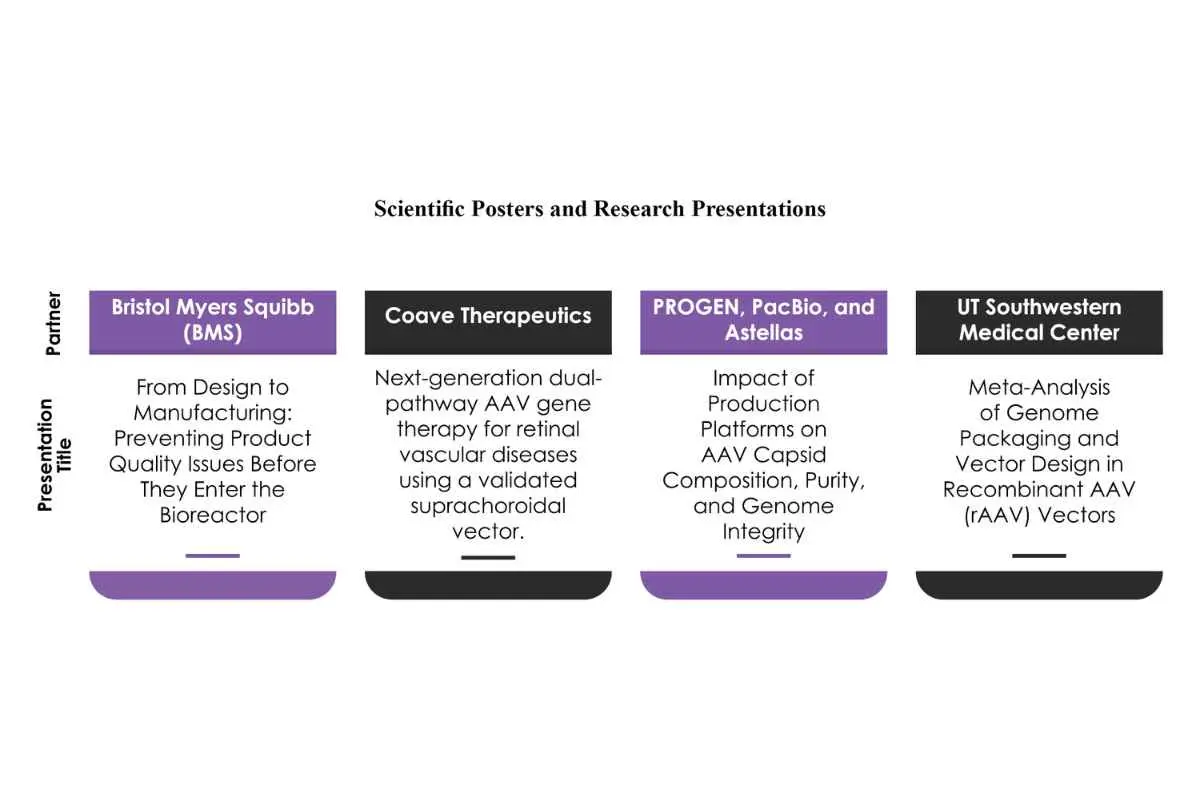
| Partner | Presentation Title |
| Bristol Myers Squibb (BMS) | From Design to Manufacturing: Preventing Product Quality Issues Before They Enter the Bioreactor |
| Coave Therapeutics | Next-generation dual-pathway AAV gene therapy for retinal vascular diseases using a validated suprachoroidal vector. |
| PROGEN, PacBio, and Astellas | Impact of Production Platforms on AAV Capsid Composition, Purity, and Genome Integrity |
| UT Southwestern Medical Center | Meta-Analysis of Genome Packaging and Vector Design in Recombinant AAV (rAAV) Vectors |
Technology and Platform Milestones
- In January 2026, Form Bio launched its Lab-in-the-Loop with a new lab in San Carlos, California, as part of the MBC BioLabs, integrating experimental validation with AI development to accelerate optimization and improve predictive performance for genetic medicine.
- Form Bio expands its AI platform with long-read sequencing, genome integrity analysis, and AI-guided therapeutic design across gene therapy, biological design, and synthetic biology.
Life Before and After the CEO Journey
Michelle’s transition from individual contributor to chief executive represents a profound shift in mindset, responsibilities, and perspective.
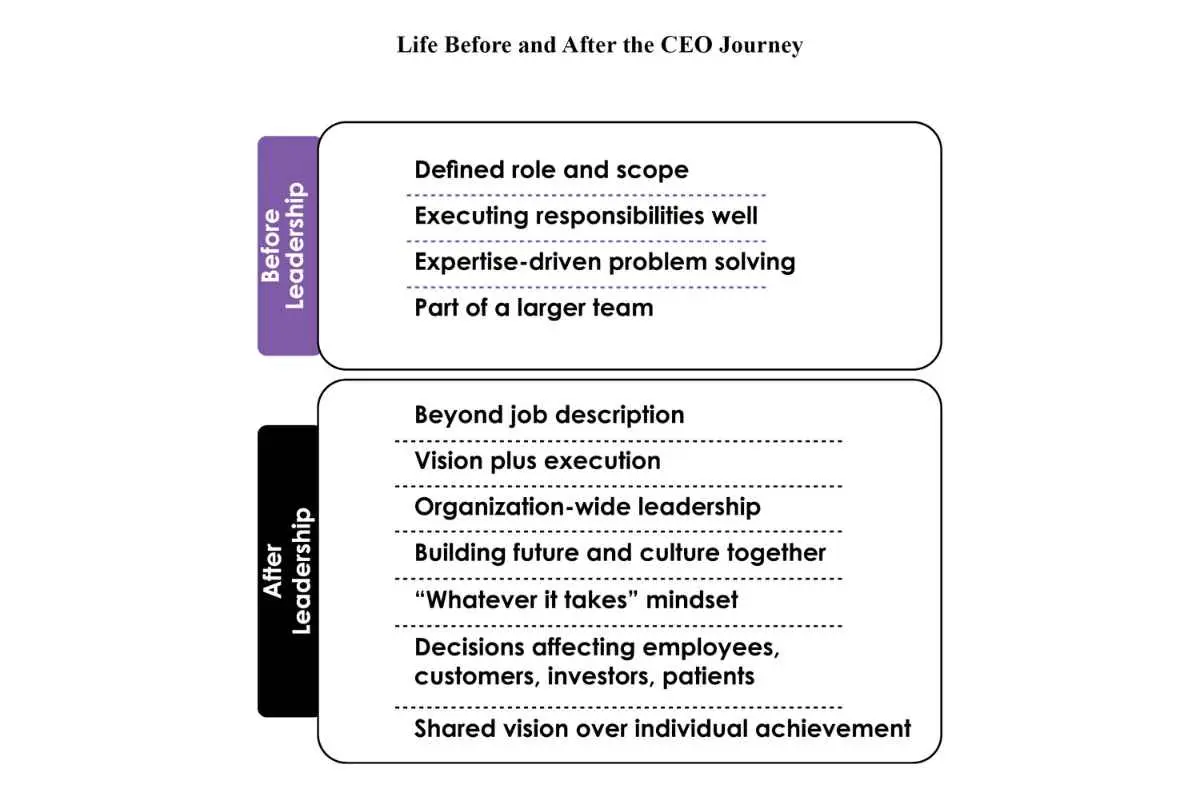
| Before Leadership | After Leadership |
| Defined role and scope | Beyond job description |
| Executing responsibilities well | Vision plus execution |
| Expertise-driven problem solving | Organization-wide leadership |
| Part of a larger team | Building future and culture together |
| “Whatever it takes” mindset | |
| Decisions affecting employees, customers, investors, patients | |
| Shared vision over individual achievement |
Core Lesson: Leadership is not about doing more work it is about building a shared vision, fostering a strong culture, and achieving more together than any individual could alone.
Michelle Chen’s Daily Routine
For Michelle, each day is a carefully orchestrated balance of strategic leadership, personal well-being, and continuous learning.
Here is a glimpse into her daily routine.
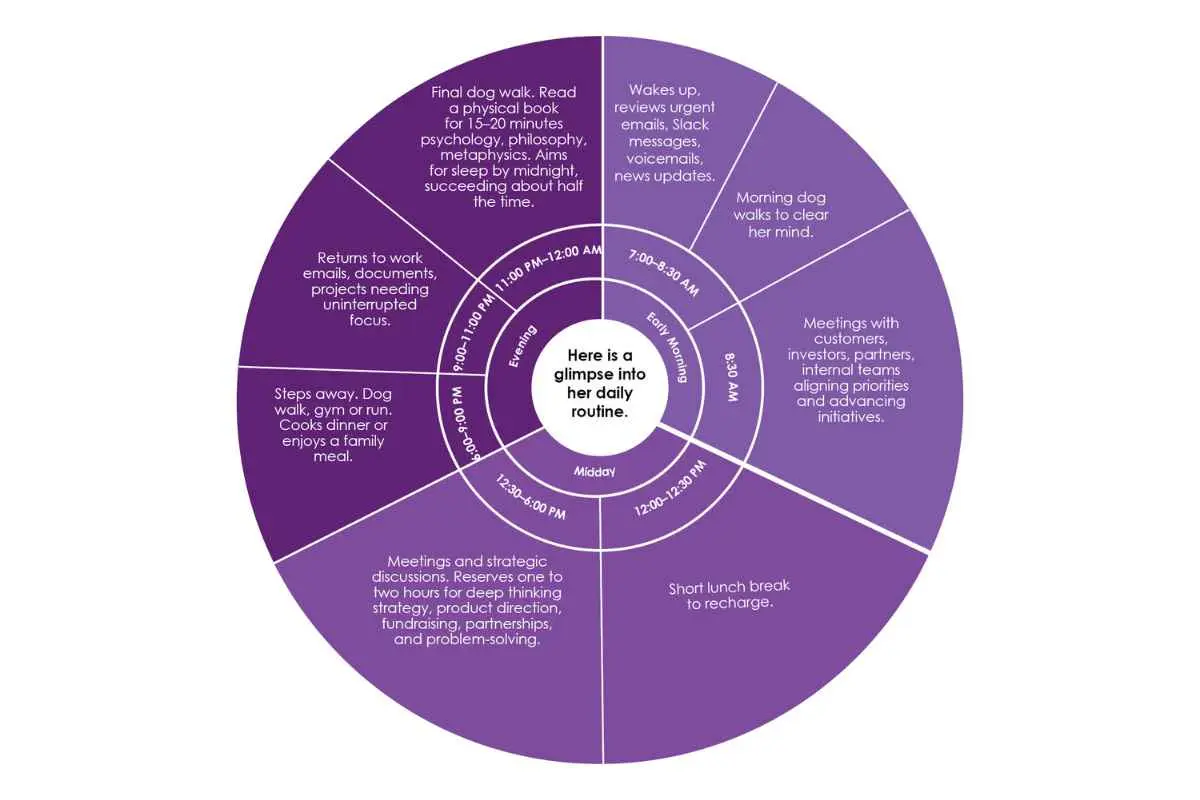
- 7:00–8:30 AM: Wakes up, reviews urgent emails, Slack messages, voicemails, news updates. Morning dog walks to clear her mind.
- 8:30 AM: Meetings with customers, investors, partners, internal teams aligning priorities and advancing initiatives.
- 12:00–12:30 PM: Short lunch break to recharge.
- 12:30–6:00 PM: Meetings and strategic discussions. Reserves one to two hours for deep thinking strategy, product direction, fundraising, partnerships, and problem-solving.
- 6:00–9:00 PM: Steps away. Dog walk, gym or run. Cooks dinner or enjoys a family meal.
- 9:00–11:00 PM: Returns to work emails, documents, projects needing uninterrupted focus.
- 11:00 PM–12:00 AM: Final dog walk. Read a physical book for 15–20 minutes psychology, philosophy, metaphysics. Aims for sleep by midnight, succeeding about half the time.

An Open Letter to the Next Generation of Innovator
To the next generation of scientists, technology leaders, and builders of the future,
If I could offer one piece of advice, it would be this: stay curious, stay authentic, and never lose sight of why you are building.
Technology will evolve rapidly, AI more powerful, biology more programmable, problems more complex yet tools remain just tools. Our values, judgment, and purpose determine whether innovation creates lasting societal benefit. Do not fear difficult problems; the most meaningful breakthroughs emerge from seemingly impossible challenges. Remain humble, listen to dissenters, learn from failure, and change your mind when evidence demands it. Intellectual flexibility is not weakness but one of the greatest strengths a scientist or leader can possess.
Most importantly, build something that matters. Success should not be measured only by financial returns or technological achievements, but by the positive impact you create for patients, communities, and future generations. The companies we build may not last forever, but the knowledge we create, the people we develop, and the lives we improve can leave a lasting legacy.
With optimism and conviction,
Michelle Chen, PhD
President & CEO, Form Bio
Key Takeaways
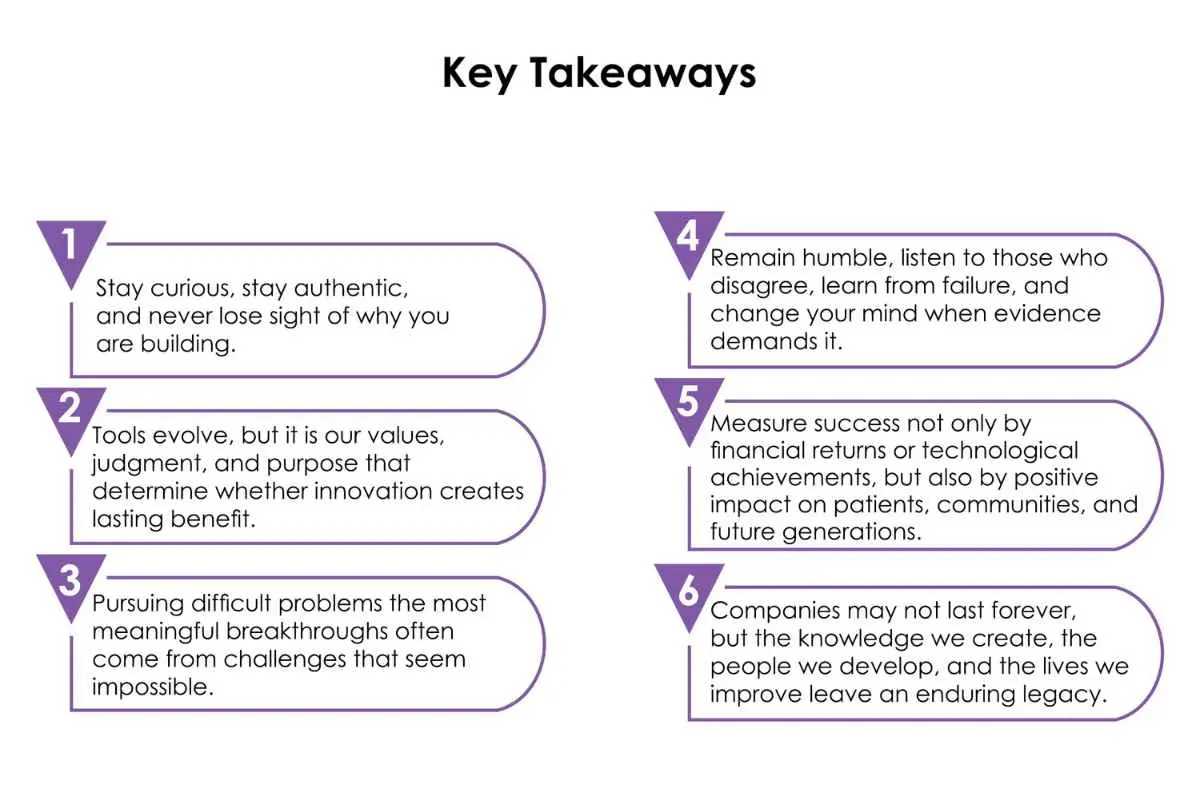
- Stay curious, stay authentic, and never lose sight of why you are building.
- Tools evolve, but it is our values, judgment, and purpose that determine whether innovation creates lasting benefit.
- Pursuing difficult problems the most meaningful breakthroughs often come from challenges that seem impossible.
- Remain humble, listen to those who disagree, learn from failure, and change your mind when evidence demands it.
- Measure success not only by financial returns or technological achievements, but also by positive impact on patients, communities, and future generations.
- Companies may not last forever, but the knowledge we create, the people we develop, and the lives we improve leave an enduring legacy.