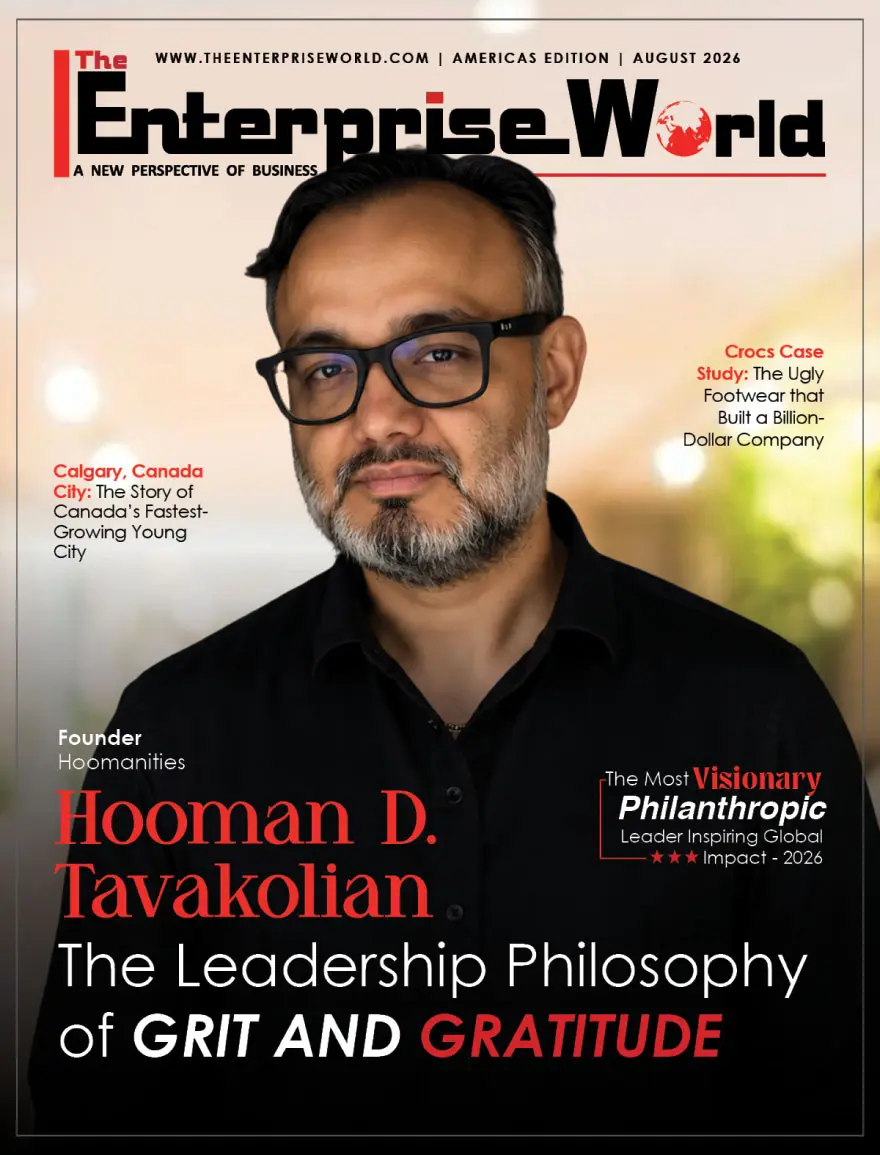
Every meaningful journey starts somewhere. For Hooman D. Tavakolian, Founder of Hoomanities, the journey began on the wrestling mat and eventually carried him far beyond it.
Today, Hooman leads global compliance within a multi-billion-dollar investment firm, where integrity, accountability, judgment, and responsibility are central to his work. While his professional world and humanitarian work may seem different, the principles guiding both are closely connected.
During his college years in the United States, Hooman would collect wrestling shoes from his teammates at the end of each season and take them to young wrestlers who had the passion to train but lacked the resources. It was a small gesture, but it stayed with him.
Over time, those moments taught him something simple: meaningful change does not always begin with a big idea. Sometimes, it begins with noticing what someone needs and deciding to help.
Years later, that belief grew into Hoomanities, an organization focused on creating opportunities through education, sport, leadership, and humanitarian service. What started with a few pairs of wrestling shoes became a larger commitment to helping people move forward, and showing that success can mean more when it is shared.
A Purpose Rooted in Compassion
Hooman never wanted Hoomanities to become just another name on a list of charitable organizations. For him, the work has always been personal. At its heart is a simple belief: where a person is born, what their family can afford, or what circumstances they inherit should not decide how far they can go. Everyone deserves dignity, opportunity, and a reason to believe that something better is possible.
That belief was formed long before Hooman had a professional title. It was shaped on the wrestling mat.
Wrestling was his first real classroom. The lessons were not taught through books, but through early mornings, brutal training sessions, weight cuts, exhaustion, and the sting of losing a match he was certain he should have won. Victory taught him to believe in himself. Defeat taught him something harder, and perhaps more valuable: humility.
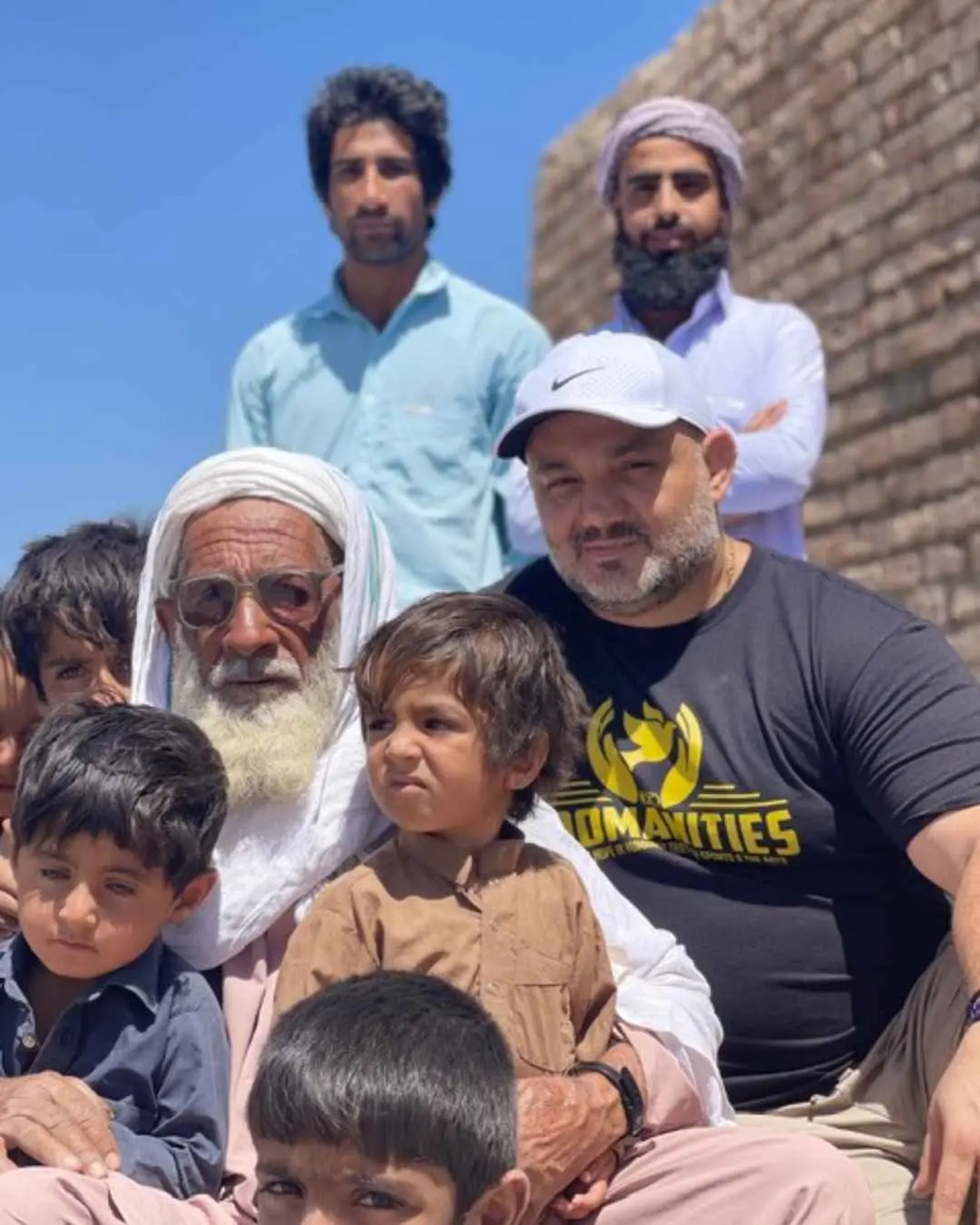
The sport also taught him that individual performance is shaped by the people around you. An athlete may walk onto the mat by himself, but he does not get there alone. Behind every match are coaches who push, teammates who train beside you, family members who make sacrifices, and mentors who offer guidance when the path is unclear. Hooman remembers teammates staying after practice to help each other work through a technique, cutting weight together, and pushing one another through exhausting workouts. There were times when his own body had nothing left to give, and a teammate would literally stand behind him and push him through the final part of an exercise.
| Wrestling may look like an individual sport, but some of my greatest lessons came from my teammates. I remember teammates staying after practice to help each other drill a technique one of us was struggling with, cutting weight together, pushing through exhausting workouts, and showing up the next day even after a tough loss. Or simply when my body couldn’t go any more or push, my teammates would be pushing me, literally behind me, supporting me to finish the exercise.There were times when one teammate had nothing left in the tank, and another would stay beside him, push him through the final sprint, or work with him after practice until he got a move right. Nobody got better alone. Iron sharpens iron.That taught me something I carried far beyond wrestling: your individual success is often built on the people willing to struggle beside you. Great teammates don’t just celebrate your victories—they help you become the person capable of earning them. |
That sense of brotherhood extended beyond wrestling. When one teammate was diagnosed with cancer, the wrestling community came together to raise funds and support him. His teammates have also remained part of the major moments of his life, from his wedding to the births of his children. To Hooman, that brotherhood was built through years of shared sacrifice, through blood, sweat, hard training, and the experiences that bind teammates together long after they leave the mat. To Hooman, that bond is a reminder that the people beside us often shape who we become.
That is why Hooman has never been comfortable calling himself self-made. He sees his journey as a collection of people who challenged him, encouraged him, opened doors, and believed in him. Coaches, teachers, mentors, teammates, family, friends, and colleagues have each contributed to different chapters of his life. To Hooman, grit is what keeps a person moving forward, while gratitude reminds him that he did not get there alone. One without the other can become unbalanced. Grit without gratitude can turn into ego; gratitude without grit can remain simply a good intention.
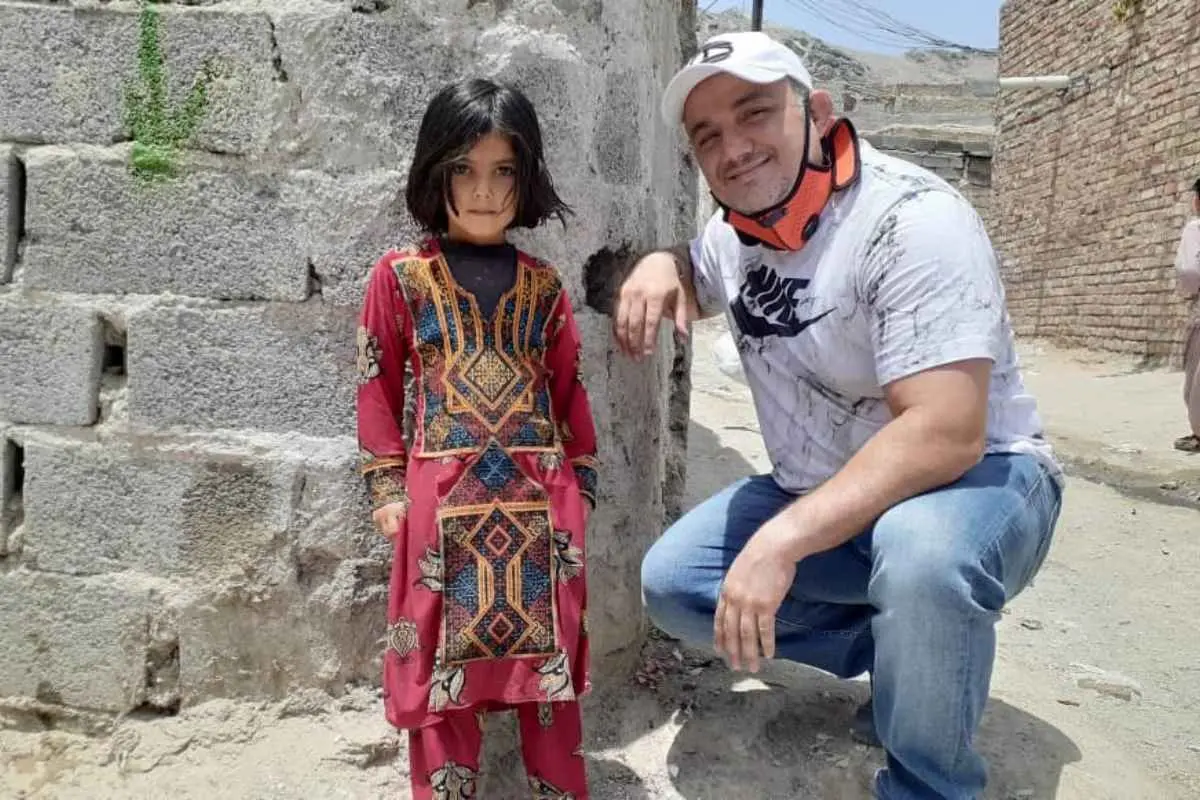
That same philosophy eventually led Hooman D. Tavakolian toward girls’ education. He became increasingly aware of communities where a girl’s future could be shaped by things she had never chosen: where she was born, her family’s financial circumstances, cultural expectations, or whether she even had a school she could attend. The issue took on a deeper meaning for him as a father. Seeing the reality of young brides in some communities while raising a daughter of his own made it impossible to view the issue as someone else’s problem.
But Hoomanities did not arrive with a ready-made answer. It started by listening.
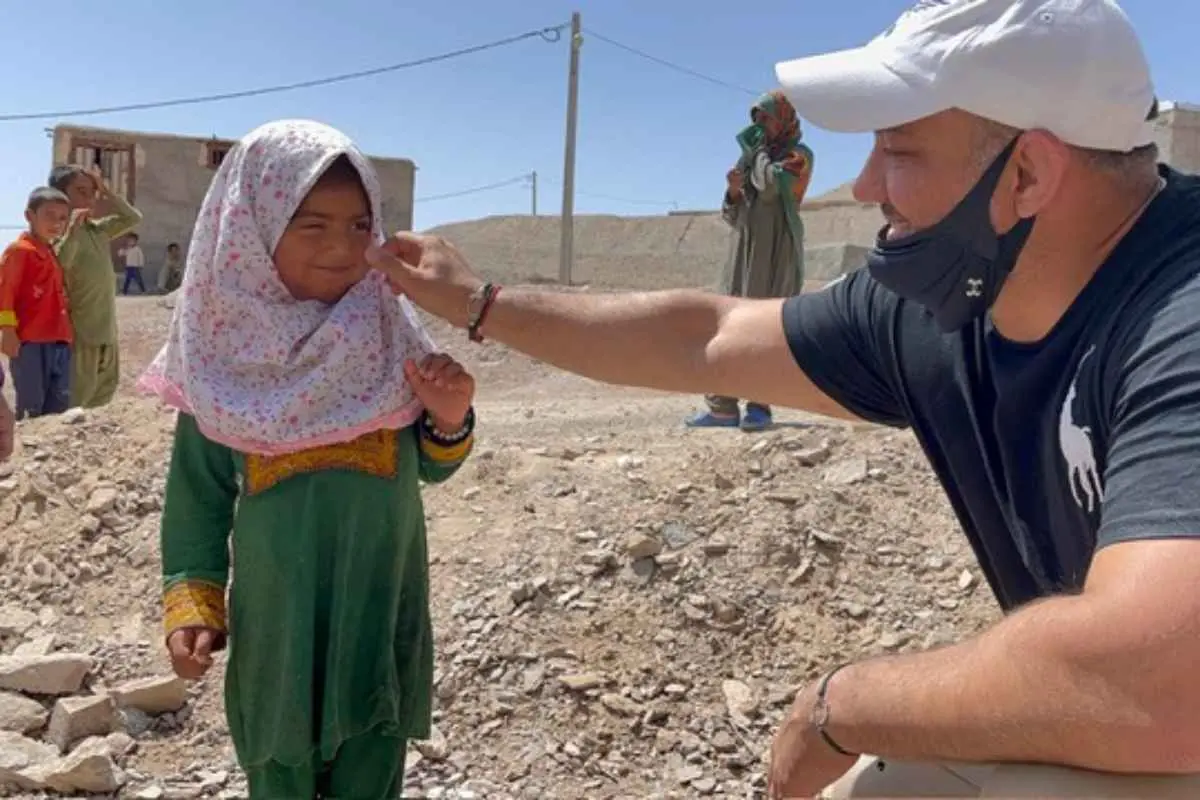
Working with local communities, the organization identified areas where educational access for girls remained limited. Hooman chose Sistan and Baluchestan because it is one of Iran’s most underserved regions, where poverty, geographic isolation, and limited educational infrastructure can create significant barriers to education, particularly for girls. Some of the communities were small mountain villages with around 20 families, in remote areas near the borders of Iran, Afghanistan, and Pakistan. That made the need particularly clear to Hooman, who wanted to direct resources toward communities that often receive far less attention and fewer resources than Iran’s major cities. The work ultimately led to the creation of three girls’ schools in the region.
To Hooman, the goal was never simply to build a school, but to build possibilities, one girl, one classroom, and one generation at a time. That is the kind of change Hoomanities is built to pursue: not simply giving something to someone, but helping create the conditions for people to build a different future for themselves.
The Leadership Journey
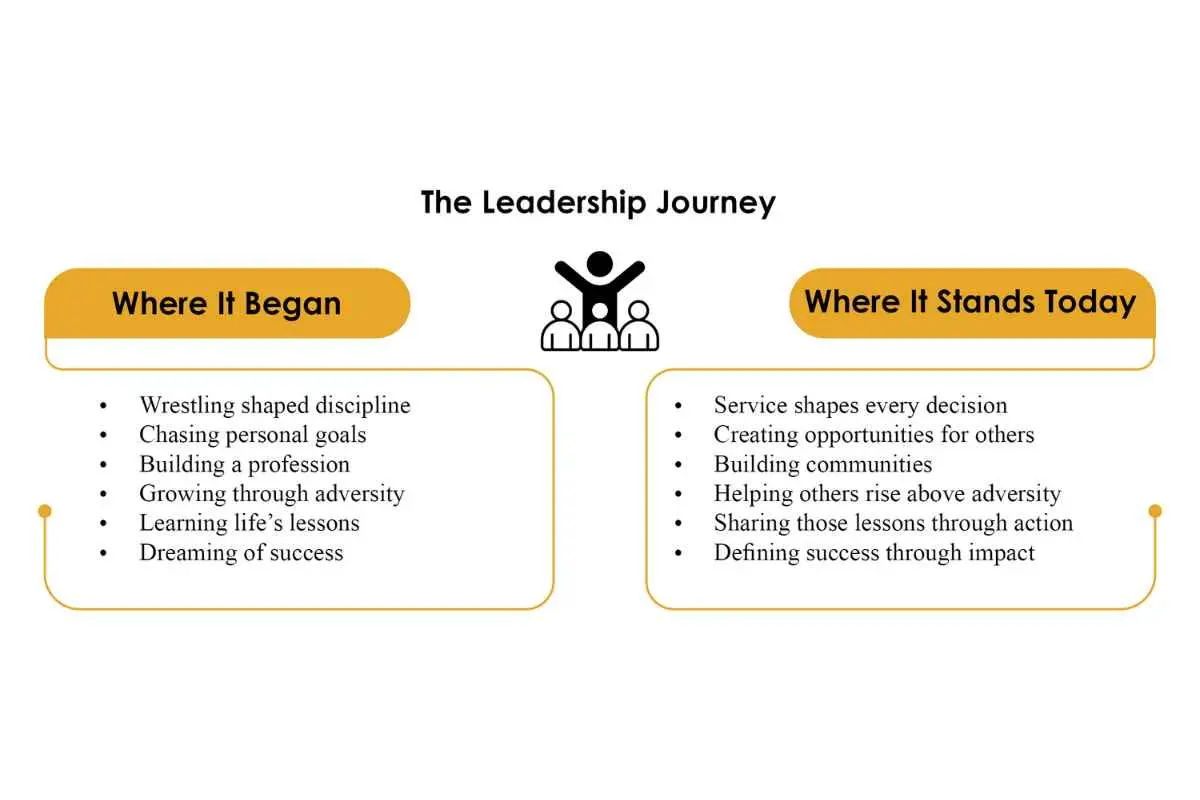
| Where It Began | Where It Stands Today |
| Wrestling shaped discipline | Service shapes every decision |
| Chasing personal goals | Creating opportunities for others |
| Building a profession | Building communities |
| Growing through adversity | Helping others rise above adversity |
| Learning life’s lessons | Sharing those lessons through action |
| Dreaming of success | Defining success through impact |
Leading with Grit, Gratitude, and Purpose
Hooman’s leadership philosophy is not built around easy victories. Some of his strongest lessons came from losing, starting over, and realizing that preparation does not always guarantee the outcome you want. Wrestling taught him that early. You can train hard, make the weight, prepare properly, and still lose. What matters then is how you respond.
That understanding has followed him into leadership. Hooman D. Tavakolian believes that grit is the ability to keep going when circumstances are difficult, while gratitude keeps that determination grounded. For him, leadership also begins with recognizing the people who contribute to that journey rather than overlooking them.
His professional career has reinforced this philosophy in another way. Working in global compliance has taught him the importance of integrity, sound judgment, accountability, and risk awareness, as well as the responsibility to do the right thing even when nobody is watching. For Hooman, these are not simply professional expectations; they are principles that shape how he approaches leadership, decision-making, and service.
This philosophy also influences how he approaches philanthropy. He does not see sustainable service as simply solving a problem for someone. The greater goal is to create the conditions for people to solve problems themselves. Education, mentorship, access, and opportunity can continue producing results long after a particular project has ended.
That requires listening before acting. Communities understand their circumstances better than an outsider ever can, and Hooman believes the role of a humanitarian is to work alongside people rather than position themselves as a savior. Integrity is equally important. Whether in professional life or humanitarian work, he believes trust is built through consistency, accountability, and doing what you say you will do.
Leading with Purpose Across Two Worlds
Few people spend their professional lives navigating global compliance at a multi-billion-dollar investment firm while simultaneously building a nonprofit focused on education, sport, and humanitarian service. Hooman does both.
By day, he oversees global compliance within one of the world’s leading event-driven investment firms, where integrity, accountability, and stewardship are central to his responsibilities. The work has also reinforced his belief that leadership is often defined by the decisions made when no one is watching. Compliance requires careful judgment, awareness of risk, accountability for outcomes, and the discipline to uphold standards even when doing so may not be the easiest choice. Those lessons have become part of the way Hooman approaches both his professional responsibilities and his humanitarian work. Outside the office, those same principles shape his work through Hoomanities. The settings may be different, but the values remain remarkably consistent.
Balancing an executive career with a purpose-driven nonprofit requires discipline, sacrifice, and careful prioritization. It also means accepting that meaningful work cannot always be done alone. Hooman has learned to rely on people, build partnerships, and allow others to contribute to a mission that extends beyond any one individual.
His professional experience has given him one perspective on responsibility; Hoomanities gives him another. Together, they reflect a leadership approach grounded in the belief that success becomes more meaningful when it creates opportunities for others.

Creating Opportunities That Last
The work of Hoomanities extends well beyond one initiative or one country. Its work has included girls’ education, wrestling equipment and shoe donations, support for athletes, humanitarian projects, coaching, mentorship, and efforts that use sport to bring people together.
The girls’ schools in Sistan and Baluchestan remain one of the clearest examples of how Hoomanities approaches long-term service. For Hooman, completing a school is only the beginning. The real value lies in what continues after the construction is finished: the opportunities a classroom can create, the choices it can make possible, and the potential for one generation to influence the next.
Sport has provided another avenue for that work. Wrestling, which has been part of Hooman’s life since his youth, has introduced him to what he describes as sports diplomacy. Athletes can come from countries and cultures divided by politics or circumstance, yet the experience of competing together creates a common language. Two wrestlers may disagree about many things, but when they shake hands before a match, there is an immediate recognition of one another.
That experience reinforced Hooman’s belief that sport can be a bridge. Through Hoomanities, this has translated into equipment donations, support for young athletes, coaching, mentorship, and opportunities for people to connect through a shared passion.
Still, Hooman does not want Hoomanities measured simply by the number of shoes donated or projects completed. The more important question for him is whether the work created an opportunity that did not exist before. That is where he believes the real impact can be found.
The True Measure of Success
“Success is measured by lives changed—not dollars donated.”
To Hooman D. Tavakolian, money is a means rather than the destination. Financial resources can make projects possible, but their real value lies in what happens after the money is spent.
Instead of asking only how much was donated, he looks at what changed because of the support. Did a young athlete gain confidence? Did a girl gain access to education? Did a family find an opportunity that had previously been out of reach? Did someone who received support eventually become someone who could support others?
For him, these individual outcomes matter more than impressive numbers on a report: “One young athlete gaining confidence. One girl gaining access to education. One letter from a parent.” These are the moments that give a project meaning.
That perspective is also why Hooman is careful about publishing figures. Where verified records exist, they should speak for themselves. Where they do not, he would rather leave a number out than use an estimate simply because it makes an impact statistic look stronger.
Technology with a Human Purpose
Technology has changed the way Hoomanities can connect with people, build partnerships, and share its work across borders. Digital platforms can make it easier to communicate with supporters, expand access to educational resources, and bring people together around a common cause.
Hooman sees artificial intelligence, digital education, and online fundraising as useful tools, but he does not confuse the tool with the mission. Technology can help reach communities that may once have been difficult to reach, but compassion still happens person to person.
Behind every initiative is still a conversation, a relationship, a decision to listen, and someone willing to follow through. Technology can make that process more efficient and extend its reach, but it cannot replace the human connection that gives humanitarian work its meaning.
To Hooman, that is the balance worth maintaining: use technology to expand the possibilities, but never allow it to remove the people from the heart of the work.
On the Future of Philanthropy
“I believe the future belongs to organizations that collaborate instead of compete. Complex global challenges cannot be solved by one nonprofit, one government, or one company. The next decade will require partnerships built on trust, innovation, and shared purpose.”
Hooman believes collaboration also means being willing to share credit. The most difficult challenges are too large for one organization to solve alone, and meaningful progress often happens when schools, governments, businesses, nonprofits, sports organizations, and communities bring their strengths together.
The future of philanthropy, in his view, will belong to organizations that are comfortable putting the mission ahead of recognition.
A Vision That Outlives a Lifetime
Hooman’s vision for Hoomanities is simple but ambitious: to build a global platform where education, sport, leadership, and humanitarian service intersect.
He hopes to develop lasting partnerships with schools, universities, corporations, sports organizations, and governments that share the belief that communities should be empowered rather than made dependent. The goal is not simply to respond to immediate needs, but to create systems of opportunity that can continue working long after a particular project has ended.
Ultimately, Hooman wants Hoomanities to outlive him. He does not want the organization to depend on his name or his presence. A meaningful organization, he believes, should continue because the values behind it continue.
That same desire to pass lessons forward is reflected in another project close to him: he is currently working on his second book. Like his work through Hoomanities, the book gives him another way to share the experiences, failures, lessons, and perspectives that have shaped his journey.
Hooman D. Tavakolian believes legacy is not about being remembered indefinitely. It is about leaving something useful behind, something that continues to give another person a chance.
Hoomanities at a Glance
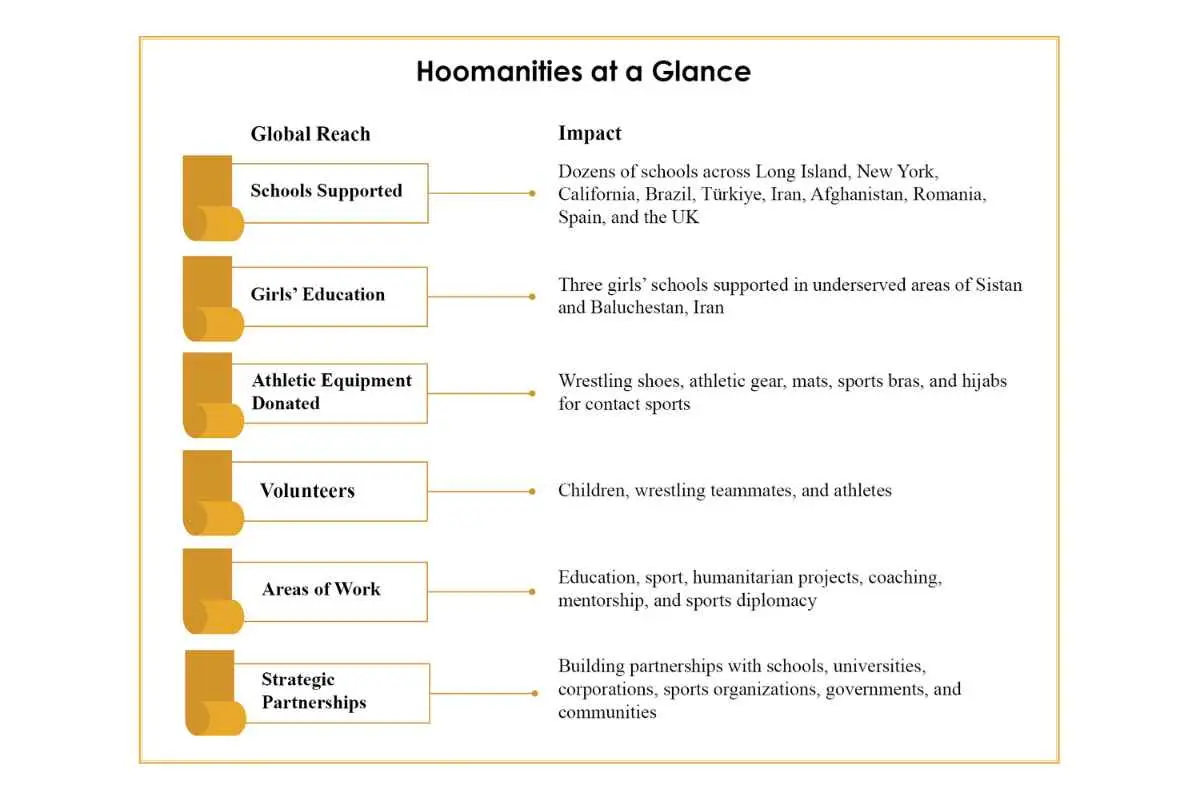
| Global Reach | Impact |
| Schools Supported | Dozens of schools across Long Island, New York, California, Brazil, Türkiye, Iran, Afghanistan, Romania, Spain, and the UK |
| Girls’ Education | Three girls’ schools supported in underserved areas of Sistan and Baluchestan, Iran |
| Athletic Equipment Donated | Wrestling shoes, athletic gear, mats, sports bras, and hijabs for contact sports |
| Volunteers | Children, wrestling teammates, and athletes |
| Areas of Work | Education, sport, humanitarian projects, coaching, mentorship, and sports diplomacy |
| Strategic Partnerships | Building partnerships with schools, universities, corporations, sports organizations, governments, and communities |
The Five Principles That Guide Every Decision
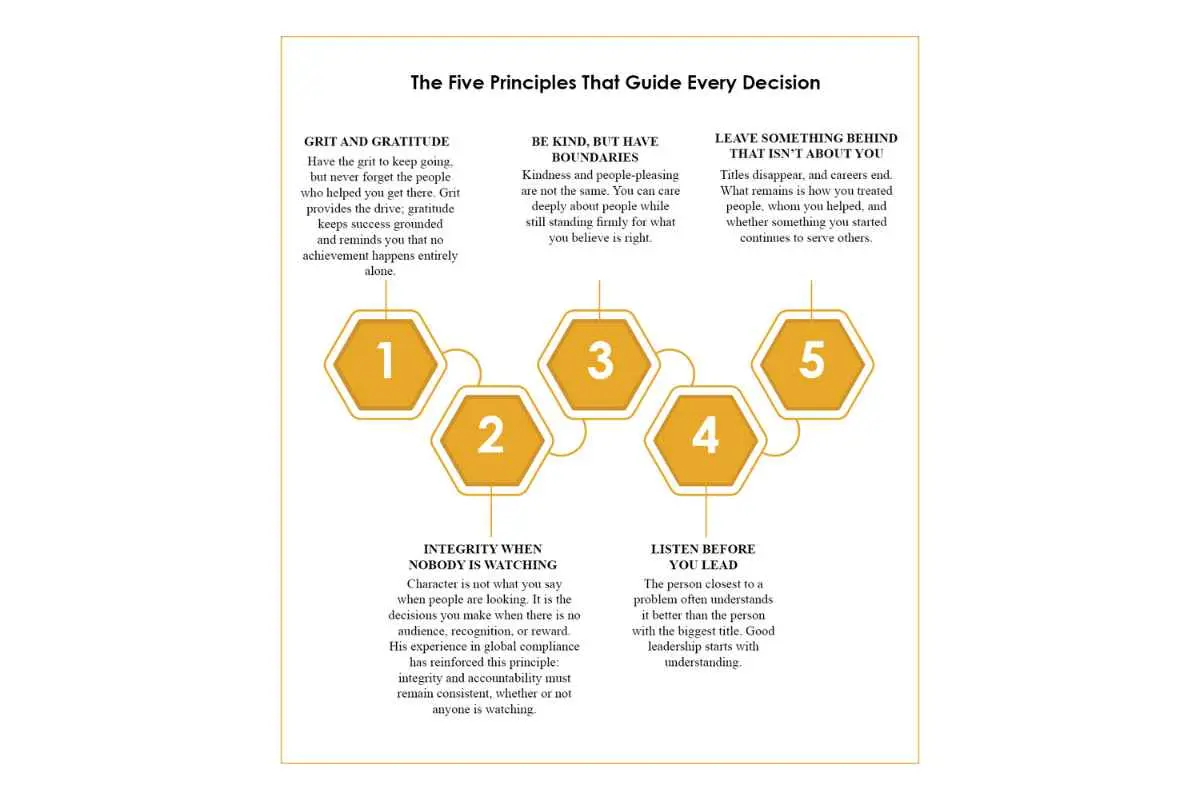
01 | GRIT AND GRATITUDE
Have the grit to keep going, but never forget the people who helped you get there. Grit provides the drive; gratitude keeps success grounded and reminds you that no achievement happens entirely alone.
02 | INTEGRITY WHEN NOBODY IS WATCHING
Character is not what you say when people are looking. It is the decisions you make when there is no audience, recognition, or reward.
His experience in global compliance has reinforced this principle: integrity and accountability must remain consistent, whether or not anyone is watching.
03 | BE KIND, BUT HAVE BOUNDARIES
Kindness and people-pleasing are not the same. You can care deeply about people while still standing firmly for what you believe is right.
04 | LISTEN BEFORE YOU LEAD
The person closest to a problem often understands it better than the person with the biggest title. Good leadership starts with understanding.
05 | LEAVE SOMETHING BEHIND THAT ISN’T ABOUT YOU
Titles disappear, and careers end. What remains is how you treated people, whom you helped, and whether something you started continues to serve others.
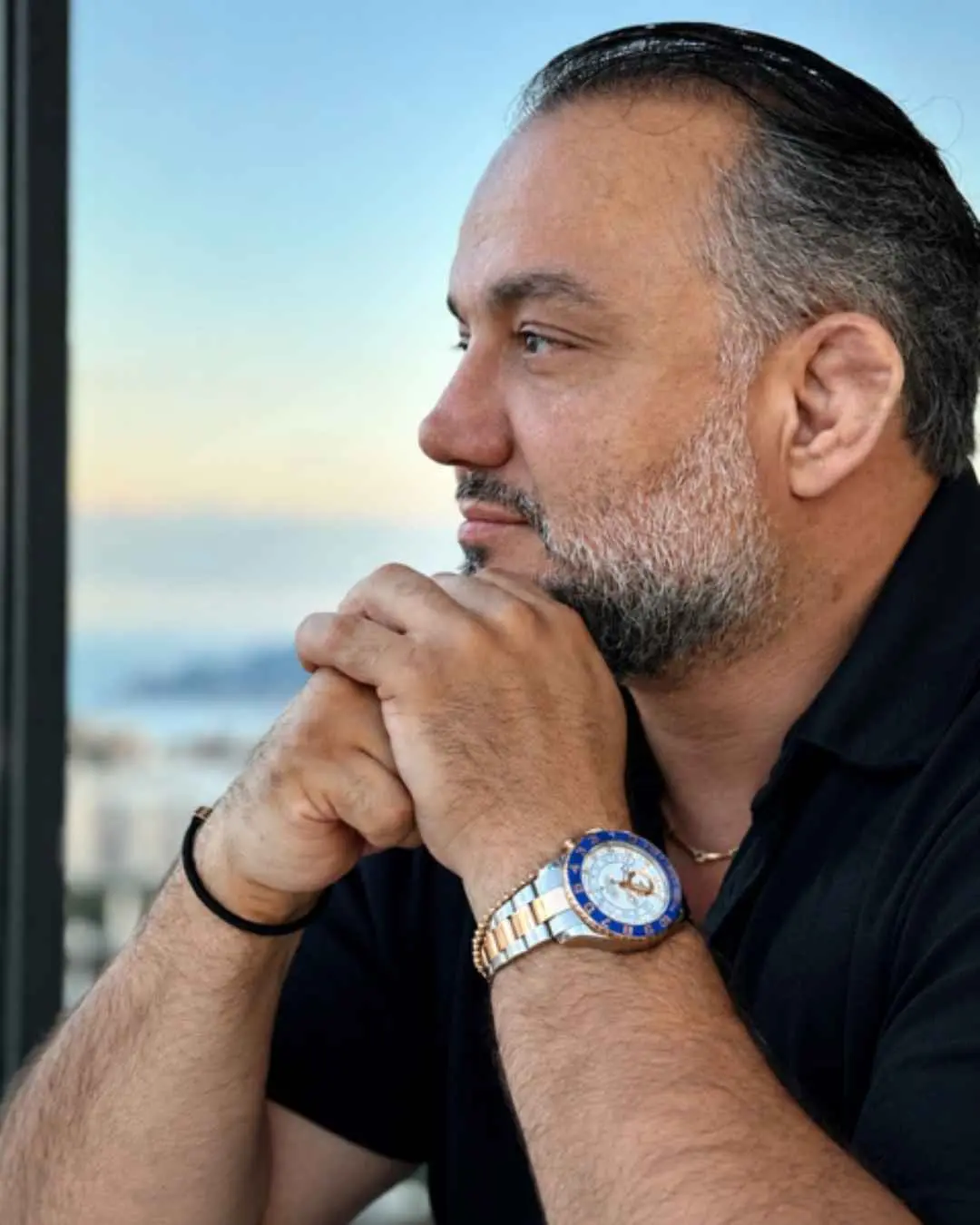
Open LetterDear Readers,
Titles introduce you. Character defines you.Leadership isn’t measured by the position you hold or the recognition you receive. It is measured by responsibility. If you have the ability to improve someone’s life, even in a small way, you have an opportunity to do something about it.
Lead with integrity. Serve with humility. Never stop learning.And remember that kindness and people-pleasing are not the same thing. You can care deeply, support others, and still have healthy boundaries. Being a good person does not require losing your principles.
At the end of the day, the things that stay with us are rarely the titles or awards. They are the people we helped, the opportunities we created, and the difference we made when we had the chance.
From,
Hooman D. Tavakolian
Founder, Hoomanities
Key Takeaways
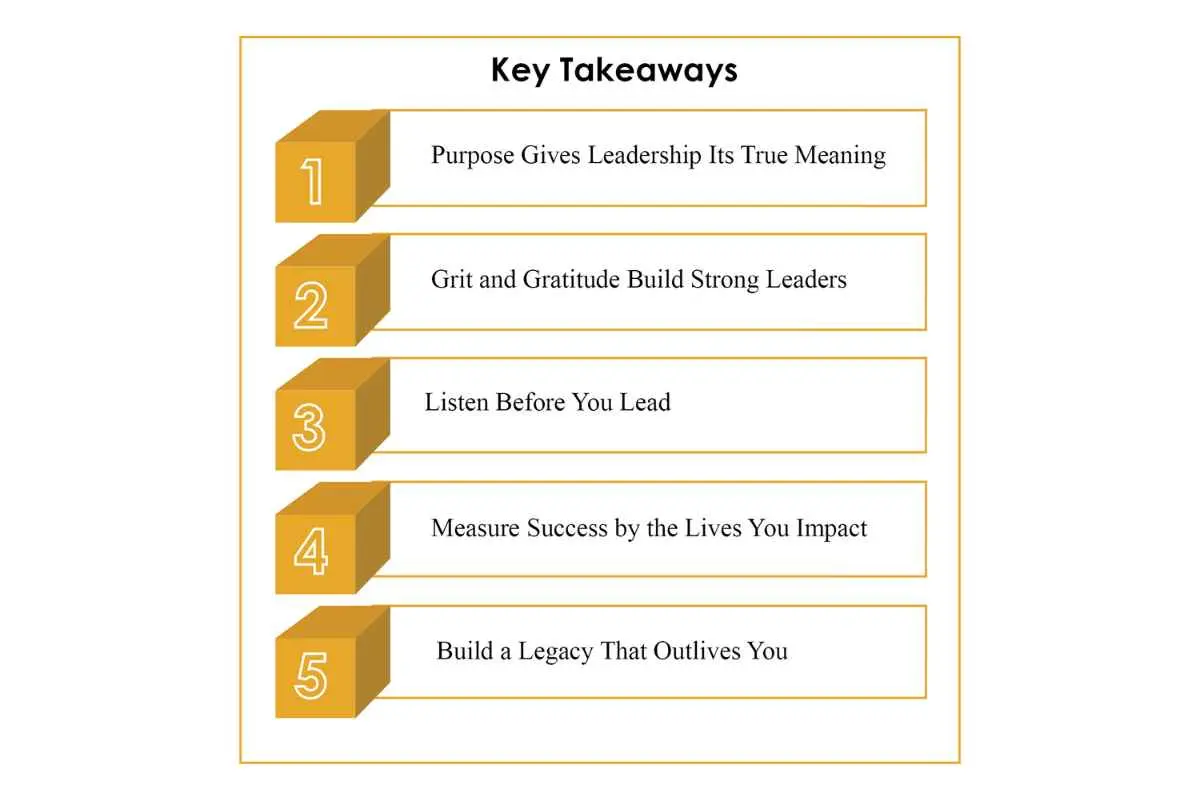
- Purpose Gives Leadership Its True Meaning
- Grit and Gratitude Build Strong Leaders
- Listen Before You Lead
- Measure Success by the Lives You Impact
- Build a Legacy That Outlives You
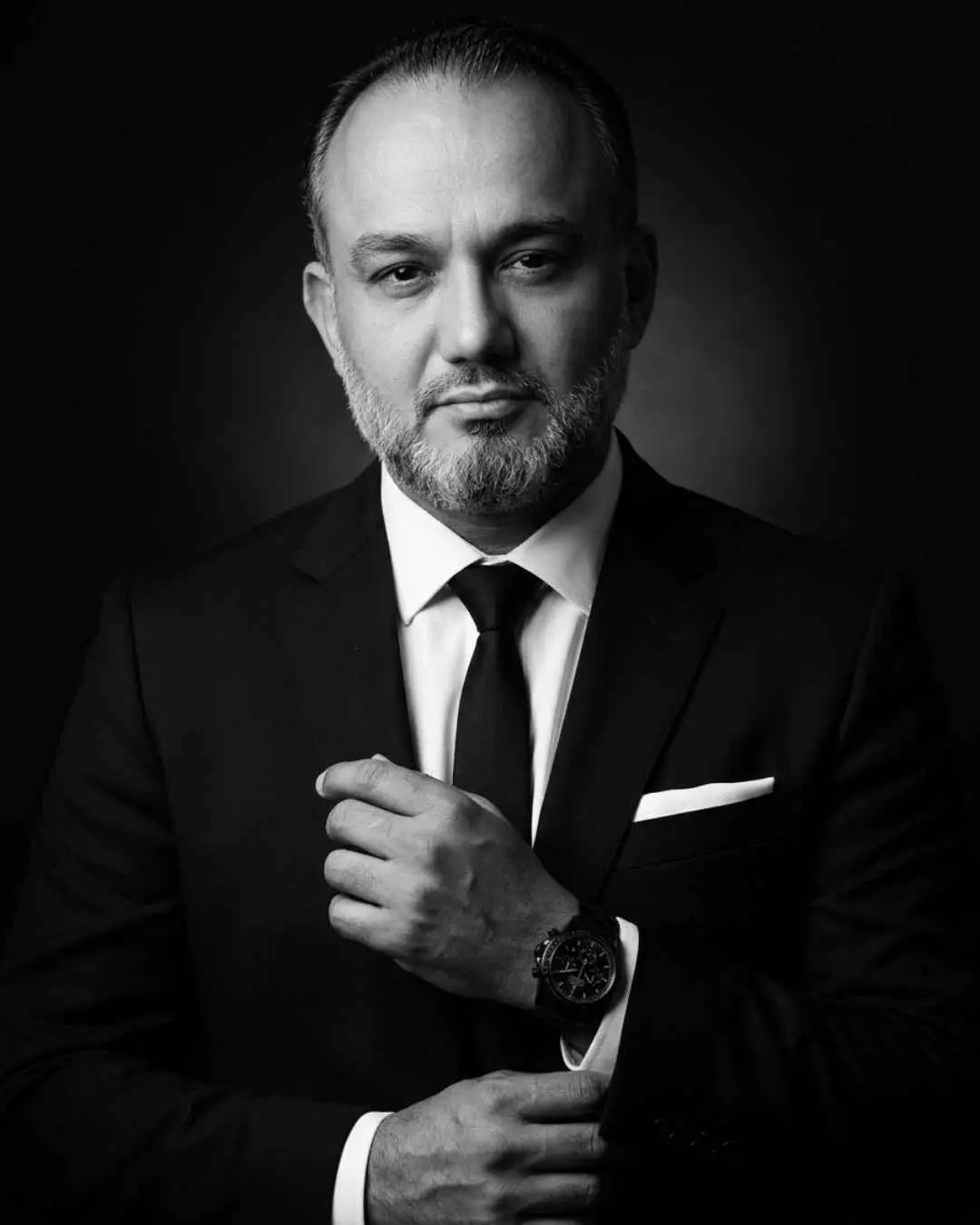
Quick Takes
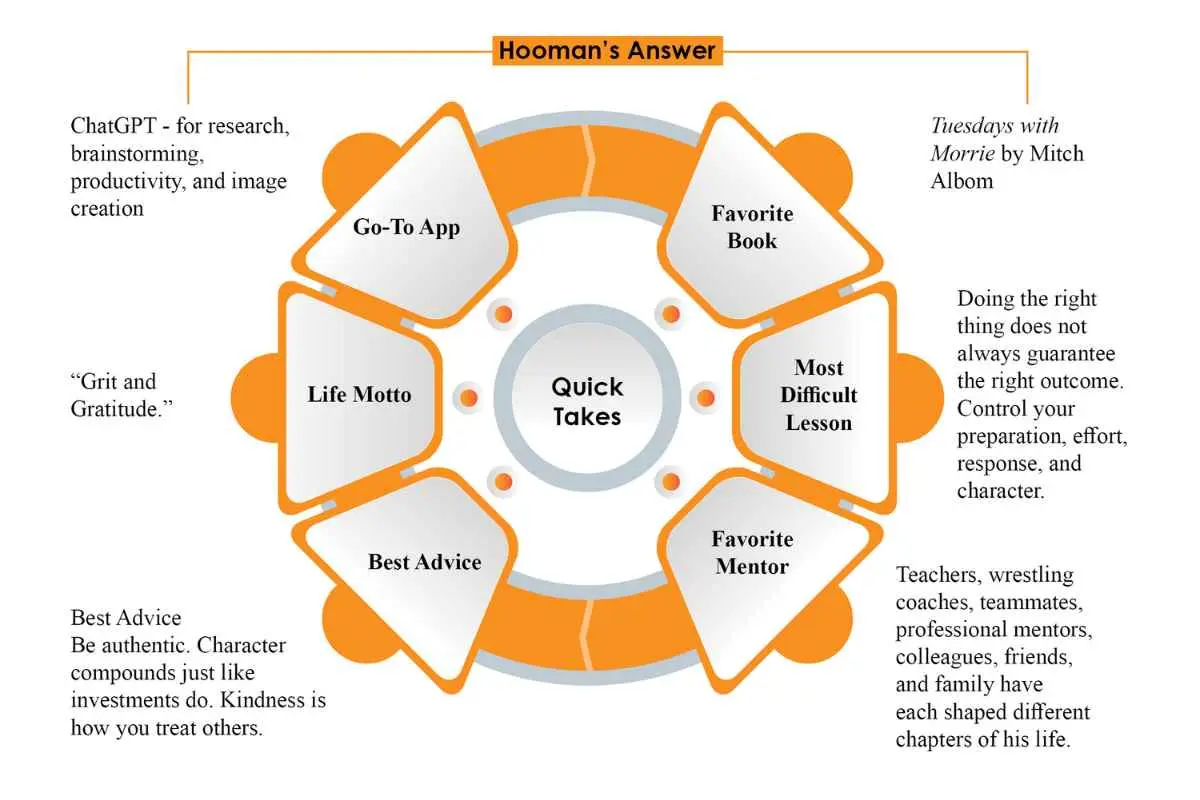
| Quick Take | Hooman D. Tavakolian’s Answer |
| Go-To App | ChatGPT – for research, brainstorming, productivity, and image creation |
| Life Motto | “Grit and Gratitude.” |
| Best Advice | Be authentic. Character compounds just like investments do. Kindness is how you treat others. |
| Favorite Mentor | Teachers, wrestling coaches, teammates, professional mentors, colleagues, friends, and family have each shaped different chapters of his life. |
| Most Difficult Lesson | Doing the right thing does not always guarantee the right outcome. Control your preparation, effort, response, and character. |
| Favorite Book | Tuesdays with Morrie by Mitch Albom |