Key Takeaways:
- Tim Cook leaves behind a dramatically transformed Apple
- John Ternus represents continuity with a new focus on innovation
- AI will be the biggest test of Apple’s next era
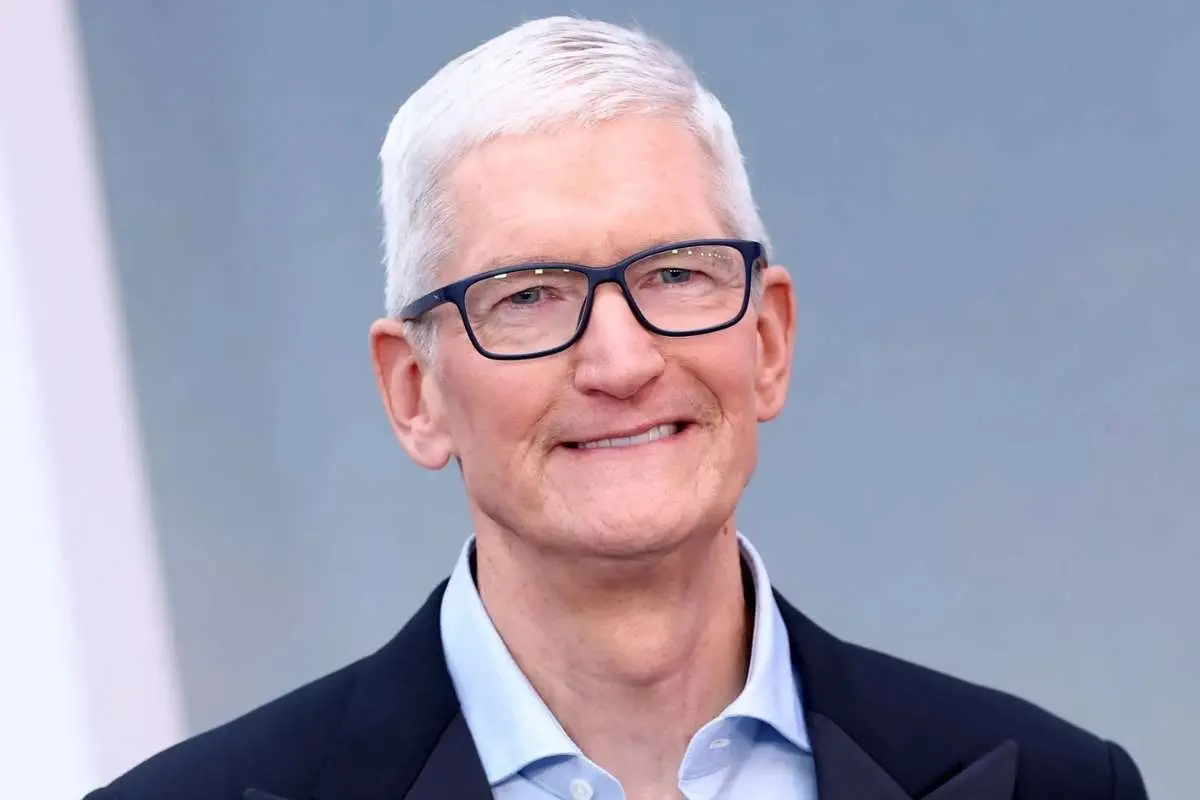
Apple has entered a new leadership era as Tim Cook concludes nearly 15 years as the company’s chief executive, handing over the role to longtime hardware executive John Ternus. Cook’s final day as CEO on August 31 marks the end of one of the most consequential leadership periods in Apple’s history.
Cook assumed the CEO position in August 2011, succeeding Apple co-founder Steve Jobs. Taking charge after one of the technology industry’s most influential leaders, Cook faced the challenge of maintaining Apple’s momentum while developing a leadership style of his own.
Over the following years, he focused heavily on operational efficiency, supply-chain management, international expansion and strengthening Apple’s growing ecosystem. The company also expanded its business beyond its traditional dependence on hardware, building a significant services operation around its vast global customer base.
The transition was announced in April 2026 as part of Apple’s succession planning. Starting September 1, John Ternus will become CEO, while Cook will move into the role of executive chairman. The arrangement allows Cook to remain involved with Apple at the board level while Ternus takes responsibility for the company’s day-to-day operations.
The change marks a carefully planned leadership handover rather than a complete departure. Tim Cook’s continued presence is expected to provide the company with institutional experience as it navigates its next stage of growth.
How Cook Changed Apple
When Cook became CEO, Apple was primarily identified with the iPhone, iPad and Mac. His tenure expanded that ecosystem and strengthened several businesses that now play important roles in the company’s overall strategy.
Apple introduced and expanded products including the Apple Watch and AirPods, while the Mac underwent a major technological shift with the introduction of Apple-designed chips. At the same time, services became increasingly important, with subscriptions and digital offerings generating recurring revenue from Apple’s enormous installed base.
The company’s financial growth during Cook’s leadership was equally significant. Apple’s market value increased from hundreds of billions of dollars in 2011 to more than $4 trillion during 2026, making it one of the most valuable companies in the world.
Cook also guided Apple through major changes in its global operations. The company strengthened its manufacturing presence outside China, expanded its international supply chain and continued investing in areas such as financial services, digital subscriptions and health-related technology.
However, his tenure was not without difficulties. Apple faced growing regulatory scrutiny over its App Store policies, market power and business practices. The company also confronted concerns about its dependence on the iPhone and the pace of its development in artificial intelligence.
AI has become one of the biggest challenges awaiting Apple’s next leadership team. Competitors have rapidly integrated generative AI into products and services, increasing pressure on Apple to demonstrate that it can remain competitive in the technology shift.
John Ternus Begins Apple’s Next Chapter
Ternus now takes control of Apple at a time when the company must balance continuity with the need for fresh innovation. As Apple’s senior vice president of Hardware Engineering, he has been deeply involved in the development of the company’s products and has extensive knowledge of its engineering culture.
His appointment also offers a degree of stability. Rather than bringing in an external executive, Apple has selected a longtime insider familiar with its operations, product development process and organisational culture.
Still, Ternus faces major expectations from investors, consumers and the wider technology industry. Artificial intelligence will likely be one of his most closely watched priorities, alongside efforts to develop new products and identify the next major source of growth.
The leadership transition also comes just ahead of Apple’s annual September product event, giving Ternus an early opportunity to establish his leadership style and communicate the company’s future direction.
Cook, meanwhile, will remain part of Apple as executive chairman, ensuring that the company retains access to his experience even as he steps away from daily management.
After 15 years of unprecedented expansion, Tim Cook’s tenure as Apple CEO has come to an end. The company now begins a new chapter under John Ternus, with the challenge of preserving Apple’s enormous strengths while creating the innovations that will define its next era.
Sources:
https://www.cnbc.com/video/2026/08/31/end-of-an-era-at-apple-tim-cooks-last-day-as-ceo.html