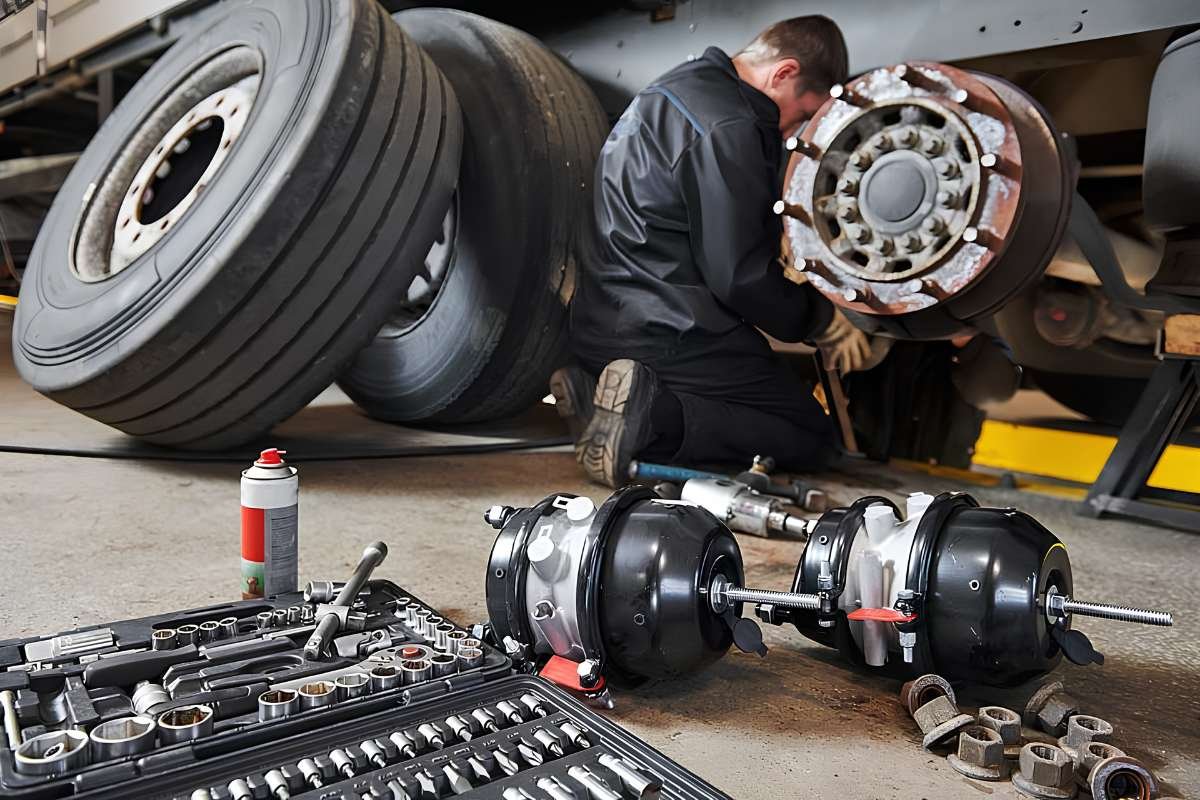
For a commercial vehicle operator, an accident creates more than dents, broken panels, or damaged paint. It can interrupt deliveries, leave employees without equipment, force schedules to change, and take an income-producing vehicle off the road. That is why commercial truck collision repair should be approached as an operational recovery process rather than simply a cosmetic fix. The right repair strategy considers structural integrity, body damage, insurance coordination, refinishing, and turnaround time so the vehicle can return to productive service safely and professionally.
Downtime has a price of its own
The repair estimate is only one part of what an accident can cost a commercial operation.
When a truck is unavailable, work still needs to be completed. A fleet manager may have to rearrange routes, rent another vehicle, postpone jobs, or shift workloads onto the remaining fleet. For smaller operators with only a handful of vehicles, losing even one can create a noticeable disruption.
This makes turnaround time important, but speed cannot come at the expense of repair quality. Commercial repair facilities built specifically for larger vehicles can accommodate box trucks, tractors, trailers, utility vehicles, buses, RVs, and other heavy-duty equipment while handling several vehicles at once.
The ideal outcome is not simply getting the vehicle back quickly. It is getting it back ready to work.
Damage is not always where you expect it
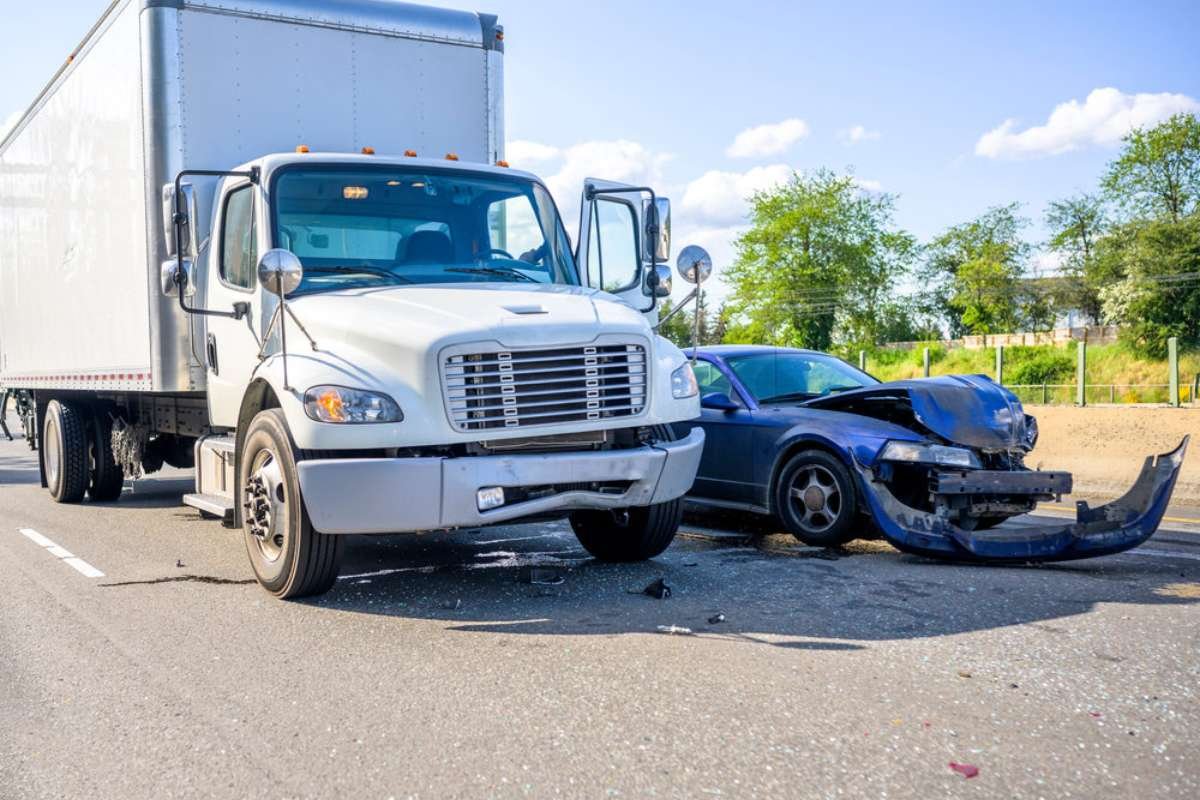
A collision may leave one visibly damaged area while creating problems elsewhere that are much harder to notice.
A crushed bumper or bent panel immediately attracts attention, but hidden structural movement can be far more significant. Frame damage compromises both the overall safety and alignment of a heavy vehicle, which is why comprehensive commercial truck collision repair often requires computerized diagnostics, precision frame straightening, specialized welding, and a complete structural assessment.
Front-end impacts can create their own collection of problems. Depending on the accident, repairs may involve the hood, grille, fenders, headlights, windshield, radiator, condenser, or related components.
This is one reason an assessment should look at the entire affected area rather than stopping at the first visible dent.
Box damage can interrupt the job even when the truck still runs
A commercial vehicle does not have to be mechanically disabled to become unusable.
For a delivery truck, damage to the cargo body can interfere with the very purpose of the vehicle. Punctured side panels may compromise weather protection. A damaged roof can allow leaks. Bent doors can make loading difficult, and problems with latches or tracks can interfere with security.
Commercial box repairs can involve side panels, insulated sections, roof systems, floors, crossmembers, subframes, liftgates, roll-up doors, swing doors, tracks, locks, and latches.
Refrigerated vehicles add another concern because damage to insulated sections can affect the ability of the cargo area to maintain appropriate conditions.
For these vehicles, restoring appearance is only part of the job. The cargo body needs to function correctly again.
Paint is part of the business image
Commercial vehicles spend a lot of time in public view.
Customers see them in parking lots, on job sites, making deliveries, and traveling between appointments. A vehicle covered in mismatched panels, faded finishes, or obvious accident damage can send a very different message from a clean, professionally maintained fleet.
Refinishing after bodywork can involve spot painting, full resprays, color matching, clear coats, and protective coatings. Modern commercial facilities may use dedicated spray booths and color-matching technology to create a more consistent finish.
For fleet operators, consistency can matter even more.
If several vehicles share the same colors, logos, and visual identity, repaired panels should blend with the rest of the vehicle rather than looking obviously replaced.
The insurance process should not become a second accident
Commercial vehicle repairs can become complicated quickly when an insurance claim is involved.
There may be estimates to submit, adjuster communication to manage, photographs to provide, and questions about which repairs are required. Some facilities that specialize in commercial truck collision repair work directly with major insurance providers and assist with claims processing and adjuster communication.
That support can reduce the administrative burden on someone who is already trying to keep a business running.
Owners and fleet managers should remain involved. Understand what has been approved, what work is being completed, and whether additional damage was discovered after disassembly.
Clear communication between the vehicle owner, repair facility, and insurer can prevent unnecessary confusion later in the process.
Not every commercial vehicle needs the same kind of repair
A delivery van and a tractor-trailer may both be commercial vehicles, but their repair needs can look completely different.
Large repair facilities may work on:
- Semi-trucks and tractors
- Box trucks and cube vans
- Dry freight and refrigerated trailers
- Utility and service trucks
- Buses and shuttles
- Flatbeds and stake-body vehicles
- RVs and motorhomes
- Fleet vehicles used across different industries
Commercial repair capabilities can extend from bodywork and refinishing to fiberglass work, structural repairs, custom fabrication, detailing, and restoration.
Choosing a facility accustomed to the vehicle type matters because heavy-duty equipment creates very different space, tooling, lifting, and structural requirements from ordinary passenger cars.
Fleet managers should think beyond one repair
A single damaged vehicle is an immediate problem. Repeated vehicle downtime across an entire fleet becomes an operational pattern.
That is why fleet management benefits from having a reliable plan for commercial truck collision repair before the next accident occurs.
Some commercial repair providers offer fleet-focused services that include priority repairs, preventative body inspections, insurance support, recurring detailing, refinishing, and custom branding.
Having an established relationship can simplify what happens after an incident. Drivers know where vehicles need to go, managers understand the estimate process, and repair records become easier to track.
It also encourages a more preventative mindset. Rust, damaged panels, loose body components, water intrusion, or developing structural concerns can sometimes be addressed before they interfere with operations.
The final inspection should be more than a walk around the truck
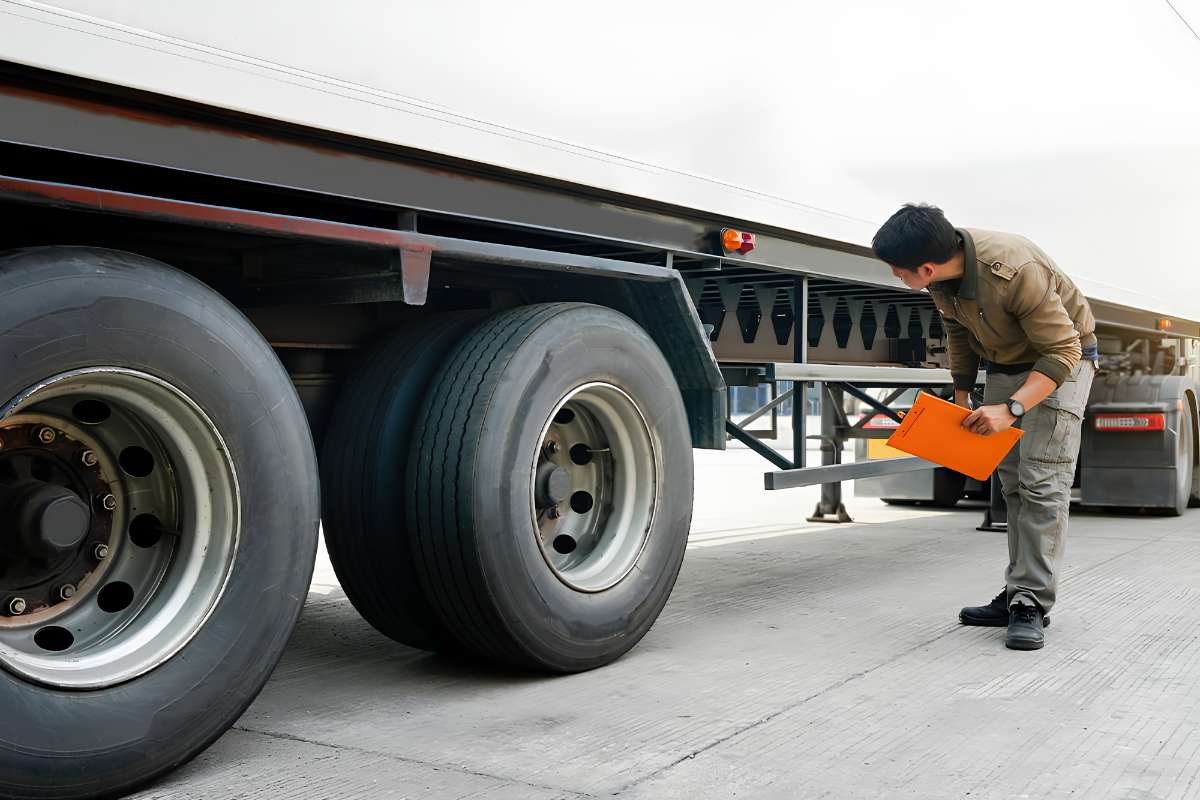
A repaired commercial vehicle needs to do more than look good in the parking lot.
Before putting it immediately back into service, review what was repaired and confirm that the areas affected by the accident function as expected. Doors should operate properly. Repaired cargo sections should be secure. Painted surfaces should have a consistent finish, and structural work should have been completed using appropriate repair methods.
Commercial facilities equipped for heavy-duty work may use computerized frame diagnostics, laser-guided straightening equipment, specialized paint technology, and other industry-grade tools to support accurate repairs.
Documentation matters too, particularly for fleet records, warranty information, and insurance files.
A repair is finished when the vehicle is ready to return to its actual job, not merely when it leaves the paint booth.
Get the vehicle back to doing what it was built to do
Commercial trucks are business assets first.
They deliver products, transport equipment, carry technicians, support construction projects, move freight, and represent the business every mile they travel.
After an accident, the objective should therefore be bigger than making the damage disappear. Proper commercial truck collision repair restores structural integrity, ensures working components function correctly, delivers body repairs built for commercial use, and returns the vehicle to a professional appearance.
Most importantly, the process should recognize that every unnecessary day in the shop has consequences outside the repair facility.
Choosing experienced commercial-vehicle specialists, understanding the full extent of the damage, coordinating insurance efficiently, and refusing to sacrifice quality purely for speed can help turn an unexpected accident into a manageable interruption rather than a long-term operational problem.