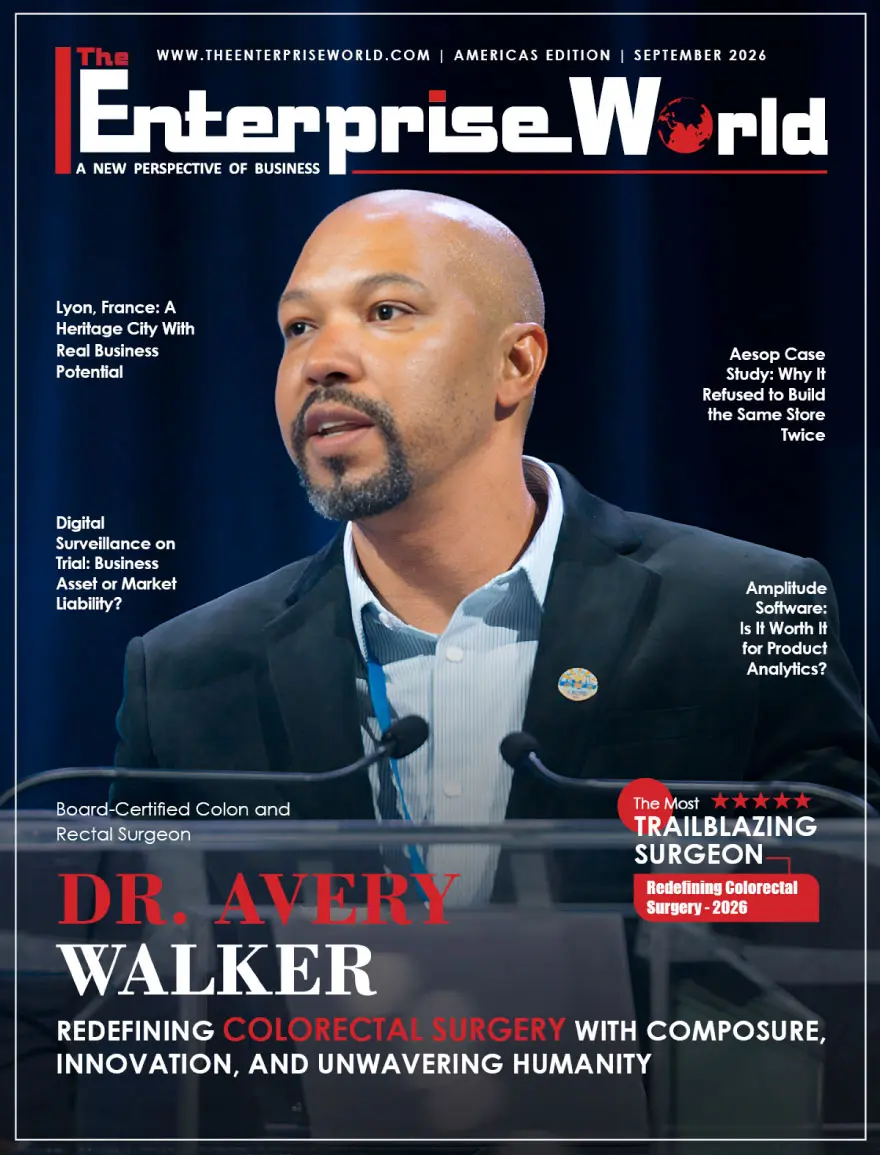
For Dr. Avery Walker, a board-certified colon and rectal surgeon practicing in El Paso, Texas, colorectal surgery has never been solely about mastering an operation. It is about earning trust during a patient’s most vulnerable moments, embracing innovation only when it genuinely improves outcomes, and leading with composure when the stakes are highest. That philosophy has shaped a career spanning military service, surgical education, robotic innovation, and a steadfast commitment to advancing colorectal care across West Texas.
His career has unfolded alongside a specialty undergoing profound transformation. Robotic surgery continues to make procedures less invasive, while advances in immunotherapy, biologics, and precision medicine are redefining which diseases require surgery at all. As colorectal care evolves, today’s surgeons must balance technical excellence with clinical judgment, knowing when innovation serves the patient and when experience remains the greatest advantage.
Dr. Avery Walker has emerged as a leader who embodies that balance. From training under renowned mentors at Ochsner Clinic and serving in the U.S. Army to leading surgical education and expanding access to advanced colorectal care in his community, he has consistently placed patient outcomes above technological novelty. His guiding philosophy remains unwavering: strive for technical excellence, take on the hardest challenges, and never forget that every patient is someone’s parent, spouse, child, or best friend, entrusting you with something irreplaceable.
The mentors who defined a standard of care

Dr. Avery Walker’s path to colorectal surgery was not forged by a single dramatic moment, but rather by the quiet, profound influence of exceptional mentors. During his residency, he trained under two highly respected surgeons within the American Society of Colon and Rectal Surgeons. It was not merely their technical precision that captured his attention, but something deeper: the manner in which they cared for the people who entrusted their lives to them. That impression deepened considerably during his colorectal surgery fellowship at Ochsner Clinic, where mentors including Dr. Charles Whitlow and Dr. David Margolin demonstrated what the specialty could truly be.
Walker observed that whether addressing a straightforward condition or an extraordinarily complex disease, his mentors approached every patient with the same unwavering dignity, compassion, and commitment. The lesson proved formative: surgical excellence demands far more than what happens in the operating room. Patients often arrive frightened and uncomfortable, asked to discuss the most private and vulnerable aspects of their lives. What they need in those moments extends beyond clinical expertise; they need to genuinely believe that the person treating them cares about what happens to them. That philosophy, shaped by the mentors who modeled it before him, continues to define how Dr. Avery Walker practices today.
The patients who stay with a surgeon
There is an old surgical concept that every surgeon carries a personal “cemetery,” a place in the mind where failures are revisited and explanations are sought. Dr. Avery Walker understands this sentiment deeply. The cases that stay with him the longest, he reveals, are not always the greatest successes, but rather the patients who experienced complications or outcomes that fell short of what he had hoped for them. Those are the cases, he explains, that force a surgeon to examine himself honestly to revisit every decision, every step of the operation, and every aspect of the patient’s care, searching for what could have been recognized earlier or done differently. That process, however difficult, is also how surgeons grow.
Yet Dr. Avery Walker has learned a critical lesson: difficult outcomes cannot be allowed to paralyze. In a specialized field such as his, there are patients whose conditions are so extraordinarily complex that very few surgeons are equipped or willing to take them on. His responsibility, as he sees it, is to learn from every outcome without exception, carry those hard-won lessons forward, and continue showing up for the next patient who needs him.
The challenge of leading while still learning
Looking back on the experiences that most shaped his growth, Dr. Avery Walker points to becoming Assistant Program Director at William Beaumont Army Medical Center immediately after fellowship. As a newly trained colorectal surgeon still developing his own expertise, he was suddenly responsible for training younger surgeons who looked to him for guidance. The weight of that dual responsibility—mastering his craft while teaching others—fundamentally shaped him as both a surgeon and a leader. He learned to create an environment where a trainee could work through difficult situations without ever losing sight of patient safety, demanding discernment: knowing when to let someone find their way and when to step in.
Over the years, that experience has transformed him into a calmer and more deliberate surgeon. Dr. Avery Walker has come to understand that confidence is not about being fearless or believing complications will never occur. It is about remaining composed when things become difficult, making sound decisions under pressure, and continuing to move forward. The greatest lesson he carries from those early days is remarkably straightforward: you cannot control every outcome, but you can control your preparation, your effort, your integrity, and how you respond when things do not go as planned.
Where technology meets judgment
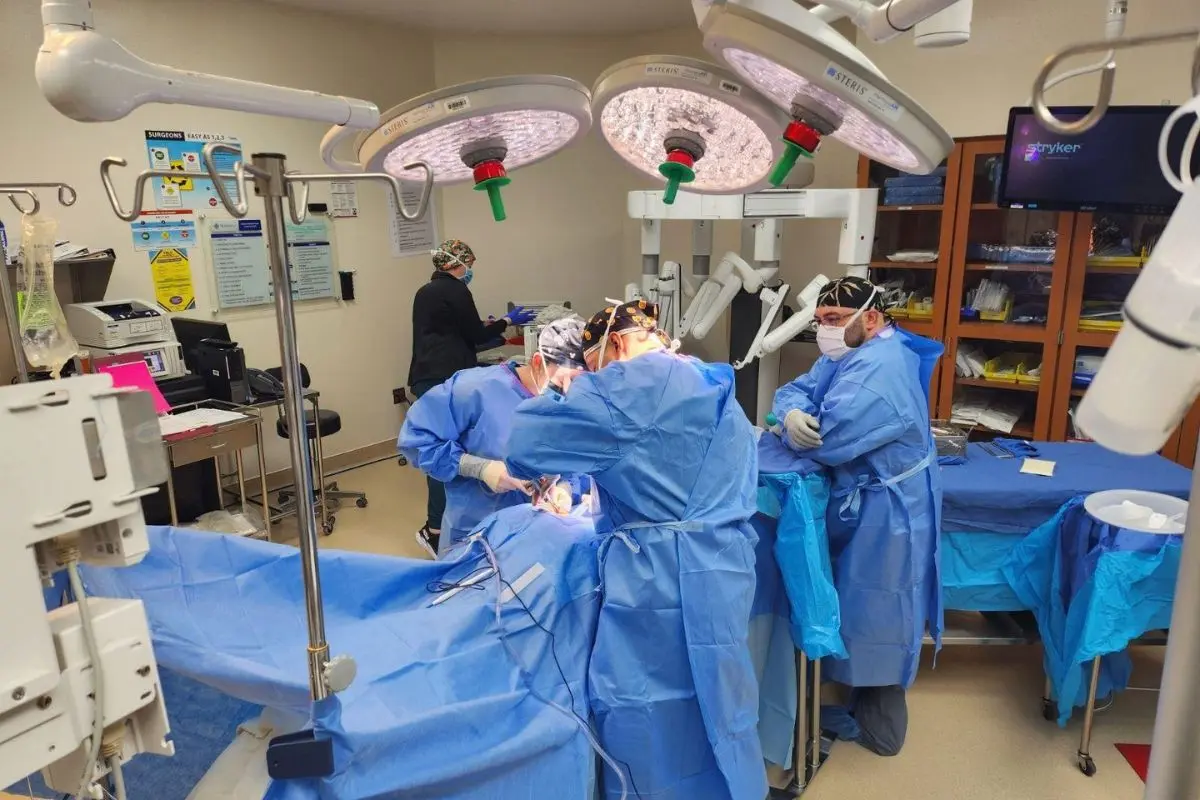
Technology, in the hands of a thoughtful surgeon, is never an end in itself. Dr. Avery Walker has embraced robotic surgery as a major component of his intra-abdominal colorectal practice and has incorporated single-port robotic technology into his practice, moving toward performing complex operations through fewer and smaller incisions. Yet he emphasizes that the goal should never simply be to use the newest device. Innovation truly matters only when it translates into meaningful benefits for patients: less invasive surgery, improved recovery, reduced pain, and an earlier return to normal life.
Interestingly, he points out that some of the most impactful work he performs involves perianal disease, where success often depends less on sophisticated technology and more on specialized knowledge and experience. These conditions, he notes, can profoundly affect a person’s quality of life. For Dr. Walker, genuine innovation means knowing when advanced technology can genuinely improve an operation and also recognizing when experience, judgment, and meticulous technique remain the most powerful tools available.
Advancing the boundaries of minimally invasive surgery
For Dr. Avery Walker, innovation is measured not by novelty, but by meaningful improvements in patient care. That philosophy led him to adopt the da Vinci Single-Port robotic platform, allowing select procedures to be performed through a single small incision with the goal of reducing postoperative pain, shortening recovery, and improving cosmetic outcomes. His commitment to advancing minimally invasive surgery culminated in performing the Southwest’s first da Vinci Single-Port appendectomy through a Pfannenstiel incision, demonstrating how thoughtful application of new technology can expand what is possible while maintaining uncompromising surgical standards.
Yet Dr. Walker remains quick to emphasize that technology should never replace surgical judgment. Every innovation must ultimately answer a single question: does it improve the patient’s outcome? When the answer is yes, innovation should be embraced. When it is not, experience, sound judgment, and meticulous technique remain the surgeon’s greatest assets.
Teaching as a tool for mastery
Teaching has remained a central thread throughout Dr. Avery Walker’s career, one he refused to let go of even after transitioning from military to civilian practice. He continues working with Army surgical residents and medical students, believing firmly that surgeons should keep teaching throughout their careers. The reason, he explains, is that teaching forces you to articulate not just what you do, but why you do it, a process that continually challenges your own knowledge and refines your technique. Dr. Walker finds this especially true with colonoscopy, a procedure he performs in high volume.
Teaching residents the technical nuances of this deceptively difficult skill is, for him, extremely rewarding. Interestingly, he has discovered that the act of teaching the procedure also makes him better at performing it. Beyond the bedside, Dr. Walker remains actively engaged with colorectal surgical meetings and continuing education. Medicine, he observes, never stands still, and neither should a surgeon.
Redefining the role of a surgeon in the future
Dr. Avery Walker believes the next decade will fundamentally redefine what it means to be a colorectal surgeon. Minimally invasive and robotic surgery, he predicts, will continue progressing toward smaller and fewer incisions. Yet alongside these technical advances, he sees an even more profound shift taking place. Advances in chemotherapy, immunotherapy, and biologic medications may dramatically alter which diseases require surgery at all. Dr. Walker points to rectal cancer as a particularly exciting example, where systemic and targeted treatments improve, allowing selected patients to increasingly avoid major operations that were once considered inevitable.
Similarly, advances in biologic therapies hold the potential to reduce the surgical burden associated with chronic inflammatory diseases. For Dr. Walker, this evolution is something to welcome rather than resist. The ultimate goal, he insists, is not to perform more operations but to achieve better outcomes for patients. Sometimes, he reflects, the greatest advancement in surgery may be discovering that a patient no longer needs surgery at all.
Dr. Walker also believes the future of healthcare will require physicians to lead beyond the operating room. As medicine becomes increasingly complex, surgeons must help shape healthcare systems, improve access to specialized care, and advocate for innovation that genuinely benefits patients. Whether mentoring residents, collaborating with multidisciplinary teams, or pursuing executive leadership training, he views physician leadership as an extension of patient care. Better systems ultimately produce better outcomes, and he hopes to contribute not only to the future of colorectal surgery, but to the evolution of healthcare delivery itself.
Building trust through openness and accountability
Every patient who walks into Dr. Avery Walker’s clinic carries a story, and often a burden they have struggled to share. Recognizing that colorectal conditions involve symptoms patients find uncomfortable or embarrassing to discuss, he creates an environment where they feel at ease and can speak openly. Trust, he believes, begins with communication. Dr. Walker wants every patient to understand their diagnosis, the options available, the potential benefits and risks of treatment, and why he is recommending a particular approach. He holds that informed consent should be a genuine conversation, never simply a signature on a form. Patient safety remains the foundation of every decision he makes.
Complex cases demand multidisciplinary care, and Dr. Walker has cultivated strong relationships with specialists throughout the El Paso medical community, enabling direct communication, efficient coordination, and decisions centered on each patient. Continuous improvement, he adds, requires genuine humility. He reviews difficult outcomes carefully to refine his decision-making and operative approach, and listens closely to patients and families, understanding that their experience of care is an essential measure of quality.
A career forged at the intersection of service and innovation
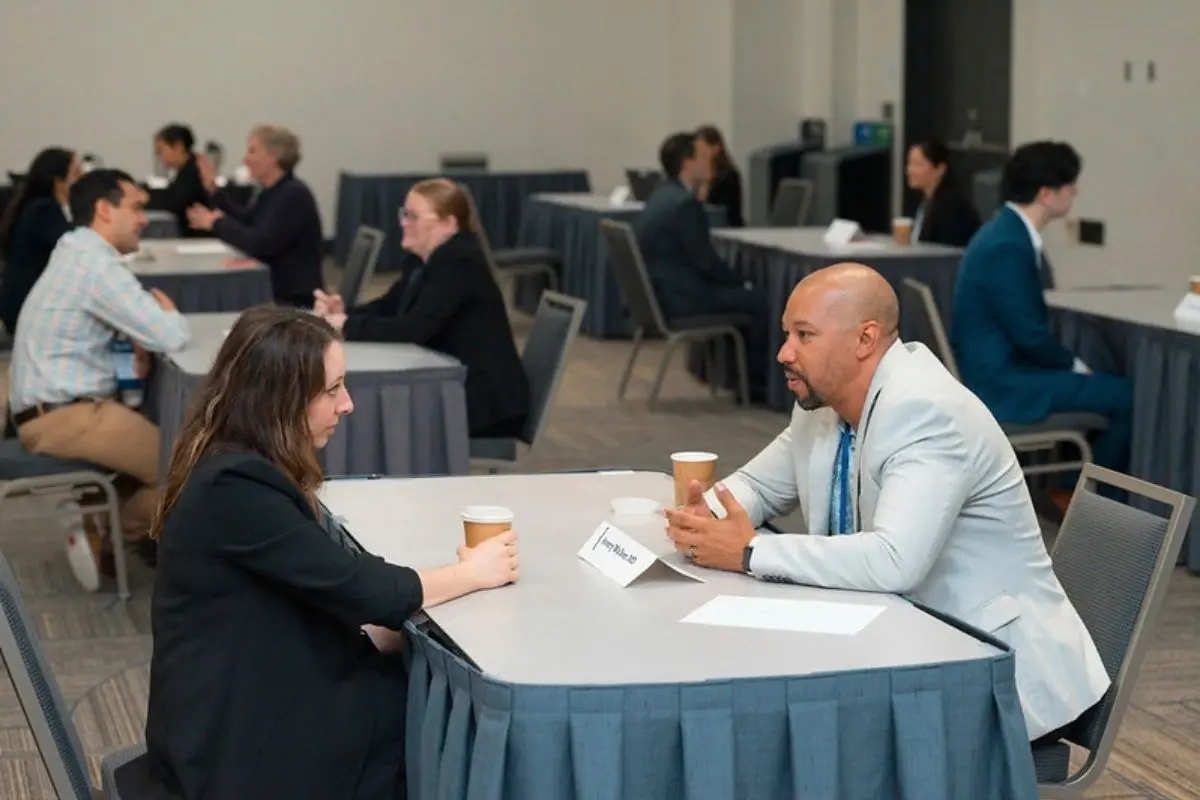
Dr. Avery Walker’s career has been shaped by military service, surgical education, advanced colorectal training, leadership, and innovation. After completing his fellowship, he served in the U.S. Army and became Assistant Program Director at William Beaumont Army Medical Center, training surgical residents while building a specialized colorectal practice. Today, he practices as a board-certified, fellowship-trained colorectal surgeon in El Paso, Texas, treating conditions from complex colorectal cancer and major abdominal surgery to high-volume colonoscopy and challenging anorectal cases.
Military service shaped far more than Dr. Walker’s technical abilities—it fundamentally transformed his approach to leadership. During his deployment with a Forward Resuscitative Surgical Team in Afghanistan, he cared for critically injured service members and civilians under conditions where time, resources, and certainty were often limited. Those experiences reinforced lessons that continue to guide him today: remain calm under pressure, communicate clearly, trust your team, and make thoughtful decisions even when circumstances are at their most demanding.
He believes the operating room shares many of those same principles. Successful outcomes are rarely the result of one individual, but of highly trained teams working together with preparation, discipline, and mutual trust. That perspective continues to influence every operating room, clinic, and educational setting in which he serves.
Beyond clinical care, Dr. Walker continues teaching Army surgical residents and medical students, preserving the educational commitment central to his career. He has advanced minimally invasive surgery through extensive robotic colorectal techniques and the adoption of single-port robotic surgery, driven by his conviction that patients deserve sophisticated, modern surgical care within their own community. For Dr. Walker, professional credibility is not defined by a single title or award. It is built over time through consistent outcomes, continued learning, teaching others, embracing innovation responsibly, and earning the trust of patients and colleagues.
Beyond the operating room
Away from the hospital, Dr. Walker believes that maintaining perspective is essential to sustaining excellence throughout a long surgical career. Regular exercise, cycling, reading history and leadership literature, and spending time with his daughters provide balance outside the operating room. He also enjoys winemaking—a hobby that reflects many of the same qualities required in surgery: patience, precision, continual refinement, and an appreciation that exceptional results are rarely rushed.
He believes that caring for oneself is not separate from caring for patients. A surgeon who remains physically healthy, intellectually curious, and emotionally grounded is ultimately better equipped to care for others during life’s most vulnerable moments.
A legacy of excellence and humanity
A surgeon’s true legacy is written not in operating room records but in the hearts of the people who trusted him during their most vulnerable moments. Dr. Avery Walker understands this deeply. He wants his patients to know that he cared deeply about what happened to them, that they remember a surgeon who was confident when they were afraid, who willingly took on difficult problems, and who gave everything he had to achieve the best possible outcome, even when the journey was complicated.
As a leader, he hopes the people who work alongside him see that same commitment reflected in his daily conduct. Compassion, he believes, is not something you simply talk about; it is demonstrated through how you treat people when they are at their most vulnerable. If there is a single legacy he hopes to leave, it is that combination of excellence and humanity: be technically excellent, be willing to take on difficult challenges, but never forget that the person in front of you is someone’s parent, spouse, child, or best friend, and in that moment, they are trusting you with something irreplaceable.
How experience changed my approach
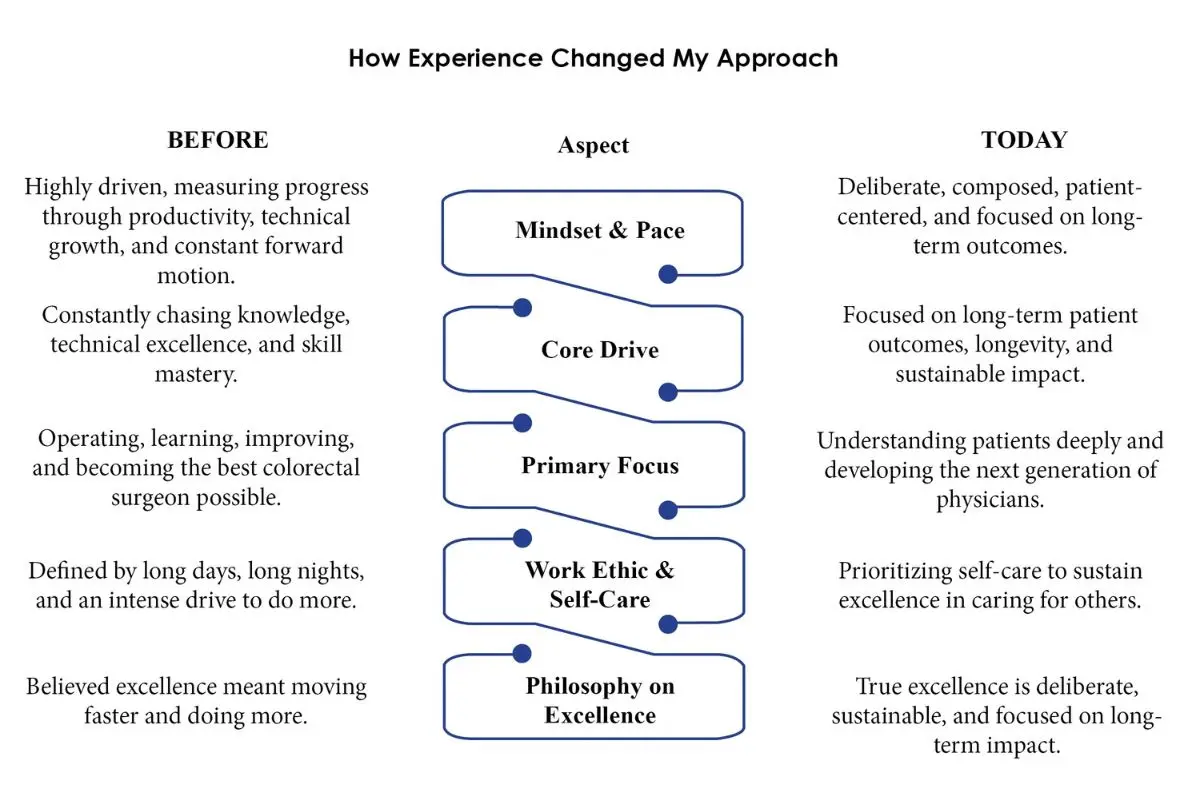
| Aspect | BEFORE | TODAY |
| Mindset & Pace | Highly driven, measuring progress through productivity, technical growth, and constant forward motion. | Deliberate, composed, patient-centered, and focused on long-term outcomes. |
| Core Drive | Constantly chasing knowledge, technical excellence, and skill mastery. | Focused on long-term patient outcomes, longevity, and sustainable impact. |
| Primary Focus | Operating, learning, improving, and becoming the best colorectal surgeon possible. | Understanding patients deeply and developing the next generation of physicians. |
| Work Ethic & Self-Care | Defined by long days, long nights, and an intense drive to do more. | Prioritizing self-care to sustain excellence in caring for others. |
| Philosophy on Excellence | Believed excellence meant moving faster and doing more. | True excellence is deliberate, sustainable, and focused on long-term impact. |
The rhythm of a surgeon’s day
For Dr. Avery Walker, each day is a deliberate balance of clinical precision, surgical focus, and personal renewal.
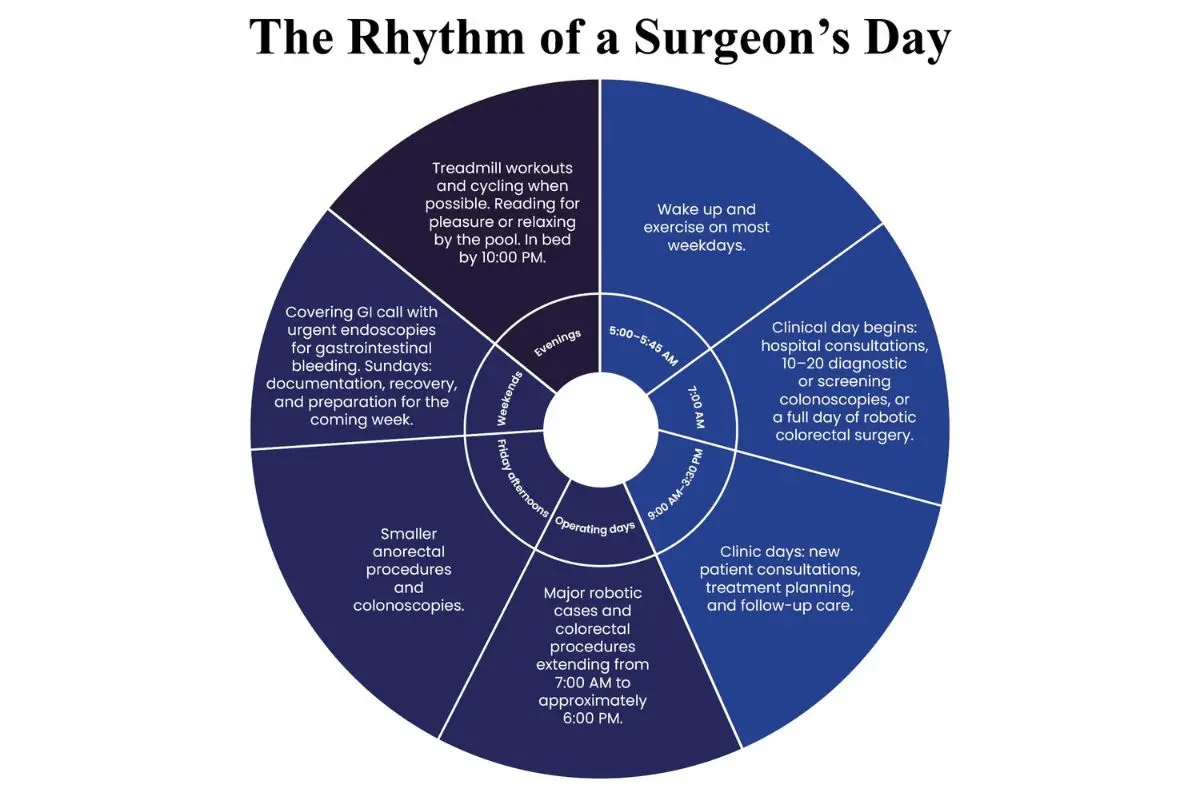
- 5:00–5:45 AM — Wake up and exercise on most weekdays.
- 7:00 AM — Clinical day begins: hospital consultations, 10–20 diagnostic or screening colonoscopies, or a full day of robotic colorectal surgery.
- 9:00 AM–3:30 PM — Clinic days: new patient consultations, treatment planning, and follow-up care.
- Operating days — Major robotic cases and colorectal procedures extending from 7:00 AM to approximately 6:00 PM.
- Friday afternoons — Smaller anorectal procedures and colonoscopies.
- Weekends — Covering GI call with urgent endoscopies for gastrointestinal bleeding. Sundays: documentation, recovery, and preparation for the coming week.
- Evenings — Treadmill workouts and cycling when possible. Reading for pleasure or relaxing by the pool. In bed by 10:00 PM.
An open letter to future surgeons and healthcare leaders
To those who will one day carry this profession forward,
Medicine will challenge you in ways that are difficult to understand until you experience them yourself. You will have extraordinary successes, but you will also experience failures. You will question decisions. You will replay difficult cases in your mind. There will be moments when the responsibility feels enormous. Keep moving forward.
Learn from the people who came before you. Find mentors who demonstrate not only the technical skills you admire, but also the character you hope to develop. Never stop learning, because the moment you believe you have mastered medicine is the moment medicine will prove you wrong.
Most importantly, remember why you chose this profession. Behind every scan, diagnosis, and operation is a human being who has placed an extraordinary amount of trust in you.
Become excellent at what you do but remain human while doing it.
With respect,
Dr. Avery Walker
Board-Certified Colon and Rectal Surgeon
El Paso, Texas
Key takeaways:
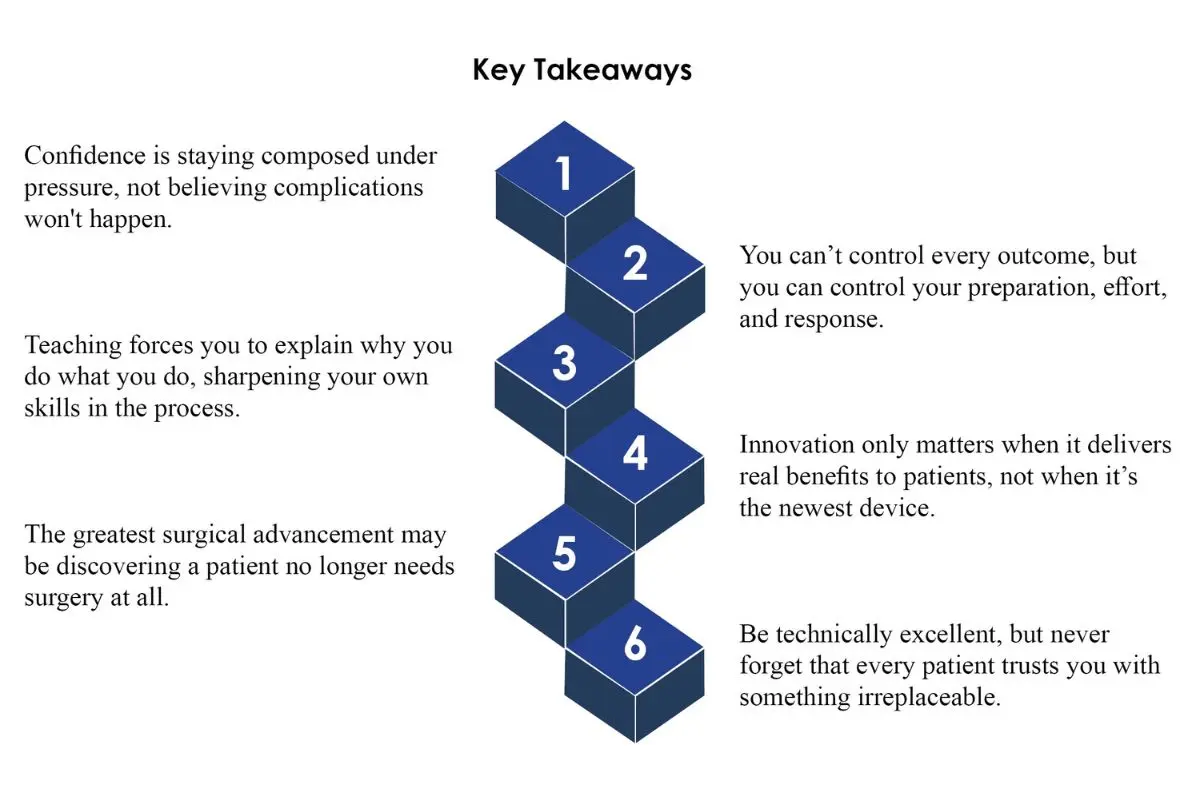
- Confidence is staying composed under pressure, not believing complications won’t happen.
- You can’t control every outcome, but you can control your preparation, effort, and response.
- Teaching forces you to explain why you do what you do, sharpening your own skills in the process.
- Innovation only matters when it delivers real benefits to patients, not when it’s the newest device.
- The greatest surgical advancement may be discovering a patient no longer needs surgery at all.
- Be technically excellent, but never forget that every patient trusts you with something irreplaceable.