
Direct-to-consumer selling has become the fastest-growing part of Indian e-commerce, and McKinsey estimates the D2C channel could reach $60 billion in sales by 2030. The same analysis expects marketplaces such as Amazon and Flipkart to reach up to $100 billion over that period, which dictates how brands actually sell. Most D2C brands balance running their own websites for margins with relying on marketplaces for nationwide reach—a dual strategy that requires multi-state tax compliance and explains why so many brands are securing Virtual Offices in Delhi NCR.
That second channel brings a tax obligation the first one mostly avoids, because marketplace sellers usually need GST registration in every state where their stock is stored. This is where Delhi NCR comes in, and it explains why so many growing brands register there through a virtual office instead of leasing space. A virtual office in Delhi gives a business a verifiable commercial address for registration without paying rent for a desk nobody uses.
Why D2C Brands Still Sell on Marketplaces?
The case for selling directly is easy to understand. Brands that move toward their own websites and social channels point to lower platform fees and cheaper fulfillment, and they value owning their customer data and controlling how the brand is presented.
Marketplaces solve a different problem. They bring shoppers who are already searching for a product category, along with a warehouse and delivery network that a young brand could not build on its own for years. A skincare or snack brand can build loyal repeat customers through its website while still being discovered by new buyers browsing on Amazon or Flipkart.
For most brands, the practical answer is to run both channels together. The website builds the relationship, and the marketplace brings volume. The difficulty is that marketplace selling carries compliance rules that a brand selling only through its own website can often delay until it grows larger.
Why Selling on Marketplaces Changes the Paperwork?

A small business selling only through its own website generally does not need GST registration until its turnover crosses the registration threshold. Marketplace sellers are treated differently. Section 24(ix) of the CGST Act makes registration compulsory for anyone selling through an e-commerce operator that collects tax at source, and both Amazon and Flipkart collect it.
There is a relaxation, introduced through Notification 34/2023 and in force since October 1, 2023. It allows small sellers to operate without full registration if their turnover stays under the threshold, if they make no sales to other states, and if they sell through marketplaces in only one state. Even these sellers must obtain an enrollment number on the GST portal before they begin.
A D2C brand shipping to customers across India falls outside this relaxation almost immediately, because interstate sales are the whole point of a national brand. Registration therefore stops being a question of whether and becomes a question of where.
Registration also affects cash flow. Marketplaces deduct tax collected at source from seller payouts, and a registered seller can claim credit for that amount in its returns. An unregistered seller has no way to recover it, so the deduction simply becomes a cost of doing business.
6 Reasons D2C Brands Are Choosing Virtual Offices in Delhi NCR
1. Warehouses Decide Where a Brand Must Register

GST registration in India works state by state. When a brand sends inventory to an Amazon or Flipkart fulfillment center in another state, GST law treats that warehouse as a place of business in that state, so the brand needs a separate GSTIN there before the stock can be received.
The usual setup has two parts. The brand first registered in the new state using a virtual office as its principal place of business, often called a VPOB. It then adds the marketplace warehouse to that registration as an additional place of business, or APOB, using the documents the marketplace provides for its facility. Once the GST certificate lists the warehouse, the brand updates its seller account and can begin sending stock.
While Virtual Offices in Delhi NCR provide an easy path to secure a new GSTIN, each one remains a separate registration with its own returns to file. Consequently, moving stock from a brand’s home state into another state’s warehouse is treated as a supply between two registrations, meaning it requires a proper invoice and an e-way bill even before a customer is involved.
2. One Region Covers Three GST States
This is what makes NCR unusual among Indian business regions. Delhi, Gurugram, and Noida feel like parts of one city, but for GST purposes they sit in three different states: Delhi, Haryana and Uttar Pradesh.
For a brand planning where its inventory will sit, that geography is useful. A single region opens up three separate state registrations, each connected to its own set of marketplace warehouses, while the brand’s suppliers, packaging vendors, and logistics partners remain within reach of one team.
Most other large metros fall entirely inside one state, so a Mumbai registration stays in Maharashtra and a Bengaluru registration stays in Karnataka. NCR is one of the few places in the country where a short drive across the city also crosses a GST border.
3. Marketplace Warehousing in NCR Keeps Expanding
Both major marketplaces have been adding storage around the capital. Amazon has opened new fulfillment centers in Delhi NCR over the last two years, including a Delhi facility that began operating in August 2025, and it asked sellers planning to use that center to update their GST details before sending stock.
Flipkart has been building on both sides of the city. Its 2025 expansion added facilities in Ghaziabad in Uttar Pradesh and in Manesar in Haryana, where it now runs a regional distribution center spread over 140 acres.
More warehouse capacity close to a dense customer base helps marketplaces promise faster delivery. For sellers, however, each warehouse that sits in a new state brings another registration to manage.
4. Faster Market Entry Without Committing to a Lease
Renting an office in every state just to hold a GST address is slow and expensive. The brand has to negotiate a lease, pay a deposit, and keep paying rent on a space nobody will use.
A virtual office removes that burden. The brand receives a registered commercial address along with the documents a GST application needs, and it can move quickly from registration to listing products. For a young brand testing demand in a new region, that saving in time and working capital matters a great deal.
It also keeps the brand flexible. If its warehouse strategy changes after a season of sales data, closing a virtual office is far simpler than exiting a commercial lease with a lock-in period.
5. Stricter Verification Rewards Genuine Addresses
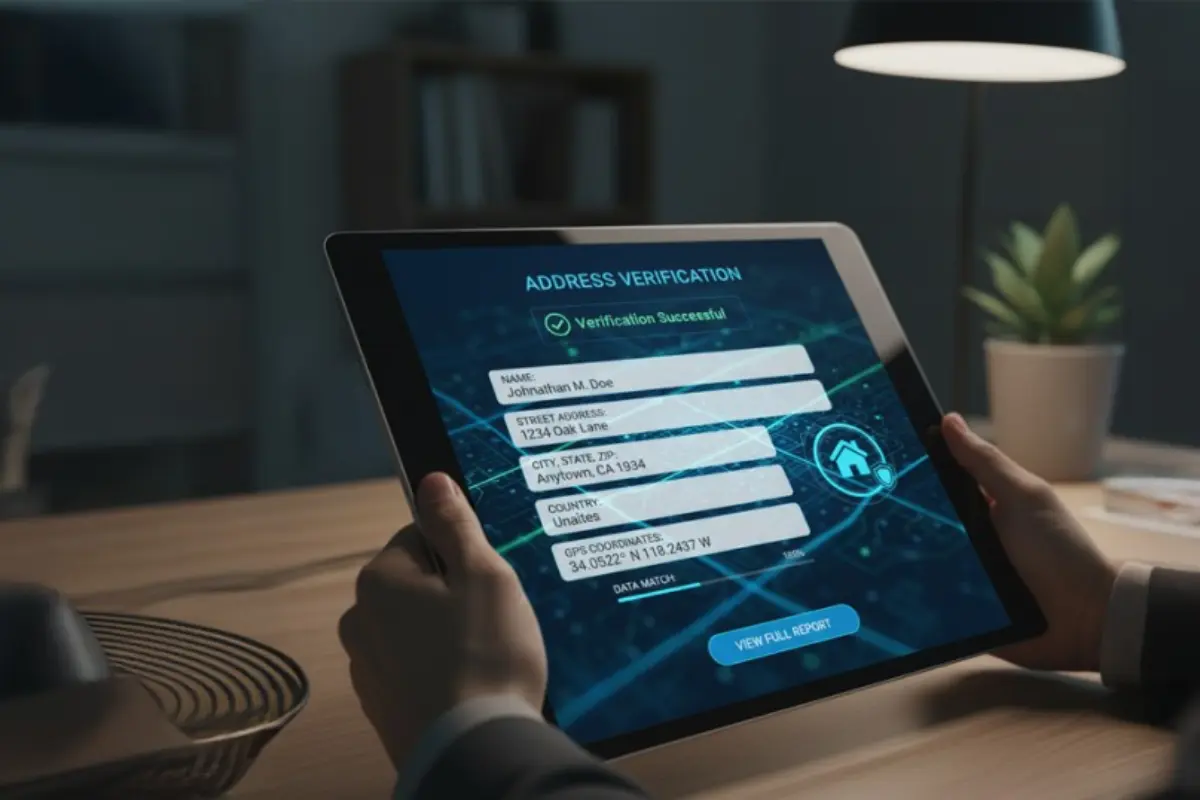
GST authorities have tightened registration checks in recent years, and Aadhaar-based authentication of the people behind a business is now central to the process.
CBIC Instruction No. 03/2025, issued in April 2025, made the process fairer for applicants in some ways. It told officers not to demand documents beyond those listed in the registration form, confirmed that one valid proof of the business address is sufficient, and set a seven-working-day approval window for clean applications.
The same instruction, however, keeps physical verification in place. Applications flagged as risky, or those where Aadhaar authentication has not been completed, can still lead to an officer visiting the premises. This is where a cheap shortcut can backfire, because a relative’s flat or an address with no real business presence may not survive that visit, while a properly documented commercial premise is far more likely to.
6. Notices and Mail Still Need a Reliable Home
GST notices and marketplace correspondence are sent to the registered address. If a brand fails to respond to a notice, it can face penalties or even cancellation of its registration, and a cancelled GSTIN can bring a seller account to a halt.
A good virtual office provider receives this mail and forwards it promptly. That service sounds minor, but it becomes very important the first time a notice arrives with a short deadline.
What to Check Before Choosing a Virtual Office in NCR?
Not every virtual office is suited to marketplace sellers, so brands should confirm a few basics before signing up:
- The address is a genuine commercial premises rather than a residential unit.
- The provider supplies the NOC, rent agreement, and utility bill that the GST application requires.
- The provider will support a departmental verification visit if an officer arrives.
- Mail and notice handling is included in the plan.
- The address is in the same state as the warehouse the brand intends to use.
That last point catches out more sellers than you might expect. A Gurugram address will not help a brand whose stock is headed to a Ghaziabad warehouse, because the two locations sit in different states.
Some providers build their plans around these requirements. Team Cowork, for example, offers virtual office addresses in Gurugram, Delhi, and Noida, and its GST plans include the address documents along with support during departmental verification.
The provider’s documents cover only the address. On its own side, the brand still needs its business PAN, the authorized signatory’s Aadhaar for authentication, proof of its legal constitution such as an incorporation certificate, and bank account details. Having these ready before choosing a location saves days of back-and-forth once the application is filed.
It also helps to plan the order of registrations. Starting with the state where most of the brand’s demand sits and adding further states as sales data comes in keeps both costs and ongoing return filings under control.
Conclusion
The rise of D2C has not made marketplaces less important for Indian brands, and most growing brands now depend on both channels at once. However, the marketplace side brings a requirement that cannot be skipped: a valid GST registration in every state where inventory is stored. Because this single commercial region spans three states with expanding Amazon and Flipkart warehouse capacity, utilizing Virtual Offices in Delhi NCR has become the ultimate strategy for brands to secure multi-state compliance without signing commercial leases.
A virtual office lets brands register there without taking on leases they do not need, provided the address is a genuine, well-documented commercial premises that can withstand verification. Providers like Team Cowork offer compliant virtual addresses across Delhi, Gurugram, and Noida, and sorting registration out early keeps inventory moving when demand arrives.