While a strategic multifamily property renovation quietly generates real value, new apartment developments tend to get all the attention. They rely on impressive architectural renderings, rooftop lounges, and marketing materials that make even the mailroom look exciting.
Meanwhile, an older apartment building down the street might have faded carpeting, outdated kitchens, and a lobby that hasn’t changed much since 1987. It might also represent a worthwhile investment opportunity.
For multifamily developers, renovating an existing property can offer advantages over starting from scratch. The building is already there, the neighborhood is established, and many of the most expensive elements of construction may already be in place.
Of course, older properties come with surprises. Some are charming. Others require a plumber and a substantial increase in the renovation budget.
Established Locations Can Be a Major Advantage
The Value of an Existing Neighborhood
One of the strongest arguments for renovating older apartments is their location.
Established multifamily buildings may occupy desirable sites near employment centers, public transportation, shopping districts, and schools. In some neighborhoods, comparable land for new development is scarce or prohibitively expensive.
These advantages can be difficult to reproduce through new construction. Developers can redesign an apartment interior, but they can’t relocate an entire building closer to a train station.
Properties in established communities may also benefit from existing infrastructure and familiar neighborhood amenities, although the condition and capacity of those systems still deserve investigation.
Look Past the Outdated Interiors
A building with old cabinets and worn flooring can look discouraging during an initial walkthrough. Yet cosmetic problems are often relatively straightforward to address.
Investors should pay attention to the property’s layout, structural condition, and surrounding neighborhood. Spacious apartments with practical floor plans may have considerable appeal after thoughtful updates.
That doesn’t mean every aging building is a bargain. The goal is to distinguish between a property that needs cosmetic improvements and one with expensive underlying problems.
Renovation Can Offer Different Economics Than New Construction

Compare the Entire Project Budget
Renovating an existing apartment building may reduce certain costs associated with land acquisition, site preparation, and constructing a new structure.
However, the financial comparison requires more than looking at construction estimates.
Acquisition costs, financing, permits, insurance, professional fees, and lost rental income during renovations all affect the budget. Developers also need contingency funds for problems discovered after work begins.
A renovation that initially appears inexpensive can become considerably less attractive if the building requires extensive structural repairs or replacement of major mechanical systems.
Investigate Before You Invest
A thorough property assessment should examine the roof, foundation, plumbing, electrical systems, and HVAC equipment.
Older buildings may also present environmental concerns. For example, the Environmental Protection Agency’s Renovation, Repair and Painting Rule establishes lead-safe work requirements for covered renovation activities in pre-1978 housing.
These considerations belong in the acquisition and renovation plan, rather than appearing as unpleasant surprises halfway through construction.
Nobody wants to discover that the previous owner’s idea of electrical modernization involved an extension cord and considerable optimism.
Upgrade Apartment Interiors for Long-Term Residents
Make Kitchens More Functional
Kitchens can have a substantial influence on how prospective renters perceive an apartment.
Older units sometimes have limited counter space, inadequate storage, poor lighting, or appliance layouts that make everyday tasks unnecessarily awkward.
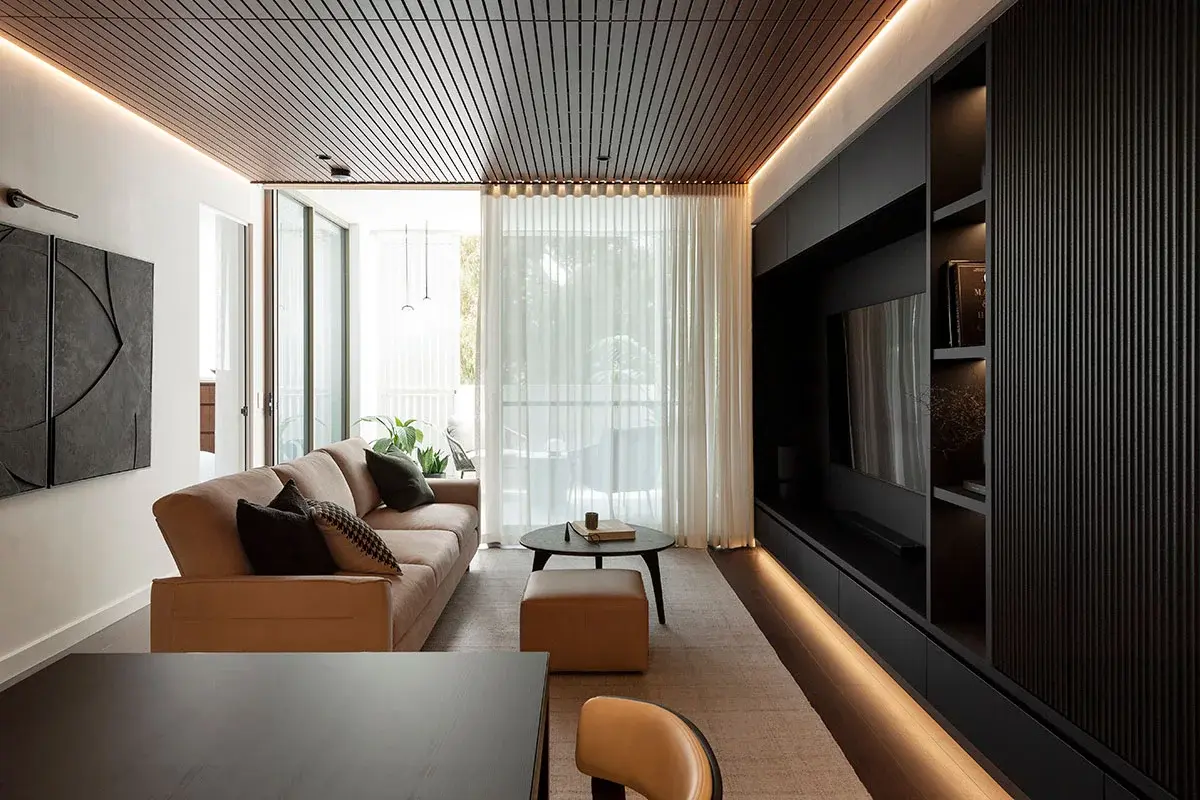
Renovations might include updated cabinets, durable countertops, improved lighting, and better appliance placement. The appropriate scope depends on the existing layout and the expectations of the local rental market.
For example, an investor renovating a multifamily property in Pennsylvania’s Lehigh Valley might consult a kitchen remodeling contractor in Allentown to evaluate practical upgrades across several units.
Working with contractors familiar with the area can also help owners understand local permitting requirements and develop realistic renovation schedules.
Luxury finishes aren’t always necessary. A practical kitchen with sufficient storage and dependable appliances may appeal more to long-term renters than expensive materials that offer little everyday benefit.
Remember Bathrooms and Storage
Bathrooms deserve similar attention. Updated fixtures, effective ventilation, and water-resistant finishes can improve functionality while addressing maintenance concerns.
Storage is another worthwhile consideration. Apartments that lack sufficient closets or cabinet space can become frustrating for residents, particularly those who expect to stay for several years.
Even modest improvements can make a difference. Additional shelving or a better-organized entryway may provide more practical value than an elaborate decorative feature.
Modernize the Systems Residents Depend On
Address Aging Infrastructure
Fresh paint and attractive flooring can help lease an apartment, but residents also expect reliable heating, cooling, plumbing, and electrical service.
Developers should evaluate aging equipment and identify improvements that may reduce maintenance problems or operating expenses.
The U.S. Department of Energy’s Energy Saver resources offer guidance on insulation, heating and cooling, and other energy-efficiency improvements that may be relevant to older residential properties.
The appropriate upgrades depend on the building’s condition and financial performance. Replacing functioning equipment simply because it’s older may not always be justified.
Improve Shared Spaces and Building Access
Common areas contribute to residents’ everyday experience. Hallways, entrances, laundry facilities, and parking areas should be safe and well-maintained.
Modern access control systems may also be worth considering, particularly when existing locks or entry procedures create security or management problems.
Reliable internet infrastructure has become another practical consideration. Developers should evaluate whether existing wiring and service options can accommodate residents’ needs.
A rooftop lounge might look wonderful in photographs, but residents will probably notice a broken front-door lock much sooner.
Renovate Without Alienating Existing Tenants

Plan Around Occupied Apartments
Renovating a building with existing residents requires careful scheduling.
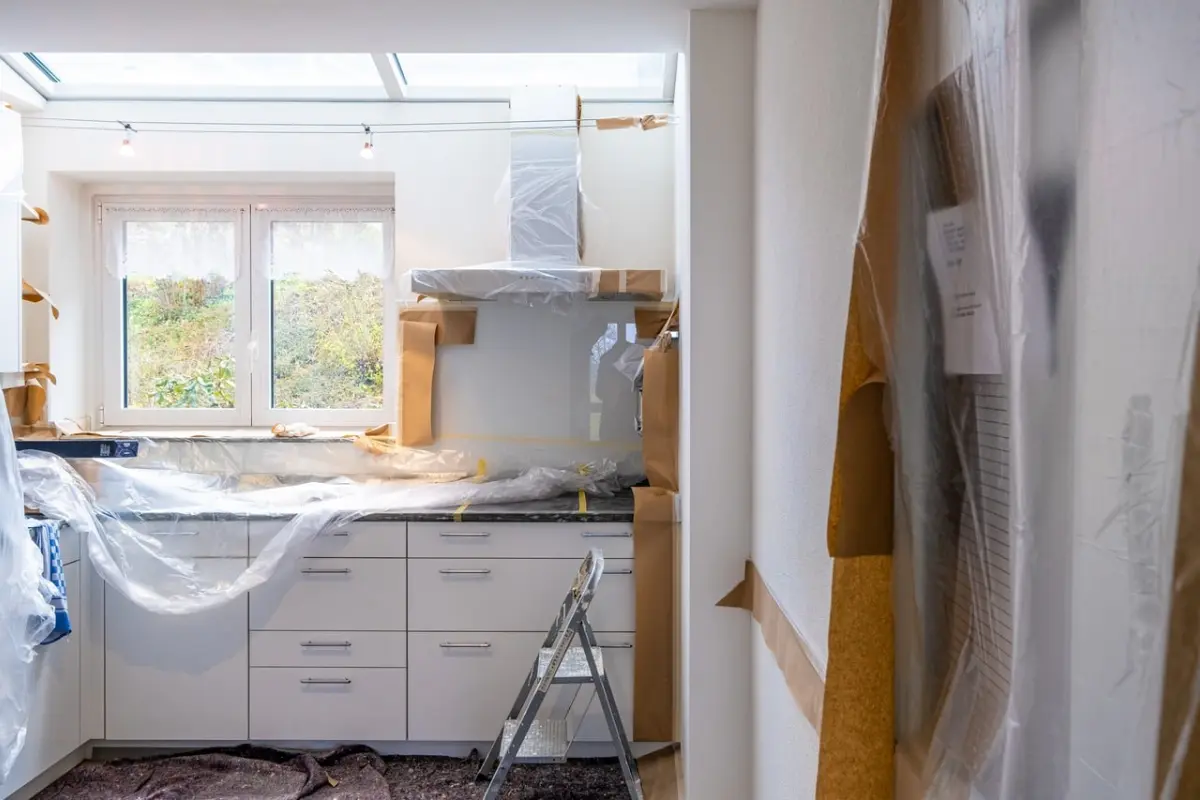
Construction noise, dust, temporary utility interruptions, and restricted access can create significant inconvenience during a multifamily property renovation. To reduce unnecessary disruption, owners should consider phased schedules and carefully coordinated work.
In some cases, it may make sense to renovate vacant units as leases expire rather than attempting extensive work throughout an occupied property.
The appropriate approach depends on the building, lease agreements, and applicable landlord-tenant requirements.
Keep Residents Informed
Clear communication can prevent many avoidable problems.
Residents should receive appropriate notice of planned work, expected schedules, and any interruptions that may affect their apartments.
If a renovation requires temporary access restrictions or changes to building services, owners should explain what residents can expect.
People tend to be more understanding of construction inconvenience when they know what’s happening and how long it’s likely to last.
Choose Improvements That Make Financial Sense

Renovate With a Purpose
The most expensive renovation isn’t necessarily the most successful.
Developers should evaluate improvements against realistic rental demand, operating expenses, and the property’s long-term financial performance.
A complete kitchen renovation may help attract tenants, while replacing deteriorating plumbing could prevent expensive future repairs. Both may deserve attention, but for different reasons.
Sean Edwards, a Philadelphia-based expert in development planning, offers this perspective in a proposed statement:
“The biggest opportunity with an older apartment building is often the location and the structure that’s already there. But developers have to be disciplined about what they improve. A renovated kitchen might help lease a unit, while replacing an aging mechanical system protects the entire investment. You have to understand what the property actually needs before deciding where to spend the money.”
That distinction matters. Attractive interiors help market apartments, but dependable infrastructure supports the property’s ongoing operation.
Owners should also avoid assuming that every renovation will support a substantial rent increase. Local market conditions and comparable properties ultimately influence what prospective tenants are willing to pay.
Give Older Apartments a Second Look
Renovating older multifamily properties can offer developers opportunities to improve existing housing in established neighborhoods.
Success depends on understanding the building’s condition, developing a realistic budget, and selecting improvements that residents will appreciate.
An outdated kitchen can be replaced. A poorly chosen location is considerably harder to fix.
And while older buildings may have a few surprises waiting behind the drywall, a carefully planned multifamily property renovation can give an existing property a productive new chapter.