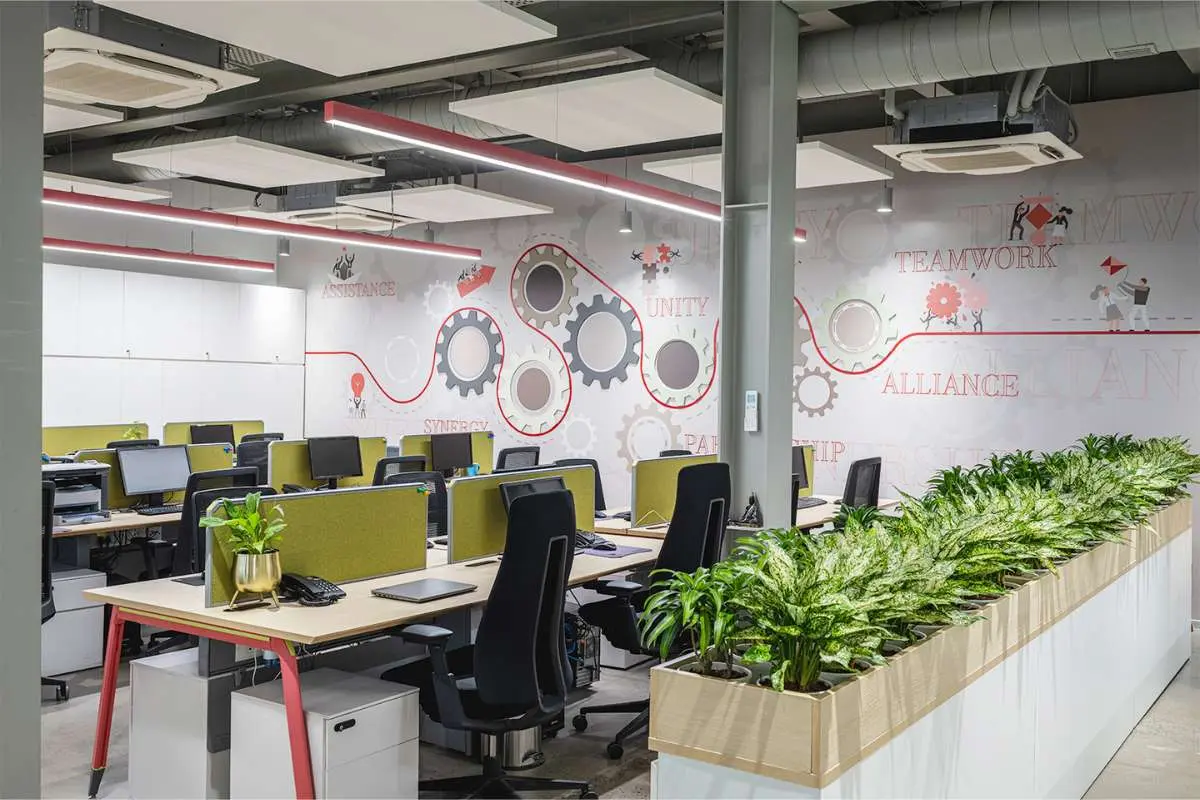
A productive workday depends on more than deadlines, organized schedules, and motivated employees. The physical environment also influences how comfortably people complete their responsibilities, especially when their jobs involve sitting, typing, attending meetings, or working at computers for several hours. Uncomfortable chairs, poorly positioned desks, and limited storage can gradually make even familiar tasks frustrating. For businesses considering improvements to their working environment, consulting a reliable office furniture dealer in Anchorage can be a practical starting point. Experienced furniture suppliers can help identify seating, workstations, and storage solutions suited to different workplace requirements.
Choosing appropriate furnishings is not simply about creating an attractive office. It involves supporting employee comfort, improving organization, and making everyday activities easier. When people have comfortable office furniture that suits their responsibilities, they can spend less time dealing with physical discomfort and more time concentrating on their work.
The connection between physical comfort and productivity
Spending an entire working day in an uncomfortable position can affect concentration more than many people realize. A chair that provides insufficient support or a desk positioned at an awkward height may encourage employees to shift constantly, stretch frequently, or struggle to find a comfortable posture.
These small interruptions can accumulate throughout the day.
Well-designed comfortable office furniture helps reduce unnecessary physical strain by supporting more comfortable working positions. Employees can adjust their surroundings to accommodate different tasks, body dimensions, and personal preferences.
Comfort alone does not guarantee increased productivity, but it can remove obstacles that make concentration more difficult.
A workplace designed around practical employee needs provides a stronger foundation for consistent performance. When people feel physically comfortable, they may find it easier to remain engaged with their responsibilities.
Why ergonomic office chairs deserve attention
Office chairs are among the most frequently used pieces of furniture in professional environments. Yet businesses sometimes choose seating primarily for its appearance or purchase price without considering how employees will use it.
Ergonomic chairs are designed to provide adjustable support for different users.
Features such as seat height adjustments, lumbar support, suitable cushioning, and adjustable armrests can help employees find more comfortable sitting positions.
However, even a high-quality chair must be adjusted correctly to provide its intended benefits.
Employees should be able to keep their feet supported, position their arms comfortably, and maintain a natural posture while working.
Investing in appropriate seating shows practical consideration for the people who depend on it every day.
Over time, comfortable chairs can become one of the most appreciated improvements within an office.
Adjustable desks support different working preferences
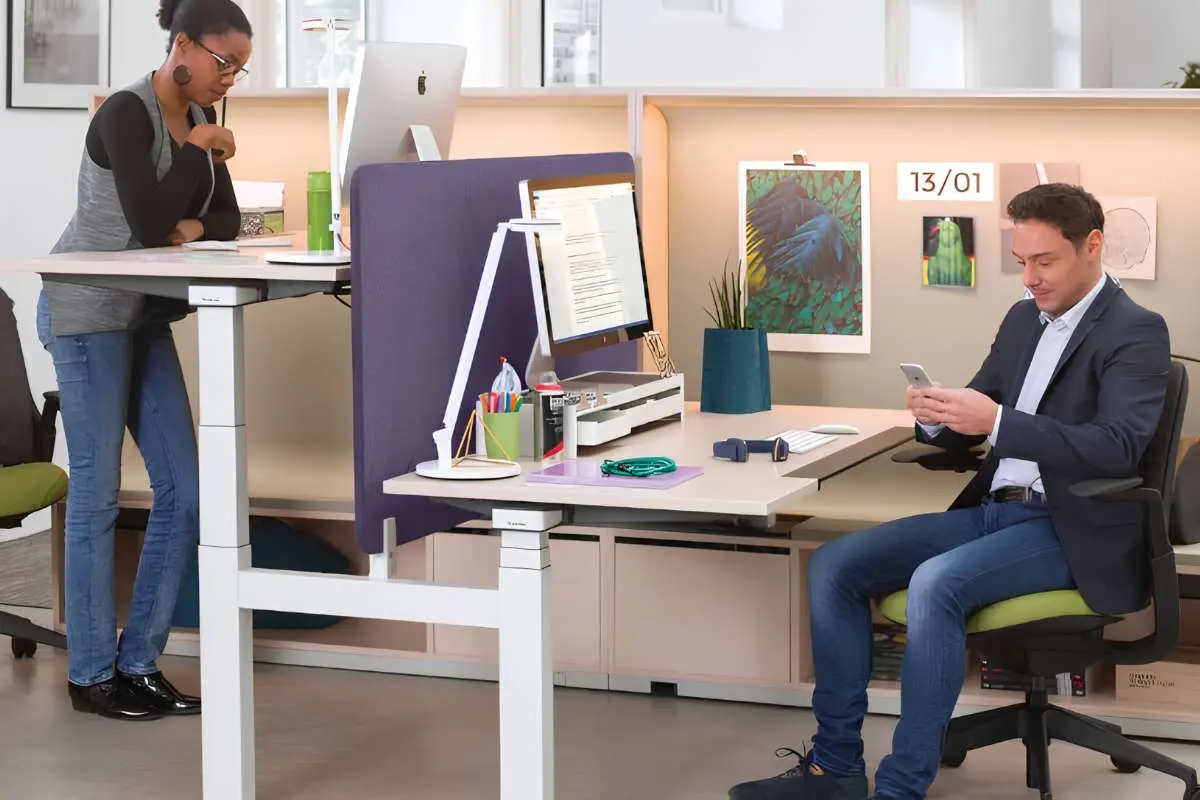
Not everyone works comfortably at the same desk height. Differences in body proportions, equipment arrangements, and daily responsibilities can make standardized workstations inconvenient for certain employees.
Adjustable desks provide flexibility by allowing users to modify the height of their working surface.
Sit-stand models are particularly appealing because they make changing positions throughout the day more convenient.
However, standing continuously is not necessarily better than sitting for long periods. The real advantage comes from having opportunities to alternate positions and incorporate movement.
Proper monitor placement, keyboard positioning, and sufficient workspace also contribute to a comfortable setup.
Businesses considering adjustable desks should evaluate available space, equipment requirements, and employee preferences before purchasing.
Thoughtful workstation design can support more practical working habits without introducing unnecessary complications.
Better organization creates a more functional office
An office can contain expensive furniture and still feel frustrating if employees struggle to locate documents, store supplies, or move comfortably between workstations.
Poor organization introduces distractions that can interrupt otherwise productive routines.
Practical storage furniture helps keep frequently used materials accessible while reducing unnecessary clutter.
Filing cabinets, shelving units, mobile drawers, and multifunctional furniture can all contribute to a more organized working environment.
The most effective arrangement depends on how employees perform their tasks.
For example, collaborative teams may benefit from accessible shared storage, while employees handling confidential information may require secure individual cabinets.
Furniture should complement existing workflows rather than force employees to work around inconvenient arrangements.
A thoughtfully organized office often feels more spacious, professional, and easier to navigate.
Comfortable meeting spaces encourage better collaboration
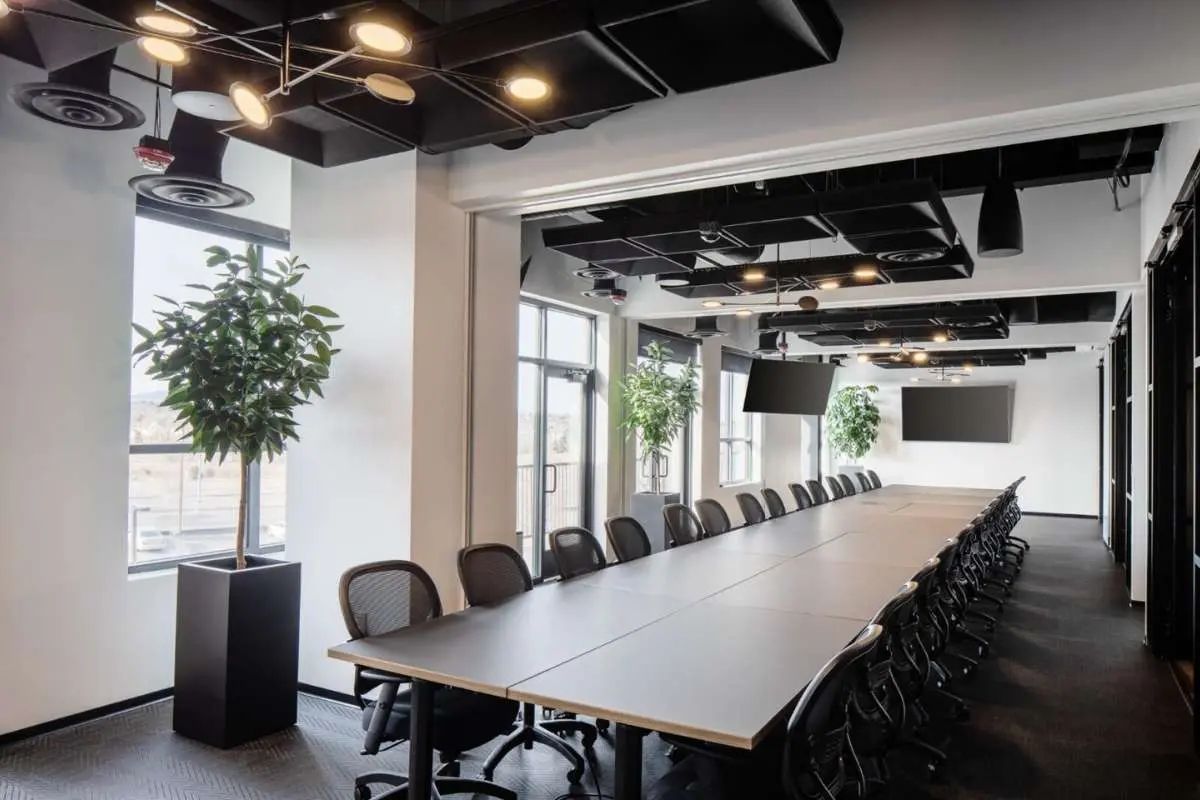
Meeting rooms are important working environments where employees exchange ideas, discuss challenges, and make decisions.
Unfortunately, uncomfortable seating or impractical table arrangements can make longer discussions unnecessarily tiring.
Selecting suitable meeting furniture involves considering the number of participants, typical meeting duration, and technology used during presentations.
Supportive chairs, appropriately sized tables, and sufficient space for movement can improve the overall experience.
Flexible furniture arrangements may also be helpful for businesses that regularly organize workshops, training sessions, or collaborative activities.
Instead of maintaining one rigid layout, modular tables and movable seating allow rooms to accommodate different purposes.
Creating comfortable meeting spaces helps employees participate without constantly adjusting their seating or struggling to access necessary equipment.
The importance of choosing durable commercial furniture
Office furniture experiences considerable daily use, particularly in environments where several employees share workstations or meeting areas.
Products intended primarily for occasional residential use may not always withstand these demands.
Commercial-grade furniture is generally designed with frequent operation, durability, and appropriate performance standards in mind.
Strong construction, dependable adjustment mechanisms, and surfaces that are easy to maintain can contribute to longer service life.
Businesses should also consider warranty coverage, replacement parts, and maintenance requirements before making purchasing decisions.
Although better-quality comfortable office furniture may involve a higher initial expense, longer-lasting products can reduce the need for frequent replacements.
The objective is to balance comfort, practicality, appearance, and long-term value rather than selecting furnishings based on price alone.
How professional furniture suppliers make planning easier
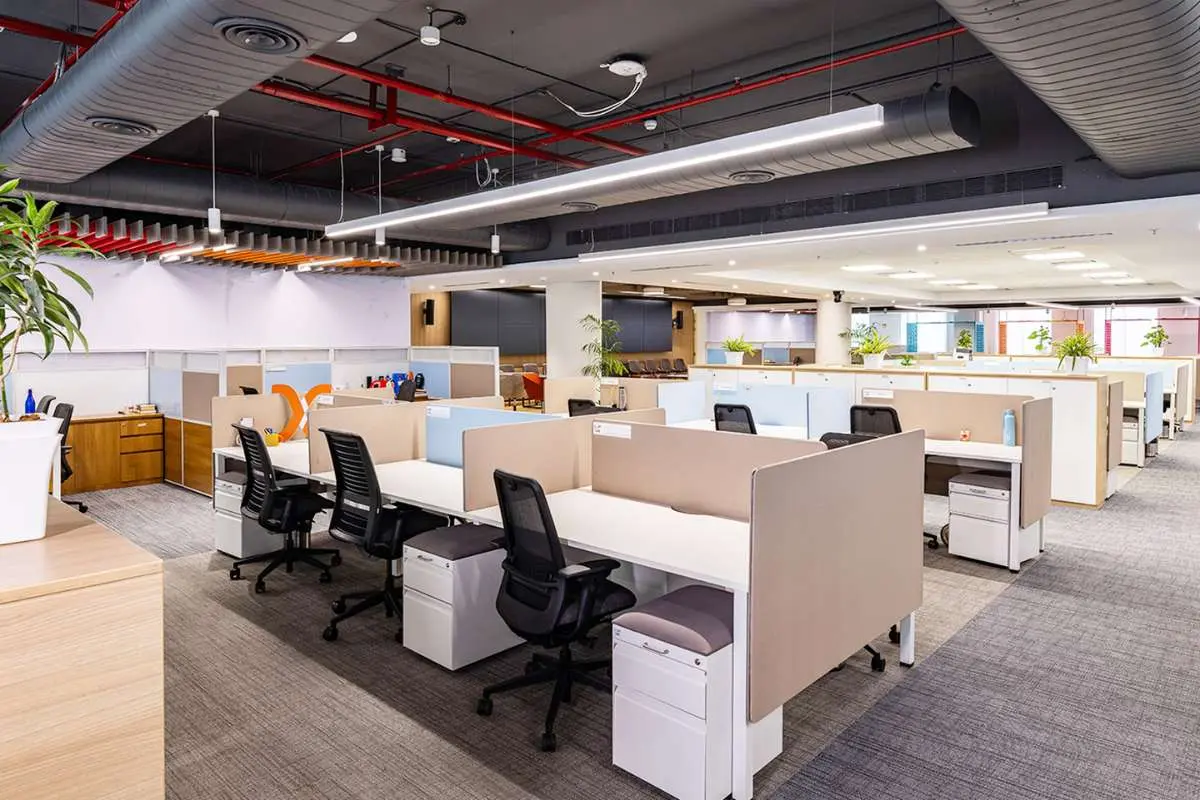
Choosing furniture for an entire office can become complicated when different departments have different requirements. Reception areas, private offices, shared workstations, and meeting rooms rarely benefit from identical furniture solutions.
Experienced suppliers can help businesses compare suitable products, evaluate available space, and identify furnishings that complement their daily operations.
They may also provide assistance with measurements, layout planning, delivery arrangements, and installation options.
Before selecting a supplier, business owners should consider product quality, available warranties, customer service, and relevant experience with commercial environments.
Clear communication about budgets, timelines, and workplace requirements helps make the purchasing process more manageable.Professional guidance can prevent unsuitable purchases and support a more coordinated office improvement project.
Investing in a workplace that supports success
Comfortable office furniture is not simply a decorative addition to a professional environment. It plays a practical role in supporting employees throughout their working day.
Suitable chairs, adjustable desks, organized storage, and thoughtfully furnished meeting areas can help reduce everyday frustrations and improve workplace functionality.
Businesses do not necessarily need to replace every piece of furniture immediately. Assessing current workstations and identifying the most significant comfort problems can provide a sensible starting point.
Consulting knowledgeable furniture professionals can also help companies prioritize improvements within their available budgets.
When employees have practical, comfortable surroundings, they are better equipped to concentrate on their responsibilities and collaborate effectively.
Investing in well-designed comfortable office furniture demonstrates a commitment to creating a workplace where people can perform their jobs comfortably, efficiently, and with greater satisfaction.