


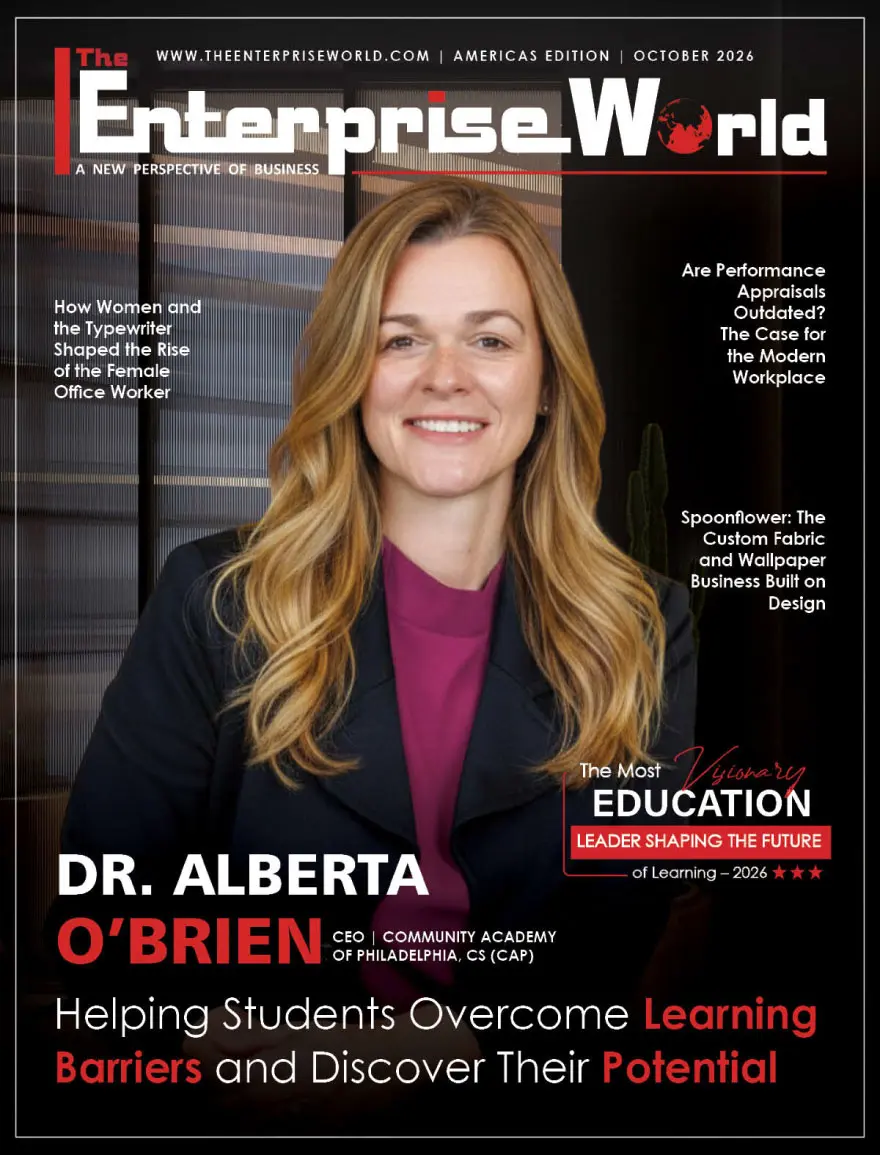
When students lack the right guidance, support, and learning opportunities, their confidence, academic progress, and future prospects can suffer. Dr. Alberta O’Brien, CEO of Community Academy of Philadelphia, CS (CAP), is working to address these challenges by creating a supportive learning environment where students can grow academically, socially, and emotionally.
From teaching mathematics and science to leading a school, Dr. O’Brien has built her career around understanding students’ needs and improving their learning experiences. Her journey includes teaching in Namibia through the U.S. Peace Corps, serving as a department head, principal, and Deputy CEO, and researching how adverse childhood experiences affect student performance.
Under her leadership, CAP focuses on STEM education, experiential learning, and practical opportunities that encourage students to think critically and explore their abilities. Her vision also includes the proposed Urban Eco Lab Outdoor Classroom, which would connect science, sustainability, and hands-on learning.
Through her work, Dr. O’Brien is helping shape an educational approach that places students’ needs, equal opportunities, and future success at the center.
From mathematics teacher to education leader
Dr. Alberta O’Brien’s journey in education began after she earned a Bachelor of Science in Mechanical Engineering from Temple University. She started her career as a mathematics and science teacher, a role that gave her firsthand experience of the challenges students and educators face in the classroom.
In 1994, she joined the United States Peace Corps and taught mathematics and physical science in Namibia. Many of her students had limited English proficiency but were expected to learn and communicate in English. She also worked alongside local teachers who had limited opportunities to pursue advanced studies in mathematics and science because of the educational inequalities created by apartheid. These experiences broadened her understanding of education and showed her how access to learning, teacher preparation, and ongoing support can shape students’ academic progress.
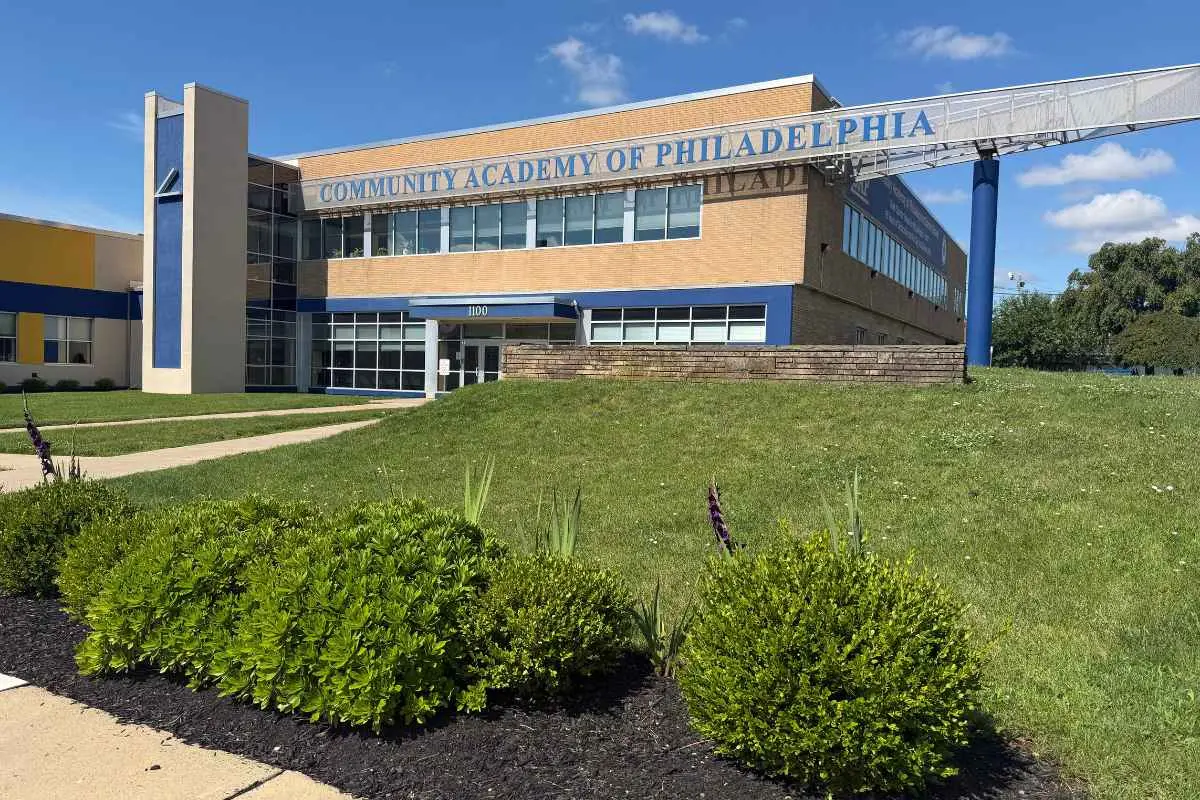
After returning to the United States, Dr. O’Brien joined The Community High School as a high school mathematics teacher. She continued working with the school as it evolved into Community Academy of Philadelphia, CS (CAP), the first charter school in Philadelphia. Over the years, she took on several leadership roles, including Math Department Head, principal, and Deputy CEO, before becoming CEO in 2020.
Having spent much of her career at CAP, Dr. O’Brien developed a strong understanding of the school’s history, students, families, and educational goals. Becoming CEO gave her the opportunity to build on this foundation, guide the school’s continued development, and shape its future while remaining committed to providing students with a supportive and meaningful educational experience.
Understanding the different needs of students
For Dr. Alberta O’Brien, a major challenge in educational leadership is understanding each student’s needs and finding the right support. Academic or behavioral difficulties may stem from learning gaps, attendance issues, emotional struggles, or challenges at home. She highlights that educators must identify the underlying causes before deciding how to help.
At CAP, teachers review academic results, classroom assessments, attendance, and behavioral patterns. Teachers, counselors, support staff, and families share their observations to help determine each student’s needs.
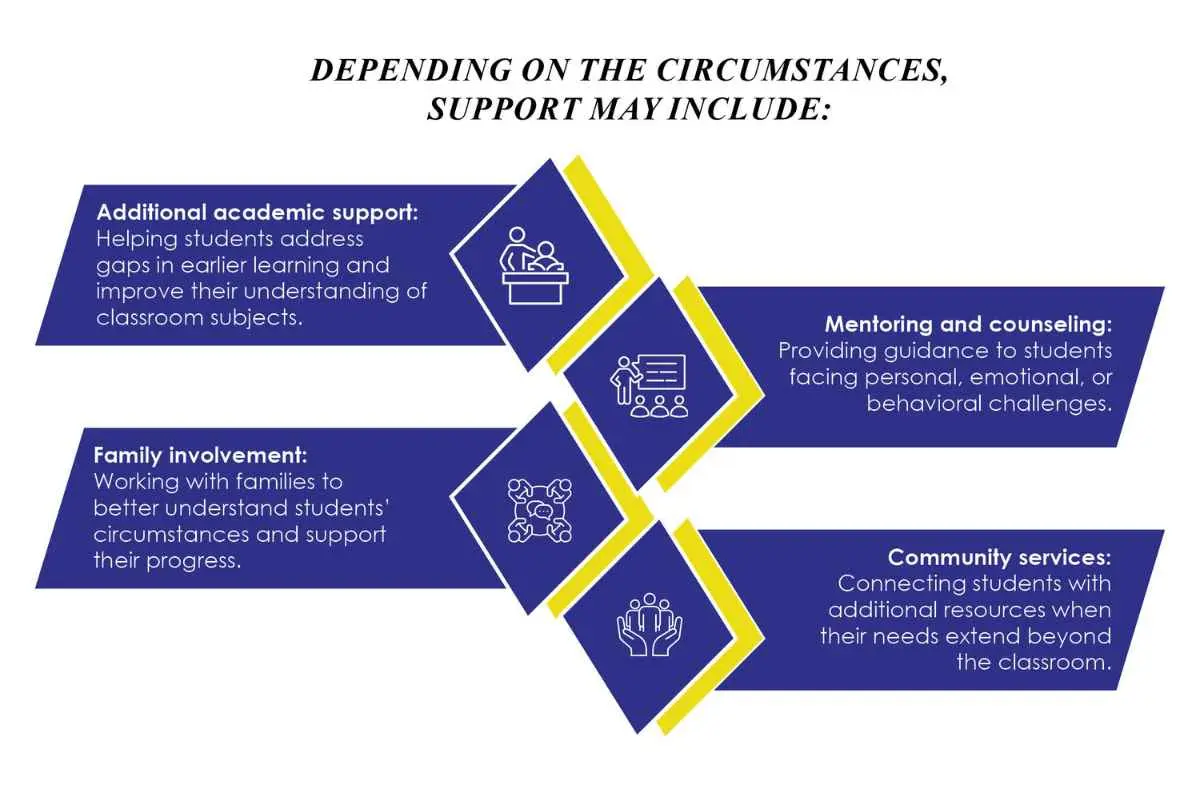
Depending on the circumstances, support may include:
- Additional academic support: Helping students address gaps in earlier learning and improve their understanding of classroom subjects.
- Mentoring and counseling: Providing guidance to students facing personal, emotional, or behavioral challenges.
- Family involvement: Working with families to better understand students’ circumstances and support their progress.
- Community services: Connecting students with additional resources when their needs extend beyond the classroom.
Dr. O’Brien believes that support must be regularly reviewed to ensure it works. If students are not making progress, educators must adjust their approach rather than rely on the same solution for everyone.
Her doctoral research at Gwynedd Mercy University further shaped this belief. She studied how adverse childhood experiences relate to standardized test scores among inner-city students in Philadelphia, reinforcing her understanding of how experiences outside school can affect learning.
She believes recognizing these challenges should not mean lowering expectations. Instead, schools must remove barriers and give every student a fair chance to succeed.
As CEO, she encourages educators to share ideas, examine evidence, and work together, recognizing that meaningful improvements require collaboration, careful planning, and a willingness to learn.
For her, effective educational leadership begins with a simple question:
What does this child need to succeed, and what can the school do to provide it?
Dr. Alberta O’Brien’s vision for a more meaningful learning experience
Dr. O’Brien envisions a school where students receive strong academic support while exploring their interests, discovering their abilities, and preparing for the future. At CAP, a K–12 charter school, she aims to build students’ confidence, creativity, independence, and problem-solving skills while ensuring they feel supported by teachers, families, and the school community.
She emphasizes that education should go beyond memorization and examinations. Students need opportunities to experiment, create, and apply knowledge to real-life situations. This is especially important for urban communities where financial barriers may limit access to enrichment programs, specialized equipment, and green spaces. Schools must help bridge these gaps so every student can reach their potential.
Experiential learning is central to her vision. Science experiments, technology projects, and outdoor activities help students understand concepts, think critically, solve problems, and explore interests in fields such as engineering, environmental science, technology, and architecture. Group projects strengthen communication and teamwork, while caring for plants and exploring nature develop patience, responsibility, and environmental awareness.
Dr. O’Brien also advocates outdoor and environmental education, giving students opportunities to explore biodiversity, investigate environmental issues, analyze data, and apply classroom knowledge to everyday life.
Ultimately, she wants CAP to combine academic excellence, hands-on learning, personal development, and meaningful relationships to prepare students for future opportunities and challenges.
Artificial intelligence with human connection balance in education
Over the next five to ten years, Dr. Alberta O’Brien believes AI and other technologies will play a growing role in education. As these tools become more common in classrooms, students will need to learn how to use them responsibly, assess information, think critically, communicate clearly, and adapt to new ways of learning.
She also recognizes that technology brings challenges. While AI can create new learning opportunities, its effects on critical thinking, creativity, academic honesty, and independent learning need careful consideration. For Dr. Alberta O’Brien, technology should support the learning process, not replace the personal connection between teachers and students. Students still need educators who understand their needs, guide their progress, challenge their thinking, and help them make sense of complex ideas.
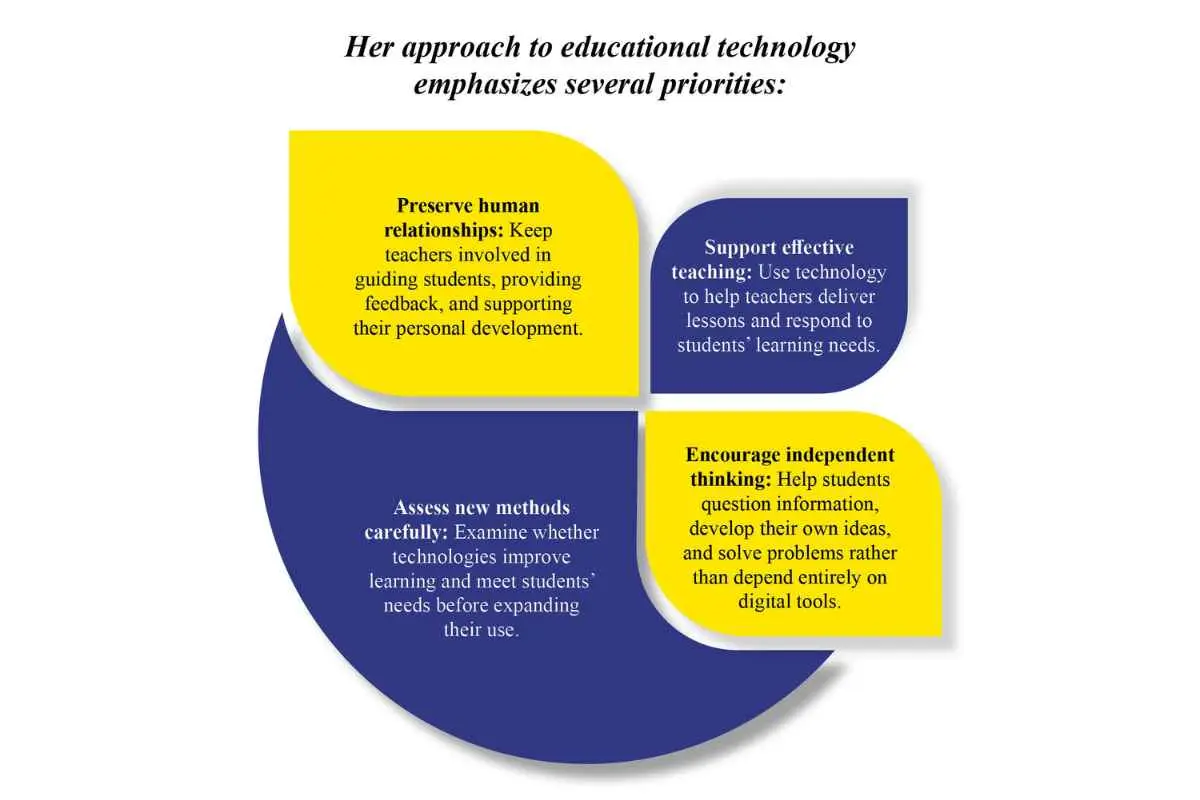
Her approach to educational technology emphasizes several priorities:
- Support effective teaching: Use technology to help teachers deliver lessons and respond to students’ learning needs.
- Encourage independent thinking: Help students question information, develop their own ideas, and solve problems rather than depend entirely on digital tools.
- Assess new methods carefully: Examine whether technologies improve learning and meet students’ needs before expanding their use.
- Preserve human relationships: Keep teachers involved in guiding students, providing feedback, and supporting their personal development.
Dr. O’Brien believes preparing students for the future also requires educators and school leaders to keep learning and adapting. Teachers need the training and resources to introduce new approaches effectively, while families should remain informed and involved in their children’s progress. New initiatives must also consider students from different backgrounds and learning levels.
Through its Strong Roots, Bright Futures Campaign, CAP is exploring ways to strengthen STEM education, educational technology, and hands-on learning. One proposed initiative is the Urban Eco Lab Outdoor Classroom, where students could learn about plant growth, water management, and sustainability through practical activities.
These efforts reflect Dr. Alberta O’Brien’s belief that educational innovation should be guided by its value to students. By combining thoughtful use of technology with strong teaching, critical thinking, and meaningful relationships, she wants to help prepare students for a changing world without losing sight of the fundamentals of education.
Connecting classroom lessons to real-life applications

One of the most meaningful changes Dr. Alberta O’Brien has strengthened as CEO of CAP is the integration of STEM education and environmental learning into the school’s curriculum and learning spaces. She believes students learn better when they can connect classroom lessons with real-life experiences. For her, it is important to give students access to learning opportunities that help them explore their interests and understand the world around them.
Under her leadership, CAP has continued to expand hands-on learning opportunities in science, technology, engineering, and mathematics. This effort goes beyond classroom teaching. It also involves making better use of the school’s facilities, resources, and outdoor spaces to help students explore environmental science, sustainability, and practical problem-solving.
Dr. O’Brien envisions transforming parts of the school campus into engaging learning spaces where students can study nature, understand the effects of human activity, and apply what they learn to everyday challenges. Outdoor classrooms, gardens, and green spaces can help students see science and mathematics as more than subjects in textbooks. These experiences can show them how their knowledge can be used to understand and improve their communities.
These efforts also give students opportunities to become more curious, active, and confident learners. By exploring environmental challenges within their school community, they can ask questions, gather information, examine problems, and consider possible solutions. Such activities encourage students to think like scientists and engineers while developing critical thinking, creativity, teamwork, and personal responsibility. Through this approach, Dr. Alberta O’Brien is helping CAP make learning more practical, engaging, and connected to students’ lives.
A school culture based on trust and teamwork
Dr. Alberta O’Brien believes a strong school culture is built on trust, teamwork, and a shared goal of helping students succeed. Having worked as a teacher, principal, and CEO, she understands the challenges educators face. These experiences have taught her the importance of listening to teachers, valuing their ideas, and involving them in decisions that affect students and the school.
She encourages open communication, mutual respect, and teamwork. She believes teachers need clear expectations, helpful feedback, and recognition for their efforts. Giving teachers time to discuss challenges, share ideas, and learn from one another helps them feel valued and motivated to improve.
Dr. Alberta O’Brien also believes that introducing change requires more than giving instructions. Teachers need to understand why a change is needed and how it can improve learning. School leaders must provide the guidance, resources, and training teachers need to adapt. By involving staff in decisions and encouraging shared responsibility, she works to create a school culture where everyone contributes to the school’s mission and student success.
Monitoring student success through evidence and feedback
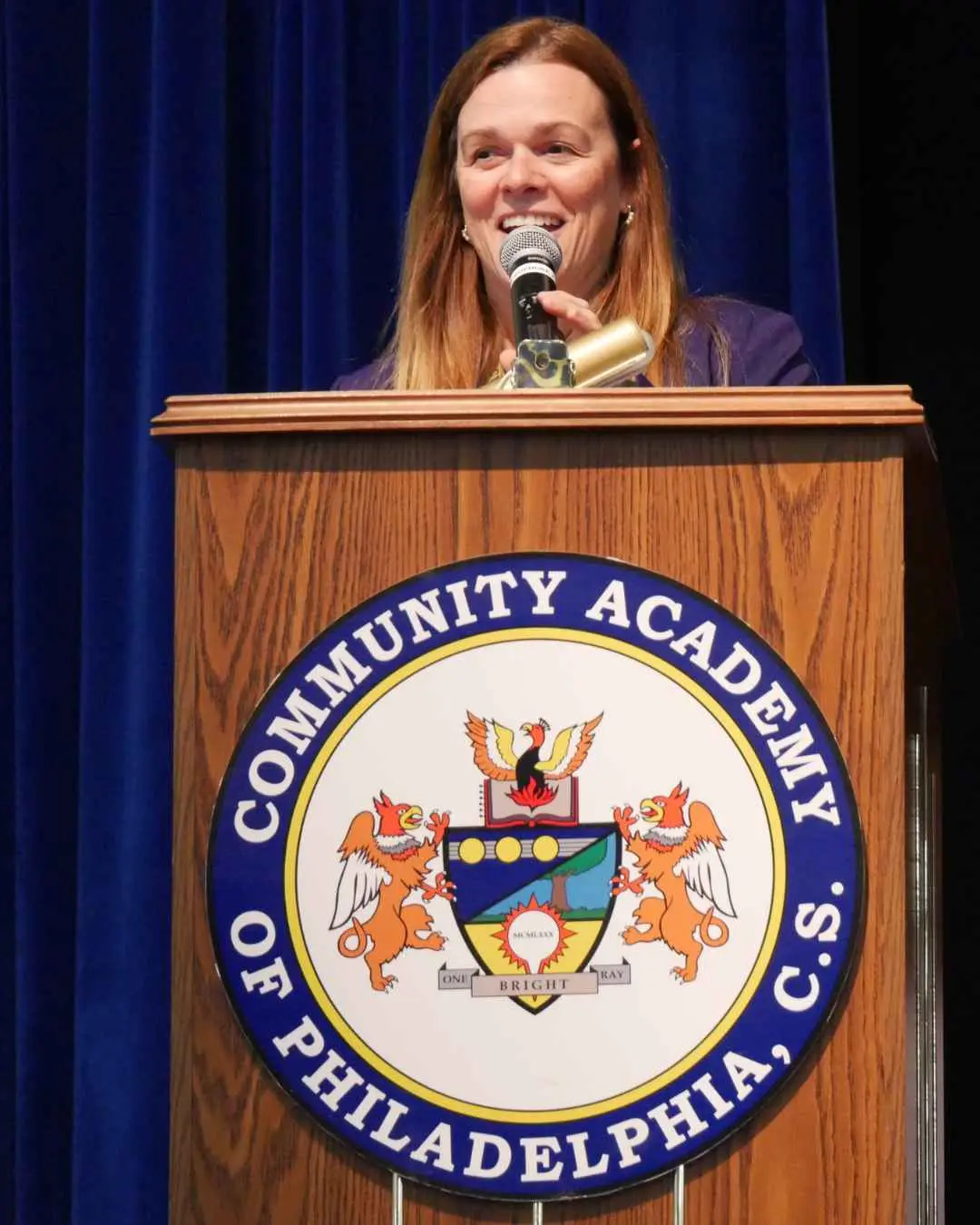
Dr. Alberta O’Brien believes educational programs should be measured by their impact on students’ learning, participation, and well-being. At CAP, she reviews academic results, attendance, behavior, learning progress, and activity participation to identify improvements and areas needing support. She also values feedback from students, teachers, and families to understand what works and what needs to change.
She ensures programs meet the needs of all students, including those receiving special education services and those learning English. By setting goals, tracking results, and adjusting approaches, she helps CAP improve its educational support.
Dr. O’Brien also believes a strong school culture depends on trust, teamwork, and shared responsibility. She encourages open communication, respects teachers’ ideas, and involves them in decisions. By providing clear guidance, resources, and professional support, she helps educators improve their teaching and work together toward every student’s success.
A career dedicated to educational growth and community impact
Dr. Alberta O’Brien’s leadership is shaped by her teaching experience, academic background, research, and commitment to community service. She holds a Doctor of Education (Ed.D.) in Educational Leadership from Gwynedd Mercy University, where she researched the relationship between adverse childhood experiences and standardized test scores among students in Philadelphia’s inner-city communities.
Her professional development has also broadened her understanding of education and leadership. She participated in a summer program at Oxford University focused on the British education system. After becoming CEO, she completed a certificate program at the University of Pennsylvania exploring how neuroscience can inform leadership, decision-making, organizational effectiveness, and personal growth.
Dr. O’Brien remains connected to the wider education community through her affiliations with the Association for Supervision and Curriculum Development, the Pennsylvania Association of School Administrators, and the Pennsylvania Association of Elementary and Secondary School Principals.
She was also recognized by Philadelphia’s Holocaust Awareness Museum and Education Center (HAMEC) for her contributions to Holocaust and genocide education.
Her commitment to service extends beyond CAP. She has served as president of the Huntingdon Valley Activities Association, a member of HAMEC’s Board Education Committee, and vice chair of One Bright Ray, an alternative education program that supports students who are overage and undercredited.

These roles reflect her belief that educational leaders can contribute to their communities beyond the classroom. Through collaboration, community involvement, and a commitment to expanding learning opportunities, Dr. Alberta O’Brien continues to focus on helping students and educators grow.
Ultimately, her work reflects a consistent goal: to create an educational environment where students receive the support they need, teachers can contribute meaningfully, and learning prepares young people for the opportunities and challenges ahead.
Dr. Alberta O’Brien’s 5 impactful business mantras
- Put People First: Understand people’s needs and provide the support they need to grow and succeed.
- Build Trust Through Teamwork: Encourage open communication, respect different ideas, and work together toward shared goals.
- Keep Learning and Improving: Stay open to new ideas, learn from experience, and find better ways to solve problems.
- Turn Challenges into Opportunities: Face difficulties with patience, learn from setbacks, and use them to make positive changes.
- Focus on Meaningful Impact: Measure success by the difference you make in people’s lives, not just by the results you achieve.













