Consumers evaluate companies based on their ability to make payments, not just the products they purchase. Even if your product is flawless, a slow checkout, few options, or security issues can quietly kill conversions. As a result, selecting the right payment method for your business is now a strategic choice rather than a technical decision.
Businesses must rethink how they take payments because digital wallets, real-time payments, BNPL, and AI-driven fraud detection are changing the nature of commerce. It doesn’t matter how customers pay; what matters is whether your company is prepared for their payment methods.
What are the Payment Methods Used for Business?
Commonly used payment methods include credit and debit cards, bank transfers, and cash for local transactions. Digital wallets such as PayPal, Apple Pay, Google Pay, Alipay, and WeChat Pay are widely adopted for their speed and convenience.
Real-time payments like UPI in India, SEPA Instant in Europe, and Faster Payments in the UK enable instant transfers. Many businesses also offer Buy Now, Pay Later (BNPL) options like Klarna and Afterpay. For cross-border trade, international wire transfers and multi-currency platforms such as Wise are popular. These methods help businesses serve diverse customer preferences worldwide.
Here’s How to Choose the Right Payment Method for Your Business:
1. Start with Customer Payment Behavior (Not Assumptions)
Customer preferences in 2026 are shaped by speed, convenience, and trust. Gen Z and millennials prefer instant, mobile-first payments, while enterprise clients may still rely on bank transfers and invoicing.
Use CRM data, checkout analytics, and customer surveys to understand:
- Preferred payment devices (mobile vs desktop)
- One-click checkout expectations
- Demand for subscriptions, EMI, or Buy Now Pay Later (BNPL)
Choosing the right payment method for your business begins with aligning payment options to how your customers already behave, not how you want them to.
2. Match Payment Methods to Your Business Model and Geography
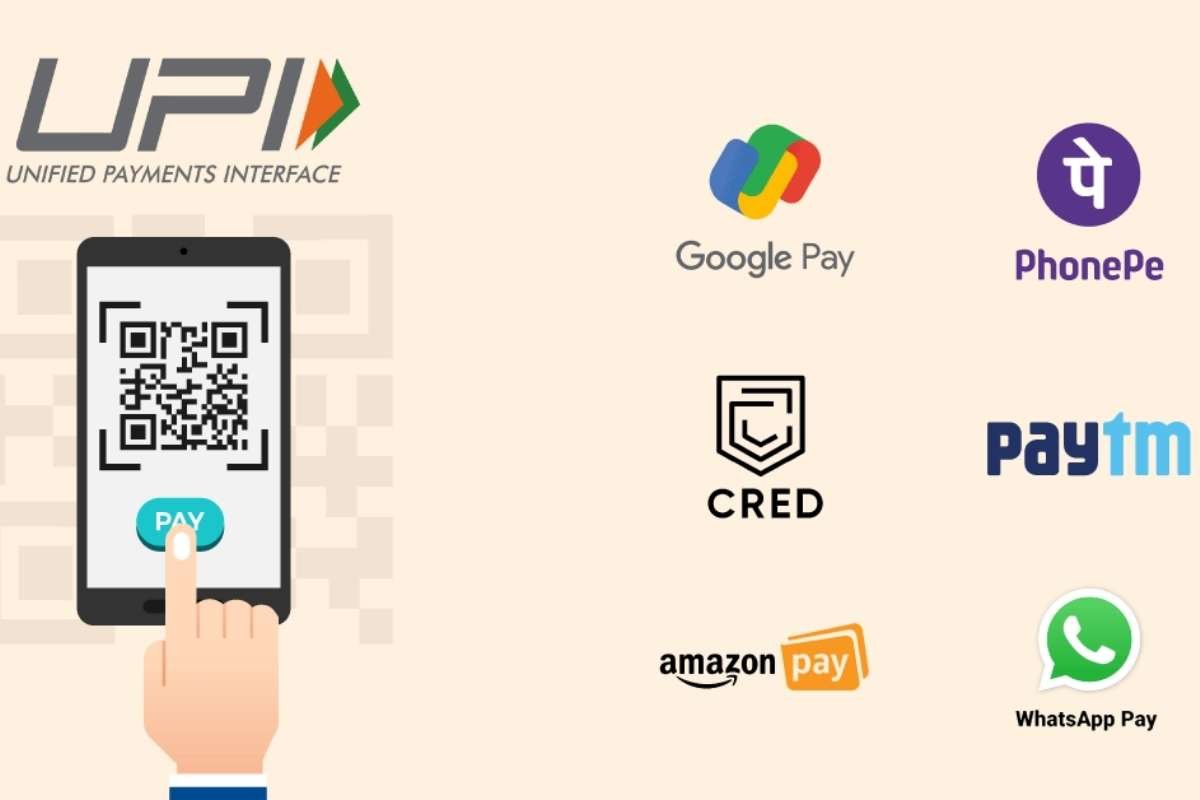
Payment trends are highly regional and industry-specific in 2026:
- India: UPI AutoPay, RuPay credit cards, Paytm, PhonePe, and WhatsApp Pay dominate
- UK & EU: Contactless cards, Apple Pay, Google Pay, Open Banking (Pay by Bank)
- Global eCommerce: PayPal, Stripe, Klarna, Clearpay, Wise
Business type matters just as much:
- High-speed industries (gaming, SaaS, subscriptions): Digital wallets and instant bank payments
- Retail & D2C: BNPL, cards, QR-based POS systems
- B2B businesses: Bank transfers, invoicing, embedded payments
The right payment method for your business depends on where you operate and how you sell.
3. Prioritise Advanced Security & AI Fraud Prevention
In 2026, payment security goes beyond basic encryption. Customers expect businesses to protect their data without adding friction.
Look for payment providers that offer:
- AI-driven fraud detection
- Tokenization and biometric authentication
- PCI DSS Level 1 compliance
- 3D Secure 2.0 and passkey authentication
- Real-time risk scoring
Strong security not only prevents losses, but it also builds trust, which directly impacts repeat purchases.
4. Ensure Mobile-First and Omnichannel Compatibility
Over 75% of digital transactions now happen on mobile or hybrid devices. The right payment method for your business must work seamlessly across:
- Mobile apps
- Websites
- Social commerce (Instagram, WhatsApp)
- In-store POS systems
Unified payment experiences across channels reduce cart abandonment and create brand consistency, something customers now expect by default.
5. Evaluate Costs, Speed, and Settlement Time
In 2026, businesses are more cost-conscious than ever. Beyond transaction fees, consider:
- Settlement speed (instant vs T+2 days)
- Cross-border charges
- Chargeback and dispute handling costs
- Currency conversion fees
Faster settlements improve cash flow, especially for startups and SMEs operating on thin margins.
6. Choose Scalable and Future-Ready Payment Solutions
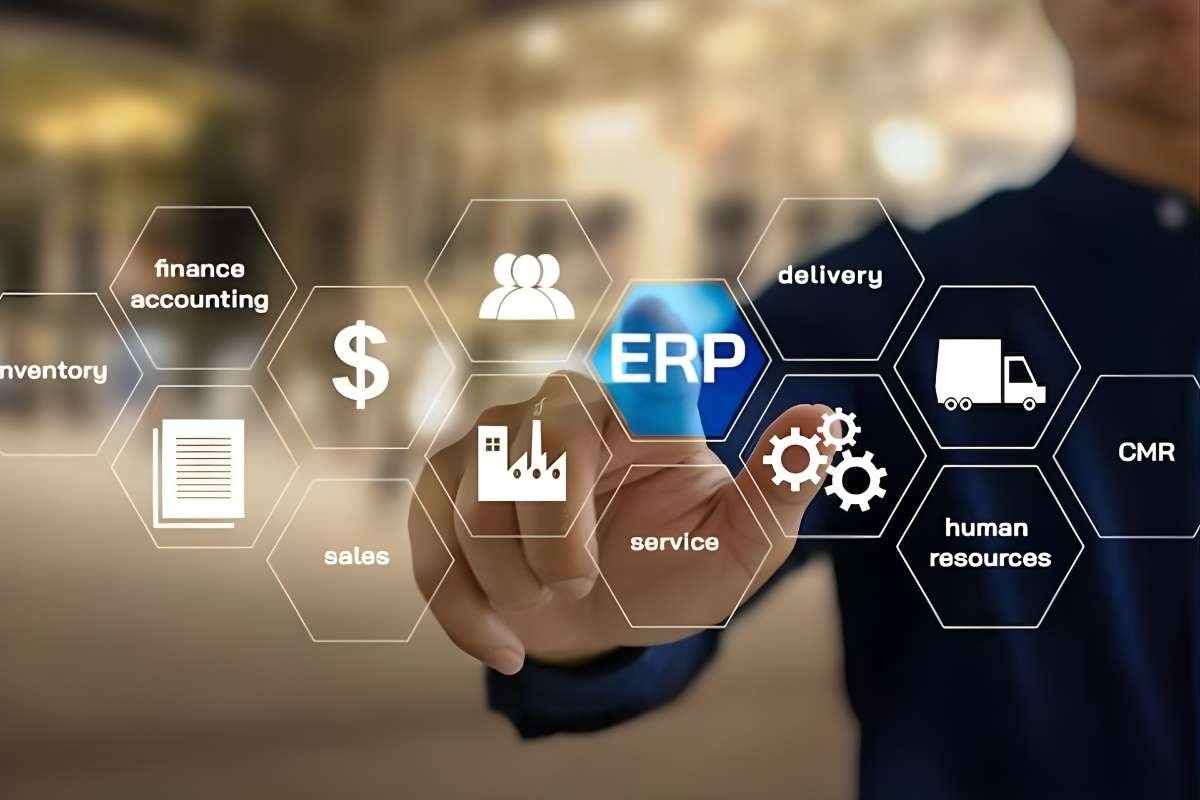
Your business may be small today, but growth demands flexibility. Scalable payment systems allow you to:
- Add new payment methods easily
- Expand into new countries
- Support subscriptions, recurring billing, or marketplaces
- Integrate with accounting, ERP, and CRM tools
Choosing the right payment method for your business in 2026 means preparing not just for today’s transactions, but tomorrow’s opportunities.
Why Does it Matter to Choose the Right Payment Method for Your Business?
Choosing the right payment method for your business matters because it directly impacts sales, customer trust, and operational efficiency. Customers expect fast, familiar, and secure ways to pay. If their preferred option isn’t available, they’re more likely to abandon the purchase. The right payment setup also improves cash flow through faster settlements and reduces costs linked to chargebacks, fraud, and failed transactions.
From a business perspective, suitable payment methods streamline accounting, support scalability, and enable expansion into new markets. They also improve security by protecting sensitive customer data and meeting global compliance standards. In a competitive, digital-first economy, payment convenience is part of the customer experience. When paying feels effortless and safe, customers are more likely to convert, return, and trust your brand, making payment choices a strategic growth decision, not just a technical one.
Conclusion
Payments are now a front-line customer experience rather than a backend function in a digital-first economy. Choosing the right payment method for your business can increase conversions, foster trust, enhance cash flow, and prepare your business for the future.
Businesses in 2026 can turn payment choices into a potent competitive advantage by comprehending customer preferences, adopting safe and mobile-first solutions, and making scalability plans. Because purchasing becomes inevitable when paying seems simple.
FAQ:
1. What are the most common payment methods used by businesses today?
Businesses worldwide commonly use credit and debit cards, bank transfers, digital wallets, real-time payments, and Buy Now, Pay Later (BNPL) options. The right mix depends on customer location, device usage, and purchasing behavior.
2. Are digital wallets safe for business transactions?
Yes, reputable digital wallets use advanced encryption, tokenization, and biometric authentication. When combined with PCI DSS compliance and fraud monitoring, they are among the safest payment options available.
3. How often should businesses review their payment methods?
Businesses should review payment methods at least once a year or when expanding into new markets, launching new products, or seeing changes in customer behavior.