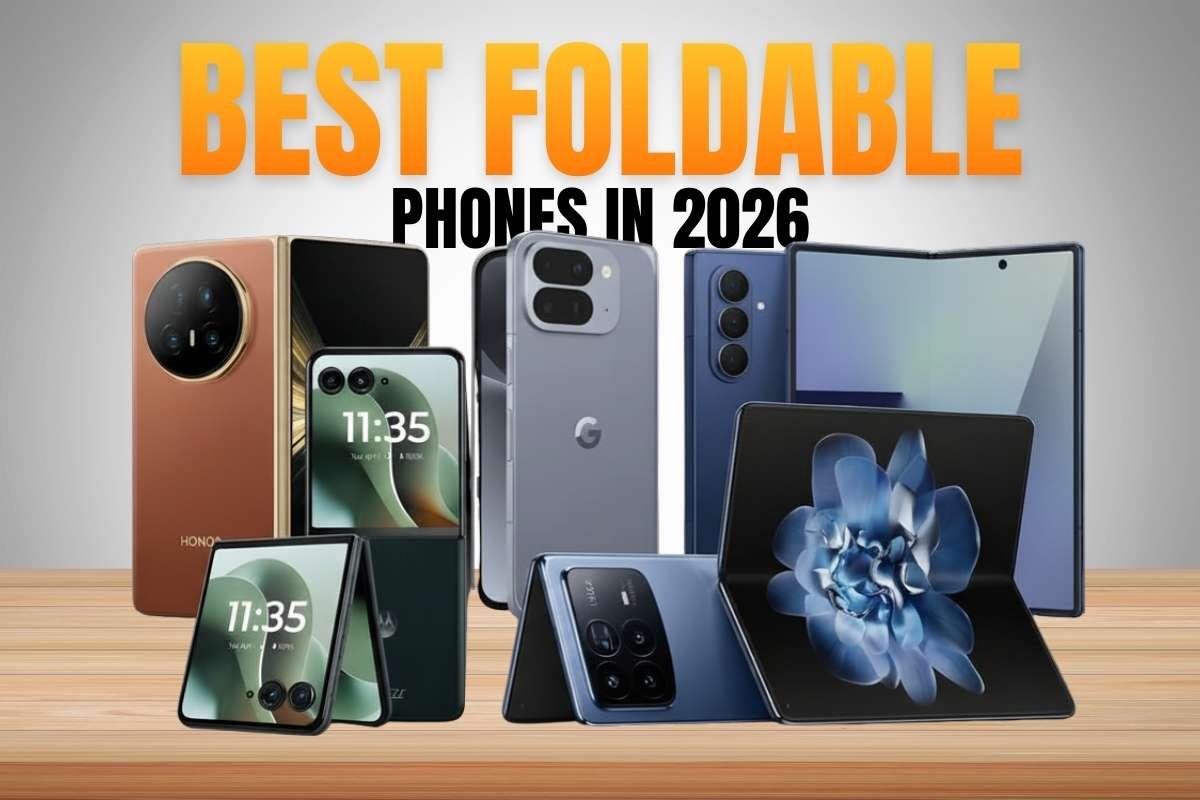
Take a moment and imagine your phone doing something most phones can’t. You open it like a book, and suddenly the screen becomes twice as large. Watching videos feels more immersive, reading becomes easier, and multitasking actually feels comfortable instead of cramped on a tiny display. That’s the experience foldable phones are trying to deliver.
The best foldable phones combine innovative design with powerful smartphone features, giving you the flexibility of a compact device and the convenience of a larger screen in one gadget. From sleek flip phones that fold neatly into your pocket to larger models that unfold into tablet-like displays, these devices are changing the way people think about smartphones. As technology improves and more brands enter the market, foldable phones are quickly becoming one of the most exciting trends in modern mobile technology.
While comprehensive information on current and upcoming smartphones can be found at NextGenPhone, here we are going to explore the evolution, advantages, challenges, and potential future of foldable phones.
The Evolution of Foldable Phones
The idea of a smartphone that folds in half is not novel. In reality, the concept dates back to the early 2000s, when flip phones were popular. The clamshell form of these phones allowed users to fold the phone in half to answer calls or cover the screen. These early designs eventually influenced the development of the best foldable phones we see in today’s smartphone market.
Samsung debuted the Galaxy Fold in 2019, marking the first major advancement in foldable phone technology. This gadget had a flexible display that could fold in half, thereby transforming a smartphone into a small tablet. While there were significant technical challenges with the original release, it signaled the start of a new era in smartphone design.
The 5 Best Foldable Phones in 2026
Foldable phones have improved significantly in recent years, with major smartphone brands investing heavily in flexible display technology. Several devices released in 2026 showcase how far foldable smartphones have come in terms of performance, durability, and design. Below are five of the best foldable phones currently available in the market.
We have ranked them based on quality, processing performance, battery life, and durability.
1. Samsung Galaxy Z Fold7 5G
Key Specs:
- Inner Display: 8-inch Dynamic AMOLED 2X, 120Hz
- Cover Display: 6.5-inch AMOLED, 120Hz
- Processor: Snapdragon 8 Elite
- RAM: 12GB / 16GB
- Storage: 256GB / 512GB / 1TB
The Samsung Galaxy Z Fold7 is widely considered one of the most refined foldable phones available today. It features a large tablet-style inner display that provides an excellent experience for multitasking, gaming, and media consumption.
Samsung has improved the hinge design and reduced the thickness compared to earlier models, making the device more comfortable to use as a regular smartphone. With powerful hardware and strong software optimization, it remains a leading choice among premium foldables.
2. Google Pixel 10 Pro Fold
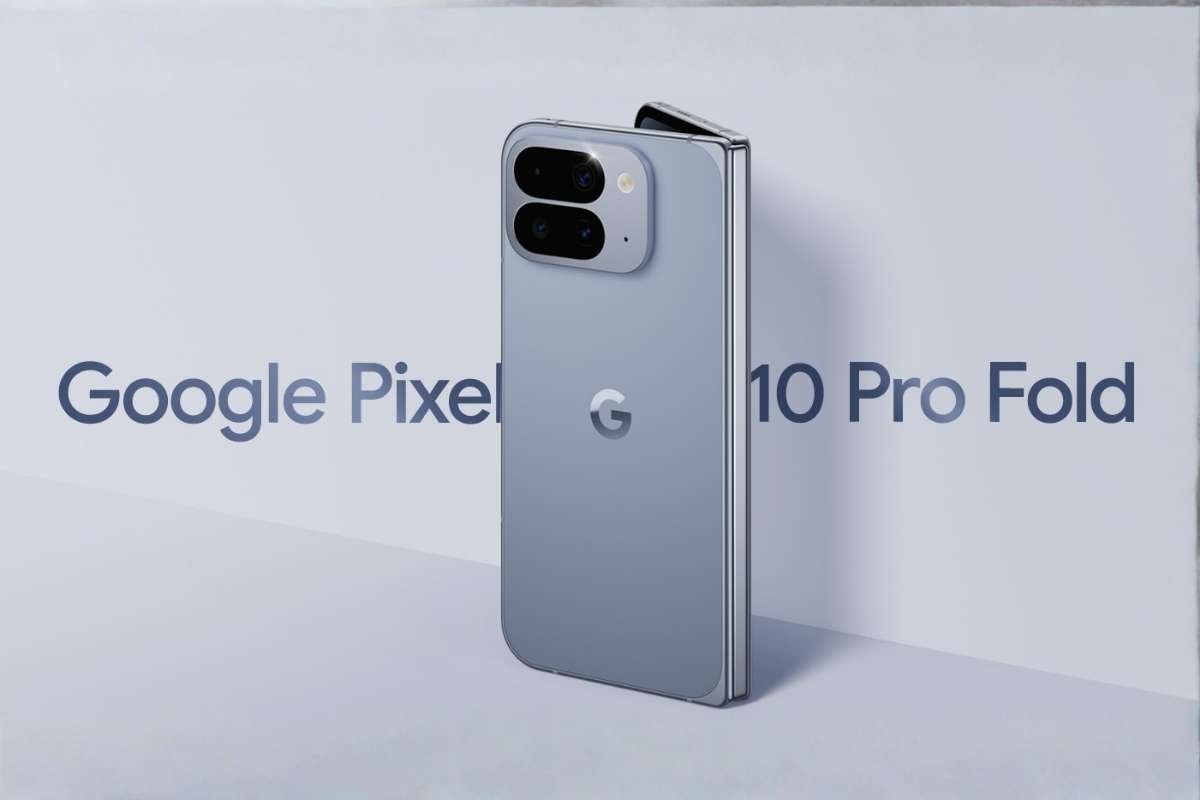
Key Specs:
- Inner Display: 8-inch OLED foldable display, 120Hz
- Cover Display: 6.4-inch OLED display
- Processor: Google Tensor G5
- RAM: 16GB
- Storage: 256GB / 512GB / 1TB
Google’s Pixel foldable focuses heavily on software and AI-powered features, helping it compete with the best foldable phones currently on the market. The device runs on the Tensor G5 processor, which is optimized for machine learning tasks and efficient performance.
The phone also offers advanced camera features powered by Google’s computational photography and a clean Android experience designed for foldable screens.
3. OnePlus Open
Key Specs:
- Inner Display: 7.8-inch AMOLED display, 120Hz
- Cover Display: 6.3-inch AMOLED display
- Processor: Snapdragon 8 Gen 2
- RAM: 16GB
- Storage: 512GB / 1TB
The OnePlus Open has gained attention for its sleek design and strong performance. It offers a bright foldable display and powerful flagship-level hardware, making it suitable for both entertainment and productivity.
OnePlus also focused on improving multitasking features, allowing users to run multiple apps at once with ease.
4. Samsung Galaxy Z Flip6 5G
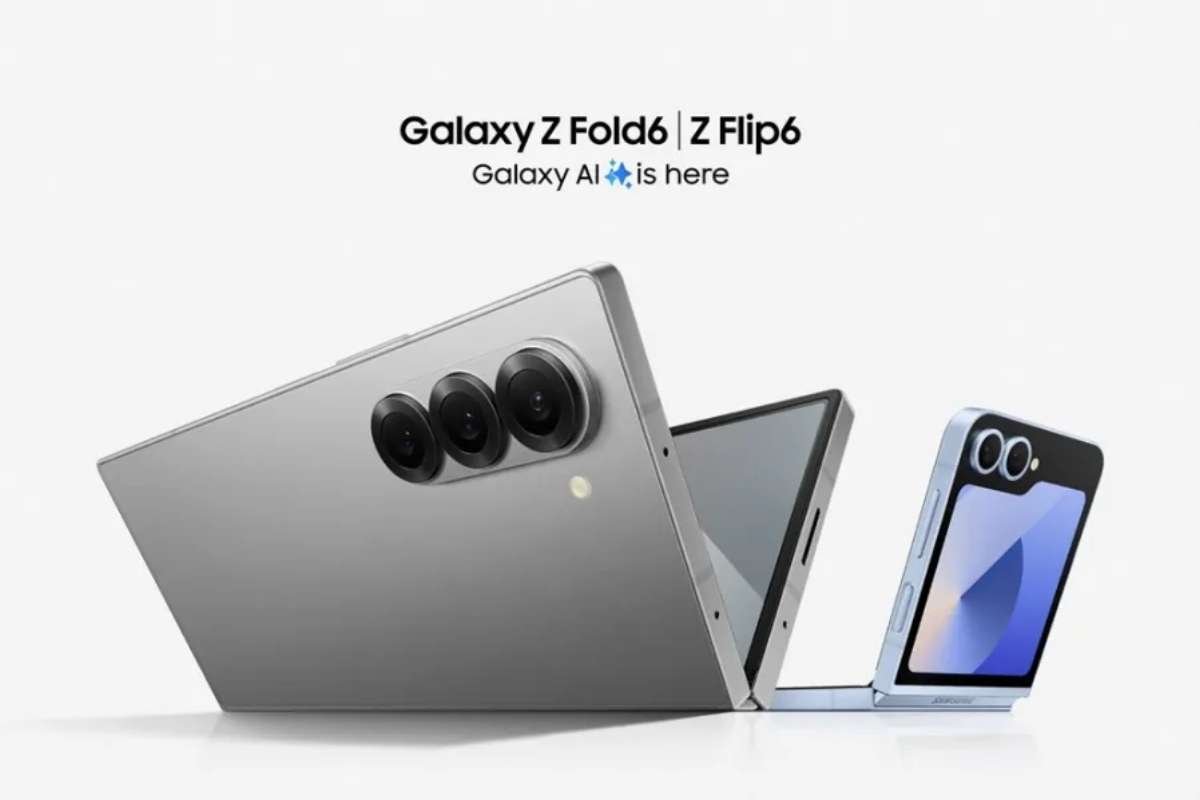
Key Specs:
- Main Display: 6.7-inch AMOLED display, 120Hz
- Cover Display: 3.4-inch AMOLED display
- Processor: Snapdragon 8 Elite
- RAM: 12GB
- Storage: 256GB / 512GB
For users who prefer a compact foldable design, the Samsung Galaxy Z Flip6 offers a flip-style form factor that folds vertically. When closed, the device becomes small and pocket-friendly, while the main display expands into a full-sized smartphone screen when opened.
Like many of the best foldable phones, it features a powerful processor and an improved outer screen that allows quick access to notifications, widgets, and apps.
5. Huawei Mate X5
Key Specs:
- Inner Display: 7.85-inch OLED foldable display
- Cover Display: 6.4-inch OLED display
- Processor: Kirin 9010 / 9100
- RAM: 12GB / 16GB
- Storage: 256GB / 512GB / 1TB
The Huawei Mate X5 is another premium foldable phone known for its elegant outward folding design. The device delivers a seamless display experience and strong camera performance.
Huawei has also improved durability and hinge engineering, making the device feel more solid compared to earlier foldable models.
What are the Advantages of Foldable Phones?
Foldable smartphones have a number of characteristics that make them a fascinating possibility for the future of smartphones.
1. Expanded Screen
The most noticeable advantage of foldable phones is the additional screen they provide when unfolded. One reason the best foldable phones stand out is the additional screen space they provide when unfolded. Users can use a small phone for daily chores and then unfold it to reveal a tablet-sized screen for multimedia consumption, gaming, or work.
2. Enhanced Multitasking
Additionally, foldable phone designs allow for improved multitasking capabilities. With the wider display, users can run multiple applications side by side, making it simpler to manage work and be more productive.
3. Improved Portability
Foldable phones strike a balance between accessibility and screen size. When folded, they may easily fit in a pocket or purse, and their small size makes them ideal for on-the-go usage.
4. Innovative Use Cases
The foldable nature of screens has encouraged creativity in app development because of their adaptability. Some applications are purpose-built to make use of the foldable form factor, offering new experiences that regular smartphones cannot.
5. Longevity
Because of their robustness, foldable phones may have a longer lifetime. The flexible screens are built to survive thousands of folds, which might reduce the need for periodic updates.
6. Challenges and Hurdles
While foldable phones show potential, they also confront significant hurdles that must be overcome before they can become the smartphones of the future.
7. Durability
Foldable screens are prone to deterioration over time. The wrinkle where the screen folds might cause problems, and the general durability of these gadgets is a concern.
8. High Price Tag
Foldable phones are currently expensive, placing them out of reach for many consumers. As technology matures and production costs decrease, this issue may become less prominent.
9. Weight and Thickness
Foldable phones are often heavier and thicker than standard smartphones. Because of this, the user’s comfort and portability might be compromised.
10. App Optimisation
While some apps have embraced foldable phone features, many others are not optimised for these devices, leading to inconsistent user experiences.
11. Battery Life
The bigger displays of foldable phones need more power, which might result in a fast battery drain. Indeed, efficient power management is critical for these gadgets to become popular.
The Future of Foldable Phones
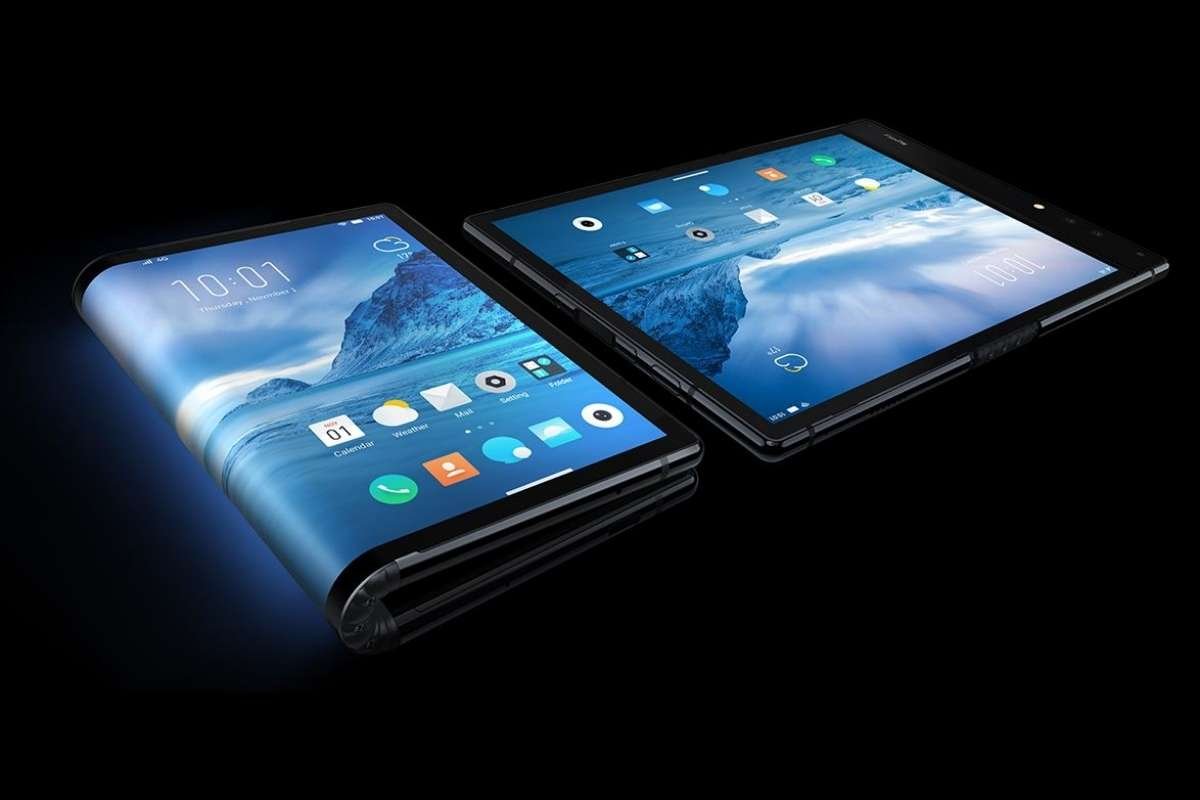
Foldable phones are undeniably a step forward in smartphone innovation, but their success is dependent on overcoming the hurdles described above and capitalising on their benefits. Here are some possible future possibilities for foldable phones:
1. Mainstream Adoption
Foldable phones might become popular if makers can overcome challenges such as durability, pricing, and battery life. As manufacturing prices fall, these gadgets may become more accessible to a wider variety of users. If this happens, the best foldable phones could eventually become as common as traditional smartphones.
2. Specialized Use Cases
Foldable smartphones can find a market for themselves in some specialised use cases. Professionals who want a bigger screen for mobile productivity or gamers searching for a new gaming experience, for example, might be major target customers.
3. Hybrid Devices
It’s possible that other cutting-edge technologies, including augmented reality (AR) and virtual reality (VR), might one day combine with foldable smartphones. A foldable phone might be a multipurpose platform for immersive experiences.
4. Eco-Friendly Options
As worries about electronic waste rise, manufacturers may invest in developing more sustainable foldable phone designs, prolonging the lifetime of these gadgets, and making them more ecologically friendly.
5. Competition and Innovation
Competition will spur innovation as more businesses join the foldable phone market. This might lead to design, durability, and affordability advancements.
Conclusion:
Foldable phones have introduced a new way to experience smartphones. Instead of choosing between portability and a large display, these devices offer both in a single design. As technology continues to improve, the best foldable phones are becoming more durable, powerful, and practical for everyday use.
If you enjoy trying new technology or want a device that offers more flexibility for entertainment, productivity, and multitasking, foldable phones can be an exciting option. With more brands investing in this category, the future of foldable smartphones looks promising and full of innovation.
FAQs
1. What are the best foldable phones available today?
Some of them come from brands like Samsung, Google, OnePlus, and Vivo, offering different designs and features to suit various needs.
2. Are foldable phones better than regular smartphones?
Foldable phones offer a unique experience with larger screens and flexible designs, but whether they are better depends on personal preference and usage needs.
3. Are the best foldable phones durable?
Yes. Modern foldable phones are built with stronger hinges, flexible displays, and improved materials to handle daily use.