Fires, power outages, or sudden evacuations can happen without warning, and when they do, many businesses discover that their carefully written safety plans overlook one critical factor: accessibility. For employees, clients, or visitors with mobility challenges, a plan that looks good on paper can quickly fail in practice.
Accessibility in emergencies is not just a matter of compliance. It is a matter of responsibility, reputation, and in some cases, survival.
Thinking ADA or AODA Compliance Is Enough
Too many organizations assume that because their buildings meet accessibility codes, their emergency plans must also be covered. The truth is that compliance standards like ADA or AODA often focus on everyday accessibility, not crisis response. A wheelchair ramp is essential, but it does little when an elevator shuts down during a fire.
Real accessibility means considering how every individual can safely evacuate when standard options are unavailable. That requires proactive planning and investment in specialized solutions.
Forgetting That Emergencies Are Human, Not Just Logistical
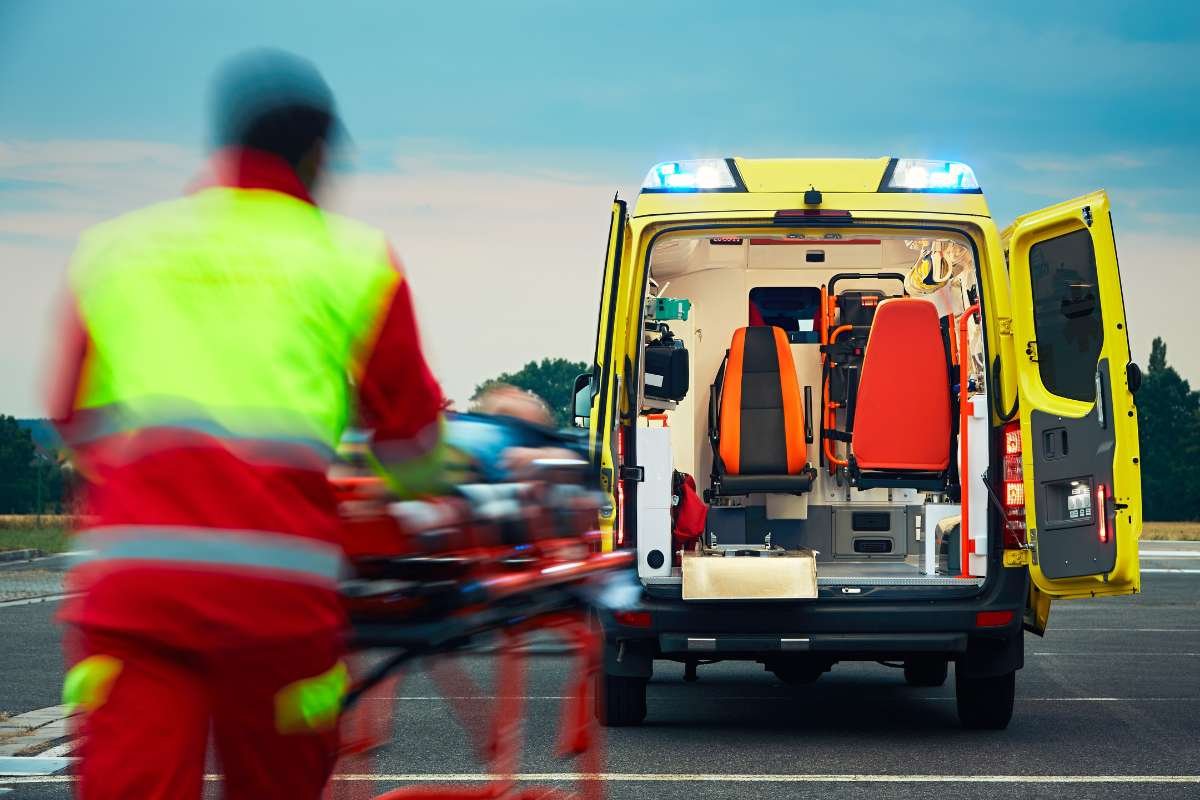
Emergency manuals often read like checklists: exit routes, alarm systems, fire drills. What they forget is the human side of these situations. People with mobility limitations face not only physical challenges but emotional ones too. Panic spreads quickly in a crisis, and without clear procedures or equipment in place, individuals may feel trapped or abandoned.
Businesses that prioritize empathy alongside logistics design plans that are realistic, supportive, and more likely to succeed under stress. Accessibility in emergencies is not just a technical problem to solve. It is a commitment to the dignity and safety of every person in the building.
According to the U.S. Department of Justice’s ADA guidance on emergency planning, emergency alerts must be both visual and audible, and transportation and shelters must be accessible to people with disabilities.
Overlooking the Right Equipment
Many companies still believe that staff can simply carry someone in a wheelchair down the stairs. This approach is unsafe for both the person being carried and the employees attempting it. It risks injury, delays the evacuation, and in some cases, makes the situation worse.
The better solution is purpose-built evacuation tools. For example, evacuation chairs for stairs are specifically designed to allow safe, efficient transport of individuals down multiple flights quickly, with minimal strain on coworkers. They are not just equipment; they are confidence builders for everyone involved.
When employees know the right tools are available and understand how to use them, emergency response becomes safer, faster, and less chaotic.
Assuming Training Is Optional

Even the best equipment is useless if nobody knows how to operate it. Far too often, evacuation chairs or other accessible tools are purchased, then tucked away in a corner and forgotten. During a drill or real emergency, that oversight can become catastrophic.
Training is not optional. Staff need regular, hands-on experience with accessible evacuation procedures. This builds muscle memory, reduces hesitation, and helps everyone feel confident about their role when seconds count.
Neglecting Visitors and Clients
Accessibility planning often focuses on employees, but emergencies do not discriminate. Clients, customers, and visitors are just as likely to be in your building when disaster strikes, and many of them may have needs you cannot predict in advance.
An accessible emergency plan accounts for everyone, not just full-time staff. That includes making sure signage is clear, instructions are simple, and assistance is available for people who may not be familiar with the building layout.
Treating Accessibility as an Afterthought
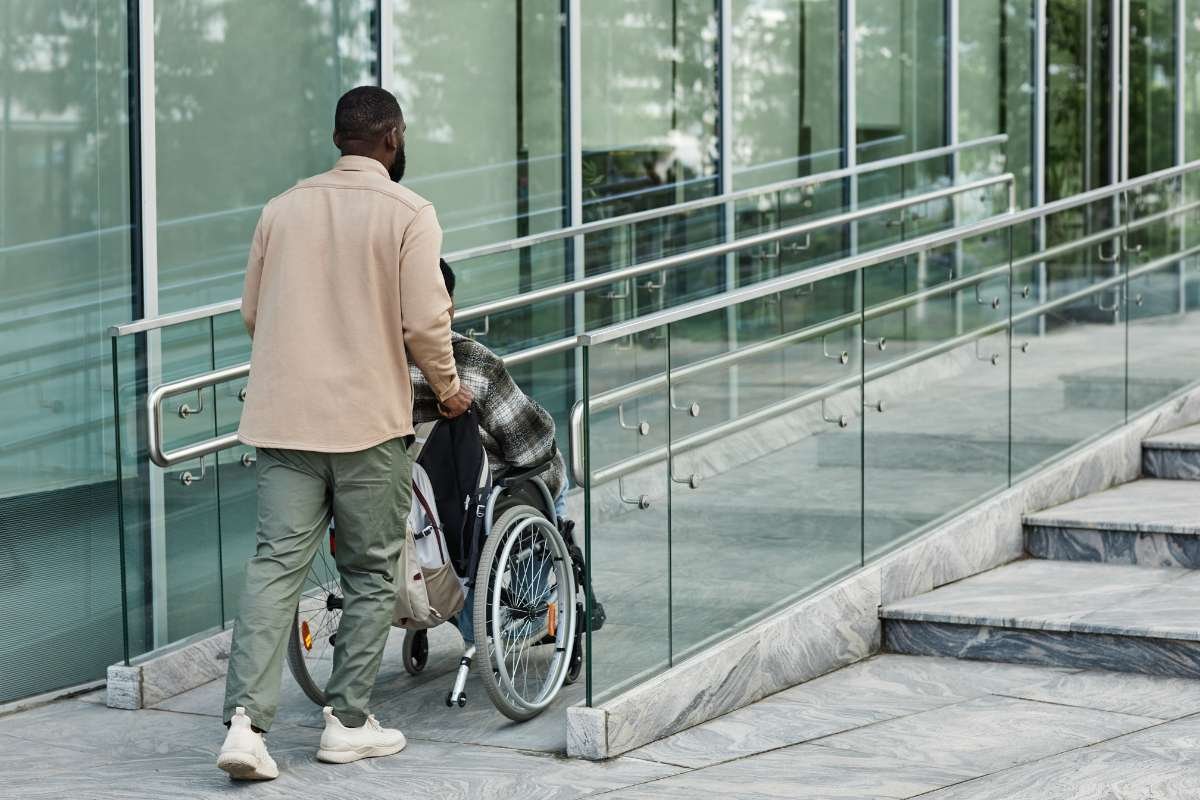
The biggest mistake businesses make is waiting until something goes wrong to realize their plan was incomplete. Accessibility in emergencies is often treated as a box to check, rather than a core part of business continuity and employee safety.
The reality is simple: ignoring accessibility exposes organizations to liability, damages trust, and puts lives at risk. By building accessibility into emergency planning from the beginning, businesses not only protect people but also protect their own credibility.
The interagency Guide for Developing High-Quality School Emergency Operations Plans issued jointly by the U.S. Departments of Education, Justice, Homeland Security, and Health and Human Services, lays out a six-step planning process that includes site assessments, functional annexes (such as evacuation), and inclusive strategies to ensure people with disabilities are accounted for in an emergency plan. A similar plan to this can be embraced by organizations in various parts of the world.
Building a Culture of Safety for All
Accessibility in emergencies is not just about devices or drills. It is about creating a culture where safety truly includes everyone. That culture requires leadership buy-in, regular reviews of procedures, clear communication, and a willingness to invest in the right solutions.
When businesses stop getting accessibility wrong, they do more than meet regulations. They show employees, clients, and the wider community that safety is not selective. It belongs to everyone.