Key Takeaway:
- The Airbus deal is aimed at improving fuel efficiency, reducing costs, and optimizing routes, not just expanding fleet size.
- AirAsia’s massive order signals strong confidence in future demand for affordable regional air travel.
- The record A220 order gives Airbus a major boost in the competitive regional aircraft market.
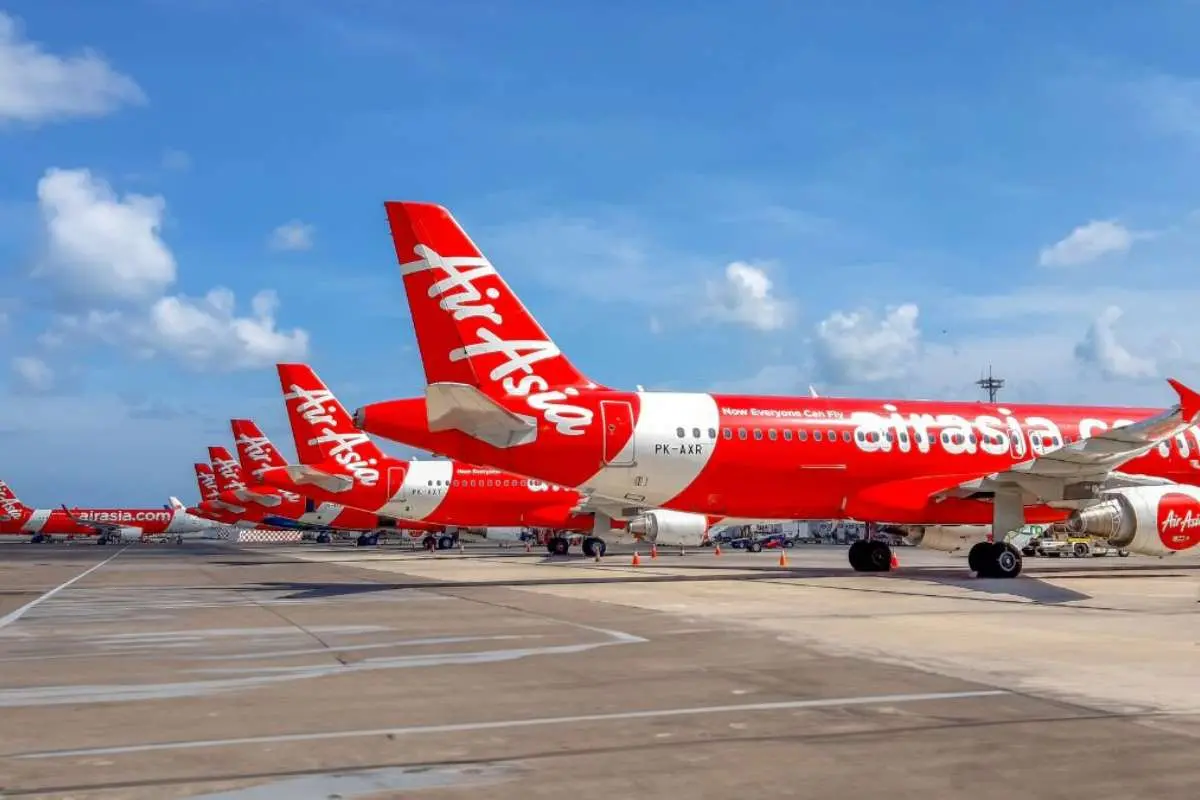
AirAsia has unveiled one of the largest aircraft agreements in its history, placing an order for 150 Airbus A220 jets as the airline pushes ahead with a major long-term transformation strategy. The deal, valued at nearly $19 billion based on list prices, also includes options for an additional 150 aircraft, signaling AirAsia’s confidence in the future of affordable air travel across Asia. The massive AirAsia airbus order also reflects the airline’s renewed focus on expansion and fleet modernization.
The order marks a significant milestone for both AirAsia and Airbus. Deliveries of the aircraft are expected to begin in 2028, with AirAsia becoming one of the key customers for the next generation of fuel-efficient regional jets. The airline is also expected to introduce a new 160-seat configuration for the A220, allowing it to improve passenger capacity while maintaining lower operating costs.
The Airbus A220 has become increasingly popular among airlines due to its fuel efficiency, lower emissions, and flexibility on short- and medium-haul routes. For AirAsia, the aircraft is expected to support expansion into underserved destinations and strengthen regional connectivity across Southeast Asia and beyond. Industry observers say the AirAsia airbus order could reshape competition in the regional low-cost aviation market.
Industry analysts believe the move reflects a broader trend within global aviation, where airlines are investing heavily in modern fleets to improve efficiency and profitability. Rising fuel costs, economic uncertainty, and growing environmental concerns have made next-generation aircraft a major priority for carriers worldwide.
Tony Fernandes Shifts Focus Toward Sustainable Growth
AirAsia Group CEO Tony Fernandes described the deal as part of a broader effort to optimize the airline’s business model rather than simply increase its fleet size. According to Fernandes, the company is focusing on operational efficiency, smarter route planning, and long-term sustainability as it prepares for the next stage of growth.
The airline has spent recent years recovering from the severe financial impact caused by the pandemic, which disrupted global travel and forced airlines around the world into restructuring efforts. AirAsia’s parent company, Capital A, has been working to stabilize operations through refinancing initiatives and strategic cost management.
Despite those challenges, Fernandes has continued to pursue expansion opportunities while investing in digital platforms, travel services, and logistics businesses linked to the broader AirAsia ecosystem. The company has gradually evolved beyond being just an airline, building a larger travel and lifestyle platform aimed at increasing customer engagement and diversifying revenue sources. The scale of the AirAsia airbus order demonstrates how aggressively the company is preparing for long-term regional growth.
The newly ordered A220 aircraft are expected to give AirAsia greater flexibility in managing routes that may not require larger Airbus A320-family aircraft currently used across much of its network. This could help the airline connect smaller cities and emerging tourism markets more efficiently while reducing operational risk.
Fernandes has also hinted at exploring additional aviation ventures in the future, reinforcing his belief that demand for low-cost travel in Asia will continue growing rapidly over the coming years. With Asia-Pacific remaining one of the fastest-growing aviation markets globally, AirAsia appears determined to position itself at the center of that expansion.
Airbus Strengthens Position in Competitive Aircraft Market
For Airbus, the AirAsia agreement represents a major boost for the A220 program, which continues gaining traction among airlines looking for smaller and more economical aircraft. The manufacturer has been working to expand production and improve profitability for the A220 since acquiring the program from Bombardier several years ago. Analysts believe the AirAsia airbus order further strengthens Airbus’ position in the competitive regional aircraft market.
The deal could also accelerate Airbus’ plans for a larger A220-500 variant, an aircraft that is expected to carry more passengers while maintaining the fuel-saving advantages of the current model. AirAsia’s interest in the expanded version may provide Airbus with additional confidence to move forward with development.
The aviation industry is currently undergoing a major fleet modernization cycle as airlines attempt to balance operational efficiency with sustainability goals. Many carriers are replacing older aircraft with newer models that consume less fuel, generate lower emissions, and offer improved economics for regional operations. Experts believe the AirAsia airbus order highlights how budget carriers are adapting to these changing industry dynamics.
AirAsia’s order highlights how low-cost airlines are evolving in response to changing market conditions. Instead of focusing purely on rapid expansion, carriers are increasingly prioritizing smarter growth strategies built around efficiency, flexibility, and long-term profitability.
The Airbus deal also sends a strong message about AirAsia’s ambitions after years of uncertainty in the aviation sector. By committing to a large-scale fleet upgrade, the airline is signaling confidence in the recovery of air travel demand and the continued rise of budget aviation across Asia.
As competition intensifies among airlines in the region, AirAsia’s record-breaking aircraft order could become one of the defining business moves in modern Asian aviation, shaping the future of low-cost travel for years to come.