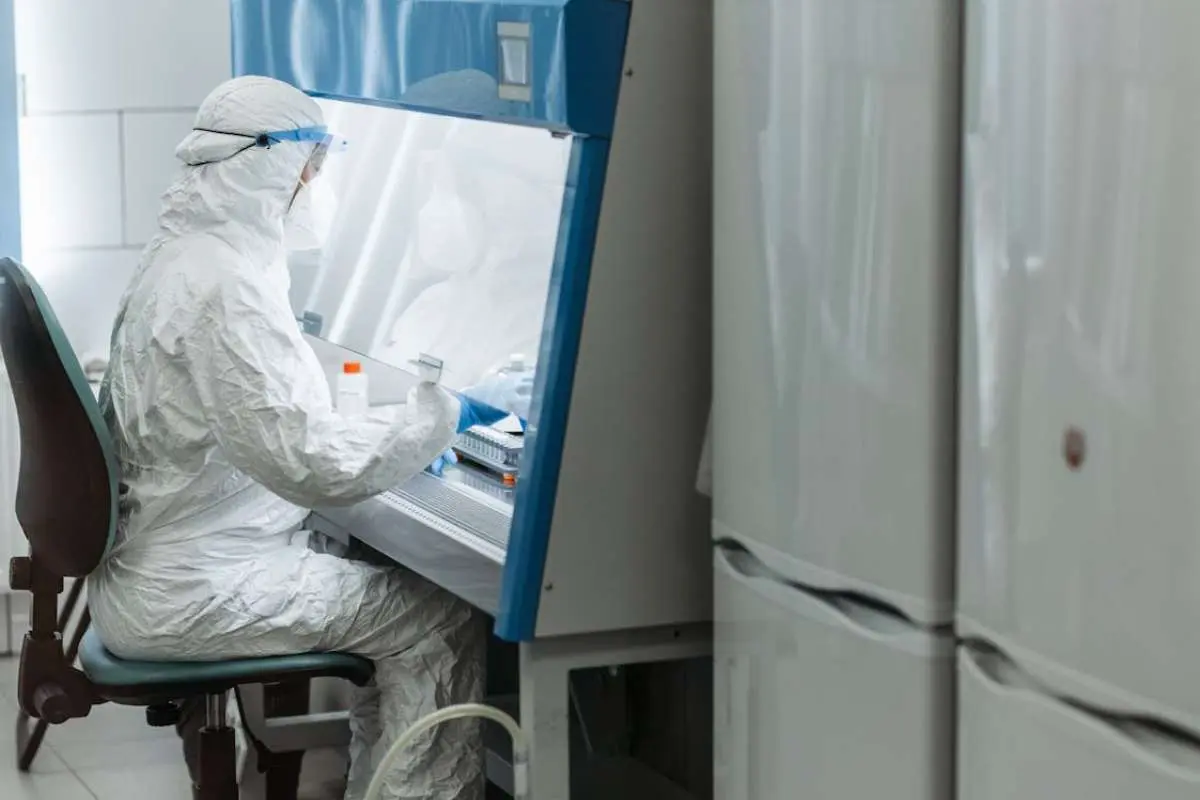
Within small biotech firms, funding, staffing, speed, and clinical/product milestones are topics of discussion. Airflow rarely gets the same attention. It feels like a technical background issue, something handled by the facility team after the main business decisions are made. Yet in a small lab, air quality, containment, and daily workflow can quietly shape productivity, risk, and even investor confidence.
When a team begins working with sensitive biological materials, choosing the right biosafety cabinet for biotech startups becomes a vital part of business planning. Opting for reliable equipment from a specialist brand like Top Air Systems ensures that lab infrastructure supports safer routines, cleaner results, and fewer avoidable interruptions. This decision may look technical, but it has a direct link to cost control, operational stability, and overall investor confidence.
Why airflow belongs in business planning?
Every lab has hidden friction. A researcher waits for a safe workspace. A sample gets delayed because the cabinet is occupied. A procedure takes longer because the room layout forces people to move awkwardly between storage, prep, and disposal areas. These small delays are easy to ignore for a week, then expensive over a year.
Clean air equipment helps create structure. It gives the team a controlled space for work that needs protection from contamination and exposure. For biotech startups, diagnostics labs, university spinouts, and small research companies, this structure matters because resources are limited. One spoiled batch, one contaminated culture, or one interrupted experiment can cost more than a careful planning session.
There is also a reputational side. External partners, auditors, grant funders, and other clients typically pick up on lab organization. This doesn’t always involve pointing out each technical issue; rather, it means feeling whether safety and process management matter to the lab team. A clean, logical lab setup tells a quiet story: this team understands risk.
The cost of poor containment habits

Many small labs grow step by step. First there is one room, then a shared space, then a second workstation, then more staff. Growth feels positive, although it can create messy habits. People begin adapting procedures to the space they have, even when that space no longer fits the work.
The common problems are often simple:
- Researchers share one protected workspace for too many tasks
- Storage is placed too far from the working zone
- Waste paths cross with clean preparation areas
- Staff rely on personal habits rather than clear workflows
- Maintenance schedules are remembered only when something goes wrong
None of these issues looks dramatic on a normal day. The trouble appears when the lab gets busier. More samples, more deadlines, more people, and more handoffs increase the chance of mistakes. At that point, equipment alone cannot fix everything, although choosing the right biosafety cabinet for biotech startups makes safe routines much easier to follow.
This is where managers need to think like operators. A biosafety cabinet is just one aspect within a bigger process. What the cabinet is used for, who will use it, its frequency of certification, and the cabinet’s place within the cleaning schedule, among other considerations, affect the end result.
Questions to Ask Before Approval
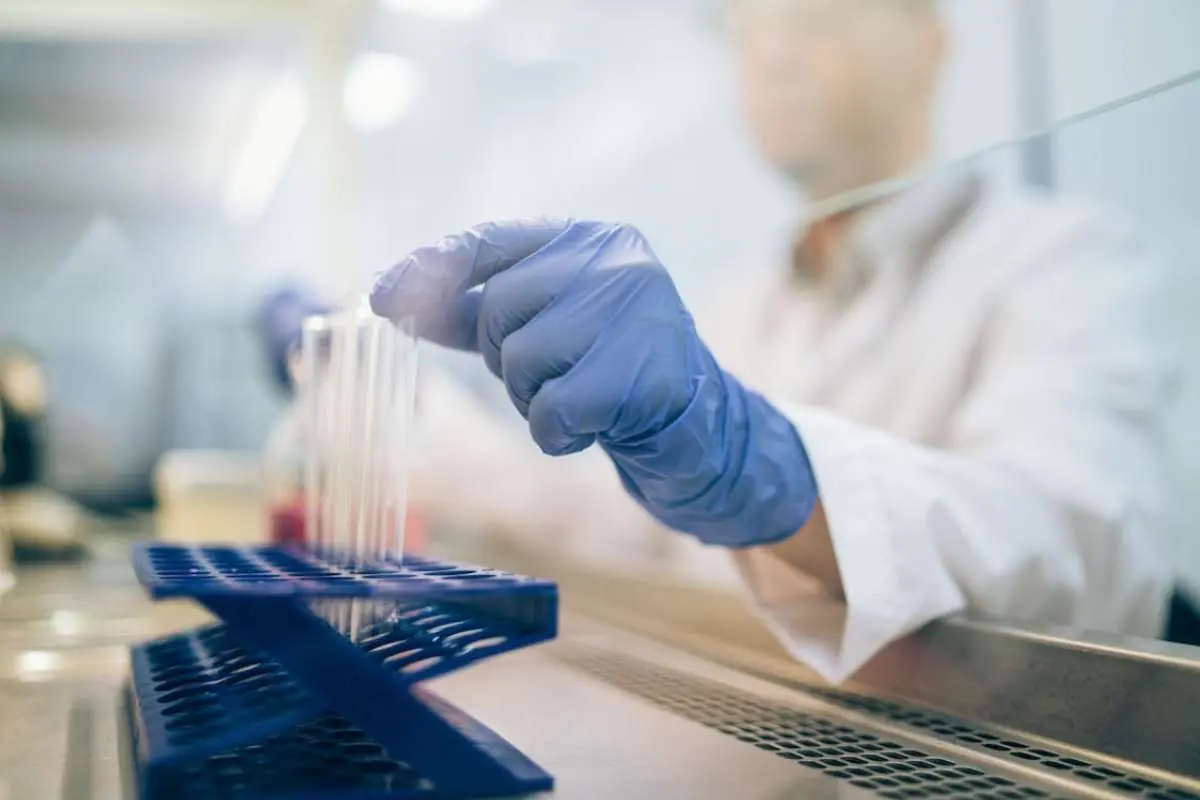
Buying lab equipment should involve scientists, safety officers, finance teams, and the people who actually work at the bench. There’s no point in purchasing a perfectly good cabinet that will cause problems within your lab routine. Here are some things a manager could ask before deciding to acquire one.
First, do we need the cabinet to be under negative or positive pressure? Sample preparation, cell culture, microbiology, and research handling can have different requirements. The team should define the real use case instead of choosing equipment based only on general category names.
Second, how many people will depend on it each day? A growing team may need more capacity than the current workload suggests. Planning only for today can create a bottleneck six months later.
Third, how does the cabinet fit into the room? Airflow, doors, foot traffic, nearby equipment, and cleaning access all matter. A technically good cabinet placed badly can still create workflow stress.
Fourth, what are my options regarding calibration and certification services and availability? A lab that depends on controlled environments needs equipment support that feels predictable.
Finally, how will staff be trained? Safe equipment still requires careful use. Simple, repeated training often gives better results than a long document nobody reads after onboarding.
Clean air as a scale-up signal
As biotech companies scale, the role of lab infrastructure evolves. Initially, equipment is simply a tool for productivity, but it eventually becomes a cornerstone of quality culture. Investors and partners look for the ability to repeat results and manage risk, which is why selecting a reliable biosafety cabinet for biotech startups is a critical early decision.
This is why clean air planning should begin early. A startup does not need a perfect facility from day one, yet it needs a clear path. Which processes are most sensitive? Which spaces need protection first? Which equipment will still make sense after the next hiring round? These questions help avoid random purchases.
There is also a psychological effect inside the team. When the lab is organized, people behave more carefully. When safety tools are easy to access, staff use them more consistently. When the workspace supports the process, fewer shortcuts appear. Culture is built through daily details, and lab design is one of those details.
Top Air Systems fits naturally into this conversation because the brand works in the area where engineering meets laboratory practice. For small and mid-sized teams, that combination matters. The best equipment choice is rarely about a single impressive specification. It is about whether the system supports the way people actually work.
In the business world, operations determine if a good idea survives reality. In laboratory-driven companies, clean air is a vital part of those operations, protecting samples and personnel while reducing uncertainty. Ultimately, a quality biosafety cabinet for biotech startups is more than just a budget entry; it is a quiet asset that helps a lab transition from promising research to reliable, scalable work.