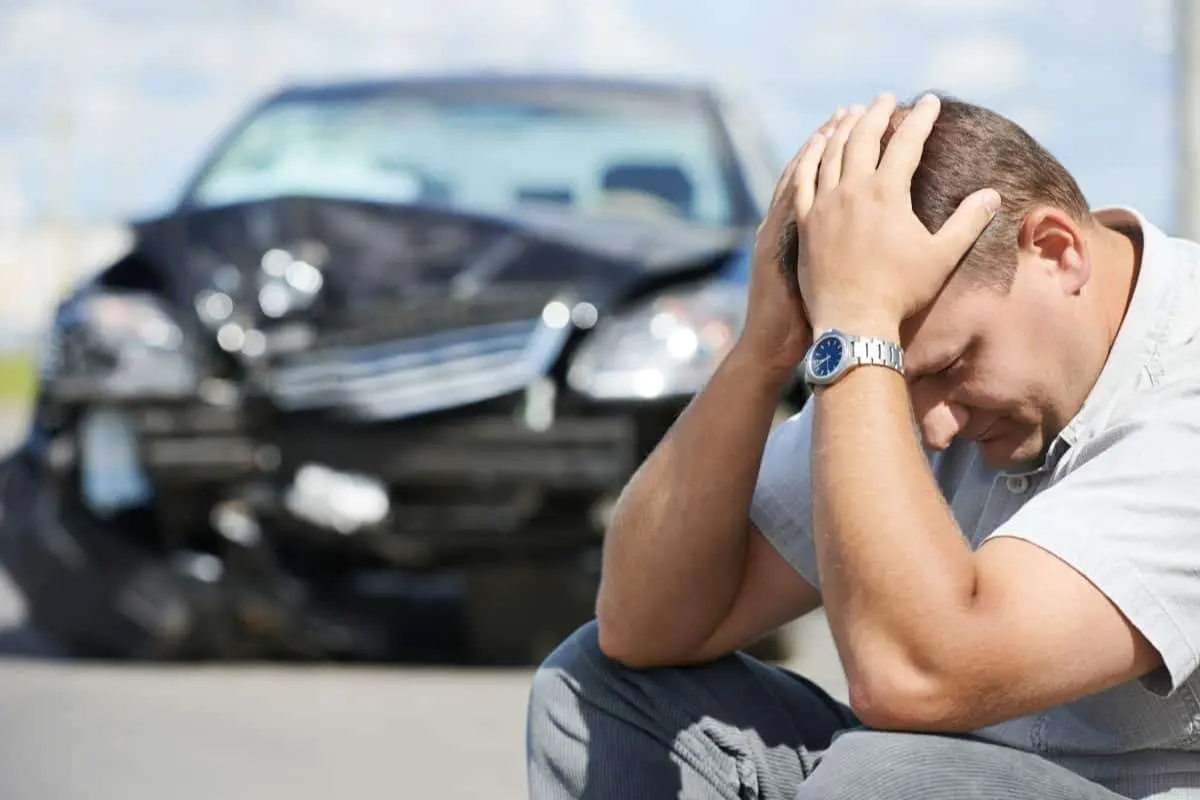
Employees in many businesses spend a significant amount of time on the road. Deliveries, client meetings, service calls, and other work-related tasks often require them to drive as part of their daily responsibilities. While transportation helps businesses operate more efficiently, it also creates potential liability risks.
Many business owners may not realize that a company can sometimes be held responsible for accidents caused by employees while performing work-related duties. Because of this, understanding business liability after employee driving accidents has become increasingly important for companies of all sizes.
Businesses can sometimes be held responsible
Under a legal principle commonly called “vicarious liability,” businesses may share responsibility when an employee causes a crash while acting within the scope of their job.
This can apply in many everyday business situations. For example, employees may be driving while:
- Making deliveries
- Traveling to client meetings
- Transporting customers or coworkers
- Running work-related errands
- Driving company-owned vehicles
- Performing services on behalf of the business
Even if the business owner was not physically present during the accident, the company itself may still become involved in insurance claims, investigations, or lawsuits because the employee was acting as part of their job responsibilities at the time of the crash.
For example, if a delivery driver causes a crash while making scheduled deliveries, both the driver and the company may become involved in insurance claims or lawsuits.
Situations like these can create significant legal and financial challenges, depending on the severity of the accident and who is responsible for the damages. Insurance companies may investigate whether the employee was performing job duties at the time of the crash and whether company vehicles were properly maintained. while increasing Business liability after employee driving accident risks.
Vehicle accidents can affect more than just transportation

A serious vehicle accident can create problems that go far beyond repairing a damaged car or truck. For many businesses, transportation plays an important role in daily operations, so even one employee’s driving accident can affect schedules, finances, customer service, and overall productivity.
A business may experience:
- Delayed shipments
- Missed customer appointments
- Employee absences
- Higher insurance payments
- Repair and maintenance expenses
- Rental vehicle expenses
- Reduced productivity
- Reputational issues
For example, a delivery-related accident may delay shipments, disrupt schedules, and create staffing challenges if employees are injured.
In service industries, customers may also become frustrated by delays or interruptions.
Financial losses may extend beyond vehicle repairs. Companies may also face higher insurance premiums, towing fees, rental vehicle costs, and expenses associated with investigating the accident.
Insurance investigations often become more complicated
Accidents involving company vehicles are often more complicated than crashes involving personal vehicles. Insurance companies may evaluate several factors when determining liability and coverage in a Business liability after employee driving accident.
Common areas of investigation include:
- Whether the employee was working at the time
- Company driving policies
- Vehicle maintenance records
- Driver history
- GPS data
- Cellphone use
- Road and weather conditions
In some situations, several insurance policies may become involved, especially if commercial vehicles, contractors, rideshare services, or delivery operations are part of the accident.
Because of this, businesses often benefit from keeping organized records and clear documentation related to company vehicles and employee driving responsibilities.
How technology helps in car accident investigations

Technology plays an increasingly important role in modern accident investigations. Dashcams, GPS systems, fleet management software, and vehicle tracking tools can provide valuable information about how a collision occurred.
With digital evidence, investigators can study:
- Vehicle speed
- Vehicle routes
- Vehicle location before and after the crash
- Braking activity and other operational data
- Delivery schedules and accident reconstruction details
Digital evidence can be especially useful when there are disputes about fault or limited eyewitness testimony. Preserving this information may help investigators reconstruct what happened and clarify important facts.
Many companies use these technologies not only to improve efficiency but also to help manage Business liability after employee driving accident risk
Driver safety policies reduce risk
Clear safety policies can help businesses reduce accidents and improve accountability among employees who regularly drive for work. Many companies now place greater emphasis on safe driving practices as part of their overall risk management efforts. Reduce Business liability after employee driving accident risks.
Examples include:
- Defensive driving education programs
- Distracted driving policies
- Regular vehicle maintenance
- Accident reporting procedures
- Cell phone usage restrictions for drivers
- Driver monitoring systems
These measures may help reduce accidents and promote a stronger culture of safety.
Legal guidance can help businesses protect themselves

After a serious employee driving accident, legal guidance may help businesses understand their rights and responsibilities.
Lawyers may assist with:
- Reviewing liability exposure
- Preserving important evidence
- Handling insurance negotiations
- Responding to legal claims
- Reviewing company policies
- Addressing employee-related issues
Early legal guidance can also help businesses avoid mistakes that could create additional financial or legal problems later.
For example, if an employee driving a company vehicle causes a serious crash while making deliveries in Las Vegas, the business may suddenly face medical injury claims, insurance disputes, and questions about whether the company shares legal responsibility for the accident.
In situations like these, a Las Vegas car accident attorney may help review liability issues, preserve important evidence such as dashcam or GPS data, communicate with insurance companies, and respond to potential legal claims before problems become more complicated or costly.
Final thoughts
Many businesses depend on employees who regularly drive for work. Although accidents cannot always be prevented, preparation can help reduce liability and minimize disruptions when they do occur.
Having adequate insurance coverage, developing effective driver safety programs, documenting vehicle use, and understanding potential liability risks can help protect their employees, assets, and reputation.