The global economy is bumping against its own limits. Materials once taken for granted now carry price volatility that can derail entire supply chains. Consumers, too, have grown impatient with throwaway culture, scrutinizing every stage of a product’s life cycle. Against that backdrop, a new economic logic is taking root. Companies are abandoning the straight line of “take, make, dispose” and moving toward loops—systems where waste doesn’t end up in landfills but re-enters production as a source of value.
This is not environmental philanthropy dressed up as corporate strategy. It is hard economics. Efficiency, resilience, and market differentiation are all on the table when waste is treated as an asset instead of an inconvenience.
The companies that adapt most quickly are not only winning goodwill but also carving out cost advantages and new profit streams. This demonstrates the circular economy imperative: what often looks like a moral stance turns out to be a financial one.
Redefining Waste in Corporate Strategy
The shift begins with a simple change in perception. Waste, once a nuisance line on the expense ledger, is being reframed as a potential input. The implications ripple outward: efficiency improves, reputations strengthen, and entire business models are reshaped.
Waste as Raw Material
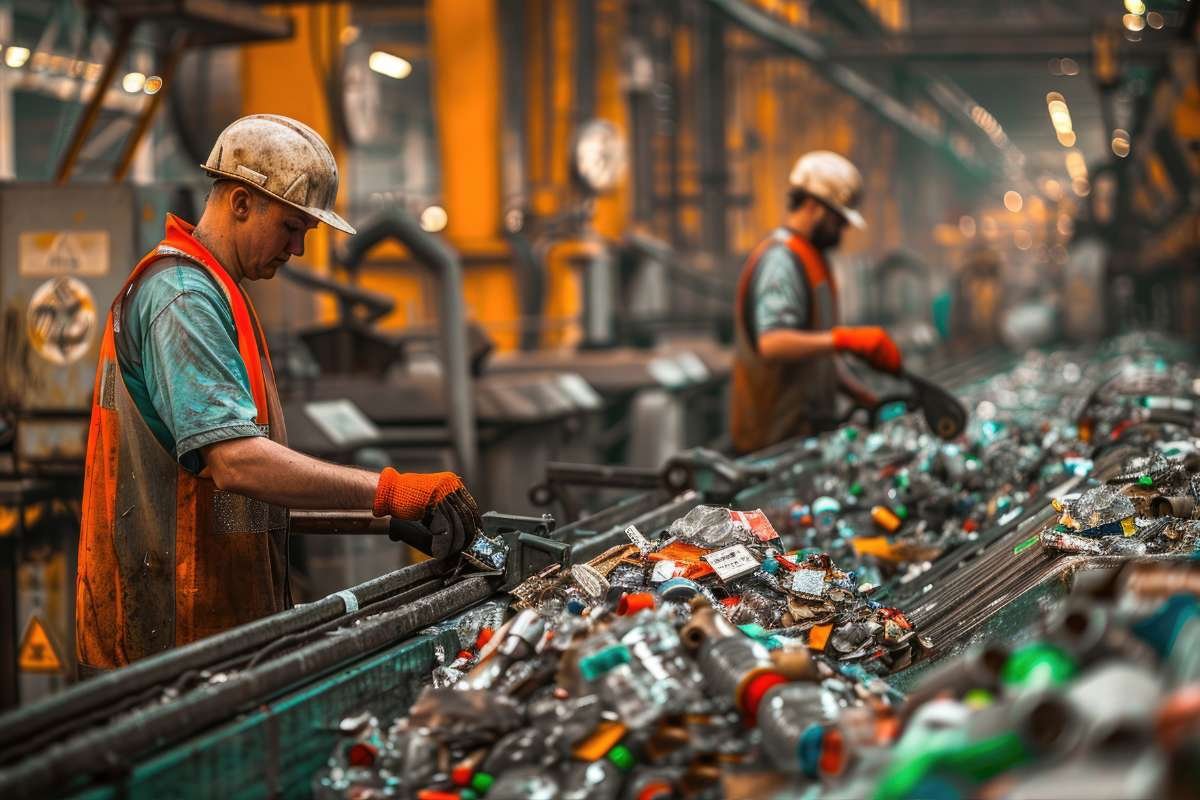
The idea is straightforward yet disruptive—yesterday’s discards become tomorrow’s raw materials. In construction, for instance, firms now pay more attention to how they dispose of concrete rubble and are now crushing it into aggregate for new roads and foundations.
Textile producers spin cutting-room scraps into yarns. Breweries redirect leftover grain into livestock feed or protein powders. Each of these shifts chips away at procurement costs while shrinking environmental liabilities.
Consider the industries already building momentum:
- Construction: transforming rubble and metals into secondary materials.
- Textiles: reprocessing scraps into new fibers.
- Food & beverage: converting byproducts into supplements, feed, or fuels.
Designing Out Waste
Design is the first line of defense. Products engineered for repair, modularity, or recyclability don’t become burdens later. A smartphone with replaceable parts or packaging that biodegrades naturally lengthens product lifecycles and keeps customers returning.
The companies that think ahead on design discover that durability and sustainability can be twin engines of loyalty.
Circular Business Models
Ownership itself is being rethought. Instead of selling equipment, firms lease it, upgrade it, and take it back at the end of its use. The incentive shifts: when the producer keeps title, it becomes profitable to extend life, reclaim parts, and recycle.
Electronics, office furniture, even fashion are already testing this “product-as-a-service” approach, and the recurring revenue it generates makes Wall Street pay attention.
Driving Innovation Through Circularity
The circular economy imperative isn’t just a compliance box; it’s spurring innovation at a pace traditional business models rarely achieve.
Technology provides the scaffolding. Blockchain verifies recycled inputs, ensuring traceability in global supply chains. Artificial intelligence sorts waste with precision, raising recycling yields.
And additive manufacturing—3D printing—lets companies use recycled metals and plastics for bespoke production. These tools don’t just make circularity plausible; they make it scalable.
Partnerships and Collaborations
Circular systems thrive on cooperation. Car manufacturers join forces with battery recyclers to reclaim scarce metals. Apparel brands link with textile-recovery startups to close the loop on fast fashion.
Competitors even collaborate when shared logistics lower costs for everyone. The logic is simple: if resources are finite, alliances become more valuable than rivalries.
Investment in R&D
Future breakthroughs will not emerge by accident. Companies putting real capital into R&D are already shaping markets with biodegradable plastics, low-carbon cement, and advanced chemical recycling.
These are not vanity projects. They are bets on where consumer demand, regulatory policy, and investor capital are all heading. The ROI on sustainability research may not always show up in the next quarter—but it is unmistakable over a five-year horizon.
Financial Benefits of Waste as a Resource
The numbers matter as much as the ideals. Waste reframed as resource translates directly into stronger financial performance.
Less waste means lower disposal fees and reduced dependence on virgin materials. Manufacturers installing closed-loop water systems see utility bills plummet. Energy captured from byproducts substitutes for costly fossil inputs. In short: every ton of waste avoided is margin gained.
New Revenue Streams
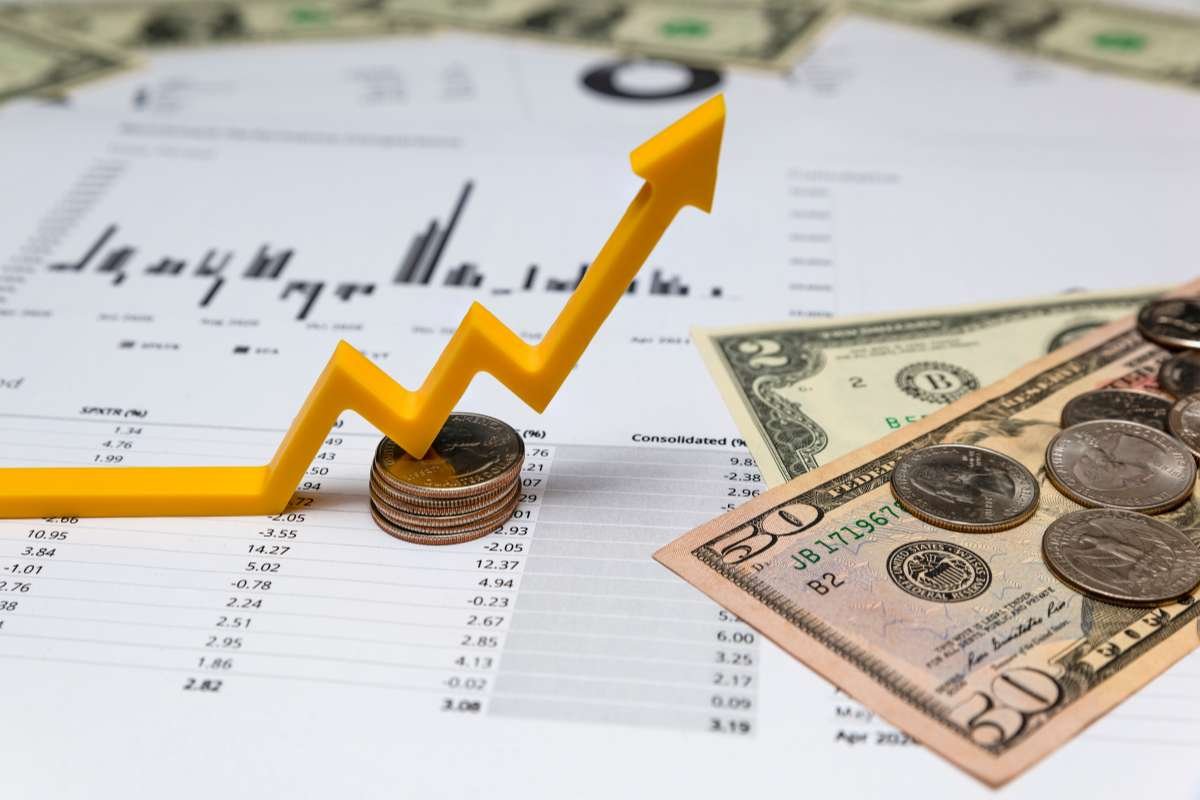
Circularity doesn’t just save money—it earns it. Breweries monetize spent grains as nutrition bars. Fashion houses market “reclaimed” fabrics as premium goods. Even packaging waste can become a revenue source when sold back into recycling markets.
Examples are multiplying:
- Food sector: turning scraps into fertilizers or animal feed.
- Beverage sector: valorizing waste streams as wellness ingredients.
- Fashion sector: marketing upcycled goods as luxury.
Long-Term Resilience
In volatile markets, self-reliance matters. Companies sourcing from recycled or alternative materials gain insulation from commodity shocks. Circularity provides a cushion when global supply chains stumble—an advantage investors increasingly factor into valuations.
Meeting Consumer and Regulatory Expectations
Corporate behavior no longer escapes scrutiny. Consumers, governments, and investors all apply pressure, and the cost of ignoring them is rising fast.
Modern consumers are not passive buyers; they are auditors. They want to know where materials come from, how they’re treated, and where they end up. Brands that satisfy that demand win loyalty. Those that don’t quickly fade into irrelevance.
Regulatory Pressure
Governments aren’t waiting. Extended producer responsibility laws are spreading, requiring manufacturers to manage their products at end-of-life. The penalties for lagging behind are steep; the rewards for being ahead of the curve are even greater.
ESG and Investor Demands
The capital markets are explicit: ESG scores influence access to funding, underscoring the circular economy imperative. Circular practices, high diversion rates, and transparent reporting improve those scores. Investors reward the companies that see circularity not as PR but as economics.
Key external drivers include:
- Consumers: rewarding brands with visible responsibility.
- Governments: enforcing end-of-life accountability.
- Investors: channeling capital toward high-ESG performers.
Implementing Circular Economy Practices
Shifting to circularity is not about rhetoric—it’s about systems, metrics, and execution.
Every transition starts with measurement. Audits identify waste streams, volumes, and costs. Metrics such as diversion rates or recovery percentages give leaders a dashboard for progress. Data makes waste reduction a line item, not a slogan.
Employee Engagement

Change stalls without employees. Training, incentives, and open communication are crucial. Workers closest to operations often see inefficiencies executives overlook. When they are empowered, small ideas snowball into major savings.
Scaling Through Pilots
Pilots de-risk experimentation. A single facility tests new recycling protocols; one product line explores a repair program. Once the model is proven, scaling becomes both cheaper and more persuasive to stakeholders.
Conclusion
The circular economy imperative is rapidly becoming a central pillar of corporate economics, moving beyond a marginal topic in sustainability reports. It is quickly becoming a central pillar of corporate economics. Those who cling to linear models will find themselves paying higher costs, shouldering greater risks, and losing relevance. Those who adapt see efficiency gains, resilience, and entirely new revenue streams.
Circularity is not charity. It is capitalism recalibrated. By turning waste into input, corporations are future-proofing themselves against scarcity, regulation, and consumer revolt. The companies that lead this transition won’t just survive—they’ll define the next era of global commerce.