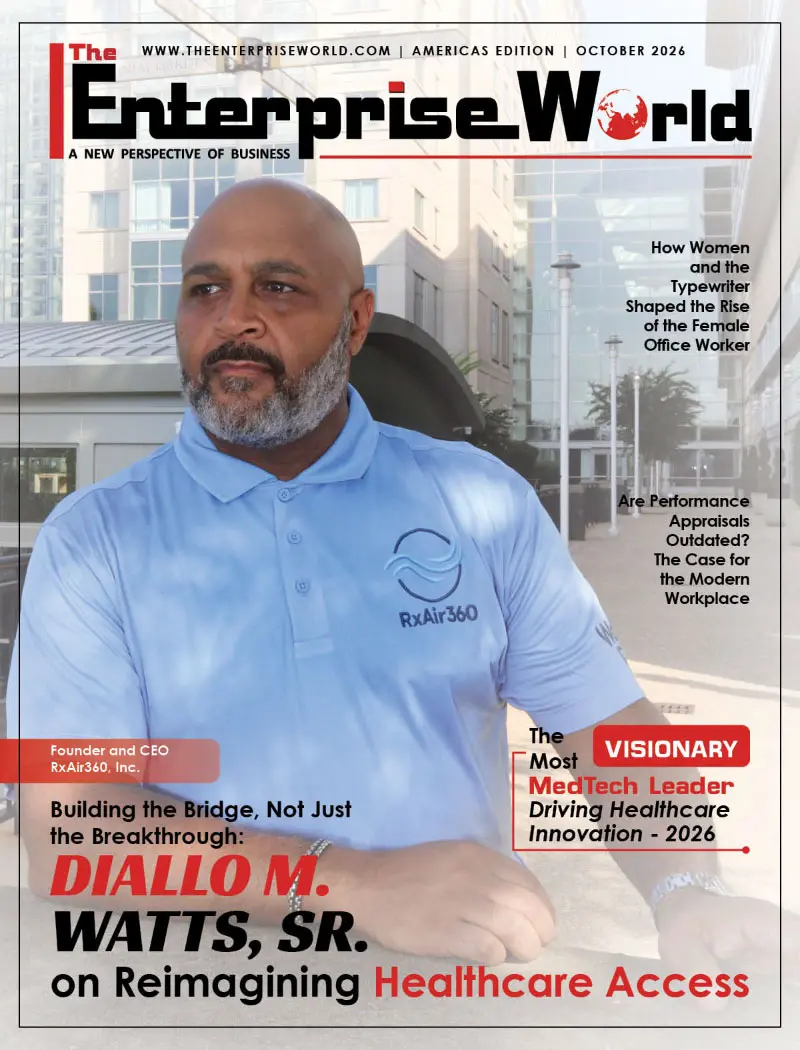
Healthcare innovation often begins with laboratories, engineering teams, clinical research, or a market opportunity. For Diallo M. Watts, Sr., Founder and CEO of RxAir360, Inc., it began somewhere far more personal: with a son searching for answers for his father.
Watts did not begin his career in healthcare. With a background in electrical engineering, he spent more than two decades building businesses and working across technology, operations, consulting, logistics, and other industries. His professional journey had taught him how to solve complex technical and business problems. Yet it was his father’s diagnosis with Alzheimer’s disease that changed the direction of his life.
Determined to find anything that might help his father, Watts began searching for answers and eventually encountered hyperbaric oxygen therapy. What captured his attention was not simply the therapy itself, but the question of access. A treatment could exist, physicians could understand it, and evidence could continue to evolve, yet patients could still face significant barriers in reaching it. That realization became the foundation for RxAir360.
A Personal Search for Answers That Led to a Healthcare Mission
A treatment may exist, clinicians may understand it, and evidence may continue to develop, yet a patient may still be unable to receive it because the infrastructure required to deliver care is concentrated in hospitals and specialized centers. This realization changed the question for Diallo from “Does this exist?” to “Why is it so difficult to reach?”
RxAir360 grew from that question. He recognized an engineering challenge, a healthcare-delivery challenge, and, most importantly, a human challenge. The company was established around the idea that if appropriate hyperbaric care could be integrated into physician-practice environments, access could potentially move closer to where patients already receive care.
Beyond the Chamber, Toward a Complete Care Model
For Diallo M. Watts, Sr., the original vision for RxAir360 was straightforward: make medically appropriate hyperbaric oxygen therapy easier to reach. Yet, as the company moved from concept through development and toward regulatory submission, that vision did not change so much as mature. In the early stages, his attention was centered heavily on the chamber itself. With experience, however, Watts came to understand that the real work extended far beyond the device. Engineering was only one piece of the equation; regulatory discipline, physician workflow, safety, manufacturing, education, reimbursement realities, and trust would all play an equally important role in shaping a viable healthcare solution.
This broader understanding also changed the way Watts viewed the challenge and his role as a leader. He realized that improving access could not be achieved simply by placing equipment in a physician’s office. It required a complete delivery model that physicians and patients could realistically use. Today, he sees RxAir360 as infrastructure, with the chamber serving as one part of a larger bridge between an established therapy and patients for whom hyperbaric oxygen therapy may be medically appropriate. Increasingly, Watts sees the opportunity not simply as redesigning a chamber, but as reconsidering where appropriate hyperbaric care can live.
If the technology, regulatory framework, physician oversight, economics, and clinical workflow can be brought together responsibly, physician-led specialty practices may have new ways to consider hyperbaric medicine within their own care environments. That possibility opens a broader conversation about whether access to medical hyperbaric care must remain tied primarily to the traditional hospital and specialized-center footprint. That perspective has made him a more patient and disciplined leader. While his ambition remains strong, the journey has given him a deeper appreciation of the responsibility involved in bringing medical technology toward commercialization.
Reimagining the Hyperbaric Environment
Diallo M. Watts, Sr. approached the challenge by looking beyond the traditional architecture of hyperbaric systems and asking what would be required to make one compatible with the realities of a physician practice. This thinking led to the development of an office-based vertical monoplace system, designed around a seated, upright configuration and intended to work within the physical and operational environment of a medical office, subject to FDA clearance.
The engineering challenge extends well beyond the visible design of the chamber. His team has brought together expertise in pressure-vessel engineering, electrical and control systems, human factors, safety requirements, and physician-practice integration. Years of engagement with hyperbaric clinicians, engineers, technicians, and medical advisors have further shaped the development process, allowing him to consider not only how the system performs technically, but also how it would function in the hands of the people responsible for operating it.
That approach reflects one of Diallo’s central principles as a MedTech leader: meaningful innovation is often found in the details that patients never see. Pressure-vessel integrity, emergency decompression, electrical safety, controls, maintenance, operator workflow, and reproducibility all have to work together. Rather than treating these considerations as secondary requirements, Watts has made them integral to the development process, recognizing that medical technology must earn its place in clinical practice through disciplined engineering, careful testing, and thoughtful design.
The Details That Define Innovation
One visible difference in RxAir360’s approach is its upright, seated orientation. For Diallo, however, the significance of that choice extends far beyond appearance. It reflects a broader effort to rethink how hyperbaric technology could fit into the everyday realities of a physician’s office while keeping patient experience, clinical workflow, and engineering discipline in view.
The device is engineered as a pressure vessel and is being developed to meet applicable medical-device and pressure-vessel standards. Through the process, Watts and his team have learned that meaningful MedTech innovation rarely comes from a single breakthrough. It emerges through testing, documentation, redesign, specialist input, and the willingness to challenge assumptions. Some of the most important development decisions, therefore, have been the least visible ones. By bringing together specialists from different disciplines, the team continues to strengthen the system while working toward a solution designed not simply to function as a piece of equipment, but to integrate thoughtfully into clinical practice.
The Leadership Lesson in Endurance
The hardest challenge for Diallo has been endurance. There has not been one obstacle, but years of interconnected ones. Engineering takes capital, regulatory work takes time, testing uncovers things that need to be corrected, and fundraising can be difficult when a company is pre-revenue. Manufacturing readiness also requires different expertise than concept development. At several points, progress has depended on solving multiple problems at once without losing sight of the mission.
That experience has changed Watts as a leader. He has learned that intensity is not the same thing as leadership. He has had to become more composed, more willing to listen, more comfortable saying “I don’t know,” and better at surrounding himself with people who can challenge his assumptions. He has also learned to separate urgency from panic. For Watts, the mission can be urgent while the leader remains steady. That has been one of the most valuable lessons of his journey.
A Voice for the Access Conversation
Diallo M. Watts, Sr. has become intentional about contributing to the public conversation around healthcare access. He speaks, writes, and participates in interviews and conferences, while also sharing his experiences with entrepreneurs and others navigating the realities of building a company. He recently published his book, Locked Out of Healing: Why Patients Are Denied Care That Could Change Their Lives. The book is broader than RxAir360: it is the story of how his family’s search for options exposed a larger access problem and how that experience changed the direction of his life.
Locked Out of Healing: Why Patients Are Denied Care That Could Change Their Lives is available on Amazon. Readers can visit LockedOutOfHealing.com to learn more about the book.
Watts also spends time mentoring entrepreneurs and sharing the less glamorous parts of building a company, including capital constraints, long timelines, regulatory discipline, mistakes, and the need to keep learning. The lesson he believes the industry needs to hear from his journey is that innovation is not complete when something can be invented. It becomes meaningful when there is a responsible pathway for people to reach it. In healthcare, the bridge can matter as much as the breakthrough.
Listening Before Leading
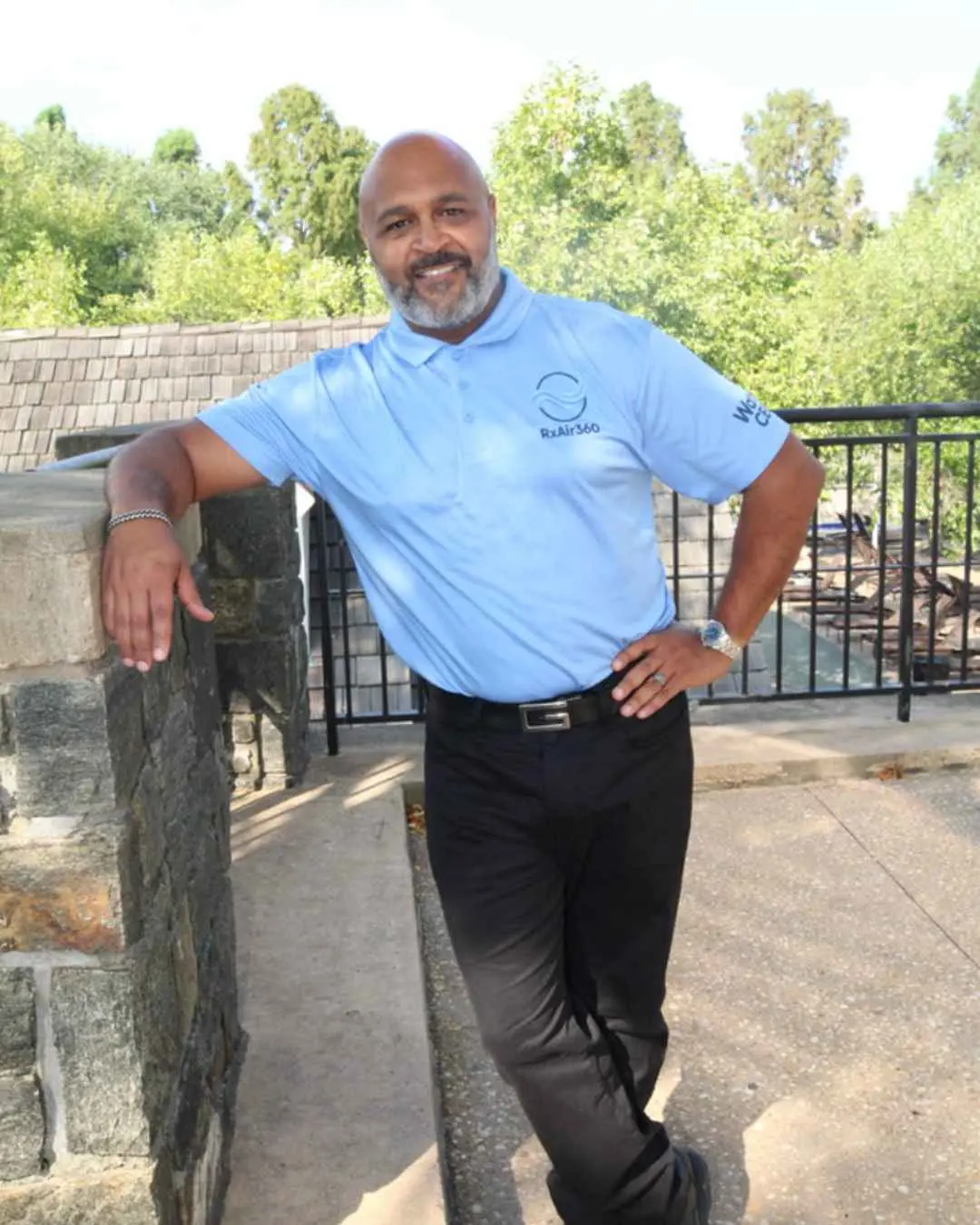
For Diallo M. Watts, Sr., safety and compliance are not marketing statements but fundamental design inputs. Under his leadership, RxAir360’s system has been developed around applicable pressure-vessel and medical electrical standards, independent third-party testing, documented engineering controls, and a formal regulatory pathway. This approach reflects Watts’ understanding that trust in MedTech must be established through disciplined processes and evidence rather than claims.
His approach also places considerable value on the expertise of clinicians and technical specialists. RxAir360’s Medical Advisory Board is co-chaired by Dr. Jeffrey Niezgoda, a past President of the American College of Hyperbaric Medicine, and Dr. Tyler Sexton, its current President. Their clinical expertise, alongside input from other medical advisors, helps Watts and his team look beyond the engineering drawing to understand how hyperbaric systems are used in actual patient-care environments. Hyperbaric technicians and experienced operators have also provided practical insights into workflow, maintenance, patient comfort, and the potential challenges that can arise when theory meets daily practice.
This exchange of expertise is part of building a culture where feedback is not viewed as criticism of the design, but as information that can make it safer and better. He believes that trust in MedTech is earned through evidence, documentation, transparency, and the willingness to continually test assumptions. This philosophy has shaped not only the development of RxAir360’s technology, but also the way Watts approaches responsibility as a leader working to bring a medical solution toward real-world care.
Understanding the Human Cost of Access
For Diallo, some of the most meaningful moments in the RxAir360 journey have not come from a business milestone, but from listening to the people closest to hyperbaric care. Because the company is still progressing through the regulatory process and is not yet commercially available in the United States, he is careful not to present a customer success story that could suggest otherwise. Instead, his understanding of RxAir360’s potential has been shaped by conversations with physicians, hyperbaric professionals, and patients who have described their experiences with accessing care.
Diallo has visited working hyperbaric environments, personally experienced treatment in a clinical chamber, and spent time listening to technicians describe the realities they encounter every day. Those experiences gave greater depth to a problem he had initially approached through an engineering and business lens. Hearing patients describe the distances they may need to travel, the work and family responsibilities they may have to rearrange, or the possibility of going without care brought a human dimension to the challenge.
These encounters reinforced an important lesson about building in healthcare: the value of a solution cannot be measured by its technical sophistication alone. It must also be understood through the lived realities of the people it is intended to serve. That perspective continues to shape how he thinks about RxAir360, keeping the company’s ambitions connected to the practical circumstances of patients and the professionals responsible for their care.
Patent, Partnerships, and Proof Behind the Vision
The journey from an engineering concept to a potential medical-device solution has been shaped by milestones that demonstrate technical rigor, industry collaboration, and growing credibility.
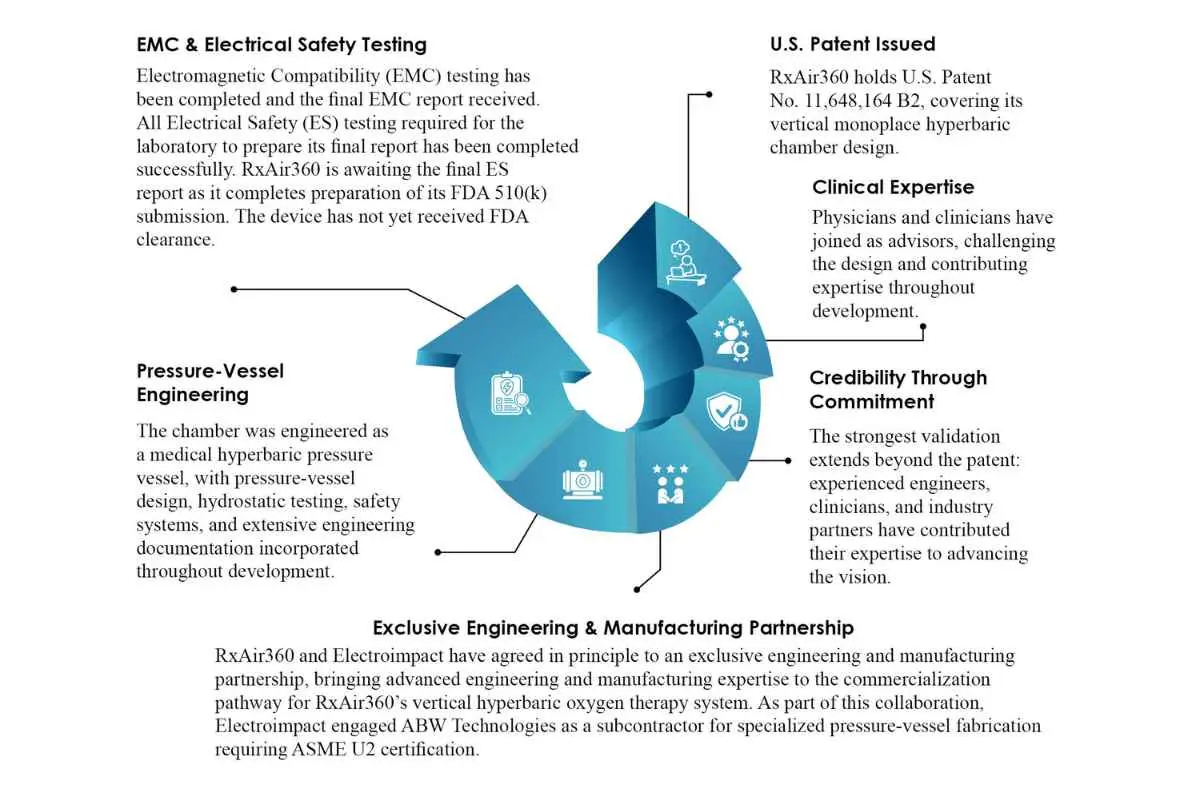
1. U.S. Patent Issued
RxAir360 holds U.S. Patent No. 11,648,164 B2, covering its vertical monoplace hyperbaric chamber design.
2. Exclusive Engineering & Manufacturing Partnership.
RxAir360 and Electroimpact have agreed in principle to an exclusive engineering and manufacturing partnership, bringing advanced engineering and manufacturing expertise to the commercialization pathway for RxAir360’s vertical hyperbaric oxygen therapy system. As part of this collaboration, Electroimpact engaged ABW Technologies as a subcontractor for specialized pressure-vessel fabrication requiring ASME U2 certification.
3. Pressure-Vessel Engineering
The chamber was engineered as a medical hyperbaric pressure vessel, with pressure-vessel design, hydrostatic testing, safety systems, and extensive engineering documentation incorporated throughout development.
4. EMC & Electrical Safety Testing
Electromagnetic Compatibility (EMC) testing has been completed and the final EMC report received. All Electrical Safety (ES) testing required for the laboratory to prepare its final report has been completed successfully. RxAir360 is awaiting the final ES report as it completes preparation of its FDA 510(k) submission. The device has not yet received FDA clearance.
5. Clinical Expertise
Physicians and clinicians have joined as advisors, challenging the design and contributing expertise throughout development.
6. Credibility Through Commitment
The strongest validation extends beyond the patent: experienced engineers, clinicians, and industry partners have contributed their expertise to advancing the vision.
The Shift Toward Smarter, More Connected Care
Diallo M. Watts, Sr. sees healthcare moving toward care models that are more distributed, more data-informed, and closer to the patient. From his perspective, procedures, diagnostics, and therapies are moving out of large institutional settings when technology, regulation, and economics make that possible. At the same time, he recognizes that patients and physicians expect greater convenience without sacrificing clinical standards.
Looking toward the next five years, he believes healthcare will place even greater emphasis on decentralization, interoperability, remote monitoring, physician-led specialty care, and technologies that improve access rather than simply add another feature. In hyperbaric medicine specifically, he hopes the conversation expands beyond awareness of the therapy to include the infrastructure required to deliver it appropriately.
For RxAir360, Diallo hopes the company can help demonstrate that medical hyperbaric care can be designed around the physician-practice environment while maintaining the discipline expected of a medical device. His vision reflects a broader interest in how emerging healthcare technologies can evolve alongside changing models of physician-led care.
An Open Letter to Physicians, Healthcare Leaders, MedTech Innovators and Entrepreneurs
Dear Physicians, Healthcare Leaders, MedTech Innovators, and Entrepreneurs,
Never confuse novelty with impact. Healthcare does not need innovation for innovation’s sake. It needs solutions that are safe, trusted, practical, and capable of reaching the people they were designed to serve.
If you are building in this space, spend time with the clinicians, technicians, patients, and families who live with the problem every day. Let engineers challenge the idea. Let regulators challenge the assumptions. Let the market show you where your model is incomplete. When the process takes longer than expected, remember that speed is not the only measure of progress.
I entered this field because I was a son looking for answers for my father. I stayed because I discovered that access itself is a problem worth solving. That experience taught me that leadership in healthcare requires humility.
Be ambitious enough to imagine a better delivery model and disciplined enough to prove that it deserves trust. Build the bridge, not just the breakthrough. If the technology is meaningful, make sure the pathway to it is meaningful too.
With purpose,
Diallo M. Watts, Sr.
Founder and CEO
RxAir360, Inc.
Building the Bridge Between Medical Innovation and Patient Access
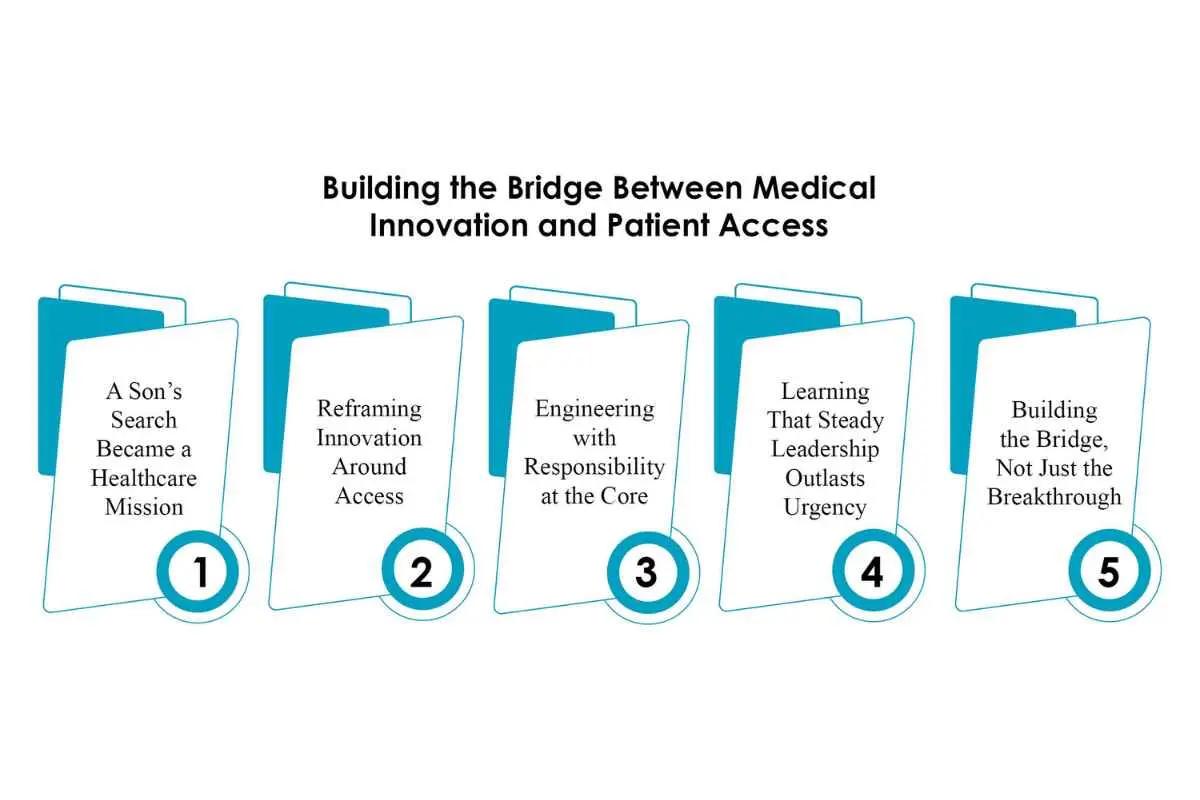
- A Son’s Search Became a Healthcare Mission
- Reframing Innovation Around Access
- Engineering with Responsibility at the Core
- Learning That Steady Leadership Outlasts Urgency
- Building the Bridge, Not Just the Breakthrough
| Quick Takes | |
| One tool or app | ChatGPT |
| One quote | “It’s only crazy until it happens.” – Pastor Michael Todd |
| One piece of advice | Learn to stay urgent about the mission without becoming frantic about the moment. |
| One movie or book | The Pursuit of Happyness – because persistence looks different when the stakes are personal. |