


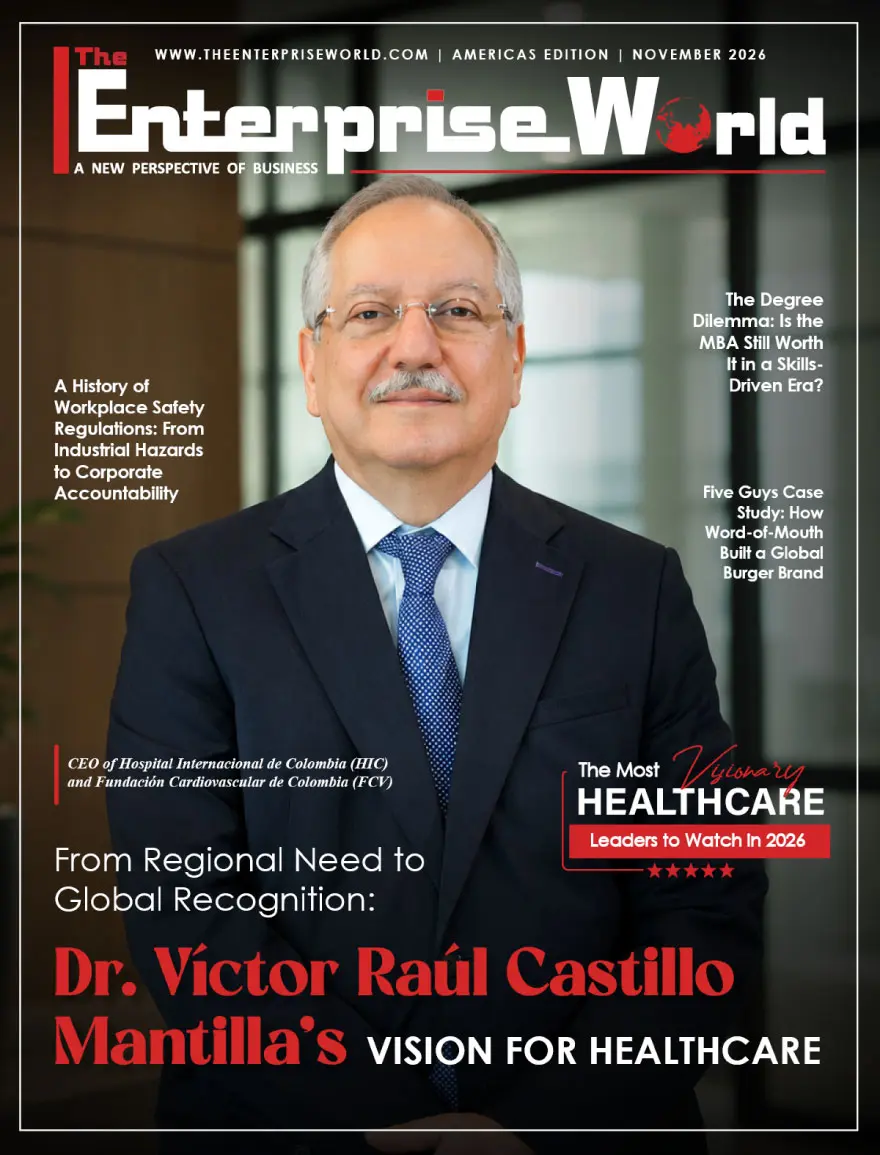
Transforming a regional healthcare need into an institution recognized for its clinical excellence requires vision, perseverance, and a commitment to continuous improvement. What began as an effort to advance complex cardiovascular surgery in Bucaramanga has evolved into a healthcare ecosystem integrating specialized medical care, research, education, and technological innovation. This journey reflects the importance of building strong teams, strengthening patient safety, and embracing innovation with a clear clinical purpose.
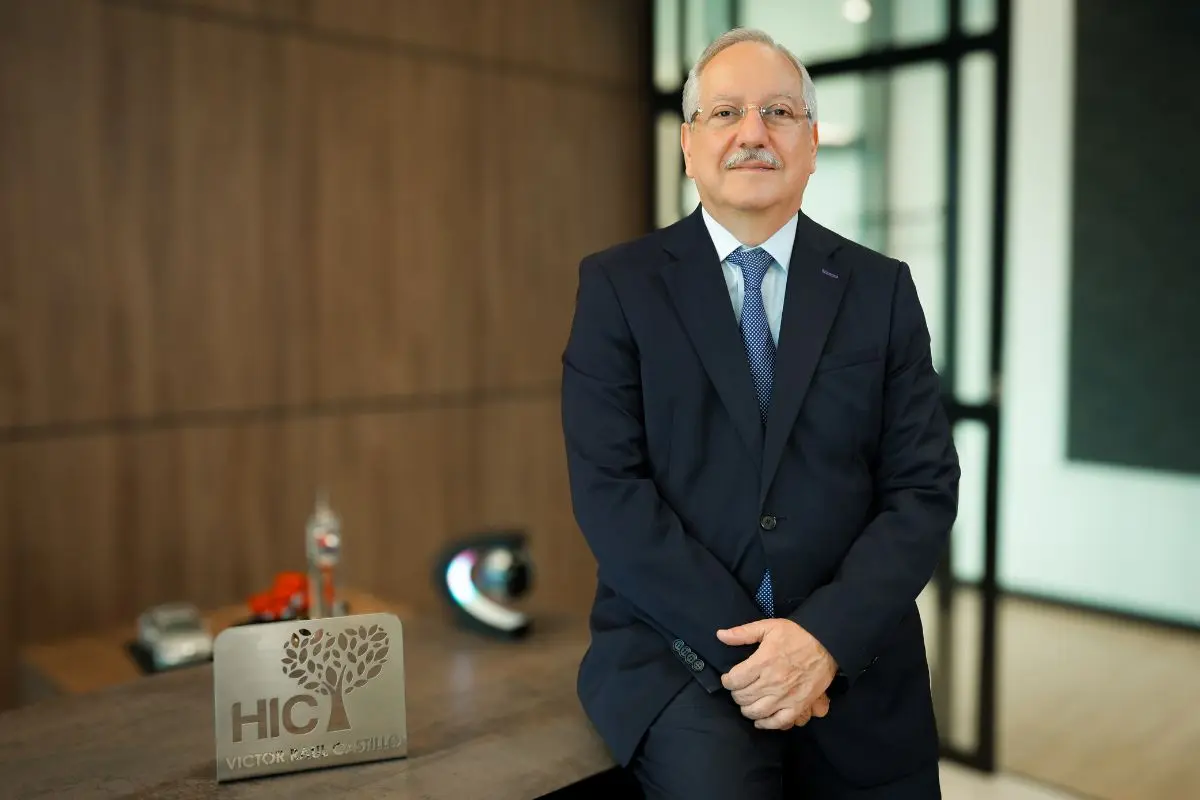
Dr. Víctor Raúl Castillo Mantilla, CEO of Hospital Internacional de Colombia (HIC) and Fundación Cardiovascular de Colombia (FCV), has helped advance this vision through a leadership approach grounded in purpose, focus, and persistence. His work spans institutional development, digital transformation, international collaboration, and the cultivation of future healthcare professionals, with a lasting commitment to improving patient care and expanding the institution’s impact across Colombia and beyond.
Early Inspirations, Enduring Principles, and a Vision for Healthcare
“If you can dream it, you can do it.” ~ Walt Disney
Dr. Víctor’s understanding of leadership began long before he assumed an executive role. Inspired by Walt Disney’s story and the words, “If you can dream it, you can do it,” he developed a lasting belief in turning a vision into reality through determination and discipline.
During his medical training, several mentors shaped his professional outlook. His anatomy professor, Luis David Montaña, instilled in him the values of rigor, discipline, and responsibility. During his general surgery residency, Dr. Armando González introduced him to a broader perspective on medicine. Having served as Head of the Department of Surgery, led Hospital Universitario del Valle, and co-founded Centro Médico Imbanaco, González demonstrated how physicians could extend their impact through entrepreneurship and institution-building.
His cardiovascular surgery mentor, Dr. Alberto Villegas, taught him cardiac surgery while encouraging him to think like a visionary and entrepreneur. His father, a hardworking businessman known for his steadfastness and compassion, provided another important example.
These influences shaped Castillo’s leadership philosophy: establish a clear vision, pursue it with discipline, and surround oneself with capable people who can help it grow. Today, these principles continue to guide his leadership at Hospital Internacional de Colombia (HIC) and Fundación Cardiovascular de Colombia (FCV).
From Clinical Practice to Institutional Leadership
The journey from treating individual patients to leading an institution has expanded the scope of responsibility while preserving the same purpose: to serve. What began with a vision to advance complex cardiovascular surgery in Bucaramanga has evolved into a commitment to organizational excellence, innovation, and sustainable impact.
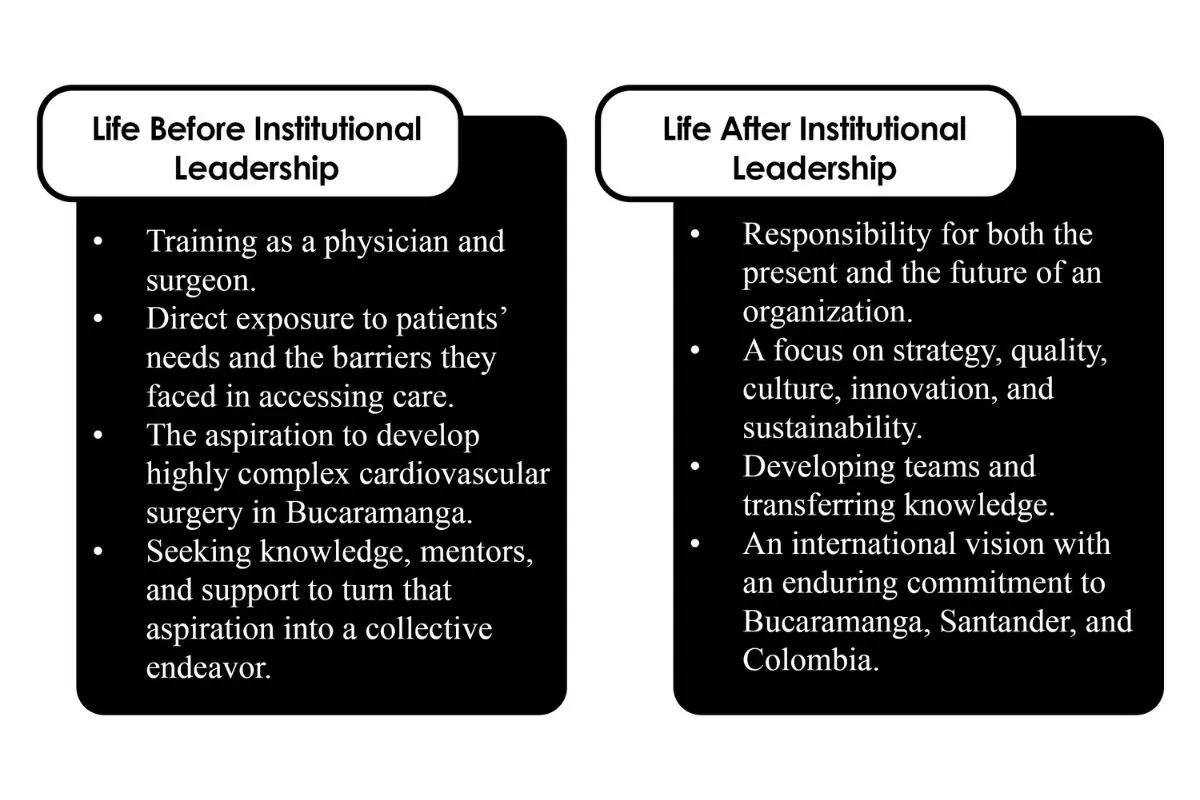
Life Before Institutional Leadership
- Training as a physician and surgeon.
- Direct exposure to patients’ needs and the barriers they faced in accessing care.
- The aspiration to develop highly complex cardiovascular surgery in Bucaramanga.
- Seeking knowledge, mentors, and support to turn that aspiration into a collective endeavor.
Life After Institutional Leadership
- Responsibility for both the present and the future of an organization.
- A focus on strategy, quality, culture, innovation, and sustainability.
- Developing teams and transferring knowledge.
- An international vision with an enduring commitment to Bucaramanga, Santander, and Colombia.
The Constant: A broader scope of responsibility, guided by the same enduring purpose: to serve.
From a Regional Need to a Lasting Healthcare Legacy
One of the achievements that gives Dr. Víctor the greatest satisfaction is witnessing the growth of Fundación Cardiovascular de Colombia (FCV). The journey began with limited resources, no dedicated infrastructure, and a clear purpose: to address the need for highly complex cardiovascular care in the region.
From the beginning, Dr. Victor and his colleagues focused on building capabilities that could grow within the institution. Their investments in talent, knowledge, infrastructure, and technology enabled them to expand into other specialties and eventually establish the Hospital Internacional de Colombia (HIC) as a new stage in the institution’s development.
Today, the institution treats patients from Colombia and abroad, performs procedures beyond its initial capabilities, trains healthcare professionals, advances research and technology, and creates opportunities for the region. For Castillo, seeing this transformation unfold is a source of profound satisfaction. He considers it a collective achievement, built through the contributions of generations of people.
A Difficult Beginning, A Lasting Commitment to Patient Safety
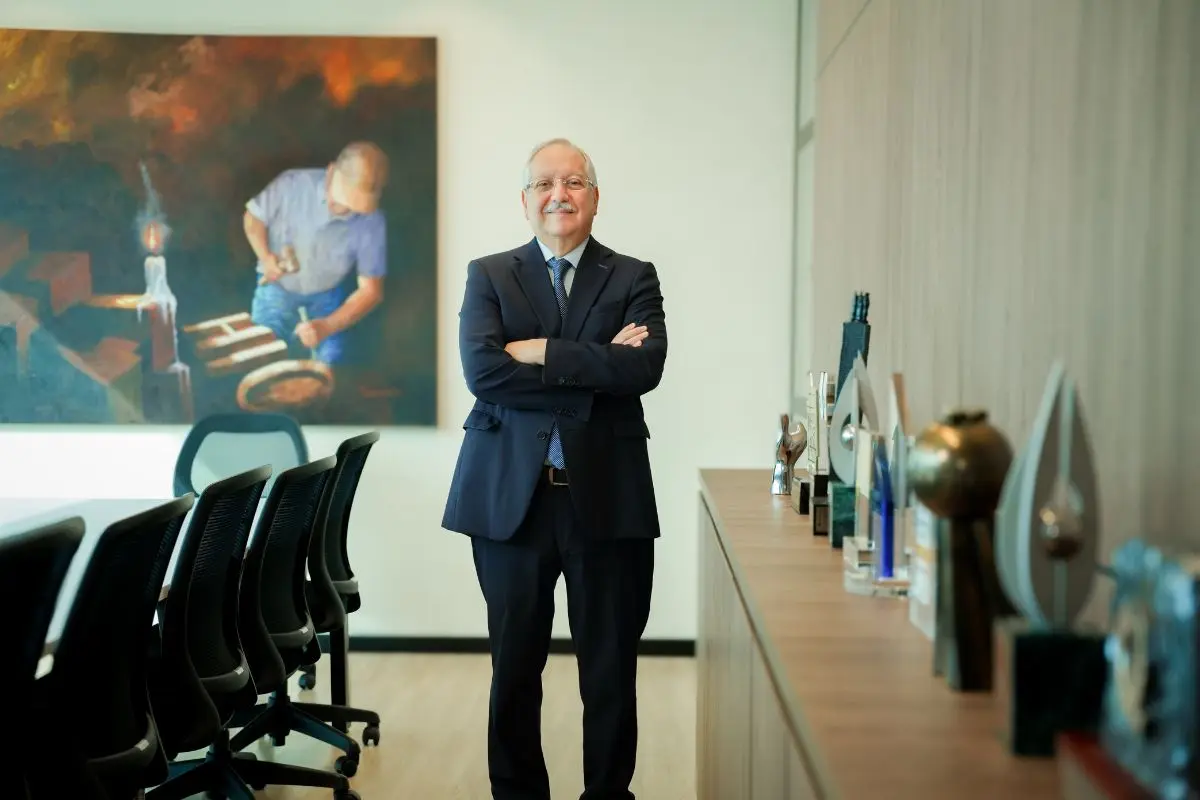
Building a high-complexity cardiovascular surgery program in Bucaramanga meant confronting doubts about whether such specialized care could be established successfully in the region. For Dr. Víctor, that uncertainty became deeply personal when the program’s first patient underwent a technically successful surgery but later died from an infection.
The loss affected him profoundly. Rather than viewing the surgical outcome in isolation, he and his team examined the processes surrounding the patient’s care. Their review led to stronger protocols, greater attention to patient safety, and a renewed emphasis on team preparedness. He recognized that technical proficiency alone could not guarantee a successful outcome; every stage of care demanded equal vigilance.
The experience became a defining moment in his leadership journey. It reinforced his conviction that difficult outcomes must be confronted with honesty and translated into meaningful improvements. Although the loss could not be undone, the lessons it brought forward helped strengthen the institution’s approach to quality and safety, shaping a culture in which accountability and continuous improvement remain essential to patient care.
Leading With Purpose, Focus, and Persistence
Dr. Víctor’s vision for Hospital Internacional de Colombia (HIC) and Fundación Cardiovascular de Colombia (FCV) is to continue strengthening an institution that demonstrates how highly complex medicine can be delivered from Bucaramanga in accordance with international standards. Established in response to a specific healthcare need, the FCV has evolved over the years into an integrated ecosystem encompassing clinical care, research, education, innovation, and technological development.
Three principles guide him in advancing this vision: purpose, focus, and persistence. Purpose guides institutional decisions, while focus helps him distinguish between the many opportunities that arise and those that genuinely contribute to the institution’s long-term objectives. Persistence, in turn, enables him to sustain transformations that require years of commitment to achieve.
Today, his responsibilities extend beyond day-to-day operations, concentrating on strategic direction, cultural and digital transformation, centres of excellence, quality, and institutional growth. He recognises that a long-term vision cannot depend on one individual alone. Its continuity requires capable teams and leaders who can carry the institution’s mission forward and sustain its progress over time.
A Day in Dr. Victor Raúl Castillo Mantilla’s Life
From early-morning scientific reading to strategic decision-making and institutional transformation, the day balances leadership responsibilities with family time and personal well-being.
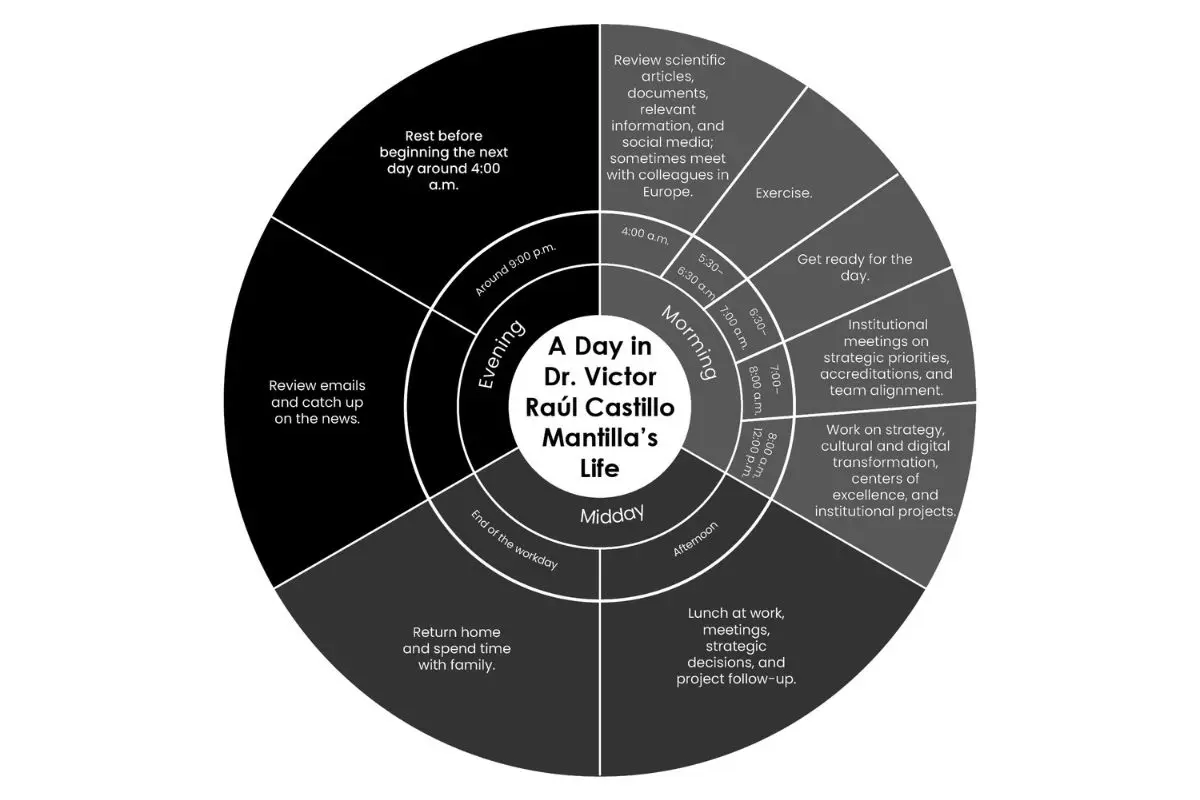
- 4:00 a.m. – Review scientific articles, documents, relevant information, and social media; sometimes meet with colleagues in Europe.
- 5:30–6:30 a.m. – Exercise.
- 6:30–7:00 a.m. – Get ready for the day.
- 7:00–8:00 a.m. – Institutional meetings on strategic priorities, accreditations, and team alignment.
- 8:00 a.m.–12:00 p.m. – Work on strategy, cultural and digital transformation, centers of excellence, and institutional projects.
- Midday and afternoon – Lunch at work, meetings, strategic decisions, and project follow-up.
- End of the workday – Return home and spend time with family.
- Evening – Review emails and catch up on the news.
- Around 9:00 p.m. – Rest before beginning the next day around 4:00 a.m.
The Judgment Behind Sustainable Healthcare
Evaluating major healthcare decisions requires a comprehensive perspective, beginning with patient well-being and safety. Every decision must also be assessed for its viability and sustainability, ensuring that the institution can meet its responsibilities without compromising its long-term ability to deliver care.
His approach relies on data, evidence, and multidisciplinary teams. Each decision involves examining the problem to be addressed, its anticipated impact, the risks involved, and the institution’s capacity to implement and sustain the proposed course of action. This structured assessment helps him weigh clinical priorities against operational realities while maintaining a clear focus on patient needs.
When navigating difficult decisions, Dr. Victor distinguishes between standards that cannot be compromised and aspects that allow flexibility. Safety and quality remain non-negotiable, while timelines and implementation methods may be adjusted to suit the circumstances. He recognises that pursuing an ambitious vision does not mean undertaking everything simultaneously. For him, sustainability lies in preserving the talent, knowledge, and resources required to meet present needs without compromising the institution’s ability to care for patients in the future.
Technology With a Clinical Purpose
For Dr. Víctor, innovation begins with a fundamental question: how can technology contribute to better patient care? Rather than adopting tools simply because they are new, he believes their value lies in their ability to address clinical needs, improve processes, or expand the institution’s capabilities.
At Hospital Internacional de Colombia (HIC), the development of a digital foundation integrating electronic health records, interoperability, automation, and data analytics enabled the institution to achieve and subsequently be recertified at Stage 7 of the HIMSS Electronic Medical Record Adoption Model (EMRAM).
Building on this foundation, he and his institution are advancing the use of artificial intelligence, real-time monitoring, digital solutions, and advanced medical technologies, including robotic surgery. He sees significant opportunities in using timely data to identify risks, support clinical decision-making, and reduce administrative burdens. He maintains that technology should support clinical judgment, never replace the responsibility of healthcare professionals providing care.
Trust Measured in Every Outcome
For Dr. Víctor, trust rests on clinical expertise, transparency, and respect. Recognizing that patients entrust healthcare professionals with their lives and personal information, he emphasizes the importance of making quality and safety integral to everyday practices at Fundación Cardiovascular de Colombia (FCV) and Hospital Internacional de Colombia (HIC).
Under this approach, clinical indicators, audits, internal assessments, international standards, and patient experience help identify opportunities for improvement. Clinical outcomes offer insights into treatment effectiveness and patient safety, while patient feedback helps the institution understand how care is experienced.
External evaluations provide further benchmarks for institutional performance. HIC holds Joint Commission International accreditation and has been recertified at Stage 7 of the HIMSS EMRAM model, the highest level of digital maturity within this framework. It also holds a five-star rating in the Newsweek and Statista Global Hospital Rating and ranked No. 7 in Latin America and No. 2 in Colombia in the 2026 INTELLAT ranking. For the third consecutive year, HIC–Instituto Cardiovascular was recognized among the 300 hospitals worldwide for cardiology by Newsweek and Statista.
Collaboration Building Lasting Capability
For Dr. Víctor, international collaboration has been an important part of Fundación Cardiovascular de Colombia’s (FCV) development since its early years. The knowledge shared by international teams helped the institution develop its cardiovascular capabilities. These experiences reinforced his understanding that collaboration creates lasting value when shared knowledge becomes institutional capacity and remains within the organization.
A significant milestone came in 2025, when Hospital Internacional de Colombia (HIC) joined the Mayo Clinic Care Network, becoming the first institution in Colombia and South America to be part of the network. Through this collaboration, HIC professionals can access resources such as AskMayoExpert, eConsults, and eBoards to discuss complex cases, alongside opportunities for education and knowledge exchange.
For Castillo, the true value of this partnership lies in how learning extends beyond an individual case, strengthens the expertise and clinical judgment of teams, and becomes embedded in everyday practice. He believes the significance of a partnership rests not merely on the reputation of the institutions involved, but on what they can learn, develop, and build together.
The Overlooked Challenge of Healthcare Continuity
For Dr. Víctor, one of the challenges that deserves greater attention is the relationship between institutional sustainability and continuity of care. In Colombia, difficulties in the flow of resources and outstanding debts to healthcare providers affect hospitals’ ability to retain their teams, secure essential supplies, and keep services available.
Another challenge he recognises is the gap between healthcare coverage and timely access to care. Fragmentation within the system makes it more difficult to coordinate services and ensure continuity of care.
Addressing these issues requires stronger planning, a clear understanding of institutional costs and outcomes, and better coordination of services. He acknowledges that no hospital can solve systemic challenges on its own. Collaboration among healthcare providers, insurers, and public authorities is essential. He believes that safeguarding quality requires the same rigour as protecting institutional viability.
A Legacy Measured in Knowledge Shared
Dr. Víctor’s contribution to healthcare extends beyond institutional leadership through his participation in national and international forums focused on leadership, digital transformation, innovation, and healthcare entrepreneurship. At events such as the HIMSS Latin America Summit and the HIMSS Executive Summit Colombia, he has shared experiences and lessons learned over the years. He has also participated in academic forums focused on cardiovascular surgery and high-complexity healthcare.
His contributions to the medical community include being a founding member of the World Society for Pediatric and Congenital Heart Surgery, involvement in pediatric and adult cardiovascular research, and contributions as an author and co-author of scientific publications.
For Castillo, developing the next generation of healthcare professionals involves creating opportunities for them to conduct research, discuss cases, propose improvements, and take on greater responsibilities. He believes in passing on knowledge and equipping future professionals with the preparation and judgment needed to build on existing progress and take it further.
An Open Letter to Future Healthcare Leaders
Dear Future Leaders,
Before asking yourselves what position you want to hold, ask yourselves what you want to make possible for others. In healthcare, purpose must be reflected in how we care for patients, treat our teams, and respond to the needs of our communities.
Over the years, I have learned that turning a vision into reality requires discipline, preparation, and collective effort. That is why I often say: insist, persist, and never give up. Persistence means staying true to your purpose while remaining humble enough to listen, learn, and adjust along the way.
Build trust, embrace innovation thoughtfully, and never lose sight of the problem you are trying to solve or the person who needs that solution. Surround yourselves with capable people, share knowledge, and create opportunities for others to grow.
Finally, think about what you want to leave behind. One of a leader’s greatest contributions is building teams and capabilities that continue moving forward long after their tenure has ended.
Warm regards,
Dr. Víctor Raúl Castillo Mantilla,
CEO, Hospital Internacional de Colombia – FCV
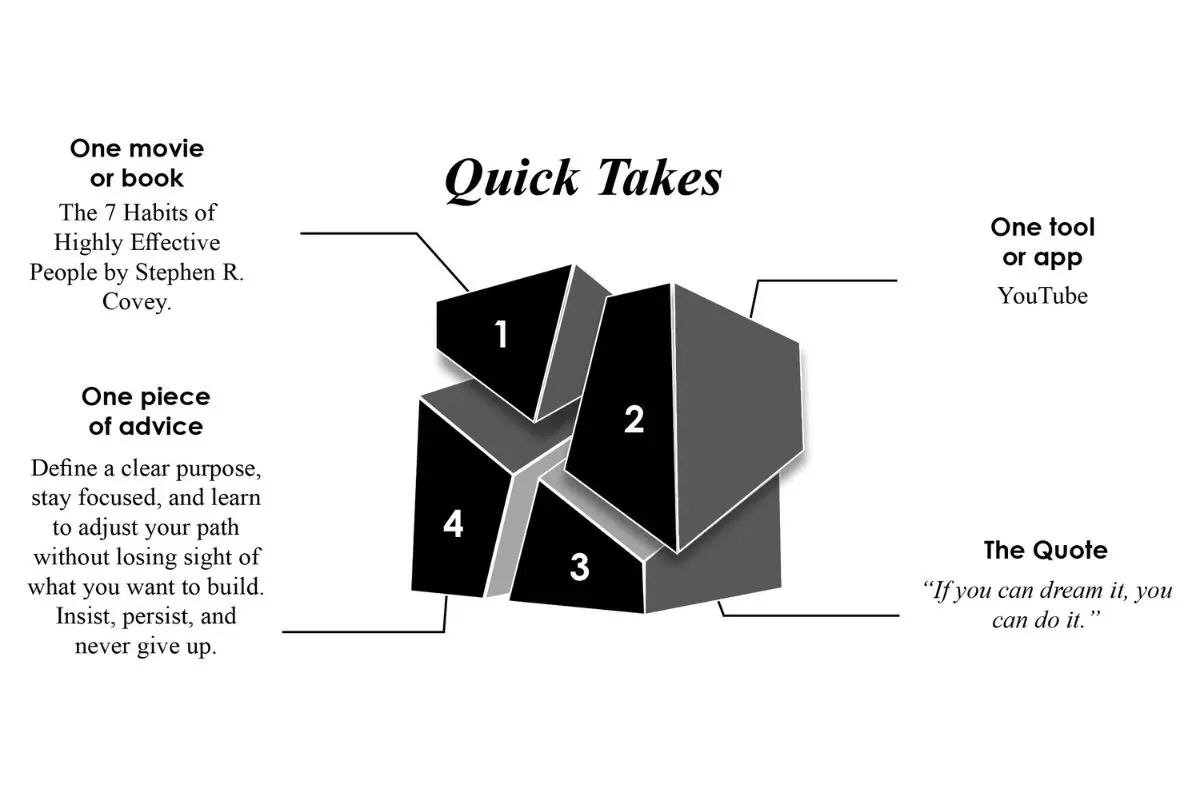
| Quick Takes | |
| One tool or app | YouTube |
| One quote | “If you can dream it, you can do it.” |
| One piece of advice | Define a clear purpose, stay focused, and learn to adjust your path without losing sight of what you want to build. Insist, persist, and never give up. |
| One movie or book | The 7 Habits of Highly Effective People by Stephen R. Covey. |
Building a Healthcare Legacy Through Vision, Innovation, and Purpose
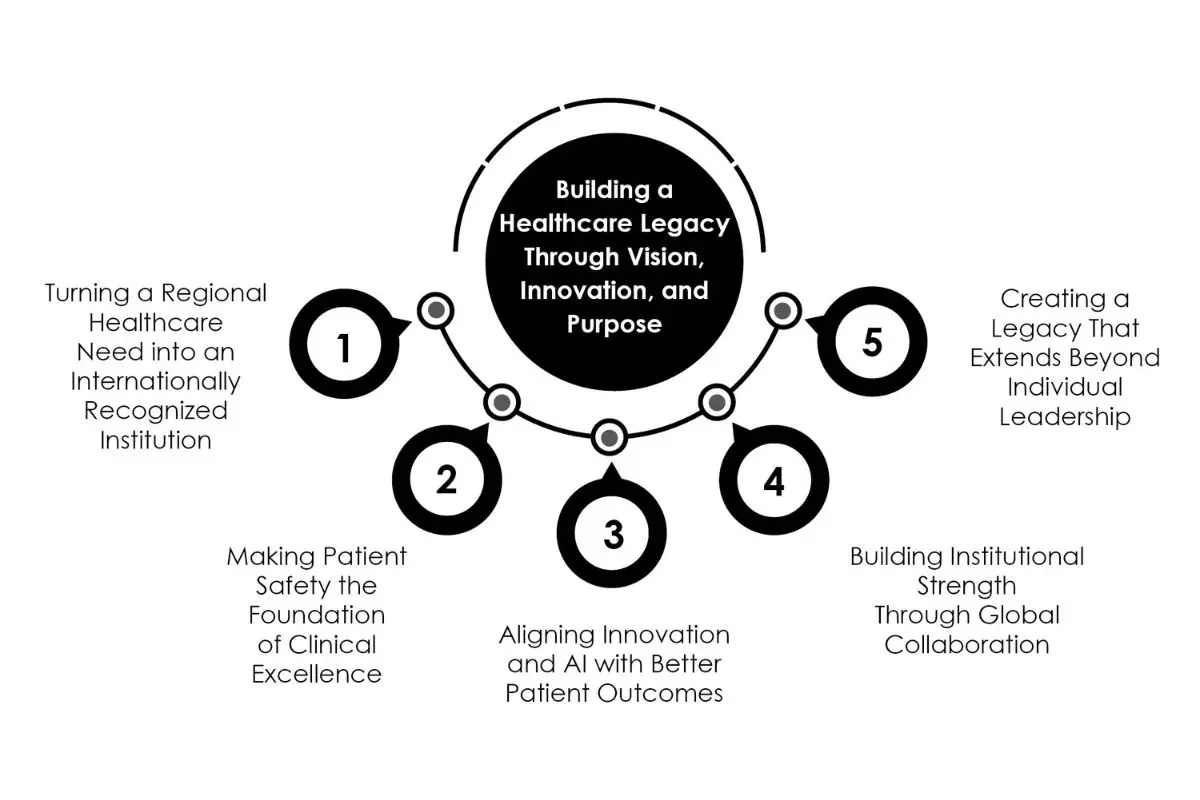
- Turning a Regional Healthcare Need into an Internationally Recognized Institution
- Making Patient Safety the Foundation of Clinical Excellence
- Aligning Innovation and AI with Better Patient Outcomes
- Building Institutional Strength Through Global Collaboration
- Creating a Legacy That Extends Beyond Individual Leadership













