Arizona’s highways and urban roads carry millions of drivers each day, making safe and responsible driving an important concern across the state. When a person is accused of driving under the influence, however, the consequences can reach well beyond the initial traffic stop, potentially affecting employment, finances, driving privileges, and personal relationships. A DUI charge may appear difficult to contest once police reports, test results, and observations are presented as evidence, but those materials are not automatically beyond question.
The strength of the prosecution’s case depends on whether the evidence was lawfully obtained, accurately documented, and reliably interpreted. For someone facing a DUI charge in Arizona, understanding how a DUI defense attorney examines those details can make the legal process less intimidating. Grand Canyon Law Group DUI attorneys can help clients evaluate the prosecution’s evidence closely, identify weaknesses that may affect its reliability, and develop a defense strategy focused on protecting their rights throughout the case.
The first review
Early review often begins with the stop, arrest, chemical testing, and report language. People may consult DUI attorneys when trying to see how lawyers examine roadside clues, breath device records, and officer decisions. That careful work matters because each fact must support proof beyond a reasonable doubt, rather than mere suspicion.
The traffic stop

Police need a lawful reason before stopping a vehicle. An attorney reviews body camera footage, dispatch notes, dash video, and written reports. A weak basis, such as vague weaving or an unsupported hunch, may not hold up. If the stop fails legal review, later evidence can face exclusion.
Officer observations
Prosecutors often point to red eyes, odor, speech changes, or slow movement. Defense counsel asks whether those signs truly show impairment. Fatigue, allergies, anxiety, heat, or poor sleep can affect appearance. Careful questioning may show that observations were brief, overstated, or pulled from routine report wording.
Field sobriety tests
Roadside tests depend on conditions as much as performance. Lighting, traffic noise, footwear, injuries, age, balance disorders, and instructions all matter. Video may show uneven pavement, rushed directions, or scoring that ignores reasonable limits. When those factors appear, a test can lose much of its courtroom weight.
Breath test issues
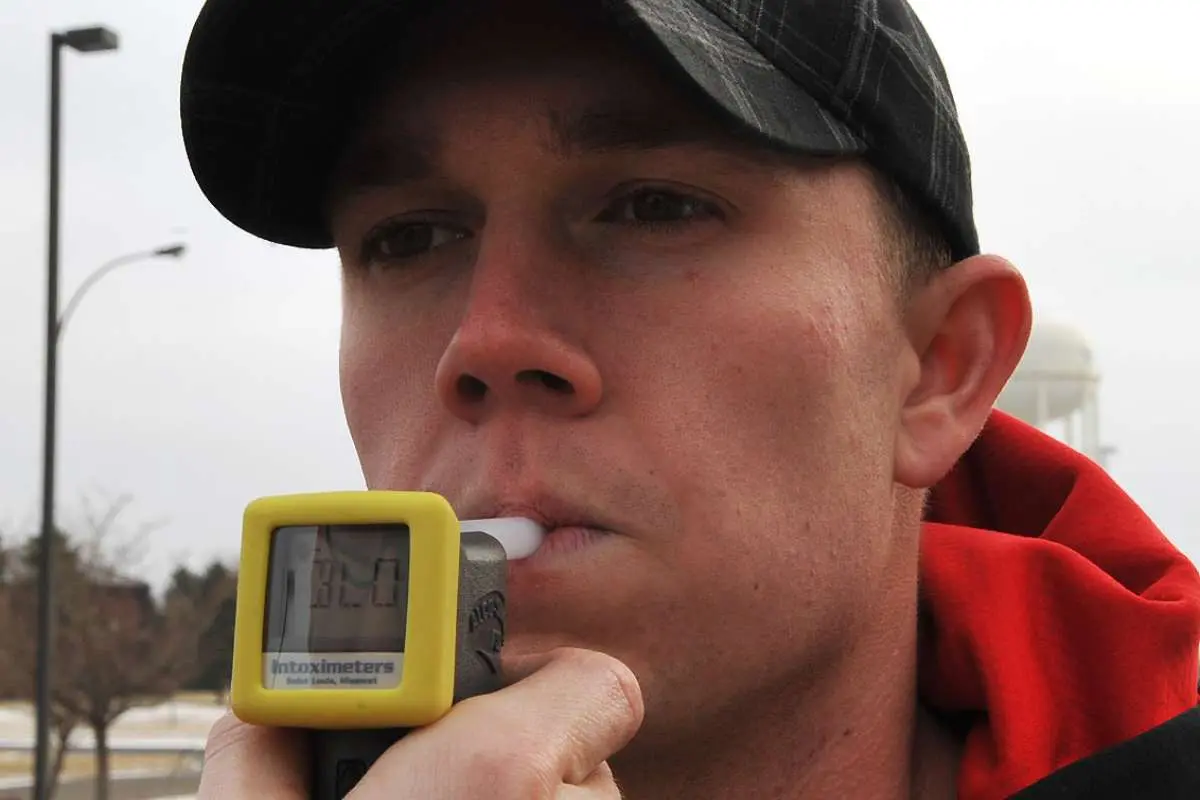
Breath results depend on proper machine care and trained operation. A lawyer requests calibration records, service logs, repair notes, and operator credentials. Missed maintenance or poor technique can affect accuracy. Timing also matters, because alcohol levels may rise after driving and create a misleading later result.
Blood Test questions
Blood testing may look exact, but human handling still shapes reliability. Counsel reviews who drew the sample, what equipment was used, and where the tube went afterward. Storage conditions, preservatives, labels, and transport records can all affect confidence in the reported number.
Chain of custody
Every transfer should be documented from draw to analysis. A missing signature, unclear label, timing gap, or poor refrigeration can raise doubt. If records conflict, prosecutors may struggle to prove the sample tested was the same one collected.
Lab procedure
Laboratory results deserve close review, even when they appear technical. Defense lawyers examine analyst notes, instrument settings, quality control data, and batch records. Contamination, carryover, expired materials, or clerical errors can distort a result. Independent experts may evaluate raw data and explain why a number should receive less weight.
Miranda and statements

A case may include statements made during or after arrest. A skilled DUI defense attorney checks when questioning began, what warnings were given, and whether the driver asked for counsel. Confusion, pressure, illness, or unclear wording can affect voluntariness. If police violated constitutional rules, a judge may exclude those statements.
Video and audio records
Recordings can sharpen facts that reports leave vague. Counsel compares video, audio, and written summaries for inconsistency. Calm speech, steady walking, or cooperative behavior may conflict with claims of severe impairment. Missing footage can also matter, especially if the absent portion covers a disputed stop, test, or arrest.
Medical causes
Some symptoms linked to alcohol have medical explanations. Diabetes, acid reflux, neurological conditions, head injuries, and prescribed medication can affect speech, balance, breath readings, or alertness. Defense counsel may use records or expert testimony to explain those signs. That evidence can give jurors a sound reason to question simple assumptions.
Timing matters
The timeline often decides how strong the state’s case becomes. Lawyers review receipts, witness accounts, phone records, surveillance video, and test times. A delay between driving and chemical testing can create doubt about impairment behind the wheel. Precise timing may turn a basic charge into a serious scientific dispute.
Courtroom strategy
Evidence challenges often begin before trial. Counsel may file motions to suppress, limit testimony, exclude unreliable results, or request missing records. Those steps can narrow what jurors hear. When important proof weakens early, plea discussions may shift because prosecutors face greater risk at trial.
Conclusion
A driving under the influence case depends on reliable proof, lawful police conduct, and fair procedure. A skilled DUI defense attorney tests each layer of the case, from the traffic stop to laboratory analysis. Courts should not rely on accusation alone. They need facts that withstand careful review. When counsel exposes weak links in testing, observation, timing, or procedure, the prosecution’s case can lose strength in a meaningful way.