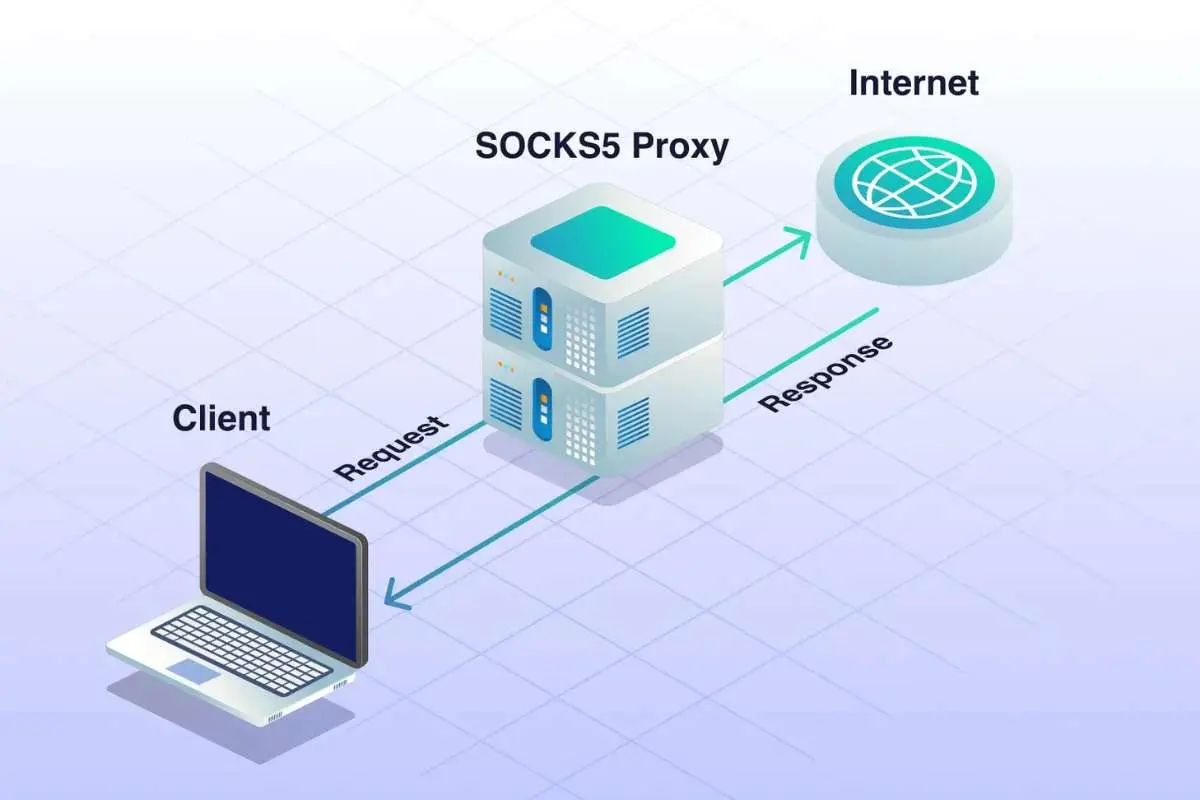
Most SOCKS5 plans advertise high speeds. The problem is that speed on a brochure and speed under real workloads rarely match, and once you add stability into the picture, the gap between good and bad providers gets wider fast.
Finding a SOCKS5 setup that’s actually fast and reliable takes more than comparing price tags or bandwidth claims. This article covers what to look for, what to ignore, and how to avoid the common mistakes that turn a “fast” plan into a constant headache.
Why Speed Alone Is Not Enough When Choosing a Fast SOCKS5 Proxy?
The most common thing that people look at when purchasing a Fast SOCKS5 Proxy is speed, which is not the right place to begin. A fast proxy that drops connections mid-session is worse than a slightly slower one that holds steady.
The problem is that speed only informs you about how fast one request is performed. It does not give you information about the behavior of the proxy when it is under continuous load, how frequently it breaks, or how reliable the connection is when used over an extended period. For real workflows, those factors matter more than raw speed ever will.
In reality, the majority of the Fast SOCKS5 Proxy plans compromise infrastructure to achieve their speed goals – oversubscribed servers, thin IP pools, poor peering. You get a good-looking speed test result, but the moment you run actual traffic through it, the performance falls apart.
It is more appropriate to consider speed and stability as a single package. It is either that the proxy is resilient to real workloads or not. Isolated speed claims don’t mean much without the infrastructure behind them.
What Actually Affects Fast SOCKS5 Proxy Speed and Stability?

Speed and stability are not marketing promises, but particular infrastructure decisions that most users never get to see. These are the factors that actually decide how a SOCKS5 plan performs.
Server Infrastructure
High-bandwidth connections are provided by quality hardware, which can provide fast and consistent response time. Cheap or overloaded servers introduce latency, packet loss, and random slowdowns. One of the largest predictors of the actual behavior of the proxies is the investment of a provider in the server.
Network Capacity
Oversubscribed networks slow down during peak hours. Providers who plan capacity properly keep performance stable regardless of load. When a network is overstretched, you will feel that, and nothing to do with how fast they advertise it will make it better.
Peering and Routing
Efficient routing reaches targets quickly. Bad routing introduces a delay in each hop, and when it comes to thousands of requests, it adds up quickly. Providers who have good peering deals and paths are always better than those that trim corners in this.
IP Pool Quality
Even a fast network is slowed down by burned or flagged IPs. Quality providers actively monitor IP reputation and rotate out bad addresses. You can see what that looks like with reliable SOCKS5 proxy servers built around that standard.
Uptime and Reliability
A proxy that fails every few minutes is not fast; it is useless. Uptime metrics are just as important as speed, particularly when it comes to long-running processes where lost sessions can be costly indeed.
How to Compare Providers Without Focusing Only on Marketing Claims?
Begin with independent reviews by sites where actual benchmarking is conducted – not affiliate-packed sites. Read reviews on websites such as G2, Trustpilot, and Proxyway, and consider trends in the complaints, not individual problems.
Then, test the proxies by yourself. There are trial plans or low-cost test packages precisely like this – use them before you commit to anything long-term. Test your real workload by running it through the proxy and observing its behavior in the real world, not by a single speed test.
Lastly, verify the transparency of the provider regarding their infrastructure, IP sources, and uptime information. Poor infrastructure is often concealed in vague marketing.
Key Features to Check Before Buying a Fast SOCKS5 Proxy

Once the marketing is out of the way, the decision comes down to a few specific features.
- Speed benchmarks: Actual third-party test or trial access speed, not claimed speeds.
- Uptime statistics: 99% or higher, and verifiable history, where possible.
- Full TCP and UDP support: The primary benefit of SOCKS5 is that both TCP and UDP should operate correctly.
- Authentication: It should be able to use username/password and IP whitelisting.
- IP pool size and location depth: Large pools in various subnets and good coverage in your target areas.
- Bandwidth policy: Unlimited bandwidth is an actual benefit when it comes to long-running workloads.
- Request compatibility: HTTP/HTTPS and SOCKS5 are supported, allowing your setup to be flexible.
- Responsiveness in support: The speed of response is more important than many people would assume until something fails.
- Trial or test plan: Every provider worthy of consideration allows you to test first.
Common Mistakes That Lead to Unstable Proxy Performance
The majority of performance issues of SOCKS5 proxies can be attributed to the same errors, and most of the errors can be prevented.
The largest is the selection by price. Cheap plans usually mean cheap infrastructure, and the savings disappear fast once you factor in slow speeds and dropped sessions. Another common one is to skip the trial and go directly to a long-term plan without having to test it against your real workload, which is a gamble that hardly ever pays off.
A lot of users also overlook IP pool size and location depth. A small pool implies that IPs are reused over and over again, and a long country list is nothing when there is a thin supply in the areas you require.
Finally, match the proxy type to the task – SOCKS5 runs on residential, datacenter, ISP, and mobile infrastructure, and using the wrong one causes problems no amount of speed can fix.
Final Thoughts
A fast SOCKS5 proxy that isn’t stable isn’t actually fast; it just looks fast on a speed test. What matters is the actual performance of the proxy in your real workload, day in, day out.
Focus on the infrastructure behind the plan, verify the claims with your own testing, and don’t let price be the deciding factor. Performance takes care of itself when the basics are met.